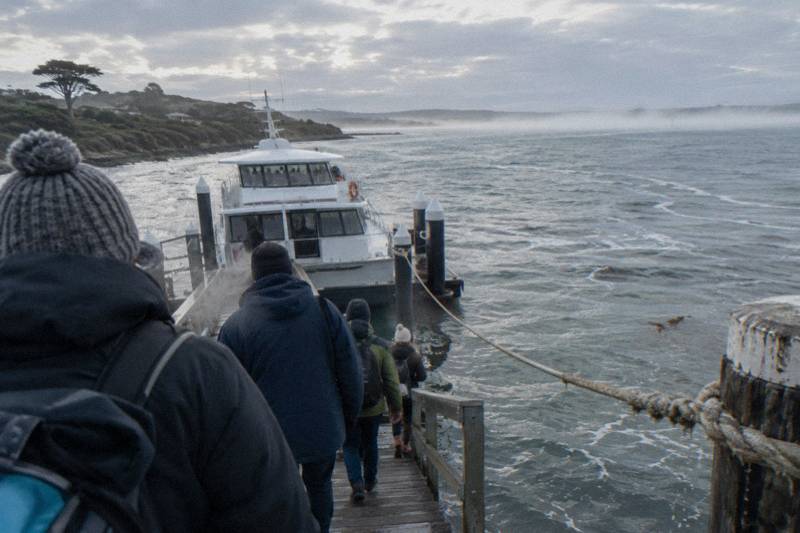
Can You See Whales On A Seal Cruise Or Do You Need A Separate Winter Cruise?
Whales pass Phillip Island in winter, and the operator runs whale cruises only early June to early August, from A$179 per person; the year-round Seal Rocks cruise from A$115 is a seal cruise, not a whale cruise.
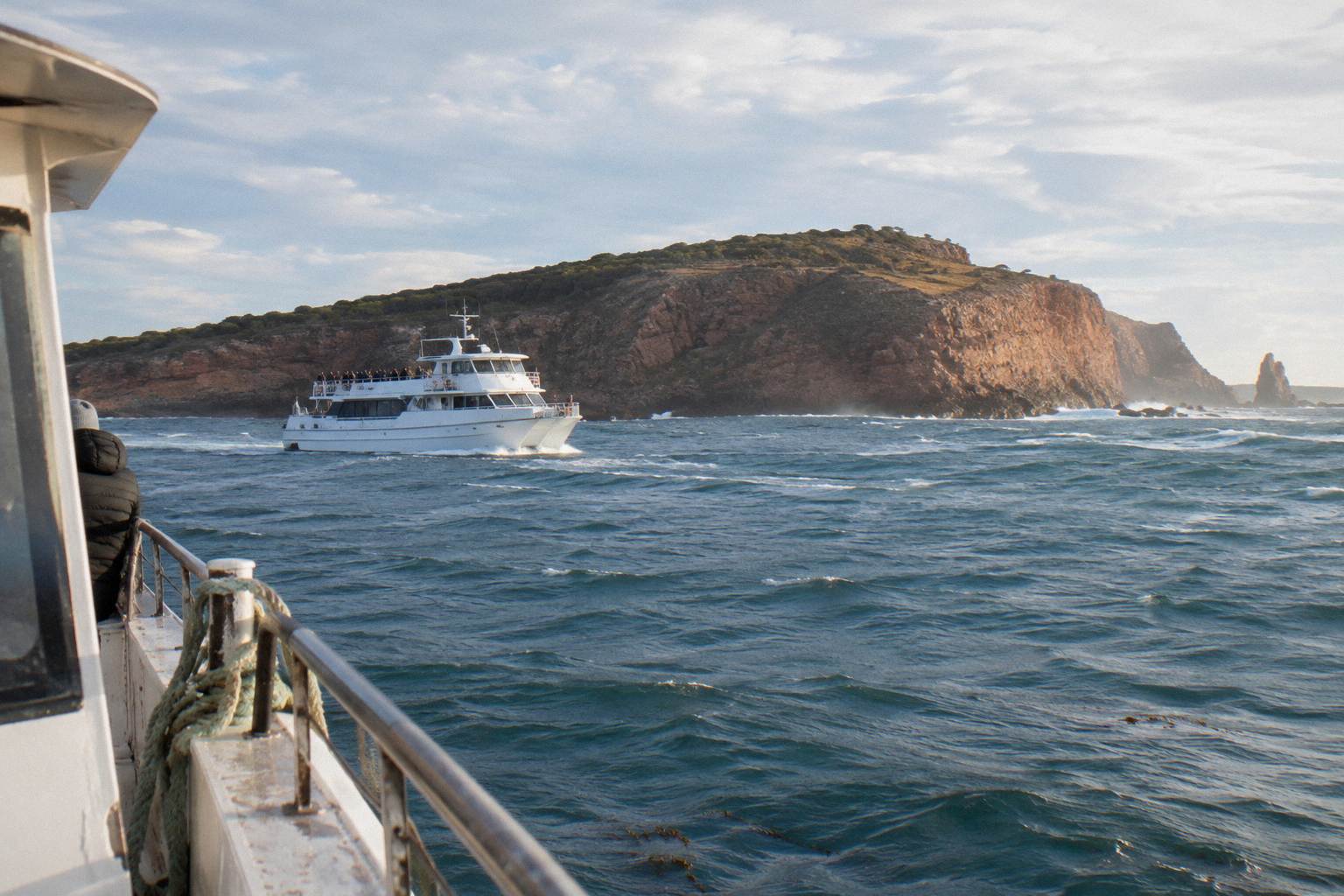
No, you cannot count on whales on the Seal Rocks cruise, as it is a year-round seal product with no whale promise on its booking page. To see whales at Phillip Island you need a separate winter cruise, as Wildlife Coast Cruises runs its two dedicated whale trips, the Winter Whale Watching Cruise From Rhyll and the Dolphin And Whale Cruise From San Remo, only from early June to early August.
That distinction matters more than it sounds. Plenty of visitors arrive in January, hop on the 2pm boat from Cowes Jetty expecting whales as a bonus, and are surprised the trip is framed entirely around the seal colony at Seal Rocks, about 2 km offshore, the operator's figure. The operator describes that colony as supporting, in the words of the Victorian wildlife authority, about a quarter of all Victorian seals, and it is the largest seal-breeding colony in Victoria. Seals are the product. Whales are a different boat, a different jetty, a different season and a different price bracket.
The operator is candid about the whale question on its own frequently asked questions page: the whale cruises run early June to early August, and even on those trips the wording is "Expected 80-85% - not guaranteed". No sighting is guaranteed, on any cruise, at any time of year. That is worth internalising before any money changes hands, because it frames every figure below.
Here is the three-way choice a winter visitor actually faces:
All amounts in Australian dollars, and every cruise on the island carries free cancellation up to 24 hours before departure on its booking page.
When Whales Actually Pass Phillip Island
The operator's whale season is early June to early August, full stop. A tourism body reports humpbacks passing the Victorian coast from May to October, but the boats that chase them here only sail in the operator's window, so the only dates that matter for booking are the operator's. Outside early June to early August there is no whale cruise to book, and the 2pm seal cruise from Cowes is the wildlife boat that is running.
The two winter products split the day between them. The Winter Whale Watching Cruise From Rhyll is the long one: four hours, daily in season, 8:30am to 12:30pm, from A$179 per person, leaving Rhyll Jetty on the island's quiet north-eastern corner, and it also visits Seal Rocks along the way. The Dolphin And Whale Cruise From San Remo is the afternoon version: three hours, 1pm to 4pm, from A$135 per person, leaving San Remo Jetty by the Fishermans Co-op. Same operator, Wildlife Coast Cruises, which runs five of the seven core tours covered here, including both whale trips and the seal cruise. They are different boats, jetties and seasons from one operator, not rival companies.
Rough distances are rules, not marketing. Victorian regulations keep boats at least 200 metres from a whale, with a 300 metre caution zone around it where vessels travel at no more than 5 knots, as the wildlife authority's marine mammal rules state. A whale cruise is therefore a respectful chase across open water, not a close drift like the seal trip, and that difference shapes what four hours at sea actually feels like compared with two.
Weather is the winter wildcard. The operator states that cruises are subject to minimum numbers and weather conditions, and that it may change or cancel a sailing and offer a transfer or a full refund. Winter trips are the most exposed to that rule, and anyone booking a whale cruise should read the cancellation logic carefully before locking in a fixed itinerary; the detail on refunds and the 24 hour rule applies to whale sailings from the same operator in the same way.
What The Seal Rocks Cruise Promises, And What It Leaves Out
The Seal Rocks Cruise From Cowes is a two-hour trip, running daily at 2pm all year from A$115 per person, and its booking page promises only seals, live commentary, tea, coffee and cake. Rated 4.9 from 236 reviews on one booking page and 4.8 from 152 on a second, it omits any promise of dolphins or whales, which the operator's own seasonal notes never claim as regulars on it.
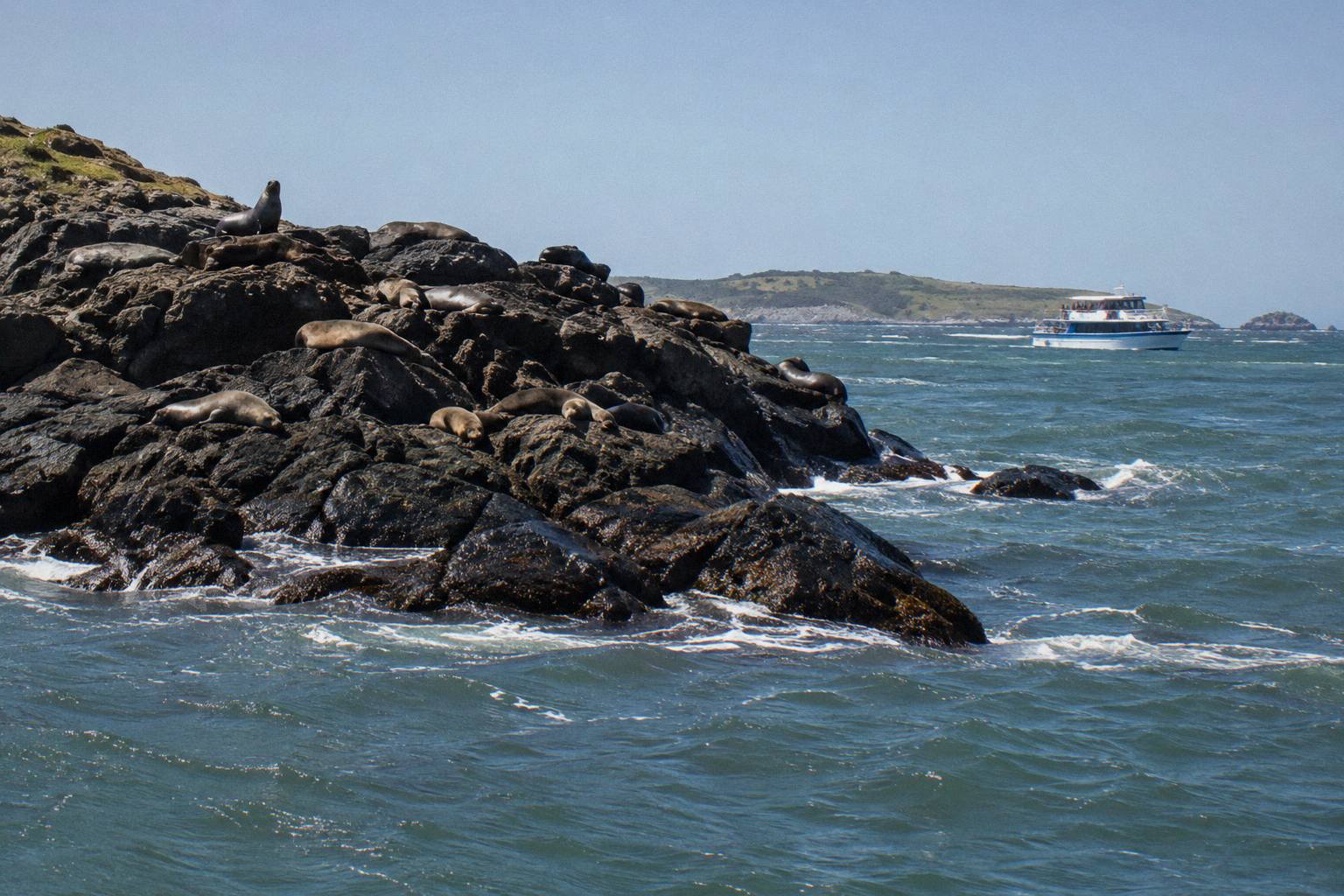
What the seal cruise does have going for it is reliability of subject. Seal Rocks is a breeding colony, which means the animals are there because they live there, not because they are migrating past. The operator says the boat drifts within metres of the seals and describes an average of 5000-plus seals sighted up close across its cruises, an operator's average, not a per-sailing promise. Compare that with a whale, which may or may not be anywhere near the island on a given Tuesday, and the difference between the two products becomes a difference in kind, not quality.
That is the plain framing of the decision. Neither product promises anything. The seal cruise's subject is resident and predictable; the whale cruise's subject is wild and migratory, and the operator words its expectation as exactly that, "Expected 80-85% - not guaranteed". A traveller who would be upset by a no-whale day should weigh the four-hour winter trip differently from one who treats a whale as a possible bonus on a day built around seals.
For a fuller walk through what the two hours from Cowes actually involve, from check-in at the white domed roof building to the return leg with cake, the two hour seal boat tour guide covers it in detail. Booking is straightforward, and there is no stated sell-out rule or advance-booking requirement for the seal cruise, so never let anyone tell you booking ahead is compulsory; the do you need to book in advance question unpacks that. You can also check availability on the booking page itself.
Winter Whale Watching Cruise From Rhyll, The Four Hour Option
The Rhyll cruise is the dedicated whale watching product: four hours daily from early June to early August, 8:30am to 12:30pm, from A$179 per person, rated 4.9 from 28 reviews on one booking page and 4.7 from 97 on another. Morning tea, a local guide, live commentary and a visit to Seal Rocks are all included, and the operator describes the whale sighting odds as expected 80-85%, though not guaranteed.
Four hours in open winter water is a commitment, and it deserves respect as a decision. The operator says staff advise booked passengers of sea concerns at least the day prior, and the trip includes a morning tea of coffee, tea, a muffin and a pastry, which is a different catering offer to the seal cruise's cake on the return. Rhyll Jetty sits at 16 Beach Road, a quieter departure point than Cowes, and travellers driving over for an 8:30am departure in June or July should remember the operator's own advice about allowing extra travel time in peak periods and checking conditions.
The buyer logic is simple. Choose Rhyll when whales are the point of the day and four hours at sea in winter clothing is acceptable. The rating pool is smaller than the seal cruise's, 28 reviews on one booking page and 97 on a second, and both figures are shown beside the ratings because a rating without its count invites assumptions. Someone who wants the full winter whale breakdown can read the tour page directly, and the best month for a seal cruise guide overlaps usefully here because winter is also weaning season on the rocks.
One caution on interpretation: the dolphin expectation of 80 percent belongs to the San Remo dolphin and whale cruise only, never to Rhyll, and never to the seal cruise. Nature Parks words "regular dolphin sightings" without species or months, so dolphins should not be claimed as regulars on any particular sailing.
Dolphin And Whale Cruise From San Remo, The Shorter Winter Option
The San Remo dolphin and whale cruise runs three hours, 1pm to 4pm, from early June to early August, starting at A$135 per person, rated 4.6 from 83 reviews on one booking page and 4.8 from 24 on a second. It uses the same operator and jetty as the Cape Woolamai and sunset cruises, with whale wording of "Expected 80-85% - not guaranteed" and dolphins "Expected 80%".
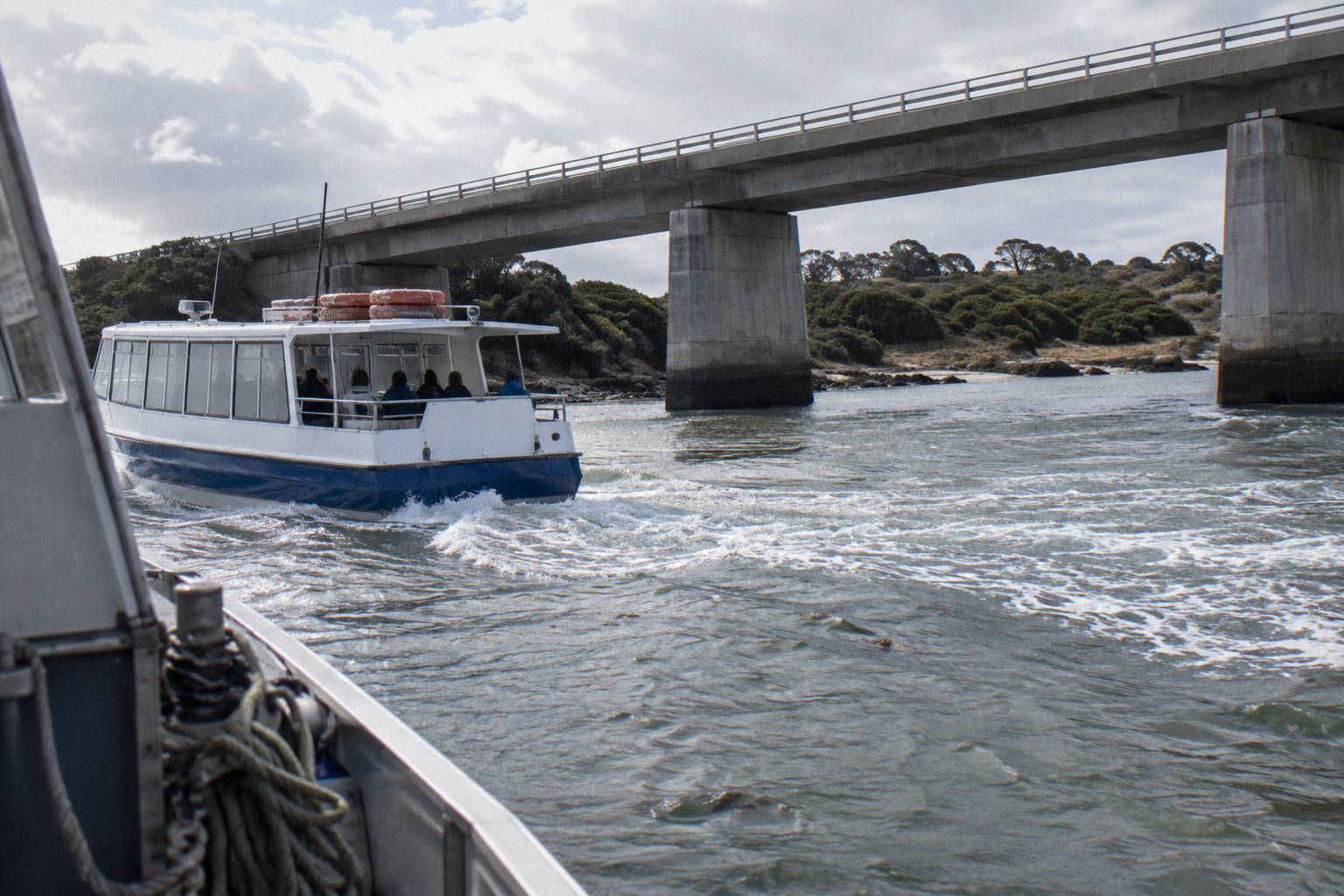
The afternoon slot is the practical advantage. A 1pm departure means no pre-dawn drive to the island, a late breakfast, and the option to do something ashore in the morning. San Remo Jetty at 170 Marine Parade is also the easiest departure point for anyone staying in San Remo or Newhaven, right by the Fishermans Co-op, with a pelican feeding at 12 noon on the booking page as a free warm-up act directly opposite the jetty. The trip excludes alcohol, soft drinks and snacks, which are available for purchase on board, so the catering is lighter than Rhyll's morning tea.
The whale spotter on board is the quiet differentiator worth naming. The booking page lists a dedicated spotter among the inclusions, which is a different operational setup to a two-hour scenic cruise with commentary alone. Combined with the shorter duration and lower from-price, this trip suits a visitor who wants a genuine whale attempt without committing a whole morning, and it is the natural second choice if Rhyll's 8:30am slot clashes with travel plans.
Dolphin expectations deserve their own sentence: "Expected 80%" is the operator's wording for this cruise, and it is a dolphin figure, not a whale figure, and not a transferable one. For the flip side of the dolphin question on other boats, whether dolphins appear on a seal cruise covers the seal trip's non-promise separately.
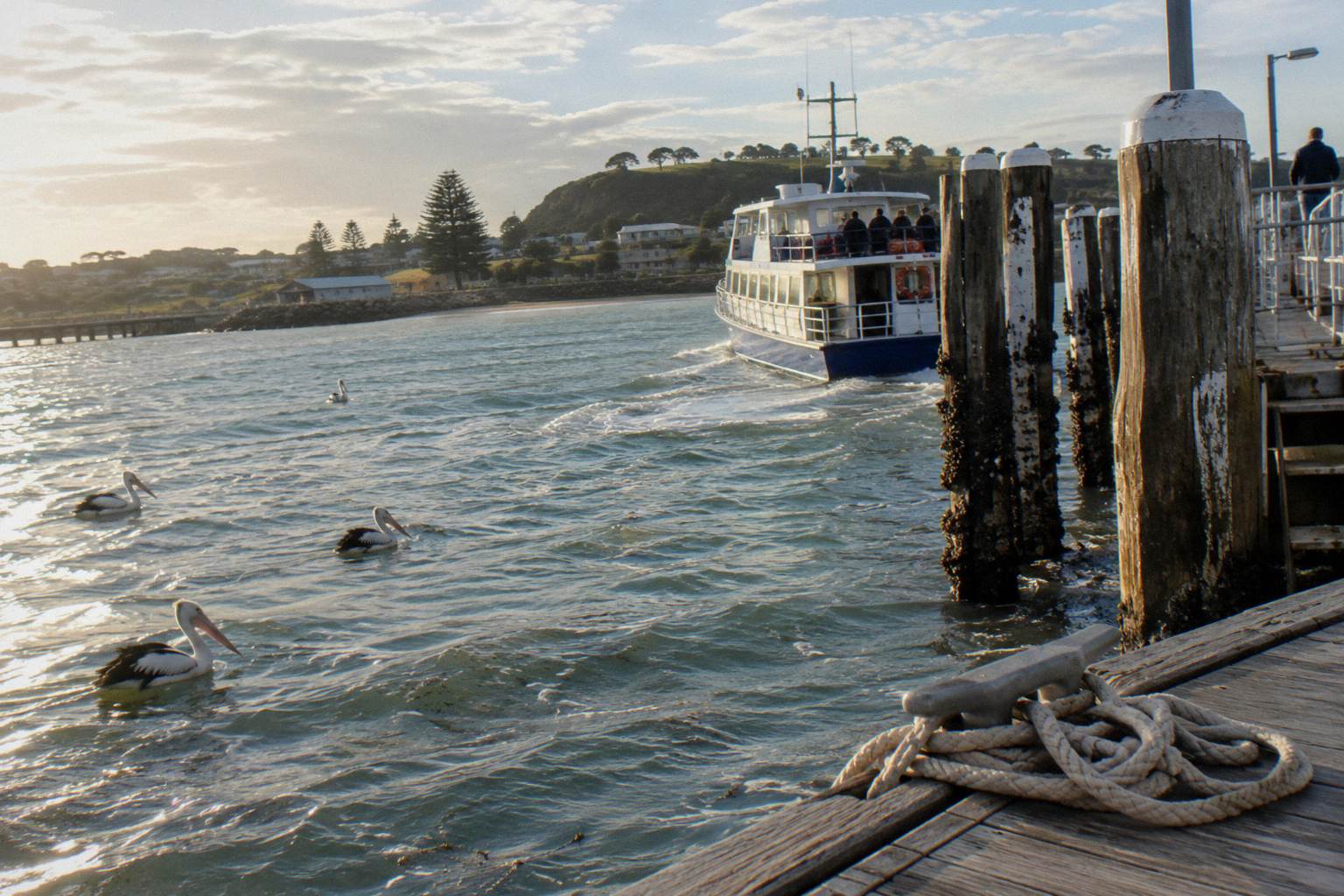
Choosing Between The Two Winter Cruises
Choose Rhyll for the longest, most whale-focused day, four hours with Seal Rocks included, from A$179. Choose San Remo for a shorter, cheaper afternoon attempt at three hours from A$135, with the dolphin expectation attached and a whale spotter on board. Both sail only early June to early August, both carry the same whale wording, expected but never promised, and both depart from different jetties, Rhyll on the north-east, San Remo at the island's bridge end.
The comparison table keeps the facts side by side, with every figure drawn from the booking pages:
| Winter Whale Watching Cruise From Rhyll | Dolphin And Whale Cruise From San Remo | Seal Rocks Cruise From Cowes | |
|---|---|---|---|
| Season | Early June to early August | Early June to early August | All year, daily 2pm |
| Duration | 4 hours, 8:30am to 12:30pm | 3 hours, 1pm to 4pm | 2 hours |
| From-price | From A$179 per person | From A$135 per person | From A$115 per person |
| Rating | 4.9 from 28 reviews and 4.7 from 97 | 4.6 from 83 reviews and 4.8 from 24 | 4.9 from 236 reviews and 4.8 from 152 |
| Whale wording | "Expected 80-85% - not guaranteed" | "Expected 80-85% - not guaranteed" | No whale promise |
| Visits Seal Rocks | Yes | Ask the operator | Yes, the destination |
| Departure jetty | Rhyll Jetty, 16 Beach Rd | San Remo Jetty, 170 Marine Parade | Cowes Jetty, The Esplanade |
A second table, on wording, matters because the language around wildlife promises is where travellers get burned. Reading the exact phrases for what they are is a skill:
| Operator wording | What it means for a booking decision |
|---|---|
| "Expected 80-85% - not guaranteed" | A stated expectation, not a promise; plan for the possibility of no whales |
| "Dolphin sightings (Expected 80%)" | A dolphin figure on the winter San Remo cruise only, never on Rhyll or the seal cruise |
| "An average of 5000+ seals sighted up close" | An average across the operator's cruises, not a per-sailing count and not the colony size |
| "The boat drifts within meters of the seals" | The operator's description of the seal cruise approach |
| Subject to min numbers & weather conditions | A sailing can change or be cancelled, with a transfer or full refund offered |
For travellers weighing sea conditions, the weather and sea conditions guide explains what the operator says about open water and motion, and the rain and cancellation question covers the wet-day logic.
What The Seals Are Doing While You Hunt Whales
Winter is weaning season on Seal Rocks, so a June or July whale cruise doubles as a chance to see the colony in its winter mood, with pups born the previous early summer now independent. The seals are always there, but the whale season lines up with weaning, while the separate seal cruise runs year-round, including spring when the bulls arrive and fight for territory.
The operator's seasonal text runs like this: summer is the breeding season with pups born early in it and a first rockpool plunge in late summer; autumn is when the pups play and have a first moult; winter is weaning; spring brings the bulls back to fight for territory. Reported birth timing from secondary sources puts bulls returning in October and births from the end of October to mid December, peaking late November to early December. No page should promise pups visible from the boat on any given day; the calendar describes the colony's rhythm, not a viewing itinerary.
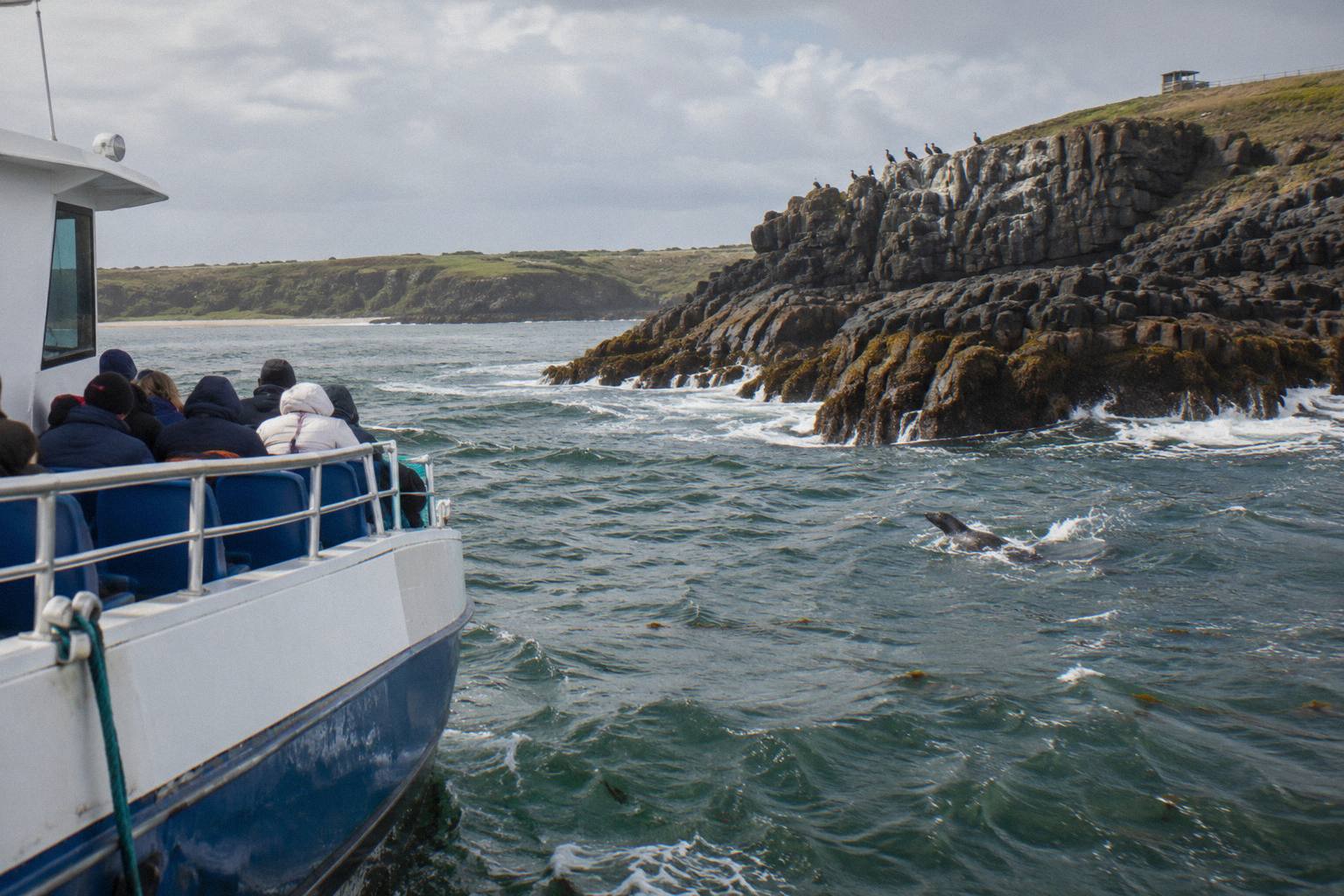
This reframes the whale-versus-seal question for a winter visitor. The whale cruise is not a choice against the seals, because the Rhyll trip visits Seal Rocks on its route, and the operator's own itinerary wording says so. A traveller with one winter day can realistically attempt whales in the morning and still collect the colony, all on the one sailing. The visitor in any other season has no such overlap available, and the seal cruise from Cowes is the wildlife boat on the water.
Which Boat For Which Traveller
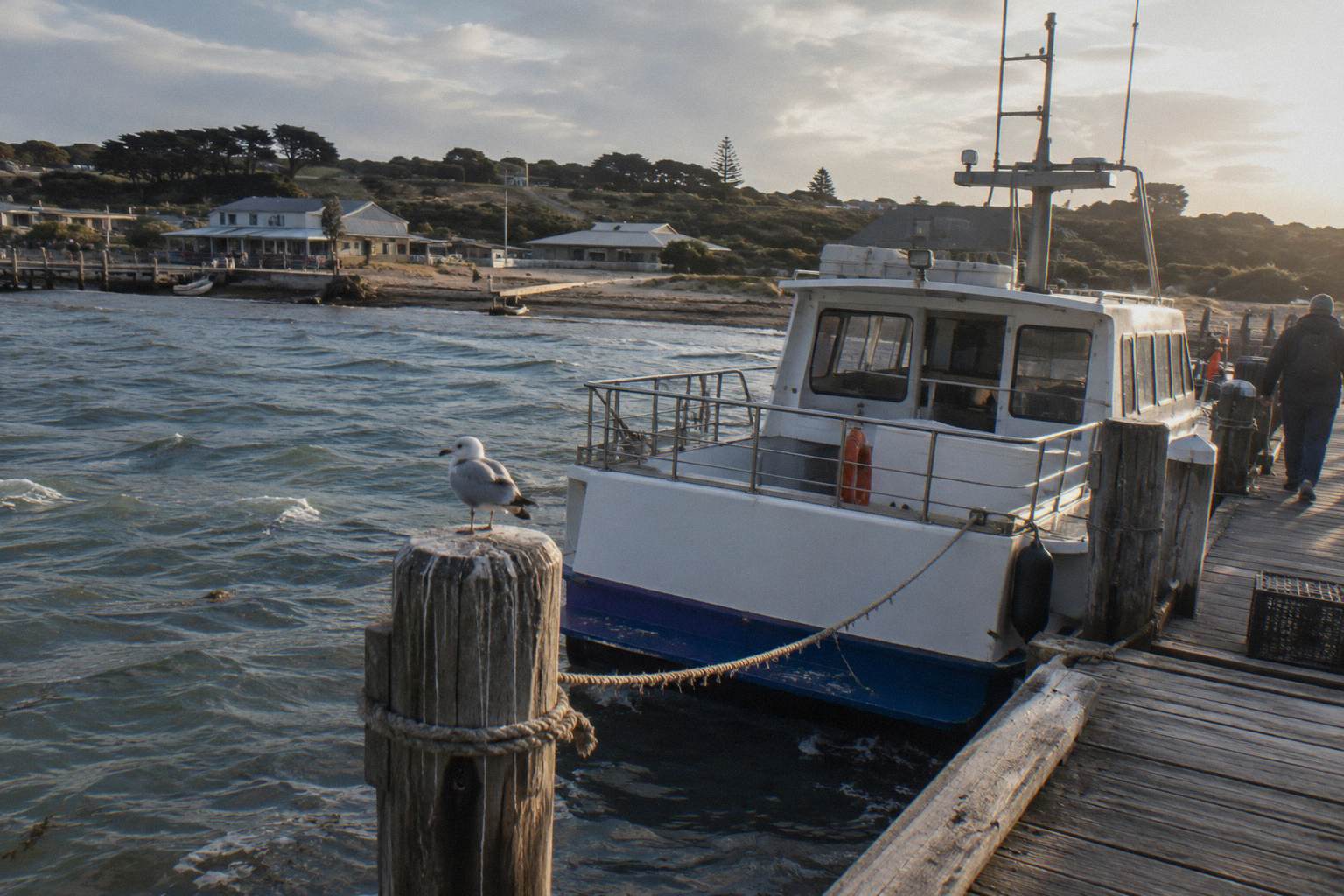
Match the boat to your group: couples and photographers book the Rhyll cruise, families with children aged 3 to 15 pick the two-hour seal cruise since infants 0 to 2 travel free, car-free visitors stick to island departures at Rhyll or Cowes because no Melbourne pickup exists, and anyone prone to seasickness should heed the operator's motion sickness advice before committing to four winter hours on open water.
The car-free point decides more itineraries than people expect. The operator offers no Melbourne pickup, and its own page notes that various bus tours include the seal cruise, one being the Melbourne day trip covered elsewhere here. For independent travellers, the getting to Cowes from Melbourne guide lays out the drive, the coach and the ferry options, and the jetty choice is its own decision covered in San Remo jetty or Cowes jetty compared. Whale season in winter means short days and cold mornings, so an 8:30am departure from Rhyll needs the night before on the island or a very early start.
For the seasickness-prone, the hierarchy is blunt. The operator says the seal tour travels into open waters and vessel motion may occur, recommending motion sickness tablets; bay cruises are described as generally calm by contrast. Four hours of open-water whale searching is the most demanding option among the cruises covered here for a sensitive stomach, the three-hour afternoon trip is middling, and the two-hour seal cruise sits between them on exposure while remaining an open-water trip. None of the wildlife cruises is wheelchair accessible, per the booking pages, so that constraint applies across the whole comparison here.
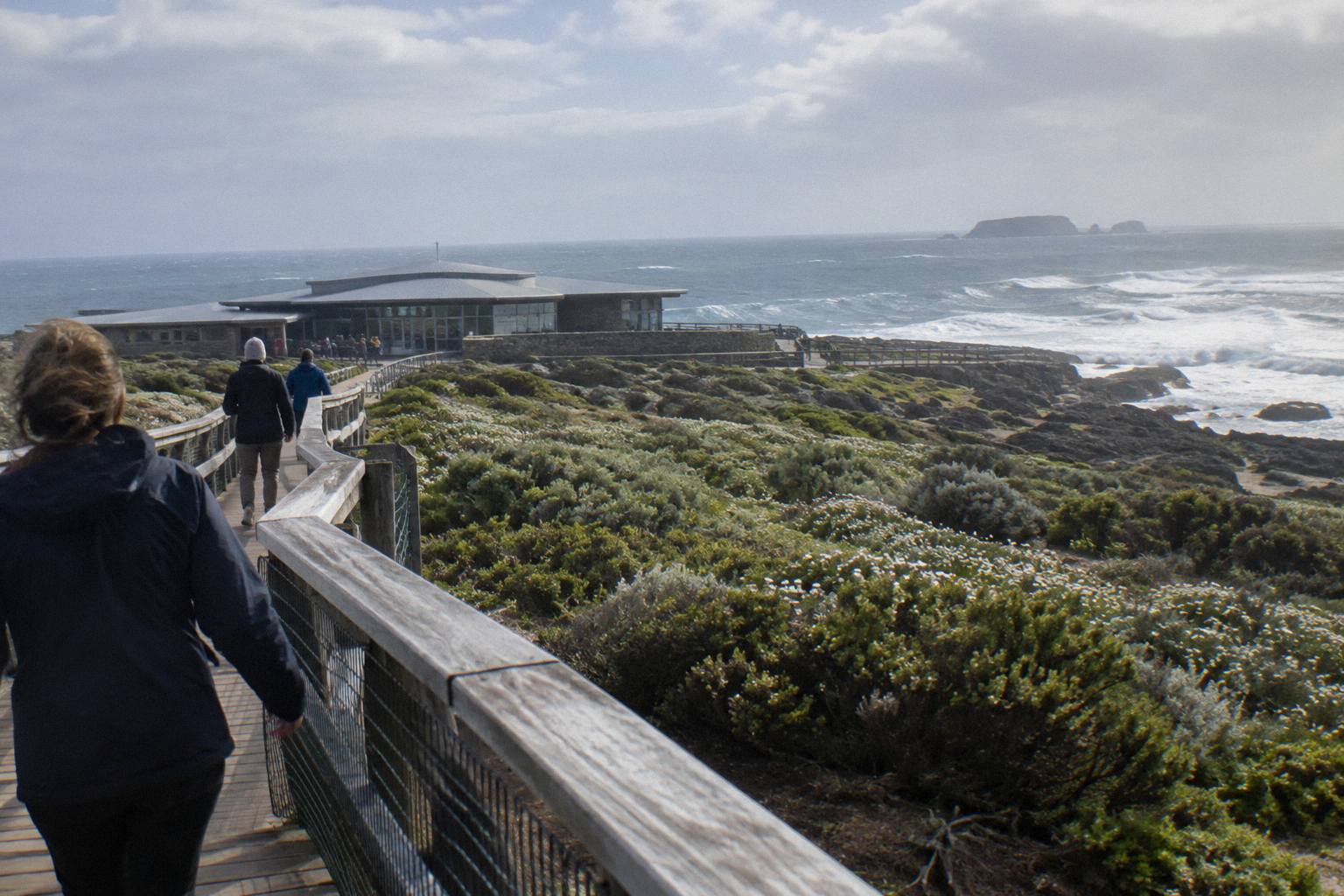
First-time visitors should also weigh the day's shape. A 2pm seal cruise from Cowes leaves the morning free and pairs naturally with the Nobbies boardwalks, which are open while the Nobbies Centre, cafe and toilets are closed, or with the Penguin Parade at sunset, arrival for which is sunset-based with bookings essential. The morning Rhyll whale trip ends at 12:30pm and leaves the whole afternoon for the same land-based pair. Both structures work; the whale version simply only exists for roughly two months of the year.
Mistakes To Avoid When Booking A Whale Or Seal Cruise
The main mistakes are timing and paperwork errors: booking a whale cruise outside early June to early August, when none run; arriving at Cowes Jetty less than 30 minutes before departure, risking a forfeited, non-transferable, non-refundable sailing; expecting whales on the seal cruise; assuming weather never cancels a sailing; and letting children under one metre plan on the bow deck.
Six concrete traps, each from the operator's stated rules:
- Missing the arrival window. Arrive 30 minutes before, boarding is 15 minutes before, and the cruise departs on time; a missed sailing is forfeited.
- Booking the wrong season for whales. Whale cruises run early June to early August only; the seal cruise runs all year and makes no whale promise.
- Ignoring the weather clause. Cruises are subject to minimum numbers and weather; the operator may change or cancel and offer a transfer or full refund, so keep the 24-hour cancellation window in mind for your own changes too.
- The bow deck rule. The bow is restricted to people over 1 metre tall, and children must be supervised by an adult.
- Underestimating open water in winter. The operator recommends motion sickness tablets for the open-water trips; winter whale cruises are the longest of them.
- Expecting dolphins everywhere. The "Expected 80%" dolphin figure belongs to the San Remo winter cruise alone, never to Rhyll and never to the seal cruise.
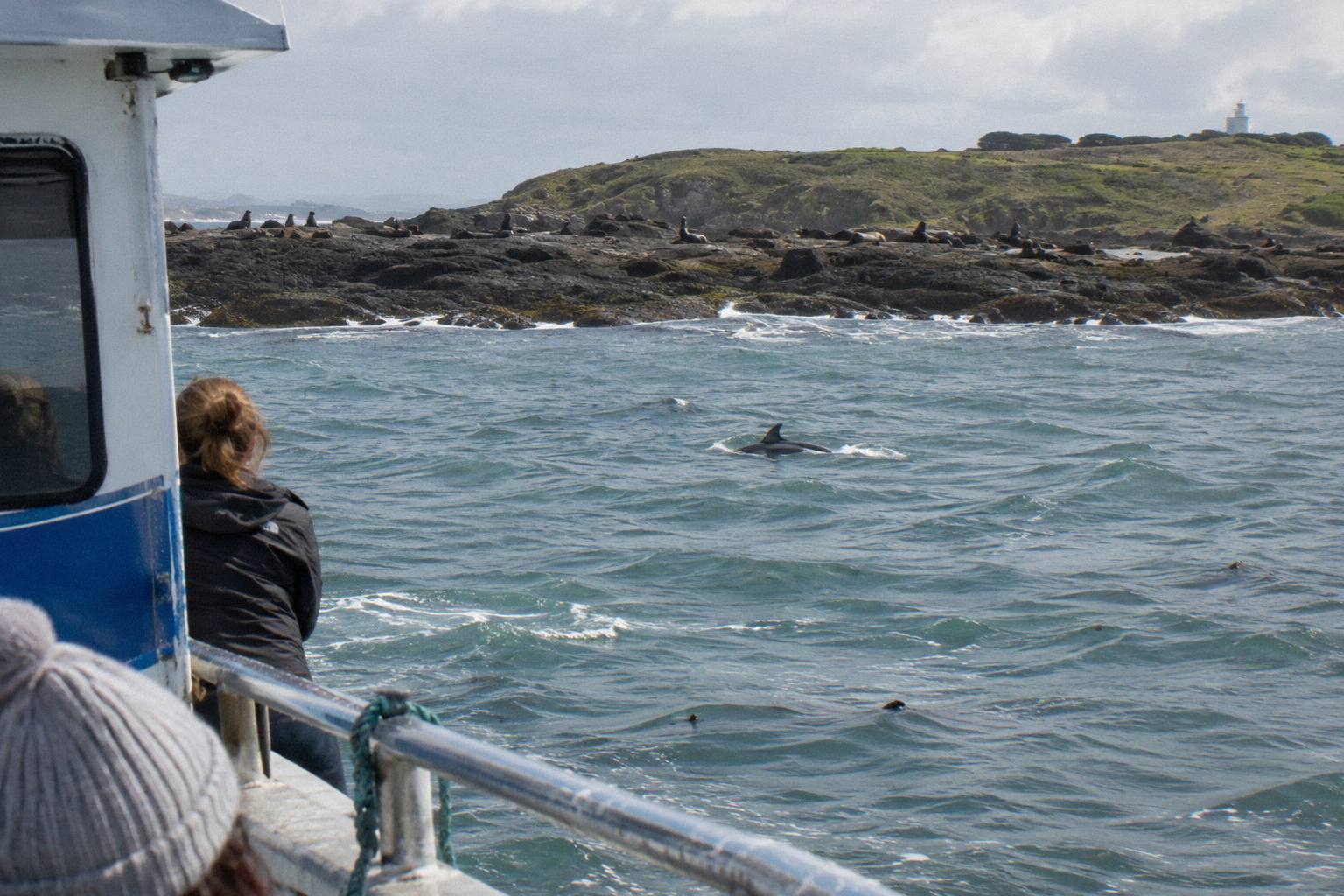
For the full set of seal and wildlife cruises from Cowes, San Remo and Rhyll, Phillip Island Seal Cruises lists them with fares and departure points.
Common Questions About Whales And Seal Cruises
Can You See Whales On A Seal Cruise Or Do You Need A Separate Winter Cruise?
You need a separate winter cruise. The Seal Rocks Cruise From Cowes runs all year and promises seals only. Whale cruises run early June to early August: the four-hour trip from Rhyll and the three-hour trip from San Remo, both worded "Expected 80-85% - not guaranteed".
When Do Whale Cruises Run From Phillip Island?
The operator runs whale cruises from early June to early August. The Winter Whale Watching Cruise From Rhyll sails daily in that window, 8:30am to 12:30pm, and the Dolphin And Whale Cruise From San Remo runs 1pm to 4pm in the same window.
Is A Whale Sighting Guaranteed On A Winter Cruise?
No. The operator's own wording is "Expected 80-85% - not guaranteed" for whales on both winter cruises. Weather and minimum numbers can also change or cancel a sailing, with a transfer or full refund offered.
Do The Whale Cruises Also Visit Seal Rocks?
The Winter Whale Watching Cruise From Rhyll does, per the operator's itinerary. The Dolphin And Whale Cruise From San Remo does not list Seal Rocks as a stop, so ask the operator when booking if the rocks matter to your choice.
What Is The Cheapest Whale Option From Phillip Island?
The Dolphin And Whale Cruise From San Remo is from A$135 per person for three hours, against from A$179 per person for the four-hour Rhyll trip. Amounts are Australian dollars, and both carry free cancellation up to 24 hours on the booking page.
Can You See Whales From The Nobbies Boardwalk Instead?
The Nobbies boardwalks and car park are open, with the centre, cafe and toilets closed, and land-based viewing of the Seal Rocks colony exists from that area. Whales are a different matter: no page promises land-based whale sightings, so a winter cruise is the product built for them.