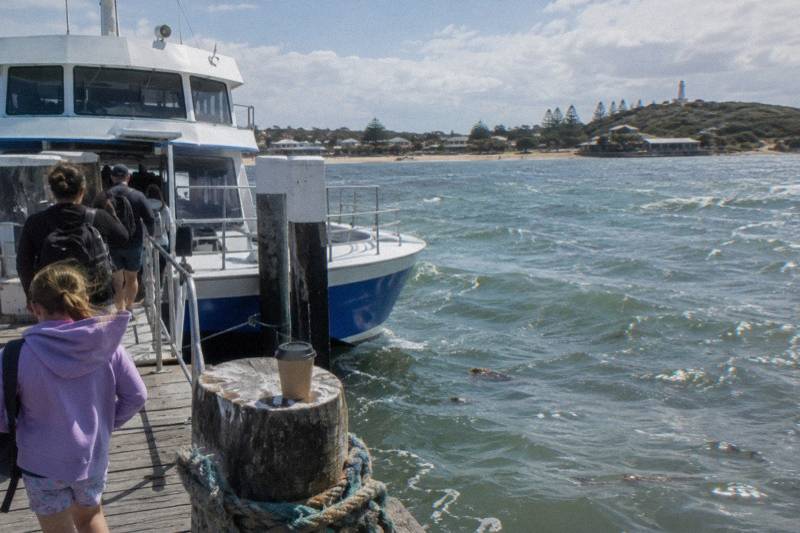
Group Bookings For A Seal Cruise: Five Plus Fares, Charters And Family Tickets
The Seal Rocks Cruise From Cowes runs daily at 2.00pm all year, from A$115 per person, and the operator's fare scale already has a group category for 5 or more travellers plus a family fare for 2 adults and 2 children, so an organiser's job is mostly matching the group to a format and asking the right questions before paying.
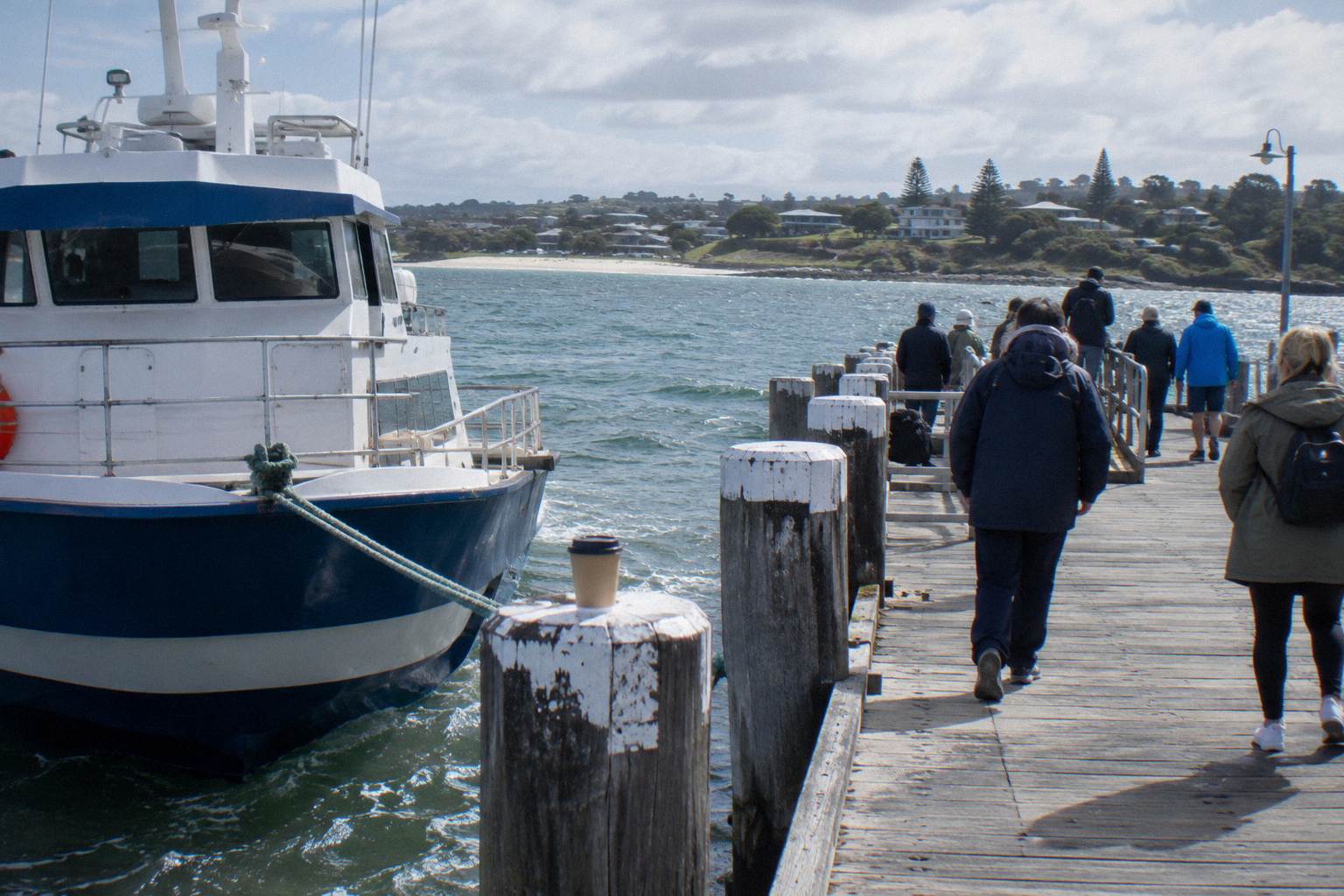
Short answer
Groups of 5 or more have a dedicated fare category on the Seal Rocks Cruise From Cowes, from A$115 per person, and a family fare covers 2 adults and 2 children. Every covered tour shows free cancellation up to 24 hours before departure on the booking page. Charters are not covered by published facts, so ask the operator directly. Amounts are Australian dollars.
Organising a boat trip for five people or more works differently from booking two seats. The fare scale on the Seal Rocks Cruise From Cowes already names a group category for 5 or more travellers and a family fare for 2 adults and 2 children, alongside adult, concession, child and infant fares. The adult fare starts from A$115, and the other categories change over time, so the organiser's real work is picking a sailing that suits the party and asking the operator the questions headcounts always raise. All amounts in this article are Australian dollars.
The core sailing runs 2 hours from Cowes Jetty, daily at 2.00pm all year, with extra peak sailings at 11.00am and 4.30pm from 26 Dec to 31 Jan, and the booking page says "please check availability" for those extras. Wildlife Coast Cruises operates that cruise and four others from San Remo and Rhyll, which matters to a group because the same operator's terms, arrival rules and cancellation windows apply across those departures.
What Fare Categories Exist On The Seal Cruise?
The operator's fare scale names six categories: adult, concession (seniors, students and pension cardholders), child for ages 3 to 15, infant for ages 0 to 2 travelling free, family for 2 adults and 2 children, and group for 5 or more travellers. Companion Card holders get 50 percent off the adult fare. Adult fares start from A$115; group rates can drift, so check the live listing.
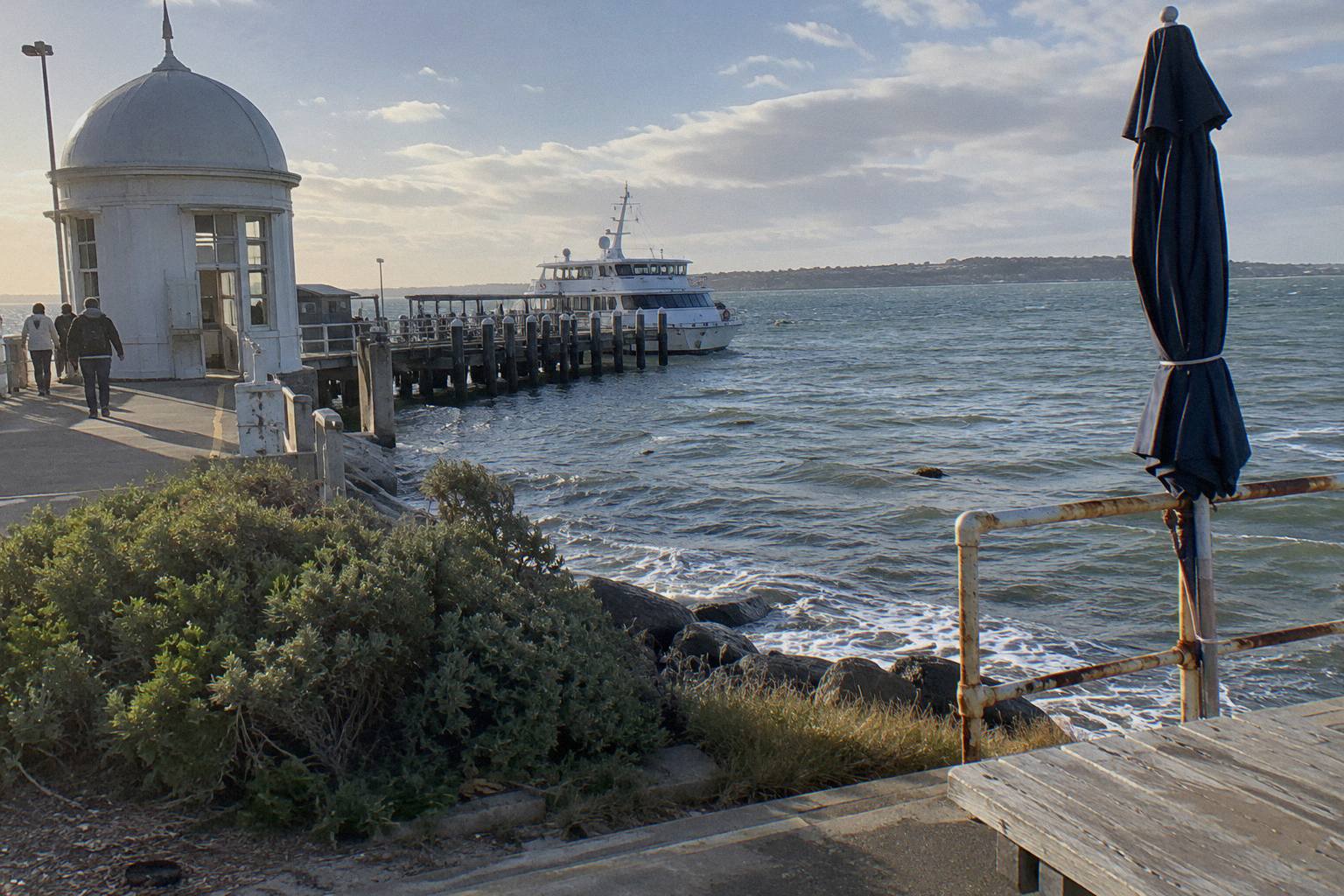
That scale tells an organiser two useful things. First, a mixed party does not need to be all adults on one ticket type: a group of eight might include two concession cardholders, three children and three adults, and the booking page shows the amount for each category on your date. Second, the family fare and the group fare are separate categories, so a household of four books differently from a party of six friends, and the point where one becomes cheaper than the other is a question for the operator because the amounts are not published.
The concession category is broader than many organisers assume. The operator defines it as seniors, students and pension cardholders, so a retirees' club or a university group may have most of its members in that one category. Companion Card holders get 50 percent off the adult fare, which applies to a carer travelling with a group member. The child scale on the boat is 3 to 15, with infants 0 to 2 free, and it is a different scale from the 4 to 15 child range that Phillip Island Nature Parks uses for its own venues, so a group combining the cruise with a Nature Parks attraction should keep the two scales separate when counting heads. The detail sits with the child-fare rules on the operator's frequently asked questions page.
| Fare category | Who it covers | Where the amount sits |
|---|---|---|
| Adult | Standard adult traveller | From A$115 per person |
| Concession | Seniors, students, pension cardholders | Booking page |
| Child | Ages 3 to 15 | Booking page |
| Infant | Ages 0 to 2 | Free |
| Family | 2 adults and 2 children | Booking page |
| Group | 5 or more travellers | Booking page |
| Companion Card | 50 percent off adult fare | Booking page |
For a fuller breakdown of what the sailing itself includes, tea and coffee complimentary with cake on the return, and what it leaves out, the companion piece on what a two-hour seal boat tour includes covers the onboard detail.
How Does A Group Of Five Or More Book The Seal Cruise?
There is no published group booking procedure, so the practical path is to check availability for your date on the booking page first, then confirm headcount questions with the operator before paying. Adult fares for the Seal Rocks cruise start from A$115, though group rates can drift, so confirm current amounts on the live booking page.
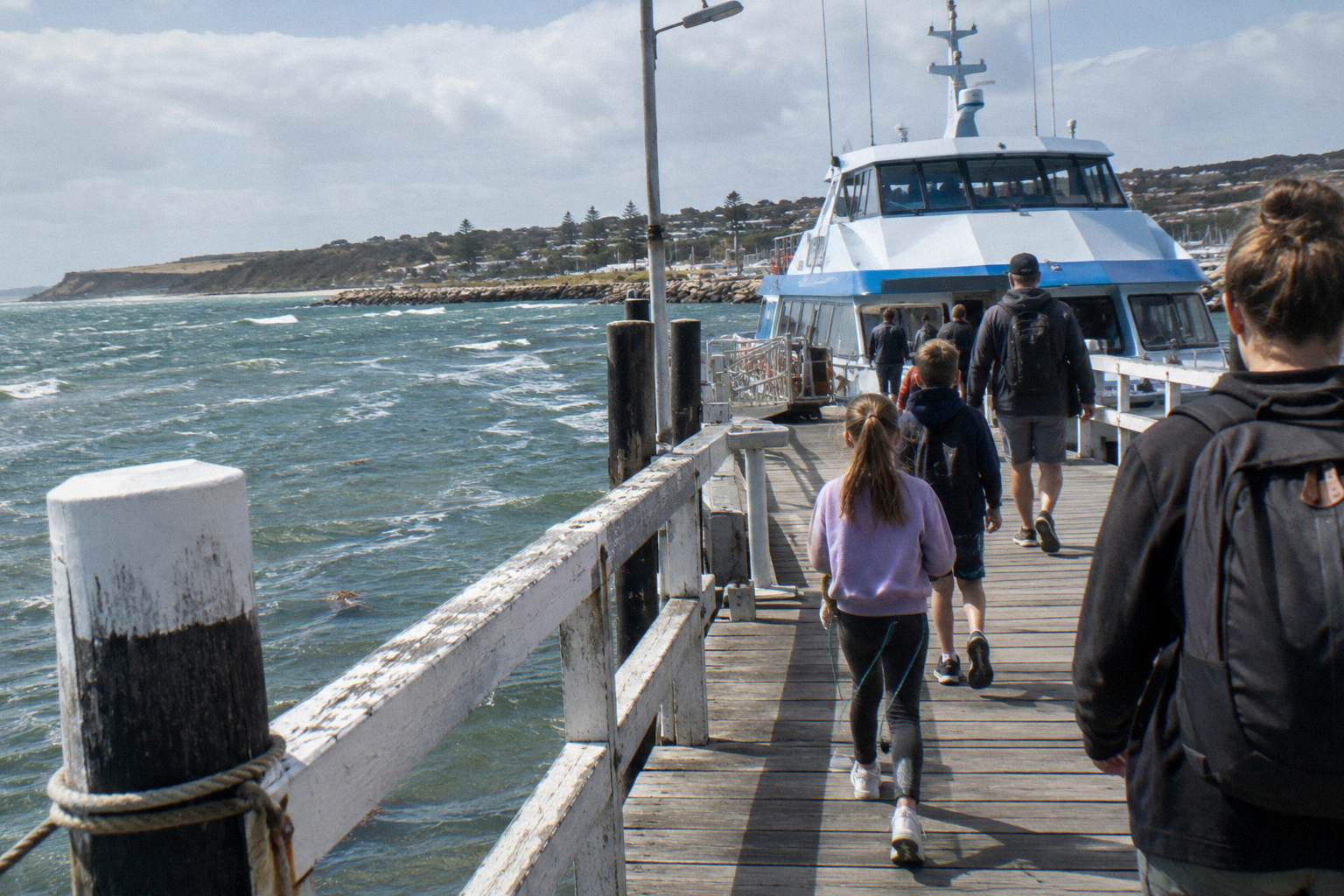
The cruise departs Cowes Jetty daily at 2.00pm all year, and the peak period adds 11.00am and 4.30pm sailings from 26 Dec to 31 Jan. A group deciding between a standard afternoon and a peak extra sailing should check availability on the booking page for the specific date, because the operator's own wording on the extras is "please check availability". Arrival rules bind a group harder than a couple: arrive 30 minutes before departure, boarding opens 15 minutes before, and the cruise departs on time. A late group member is not a refundable problem, since a missed cruise is forfeited, non-transferable and non-refundable under the operator's terms.
The group fare category of 5 or more is the operator's own structure, and the amount for it appears on the booking page rather than in any published summary. The operator says it adds no booking fees or surcharges on its own booking page, which is worth knowing when comparing the total a group pays. For an organiser still weighing formats, three options span the range:
- Penguin Parade Day Tour
- 1-Hour Cape Woolamai Cruise
- 2-Hour Seal Rocks Cruise
- 4-Hour Winter Whale Cruise
- 3-Hour Dolphin And Whale Cruise
- Penguin Parade Plus Seal Cruise Combo
- Twilight Sunset Cruise
- Snorkel With Seals, Meal Included
- 30-Minute Jetboat, Sea Caves
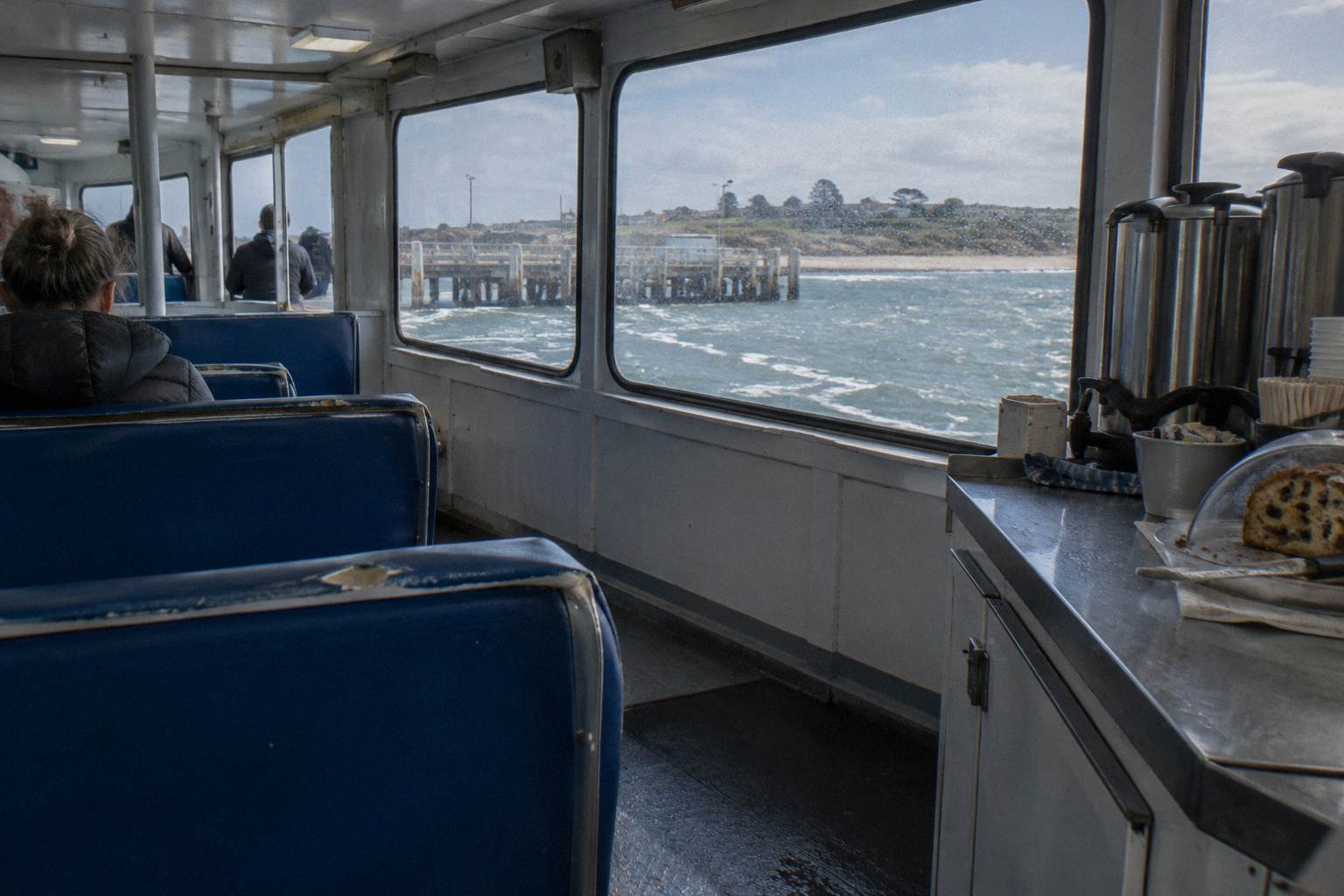
One structural point matters for timing: seating is not designated and inside seating is not guaranteed, so a large group travelling in winter or in wet weather should ask the operator how undercover viewing works for a party of their size, since the boat has undercover viewing and toilets on board but no reserved saloon. The same question applies to prams, which the operator does not address, so ask when booking.
What Should An Organiser Ask The Operator Before Booking A Group?
Before paying, an organiser should ask the operator five things: the group rate for 5 or more on your chosen date, whether your party fits one sailing or needs two, how seating and undercover viewing work for your headcount, whether a charter or private departure is possible, and what happens if the operator cancels for weather or minimum numbers.
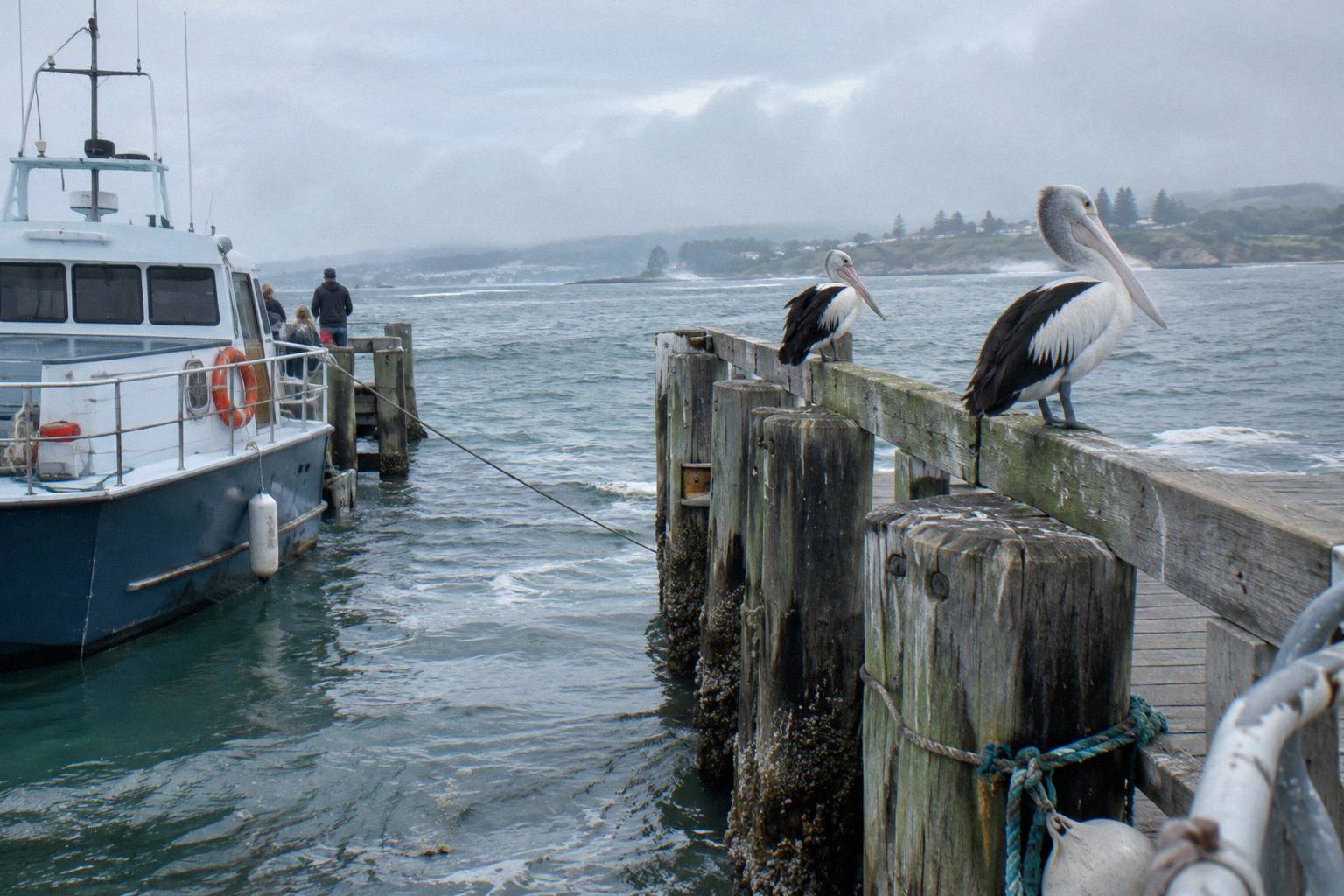
Charters deserve their own line on that list because the published facts do not cover them at all: whether the boat can be hired privately, for what price and on what terms is not published, so ask the operator. The same goes for a group larger than one sailing's capacity, since no maximum passenger figure is published for the vessel. An organiser of a club outing of twenty or more should treat both as open questions raised early, well before deposits or collection deadlines.
| Question to ask | Why it matters for a group | Published answer |
|---|---|---|
| Group amount for 5 or more on your date | Sets the per-head cost of the outing | On the booking page |
| Does the party fit one sailing? | No vessel capacity is published | Ask the operator |
| How do seats and undercover viewing work? | Seating not designated, inside not guaranteed | Ask the operator |
| Is a private charter possible? | Charters not covered by published facts | Ask the operator |
| What if weather or minimum numbers strike? | Operator offers a transfer or full refund | Operator terms |
| Are prams workable on board? | Not addressed by the operator | Ask the operator |
The weather clause deserves emphasis for groups because cruises are "subject to min numbers & weather conditions" under the operator's terms, and a large party booking peak-season dates should know that a reschedule moves the whole group at once, not individual travellers. Staff also advise booked passengers of sea concerns "at least the day prior", which is a useful coordination point for an organiser sending a group message the evening before departure. On the water itself the cruise "travels into open waters and vessel motion may occur at times", as the operator words it, and motion sickness tablets are recommended, so a group organiser should pass that wording on to members who are prone to seasickness rather than deciding for them.
Which Cruise Format Suits A Group Best?
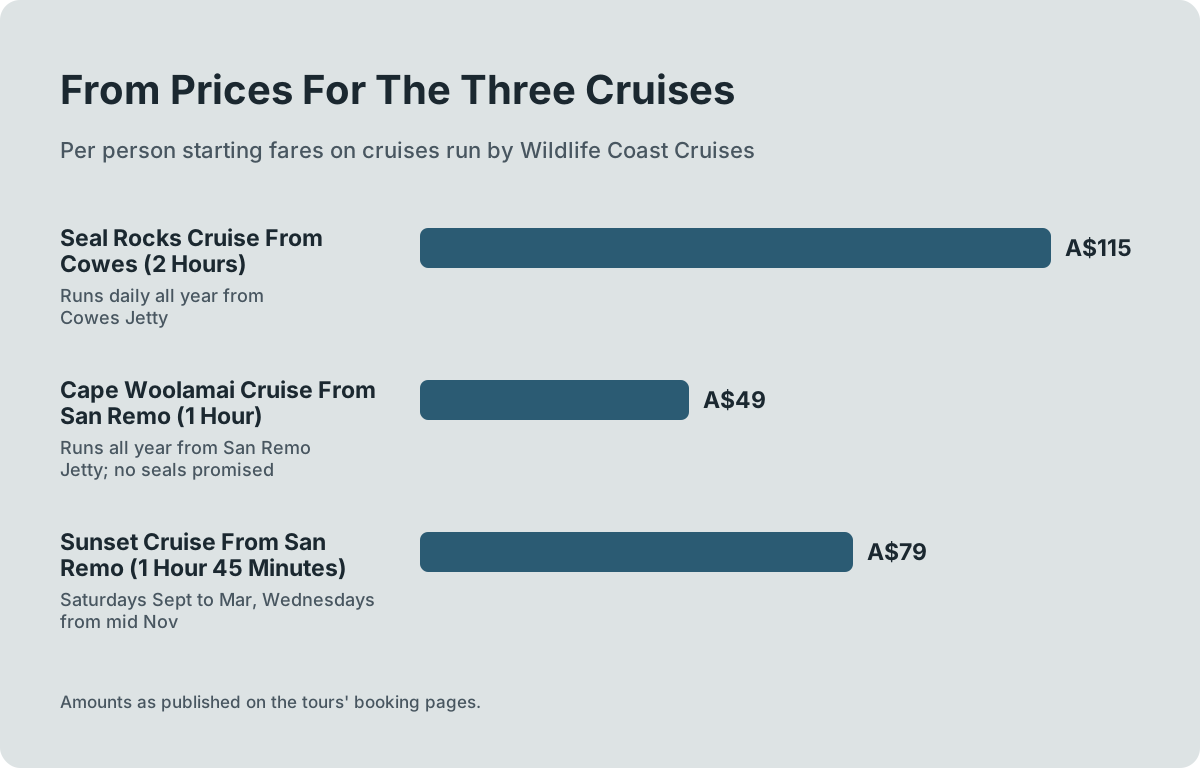
Wildlife Coast Cruises runs five of the covered cruises, and a group comparing them is choosing between outings from one operator, not between rival companies. The comparison that matters most for a mixed group is time on the water against attention spans and budgets. A club with older members may prefer the shorter Cape Woolamai sailing, 1 hour from San Remo Jetty, from A$49 per person, which runs all year past the cliffs of Cape Woolamai and under the Phillip Island bridge, with a pelican feeding at 12 noon on the operator page. A social group aiming for an evening may prefer the Sunset Cruise, 1 hour 45 minutes from San Remo, from A$79 per person, running Saturdays September to March with Wednesdays from mid November, departing an hour before sunset with live music and a licensed bar. Both carry the same 24-hour free cancellation window on their booking pages.
Two cautions belong in any group decision. Seals are not part of the Cape Woolamai cruise or the Sunset Cruise, so a group whose whole point is the seal colony needs the Cowes sailing, and the fuller format trade-offs are laid out in Cape Cruise Or Seal Cruise: Which Wildlife Boat. And the sunset timing suits adults more than young families, a trade-off explored in Sunset Cruise Or Afternoon Seal Cruise.
| Sailing | Duration | Departs | From price | Runs |
|---|---|---|---|---|
| Seal Rocks Cruise From Cowes | 2 hours | Cowes Jetty | From A$115 per person | Daily, all year |
| Cape Woolamai Cruise From San Remo | 1 hour | San Remo Jetty | From A$49 per person | All year |
| Sunset Cruise From San Remo | 1 hour 45 minutes | San Remo Jetty | From A$79 per person | Saturdays Sept to Mar, Wednesdays from mid Nov |
A Melbourne-based group has a further option that removes the driving question entirely. The Melbourne Penguin Parade And Seal Cruise Day Trip is a 13-hour small-group day run by Local Way Tours from Arts Centre Melbourne that includes a 2-hour Wildlife Coast cruise, Penguin Parade entry at sunset and the Nobbies boardwalk, excluding lunch, dinner and Koala Reserve admission; a hop-on bus option exists on the booking page, so an organiser should check which option includes the cruise. Rated 4.8 from 41 reviews on its booking page, it suits a group that wants the cruise without organising cars, though it is a Melbourne departure rather than an island one.
How Do Family Tickets And Child Fares Work For A Group?
A family fare covers 2 adults and 2 children, child tickets apply from age 3 to 15, and infants 0 to 2 travel free, with no minimum age stated by the operator. All children must be supervised by an adult, and the bow deck is restricted to people over 1 metre tall. Prams are not addressed by the operator, so ask when booking if your group includes them.
For an extended-family booking, the arithmetic question is where the family fare stops and the group fare starts: two families of four travelling together are eight people, which crosses the group threshold of 5 or more, and which structure costs less on a given date is visible only on the booking page. The metre rule on the bow deck shapes the experience for smaller children, since the front deck is restricted to persons over 1 metre tall, and the full child-fare picture, including supervision expectations and how the scale differs from the Nature Parks 4 to 15 range, is set out in Taking Kids On A Seal Cruise.
Groups mixing ages should also plan around the 2.00pm departure: a two-hour sailing ending mid-afternoon leaves room in the day, and families often build the rest of the afternoon around it, a sequencing question covered in A Day Built Around A 2pm Seal Cruise. Only accredited assistance dogs are allowed on board, which matters for a group that includes a pet, and BYO alcohol is not permitted, with a licensed bar on board instead.
What Happens If Part Of The Group Cancels?
Customer cancellation of Phillip Island or San Remo departures carries a full refund up to 24 hours before departure; inside 24 hours, or a no-show, the fare is forfeited, non-transferable and non-refundable. If the operator changes or cancels for weather or minimum numbers, a transfer or full refund is offered. Those are the operator's terms, and every covered tour's booking page shows free cancellation up to 24 hours.
For an organiser, that structure means the 24-hour line is the group's real deadline, not the booking date. Collect final headcounts and money early enough that dropping a person is a refund request made more than a day out, not a forfeited fare. A missed cruise is forfeited outright, which pairs badly with the punctuality rule: arrive 30 minutes before departure, boarding opens 15 minutes before, and the cruise departs on time, so a group travelling from a distance in peak season, when the operator says to allow extra travel time, should build that buffer into the meeting point plan. The full refund and reschedule mechanics, including what a weather cancellation looks like in practice, are unpacked in what happens if the seal cruise is cancelled.
The minimum-numbers clause cuts both ways for groups. A booking of 5 or more helps a sailing reach its minimum, but the operator's terms still reserve the right to change or cancel for weather or numbers, with a transfer or full refund offered, so a group holding non-refundable island accommodation around a single sailing date should know the sailing itself carries that condition. Whether advance booking is needed at all is a separate question with no stated requirement, covered in do you need to book a seal cruise in advance.
Timing the final headcount against the rest of the trip is the other lever. Because the free cancellation window stays open until 24 hours before departure, an organiser can book early to lock in places on a peak-season sailing and still trim the numbers later, provided the trim happens outside that window. The risk sits entirely in the final day, when a late dropout or a delayed arrival turns a fare into a forfeit. Building one final confirmation round two or three days out, when changes are still free, is the cheapest insurance available under these terms.
One distinction worth spelling out for the group: the 24-hour rule is not a grace period, it is a hard cutoff. A cancellation made 25 hours out is refunded in full; one made 23 hours out forfeits the fare entirely, with no partial refund and no credit toward another sailing. Because the fare is also non-transferable, an organiser cannot simply hand a dropout's spot to someone else who decides to come along at the last minute; that late addition is a new booking at whatever price and availability exist at that point, not a swap. Explaining this to the group before money is collected prevents arguments later.
The no-show clause deserves the same emphasis. A passenger who intends to travel but arrives after boarding closes is treated the same as one who never turns up: the fare is forfeited. That makes the 30-minute arrival rule part of the money conversation, not just the logistics one. When collecting final payments, an organiser can restate the timeline plainly: be at the meeting point 30 minutes before departure, board when boarding opens 15 minutes out, and expect the cruise to leave on time. Anyone the group is waiting on past that point is spending their own fare, not the group's patience.
Finally, groups should track the two cancellation paths separately. The customer path, cancelling more than 24 hours out, returns the money. The operator path, a change or cancellation for weather or minimum numbers, offers a transfer to another sailing or a full refund, and applies even inside the final day, because it is the operator's decision, not the customer's. A group that booked non-refundable accommodation around a single sailing date should decide in advance which option they would take if the operator cancels, since a transfer preserves the trip only if the group's dates can still work.
Does A Group Need The Seal Cruise, Or Would Another Format Do?
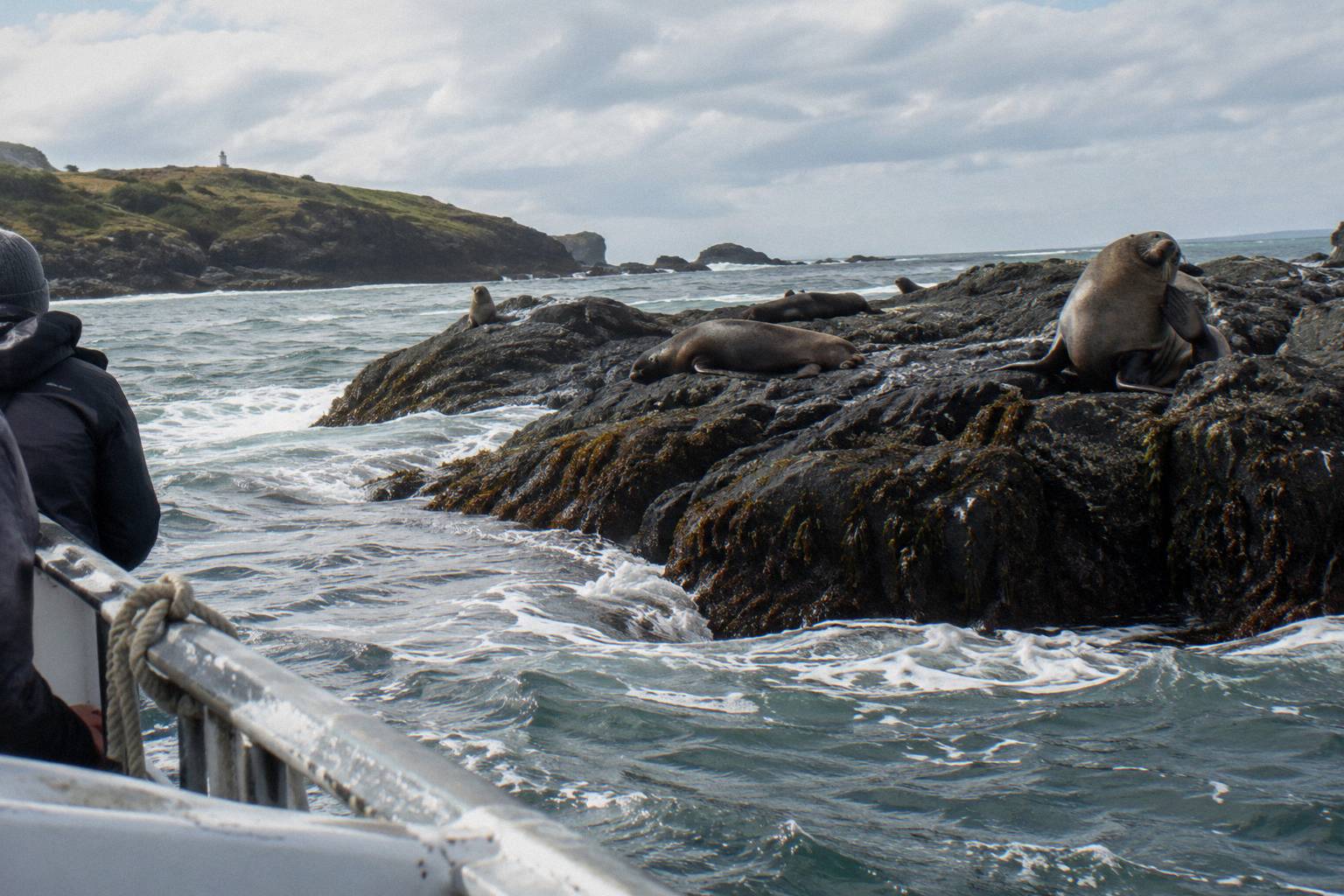
If the group's purpose is the seal colony, the Cowes sailing is the one that goes there: Seal Rocks sits about 2 km off the island's southwest coast, the operator's figure, and the operator describes the boat drifting "within meters of the seals" with an average of 5000+ seals sighted up close across cruises. The jetboat and the whale cruises are different products with different rules, so match the format to the group before comparing anything else.
Two adjacent products trip up group organisers. The jetboat from San Remo is a 30-minute Thundercat ride to the Cape Woolamai sea caves and Bird Rock with a minimum age of 5 and a 120 kg per person limit, and it does not go to Seal Rocks; seals are not guaranteed on it. The whale cruises run only in winter, early June to early August, from Rhyll and San Remo, and the Seal Rocks cruise itself runs all year and is not a whale cruise. A group of friends wanting a fast thrill has a genuine option in the jetboat, price on the booking page, and a winter group can read the whale trade-offs in can you see whales on a seal cruise. For the full spread of seal-viewing formats, including why the Cowes sailing is the boat product among them, see which Phillip Island tour is best for seeing seals.
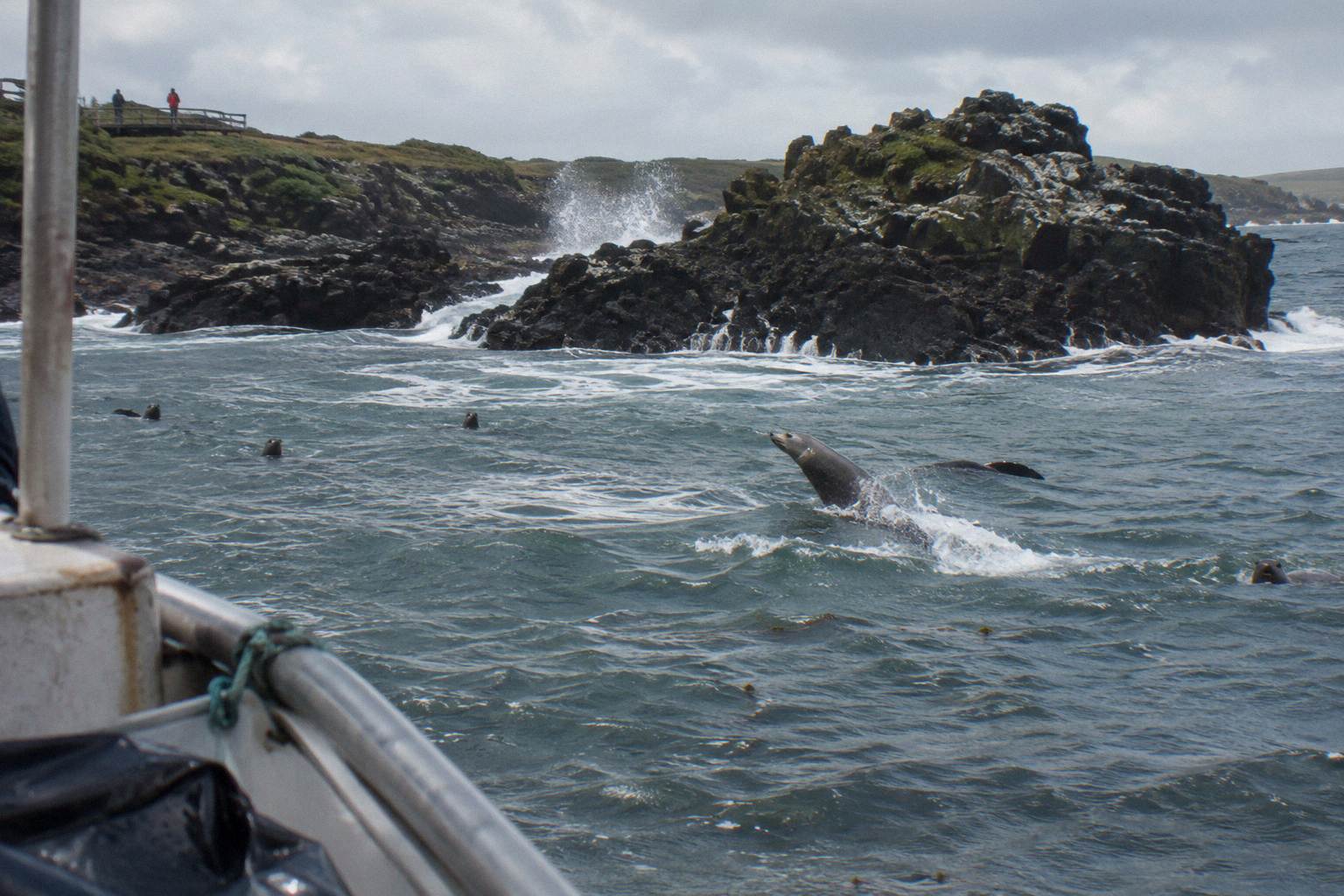
The approach rules are worth a line for any group that includes boat owners inspired by the cruise. Victorian rules state that boats must not approach within 60 metres of the low water mark at Seal Rocks, and licensed tour operators are permitted to approach closer under their permit conditions, distances set out by the state wildlife authority. It is also illegal to touch or feed a seal, and no Phillip Island operator sells swimming with the seals, so a group tempted to extend the day into the water should not.
For group organisers, the practical takeaway from these distinctions is to sort the group's priority before looking at price. A group whose members specifically want to see seals in numbers should be pointed at the Cowes sailing, because it is the only one of the three products that travels to the colony itself. The jetboat suits a group that wants speed and short duration over wildlife, and its 30-minute running time and minimum age of 5 make it a different proposition for families with young children than the seal cruise. A winter group, meanwhile, has the extra whale option to weigh, but should not assume the Seal Rocks cruise doubles as a whale cruise, because it does not.
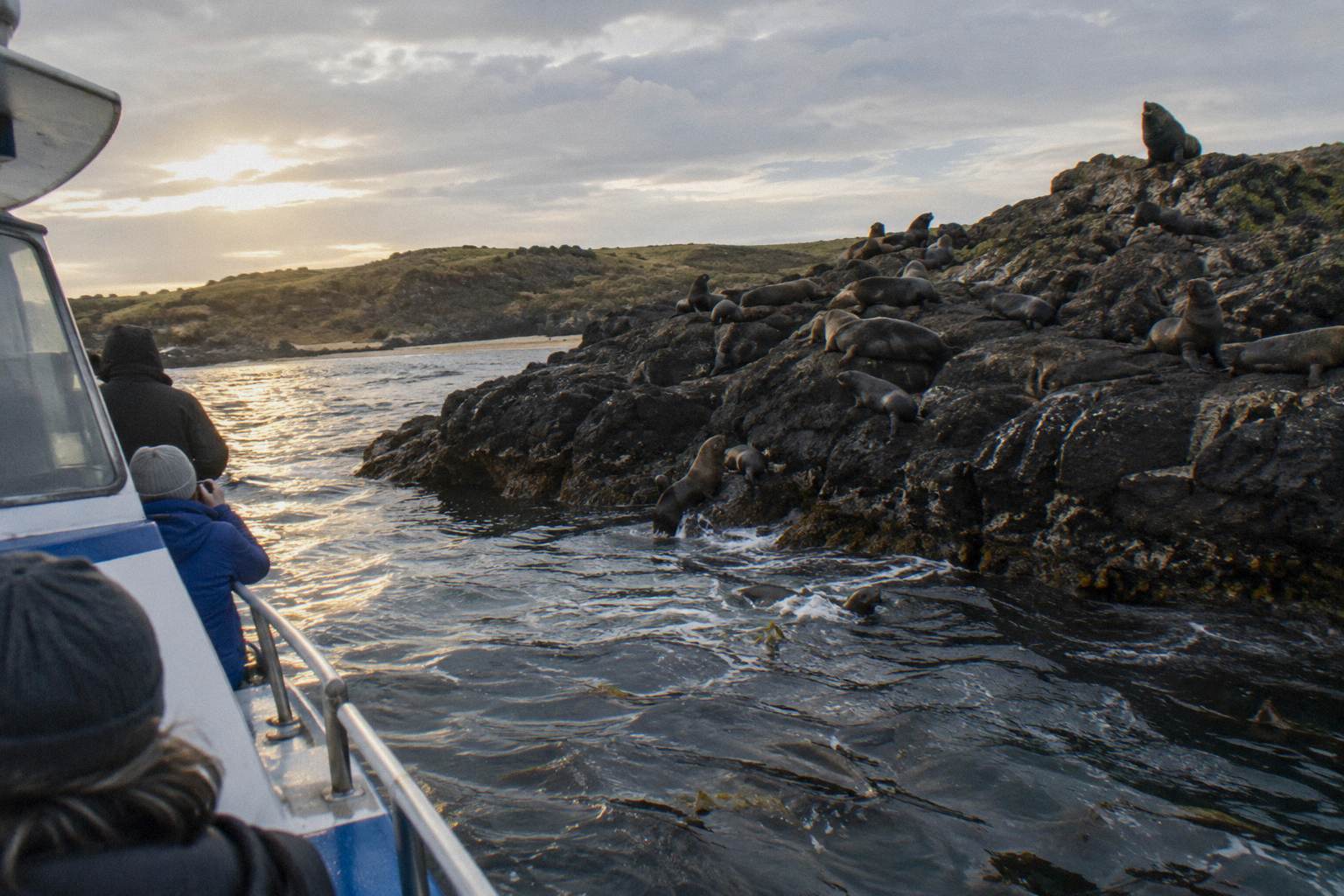
The all-year availability of the Seal Rocks cruise also matters for planning, since a group can book it outside the early June to early August whale window without worrying about a seasonal closure. And for any group member who arrives with their own boat or asks about getting closer than the cruise does, the permit system is the answer: the closer approaches described on the seal cruise are available to the operator under license, not to private vessels, which is one reason a group outing on the licensed boat is the simpler path to a close view.
Mistakes Group Organisers Make On Cruise Day
The avoidable errors are almost all clock and category errors: treating the departure time as approximate, ignoring the 30-minute arrival window, assuming a group shares one fare type, expecting guaranteed inside seating, planning a BYO bus-trip culture on a licensed boat, and forgetting that peak-season roads add travel time. The operator states each of these rules plainly, and every one of them lands harder on a party of eight than on a pair.
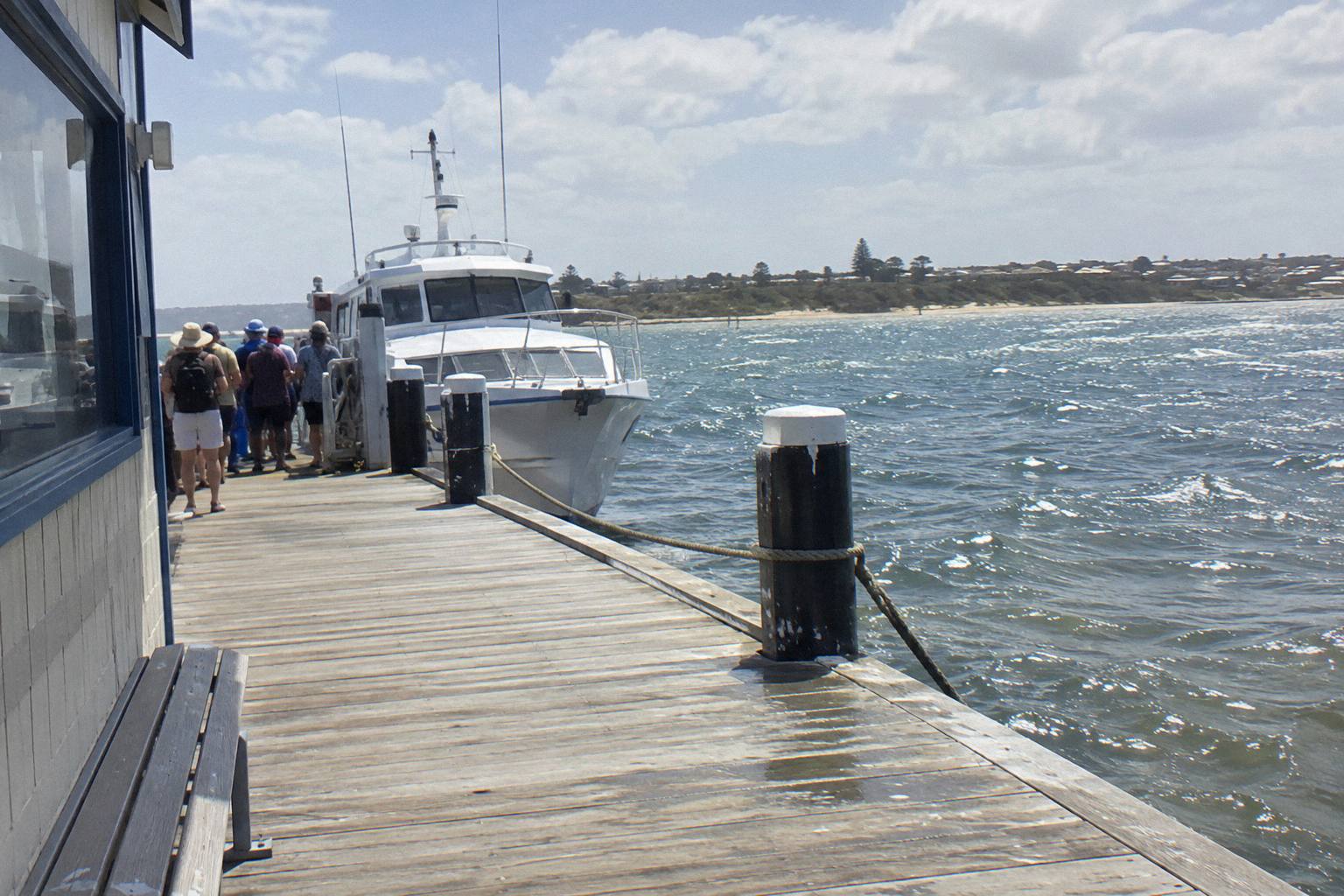
The recurring ones, each from the operator's stated rules: the cruise departs on time and a missed sailing is forfeited, so a late group member costs that member their fare. Arriving 30 minutes before matters for a group because ticketing and boarding for a party takes longer than for two. The bow deck's 1 metre rule surprises families with toddlers who had planned the front of the boat. Weather and minimum numbers can change or cancel a sailing, with a transfer or full refund offered, so an inflexible group itinerary carries that risk. The sea can produce swell in open water and the operator recommends motion sickness tablets, a fact worth circulating to every member, not just the ones who mention it. And BYO alcohol is not permitted while a licensed bar operates on board, which reshapes the usual group celebration plan.
For the full set of seal and wildlife cruises from Cowes, San Remo and Rhyll, Phillip Island Seal Cruises lists them with fares and departure points, which is the quickest way to put the three group-friendly formats side by side before the headcount conversation starts. If the seals are the point, check availability on the Seal Rocks Cruise From Cowes for your date, or go straight to the live listing: Check availability.
Common Questions About Group Seal Cruise Bookings
Is There A Group Discount On The Seal Cruise?
A group fare category for 5 or more travellers exists on the operator's fare scale, and the amount sits on the booking page. No group rate is published outside it, so ask the operator for your date and headcount.
How Many People Count As A Group?
The operator's group fare category starts at 5 or more travellers. The family fare is separate and covers 2 adults and 2 children, so two families travelling together already cross the group threshold.
Can A Group Cancel If Numbers Drop?
Customer cancellation of Phillip Island or San Remo departures carries a full refund up to 24 hours before departure; inside 24 hours, or a no-show, the fare is forfeited. Collect final numbers with that deadline in mind.
Can The Boat Be Chartered Privately For An Event?
Charters are not covered by the published facts, so ask the operator. Whether a private departure is possible, and on what terms, has no published answer.
Do Children Count Toward The Group Of Five Or More?
Child tickets apply from age 3 to 15 and infants 0 to 2 travel free, so the fare scale mixes ages within one booking. Whether infants count toward a group headcount is a question for the operator when you book.
Does The Group Need To Arrive Together?
The operator asks all passengers to arrive 30 minutes before departure, with boarding 15 minutes before, and the cruise departs on time. A group should pick a meeting point that gets everyone to Cowes Jetty inside that window.