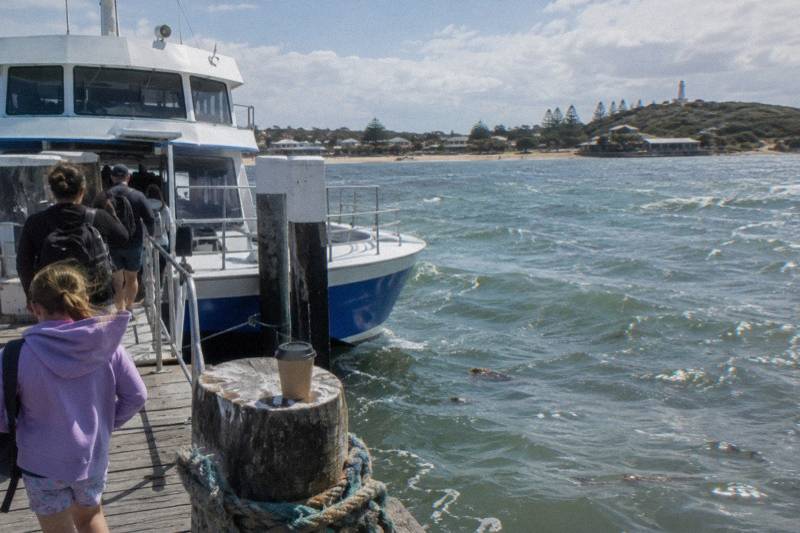
Are There Sharks Around Seal Rocks, And Is The Seal Boat Safe?
No shark statistics are published for Seal Rocks. What is on record: the Seal Rocks cruise travels into open waters, vessel motion may occur, the operator may cancel for weather, and the jetboat includes life jackets and a safety briefing, from A$115 per person.
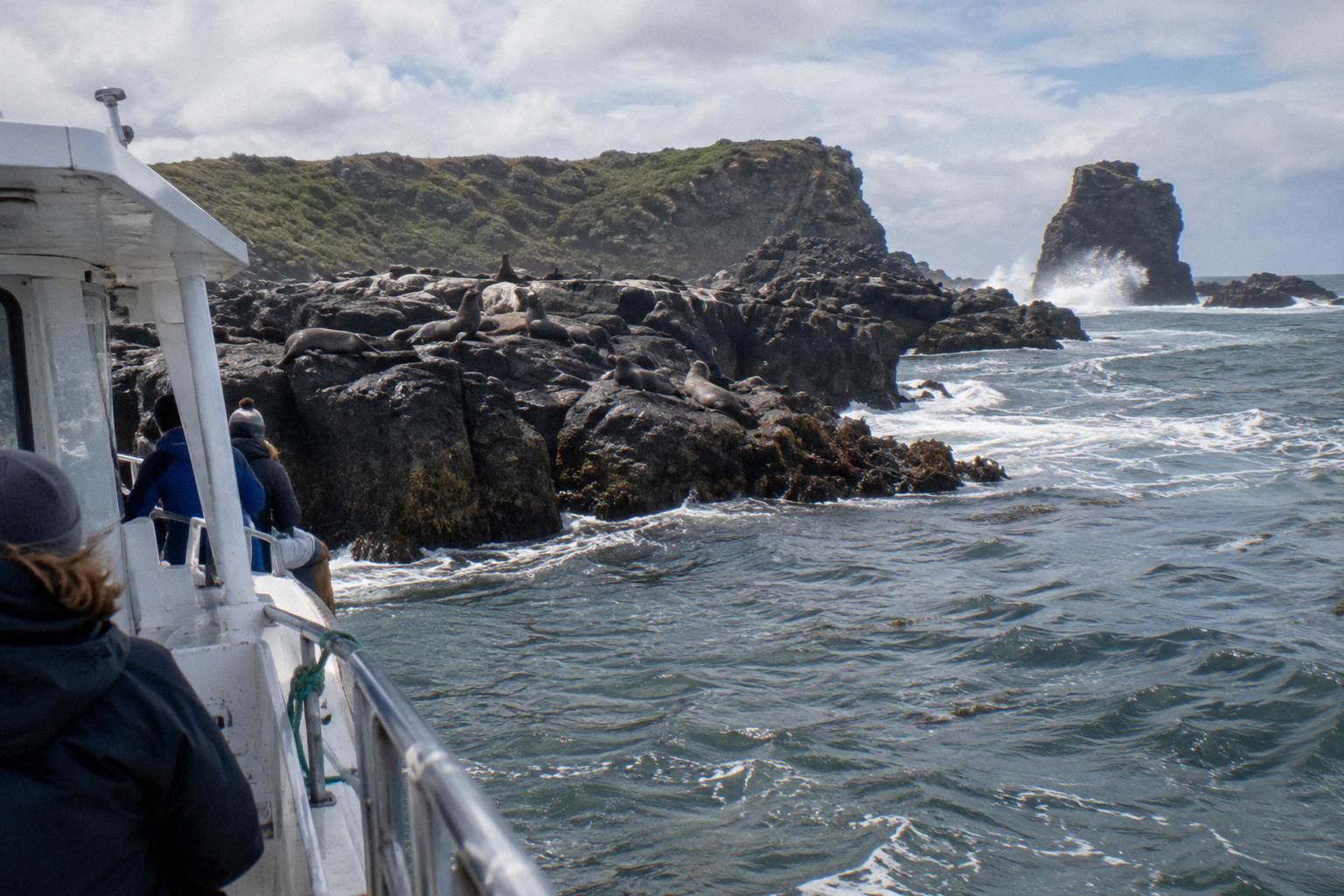
No published shark statistics or incident records exist for Seal Rocks, so any confident claim about shark presence or risk there would be invented. What is on record is that Wildlife Coast Cruises says the tour "travels into open waters and vessel motion may occur", the jetboat includes life jackets and a safety briefing, and covered cruises can be changed or cancelled for weather or minimum numbers, with a transfer or full refund offered.
The starting point for a worried reader is knowing exactly where the published record stops. The operator's own pages, the booking pages and the Victorian wildlife department pages say nothing about sharks at Seal Rocks. The operator does not publish shark information, so ask when you book if it weighs on your decision. Anything else you read online about shark behaviour near seal colonies is general knowledge, not a fact about these cruises, and no page here will dress it up as one.
What can be answered is the second half of the question: is the boat safe in the sense the operators themselves describe? There the record is real. Wildlife Coast Cruises, which runs five of the seven core boat tours from Cowes, San Remo and Rhyll, publishes its conditions plainly: open water, possible vessel motion, a recommendation to take motion sickness tablets, and a cancellation policy built around weather and minimum numbers. Ocean Adventures, which runs the 30-minute Thundercat jetboat from San Remo, lists life jackets, a safety briefing and set physical limits. The Seal Rocks Cruise From Cowes, 2 hours from Cowes Jetty, from A$115 per person in Australian dollars, is the cruise most readers asking the shark question are weighing up, and its stated rules are covered in full below.
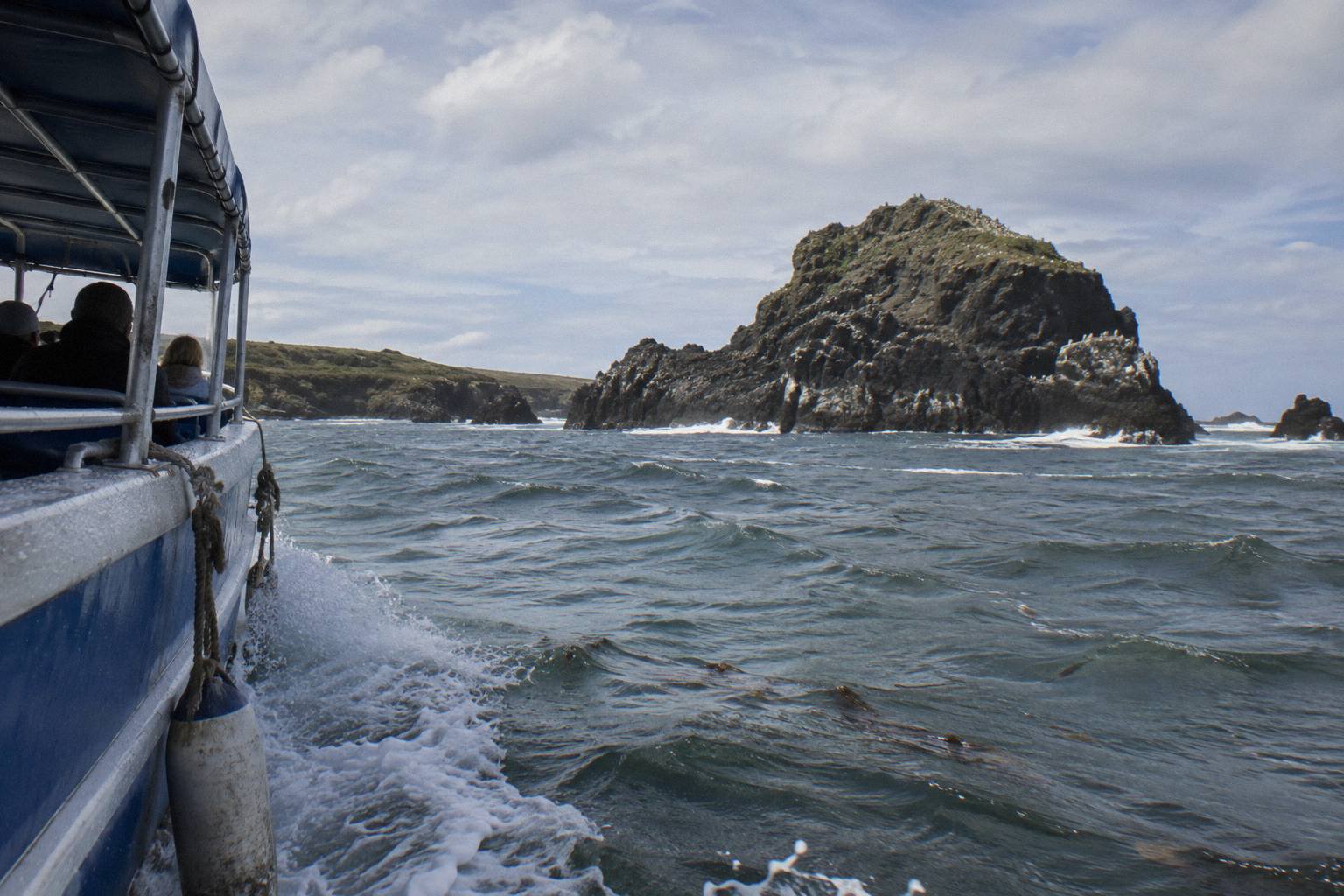
If the underlying worry is being in the water with seals, the answer is simpler still: nobody on these cruises gets in the water. The seal cruise is a boat product. Swimming with seals is not sold by any Phillip Island operator, and the one seal swim product among the tours covered here, the Sorrento Seal And Sea Dragon Snorkel, runs from Sorrento Pier on the Mornington Peninsula, not at Phillip Island. For the question of whether that kind of swim is offered around the island at all, the piece on whether you can swim with seals at Phillip Island covers the rules and the geography.
Before the detail, here are the three boat options a safety-minded reader is most often choosing between.
What The Operator Says About Open Water And Vessel Motion
Wildlife Coast Cruises says the Seal Rocks tour "travels into open waters and vessel motion may occur at times," recommending motion sickness tablets; it calls bay cruises "generally calm" but warns of "some swell and rough sea's at times" on many trips, advises booked passengers of sea concerns "at least the day prior," and notes routes can vary with weather. No sea-state numbers are published for Seal Rocks.
Those sentences do a lot of work, and they deserve to be read carefully rather than skimmed. The operator is not describing a sheltered bay tour. Seal Rocks sits about 2 km, the operator's figure, off the rugged southwest coast of Phillip Island, which means the boat crosses open water to reach it. The company's own frequently asked questions page carries the vessel motion wording quoted above, and it pairs that wording with practical advice rather than reassurance: motion sickness tablets are recommended, not merely permitted. A reader who is prone to seasickness can get the full decision framework in the guide to seasickness on a seal boat tour.
Two follow-on rules matter just as much. First, the operator says its staff advise booked passengers of sea concerns "at least the day prior", which means contact details given at booking are worth checking. Second, cruises are "subject to min numbers & weather conditions": the operator may change or cancel a sailing and "a transfer or full refund will be offered" under its published terms and conditions. A worried reader can take real comfort here, because the cancellation logic runs towards caution, not towards sailing in poor conditions to keep a booking.
What the operator does not do is quantify the sea. There are no wave-height figures, no rough-day percentages and no season-by-sea-state chart for Seal Rocks, and none should be invented. The nearest published numbers are Bureau of Meteorology station averages for Rhyll, on the north side of the island on Western Port, which is a different body of water entirely and cannot be converted into a prediction for the southwest coast. The practical translation is straightforward: the boat is designed for the conditions it sails in, the crew sails them daily all year, and the reader's own preparation is limited to the stated items, motion sickness tablets, sensible clothing, and reading the what to wear on a seal cruise guide before departure day.
The Stated Safety Rules On Each Boat Trip
Each boat trip publishes its own rules, and they differ. The seal cruise and the Cape Woolamai cruise both restrict the bow deck to people over 1 metre tall, require adult supervision of children and are not wheelchair accessible. The jetboat states a minimum age of 5, a maximum of 120 kg per person and 300 kg per boat, and includes life jackets and a safety briefing. The sunset cruise lists no specific restrictions: ask the operator.
The table below holds only what the booking pages and operator pages state. Where a cell has no published fact, it says ask the operator, because a blank presented as a "no" would be an invented claim.
| Boat trip | Operator | Duration | Bow or front deck rule | Life jackets and briefing | Other stated limits |
|---|---|---|---|---|---|
| Seal Rocks Cruise From Cowes | Wildlife Coast Cruises | 2 hours | Restricted to people over 1 metre tall | Ask the operator | Not wheelchair accessible, children supervised by an adult, toilets on board, undercover viewing |
| Cape Woolamai Cruise From San Remo | Wildlife Coast Cruises | 1 hour | Front deck restricted to people over 1 metre tall | Ask the operator | Not wheelchair accessible, children supervised by an adult, may change or cancel for weather or minimum numbers |
| Jetboat Seal Sighting And Sea Caves | Ocean Adventures | 30 minutes | Ask the operator | Life jackets and safety briefing included | Minimum age 5, maximum 120 kg per person and 300 kg per boat, ride intensity customised to the group |
| Sunset Cruise From San Remo | Wildlife Coast Cruises | 1 hour 45 minutes | Ask the operator | Ask the operator | Licensed bar, live music, promises no seals |
Notice what this table quietly establishes: the two big cruise boats and the Thundercat jetboat are different products with different rulebooks, run by different operators. Wildlife Coast Cruises operates the Cowes seal cruise, the Cape Woolamai cruise, the two winter whale and dolphin cruises and the sunset cruise, five outings from one company with different boats, routes and jetties, not five rivals. Ocean Adventures runs the jetboat alone, and its product is the most rule-dense of the three: the weight and age limits are hard conditions, not suggestions, and staff escort guests from the San Remo car park to the boat.
The jetboat also states plainly that wildlife including seals is not guaranteed, and it does not go to Seal Rocks at all; its route runs to the Cape Woolamai sea caves and Bird Rock. A reader choosing the jetboat purely for a closer seal encounter has misread the product. The choice between the two Wildlife Coast Cruises outings, the one-hour Cape cruise and the two-hour Seal Rocks cruise, is covered properly in the comparison of the cape cruise versus the seal cruise, which frames both as outings from the same operator rather than a contest between companies.
What The Victorian Rules Say About Boats Near Seals
The Victorian wildlife department states that boats must not approach within 60 metres of the low water mark at Seal Rocks, and that licensed tour operators are permitted to approach closer, subject to a range of other operating conditions. The same pages note the colony's seals are accustomed to humans and can be approached reasonably closely by boats. Touching or feeding a seal is illegal anywhere.
These rules answer a different fear from sharks, but it is usually the same reader: the worry that the boat itself does something risky or intrusive to get close to the animals. The published rules say otherwise. The distances around Seal Rocks are set by the Victorian government, and the cruise operators work inside them under permit conditions that the wildlife department summarises on its protected areas page. A reader does not need to know how close the boat ends up standing off the rocks; the regulator does that supervising, and the operator's own wording is simply that the boat drifts "within meters of the seals".
The conduct rules extend to passengers in ways worth knowing before boarding. It is illegal to touch or feed a seal, drones and underwater GoPros on poles are not allowed on the cruises, and only accredited assistance dogs may board. The department's guidance on water safety around marine mammals also sets boat distances from dolphins and whales, with speed limits in caution zones, all of which the skippers handle. The passenger's job is narrower: stay seated where directed, supervise children, keep hands and objects inside the vessel, and leave the animals their space. The question of whether you can feed or touch the seals from the boat is answered by these same rules, and the answer is a firm no.
None of this says anything about sharks, and that is deliberate. The wildlife pages regulate how people behave around marine mammals; they do not publish predator risk assessments, and the operator pages are silent too. A reader who wants a direct answer about sharks at Seal Rocks has one route: ask the operator when booking. The crew sail those waters daily all year and can speak from their own operating experience, which is worth more than any number invented to fill the gap.
Which Boat Suits A Nervous First Timer Or A Worried Family
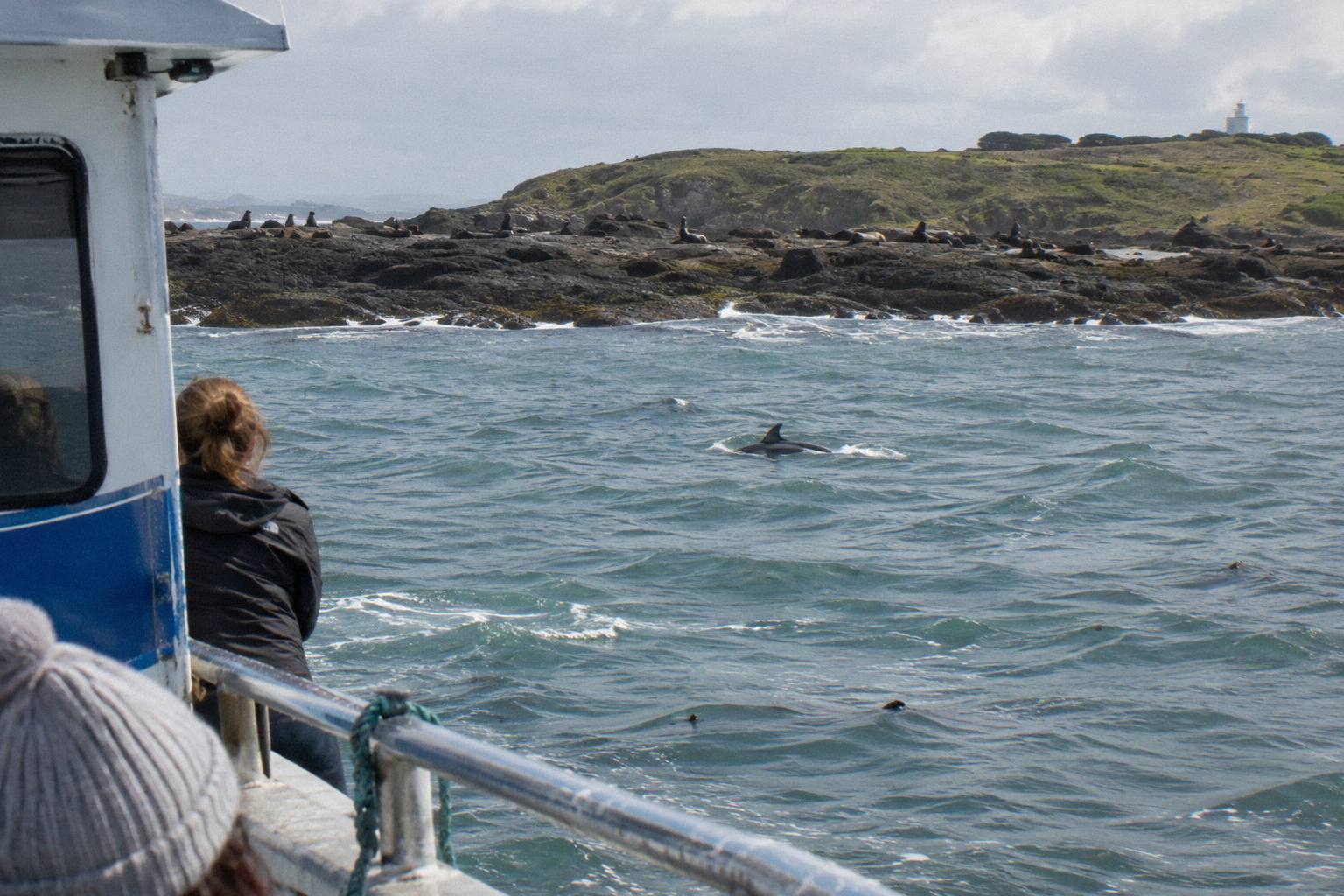
For a nervous first timer, the Cape Woolamai Cruise From San Remo is the shortest commitment at 1 hour, from A$49 per person, and the operator describes bay cruises as "generally calm". The Seal Rocks cruise is the only one of the three that reaches the seals, at 2 hours in open water. The jetboat suits readers who want motion rather than calm, from age 5, with hard weight limits.
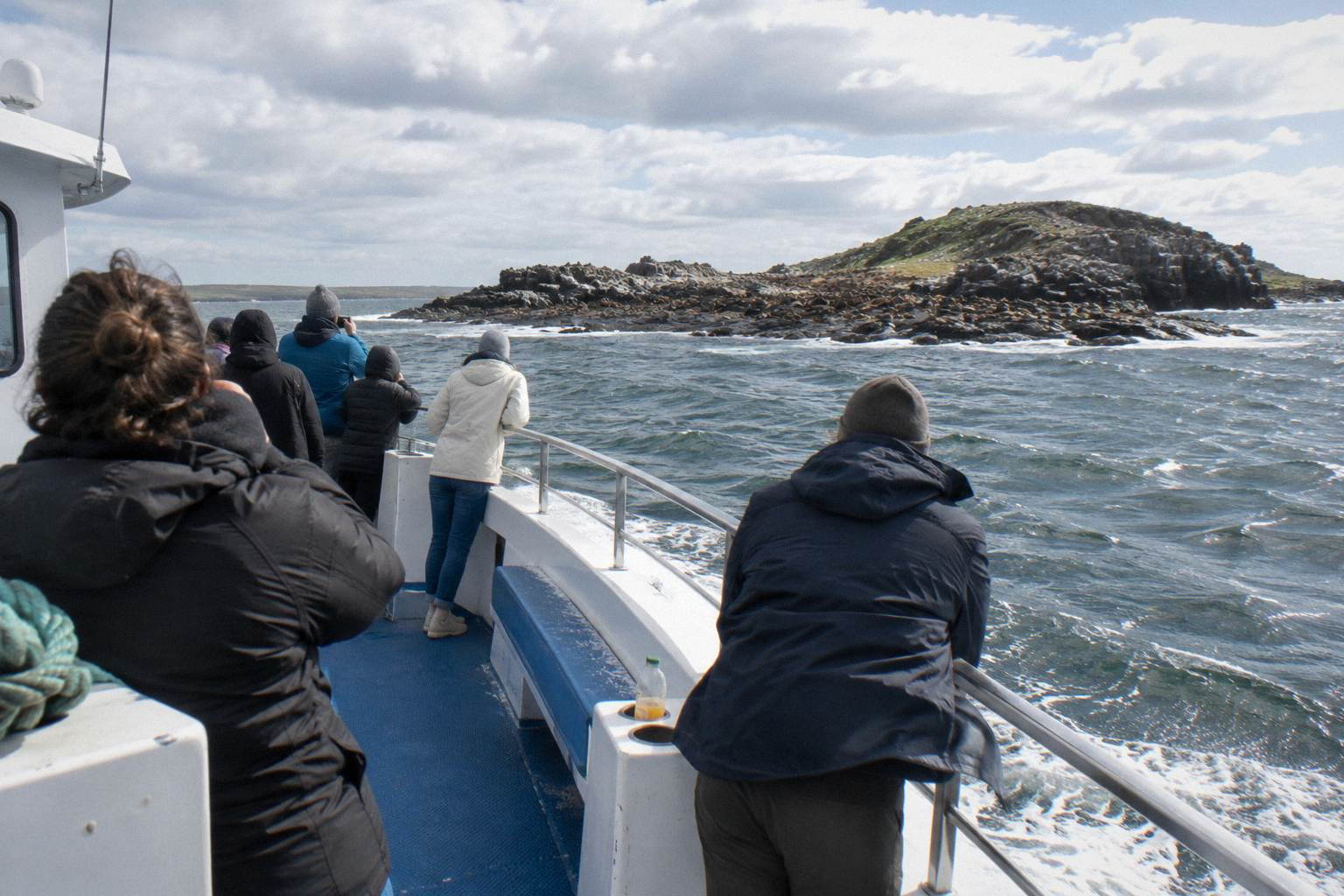
Decision logic works better than reassurance here, so run it by traveller type. A nervous adult with no children should weigh the one-hour Cape cruise as a first boat experience: it stays on the bay side, includes tea or coffee and cake, and carries the same free cancellation up to 24 hours on the booking page as every other covered tour. If the point of the day is the seals, though, the Cape cruise will not deliver them, because seals are not part of that route. The two-hour Seal Rocks cruise is the boat that goes to the colony, and its open-water wording is the trade-off: the very thing that makes it the real seal trip is the thing a nervous reader must be ready for.
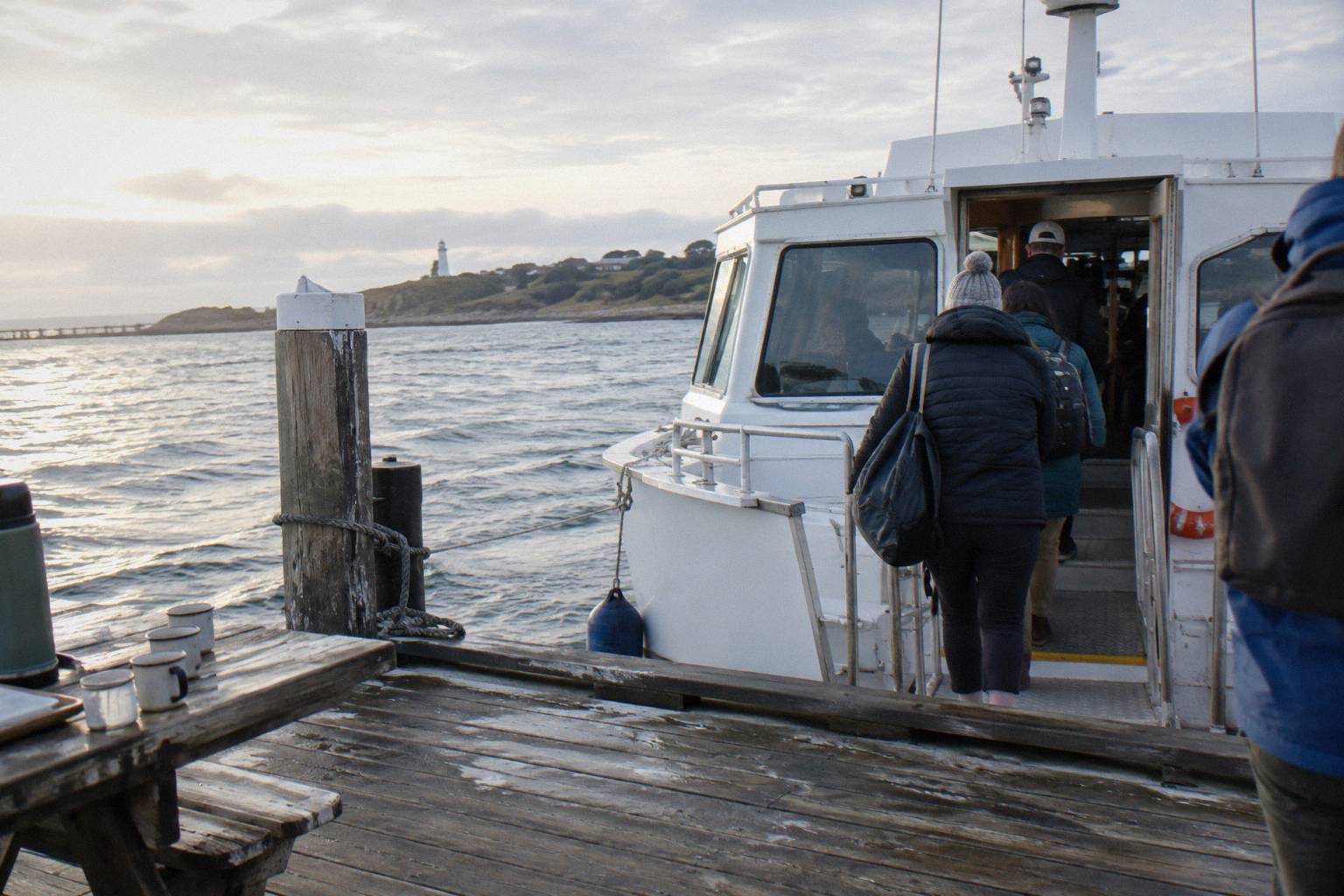
A family with young children gets useful stated rules. Child tickets run from age 3 to 15, infants 0 to 2 travel free, no minimum age is stated by the operator, all children must be supervised by an adult, and the bow deck is restricted to people over 1 metre tall. Undercover viewing and toilets exist on board, which matters more than any statistic on a two-hour sailing with a toddler. Prams are not addressed by the operator, so ask when booking. The full framework is in the guide to taking kids on a seal cruise.
A group of friends splitting by appetite should read the jetboat's numbers closely: 30 minutes, minimum age 5, maximum 120 kg per person and 300 kg per boat, ride intensity customised to the group. That is a product where the stated limits do the deciding, and anyone outside them simply cannot board. Someone prone to seasickness belongs on the largest covered vessel rather than a Thundercat, with the operator's own tablet advice followed, and should read the seasickness on a seal boat tour notes before choosing a date. A visitor without a car should note that all three of these trips depart from island jetties at Cowes or San Remo, and the operator offers no Melbourne pickup, so the planning starts with the guide to getting to Cowes for a seal cruise from Melbourne.
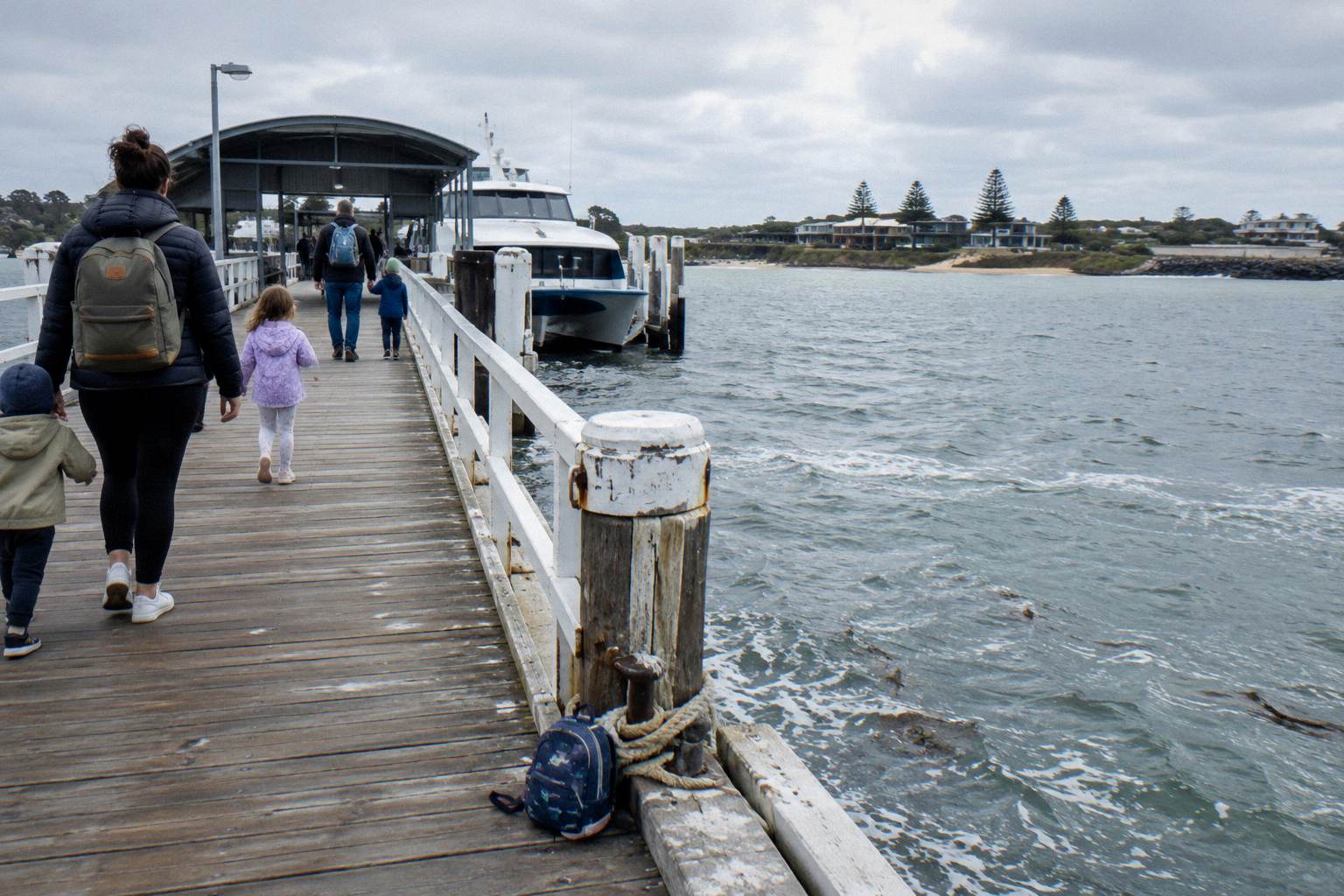
Weather, Cancellation And The 24 Hour Rule
Every covered cruise may be changed or cancelled for weather or minimum numbers, and the operator then offers a transfer or a full refund. Customer cancellation is free up to 24 hours before departure; inside 24 hours, or a no-show, the fare is forfeited. A missed cruise is non-transferable and non-refundable, and the boat departs on time.
This is where a worried reader's safety question turns practical. The operator's terms are built so that nobody is pushed out onto a rough sea to protect a booking: if conditions or numbers fail, the sailing changes and the money comes back or moves to another date. The mirror side is strict, so treat the clock seriously. Arrive 30 minutes before departure, boarding closes 15 minutes before, and the cruise departs on time. A late arrival forfeits the fare with no transfer, which is the single most avoidable loss on the whole day, and the steps, ticketing office and timing at the Cowes departure point are laid out in the guide to Cowes Jetty on cruise day.
Rain raises its own version of the worry, and the answer lives in the same terms rather than in any weather statistic: rain itself is not a stated cancellation trigger, weather and minimum numbers are, and the operator decides. The post on where seals go when it rains and whether rain cancels the cruise works through that logic in full, and the companion piece on what happens if the seal cruise is cancelled covers the refund mechanics. Neither page can promise a sailing on any given day, because no sailing is promised; that is exactly what "subject to min numbers & weather conditions" means.
For the full set of seal and wildlife cruises from Cowes, San Remo and Rhyll, Phillip Island Seal Cruises lists them with fares and departure points.
What To Ask The Operator Before You Book
Five questions cover the gaps. Ask about sharks and sea conditions directly, since the operator publishes no shark information. Ask about prams if one is needed. Ask whether the bow deck will be open on your date. Ask what the crew advises for a passenger prone to motion sickness. Ask how you will be contacted if conditions raise concern the day prior.
Building a checklist from stated rules only keeps it grounded, so here is what the published record supports, phrased as questions with the reason each one matters.
| Question to ask | Why it matters | Where the gap sits |
|---|---|---|
| "Is there anything you tell passengers about sharks at Seal Rocks?" | No shark information appears in the operator's published material | Ask the operator |
| "What is the sea looking like around my date?" | Staff advise booked passengers of sea concerns at least the day prior | Ask the operator |
| "Can a pram come on board?" | Prams are not addressed in the published rules | Ask the operator |
| "Will the bow deck be open?" | Bow access is restricted to people over 1 metre tall and conditions can vary | Ask the operator |
| "Which fare category fits a 16 year old?" | Child tickets run 3 to 15 and adult fares start above that | Booking page shows the amount for your date |
| "How will you contact me if the sailing changes?" | Changes for weather or minimum numbers carry a transfer or full refund | Contact details given at booking |
None of these questions is awkward, and all of them get better answers before money changes hands than after. The operator runs the Cowes seal sailing daily at 2.00pm all year, with extra peak sailings at 11.00am and 4.30pm from 26 December to 31 January on a check-availability basis, so a reader with flexibility can shift a booking rather than cancel it. Free cancellation up to 24 hours applies on the booking page, and the operator says it adds no booking fees or surcharges on its own booking page.
One caution on tone: the answers you get about sharks or conditions will be the crew's own operating experience, not a published statistic, and it is fair to treat them that way. A reader who asks, listens, and still feels uneasy can take the one-hour Cape cruise first and decide about the two-hour open-water trip afterwards. The guide to whether you need to book a seal cruise in advance helps with timing that two-step plan.
Common Mistakes People Make Around A Seal Boat Trip
The mistakes that cost people a seal boat trip are almost all about timing and rules rather than the wildlife itself: sailings depart on time with no refund for missed boats, so the stated buffer is arriving 30 minutes early, and strict limits apply, including no children under 1 metre on the bow deck, jetboat ages from 5 and a 120 kg cap, plus weather and minimum numbers that can change or cancel a sailing.
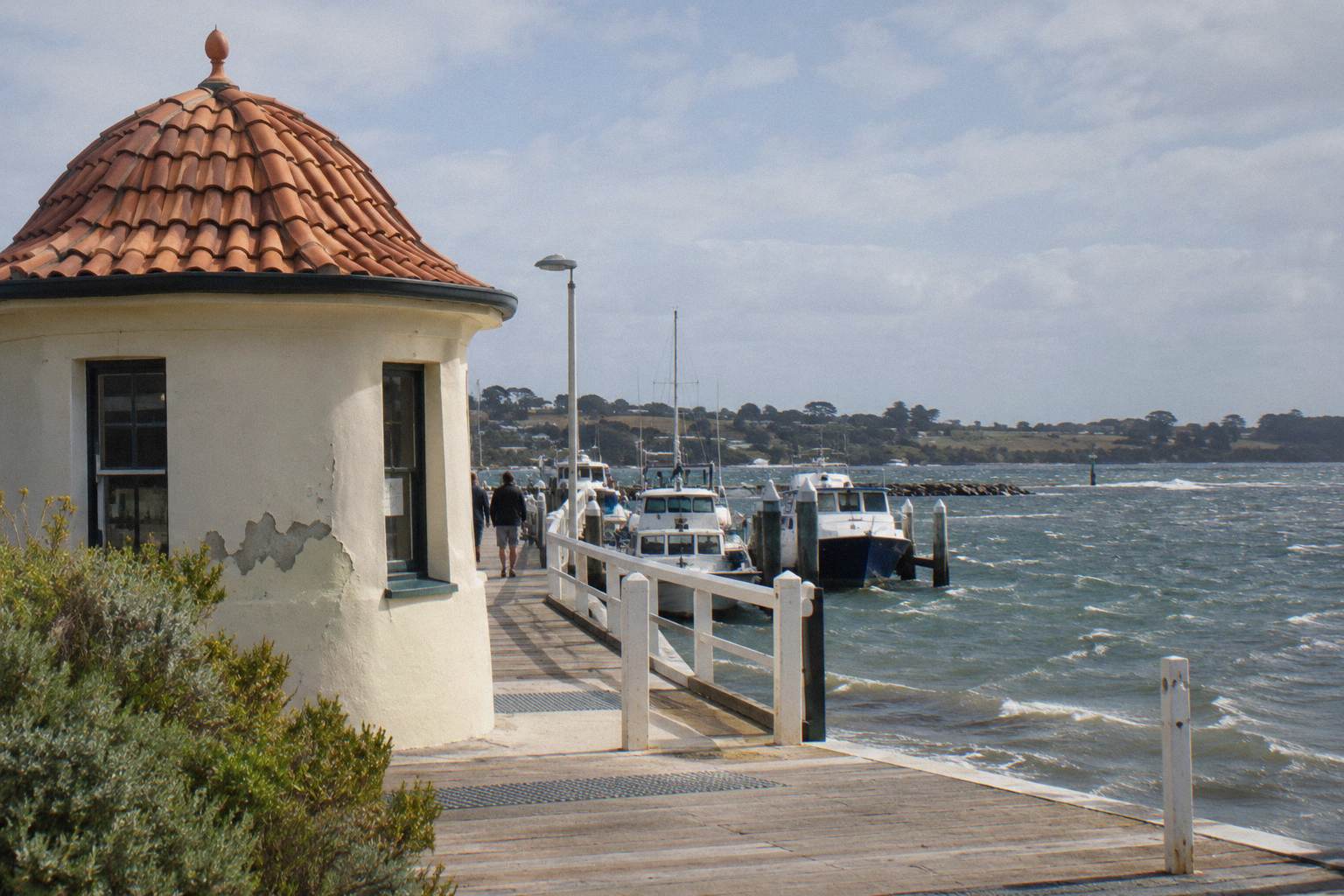
Each of those mistakes comes from a stated rule, so each has a stated fix. Arriving 30 minutes before departure, with boarding 15 minutes before, removes the forfeit risk entirely, and the ticketing office at Cowes is the white domed roof building with boarding at the end of the jetty, so the walking route is short once you are there. The bow deck height rule is easier to apply before the day than at the gangway: measure at home, and plan the undercover viewing area as the base for anyone under 1 metre. For the jetboat, the 120 kg per person and 300 kg per boat limits and the age 5 minimum should be checked against the whole group before booking, because staff cannot waive them at the jetty.
The seasonal mistakes are just as concrete. A reader who books the sunset cruise expecting seals has bought the wrong product: the booking page promises live music, a licensed bar and a fruit and nibbles platter, and no seals. A reader who wants whales needs the winter products, the 4-hour Winter Whale Watching Cruise From Rhyll from A$179 per person or the 3-hour Dolphin And Whale Cruise From San Remo from A$135 per person, both running early June to early August on the operator's dates, with the operator's wording for whales being "Expected 80-85% - not guaranteed". And a reader planning to catch a cruise from Melbourne needs to know the operator offers no pickup: the drive is about 90 minutes to two hours, or a Melbourne day trip such as the 13-hour Local Way Tours itinerary builds the cruise in for you.
Common Questions About Seal Boat Safety
Are There Sharks Around Seal Rocks, And Is The Seal Boat Safe?
No shark statistics for Seal Rocks appear in anything the operators or the Victorian wildlife pages publish, and the operator does not publish shark information, so ask when you book. On the boat side, the operator states the tour travels into open waters and vessel motion may occur, motion sickness tablets are recommended, and sailings can be changed or cancelled for weather or minimum numbers with a transfer or full refund offered.
Is The Seal Rocks Cruise Wheelchair Accessible?
No. The booking page states the cruise is not wheelchair accessible, as do the Cape Woolamai, whale and dolphin and whale cruises. Toilets on board include unisex and disabled facilities. For the full access picture, read the post on wheelchair access, toilets and prams.
Can Children Go On The Seal Cruise?
Yes. Child tickets cover ages 3 to 15, infants 0 to 2 travel free, and no minimum age is stated by the operator. All children must be supervised by an adult, and the bow deck is restricted to people over 1 metre tall. Prams are not addressed in the published rules, so ask when booking.
Does Rough Weather Cancel The Cruise?
It can. Cruises are subject to minimum numbers and weather conditions, and the operator may change or cancel a sailing, then offers a transfer or full refund. Staff advise booked passengers of sea concerns at least the day prior. No sea-state numbers are published for Seal Rocks.
Is The Jetboat Safe For Children?
The stated rules are a minimum age of 5, a maximum of 120 kg per person and 300 kg per boat, with life jackets and a safety briefing included and ride intensity customised to the group. Wildlife including seals is not guaranteed, and the jetboat does not go to Seal Rocks.
Do You Get In The Water With The Seals?
No. The seal cruise is a boat product and no Phillip Island operator sells swimming with seals. The only seal swim among the tours covered here runs from Sorrento Pier on the Mornington Peninsula. Touching or feeding a seal is illegal under Victorian rules.