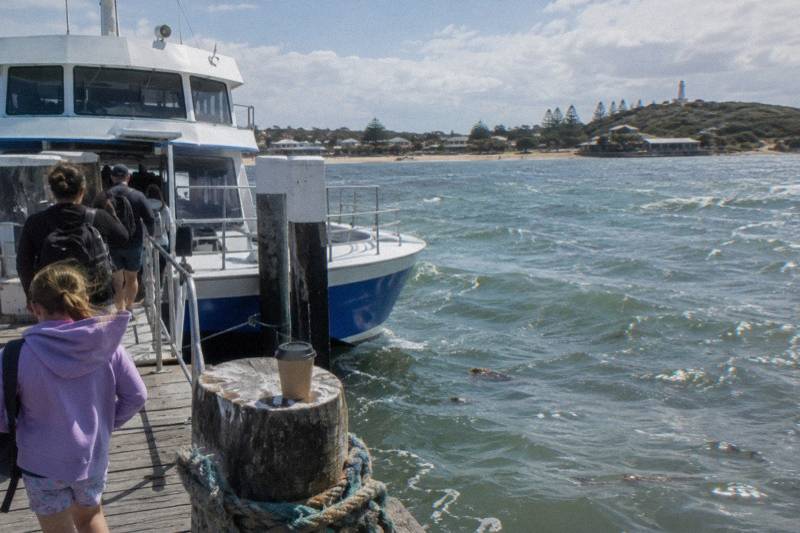
What To Wear On A Seal Cruise: Layers, Shoes And What To Leave Ashore
Packing for two hours in open water is not the same as packing for a walk along the Cowes foreshore. The operator words it plainly: the tour travels into open waters, vessel motion may occur, and motion sickness tablets are recommended. What sits in the bag matters almost as much as what sits on the booking.
Short answer
Dress in layers you can shed, wear flat closed shoes with grip, and bring a waterproof jacket whatever the season. Winter at the Rhyll weather station averages a 13.4 °C mean maximum, and the cruise runs all year at 2pm, from A$115 per person. There is undercover viewing on board, but inside seating is not guaranteed and the bow deck needs over 1 metre of height.
The difference between a comfortable cruise and a miserable one often comes down to clothing, not weather. The Seal Rocks Cruise From Cowes spends two hours on the water, and the operator describes the route without softening it: "This tour travels into open waters and vessel motion may occur at times, taking motion sickness tablets is recommended." That single sentence carries most of the packing logic on the page. Amounts in the article are Australian dollars.
Why Open Water Changes What You Wear
The cruise leaves the sheltered water of Cowes Jetty and travels into open ocean toward Seal Rocks, about 2 km off the southwest coast by the operator's figure, so conditions on deck can sit well below whatever the township feels on shore. Undercover viewing exists and there are toilets on board, but seating is not designated and inside seating is not guaranteed. Plan clothing for standing outside for long stretches.
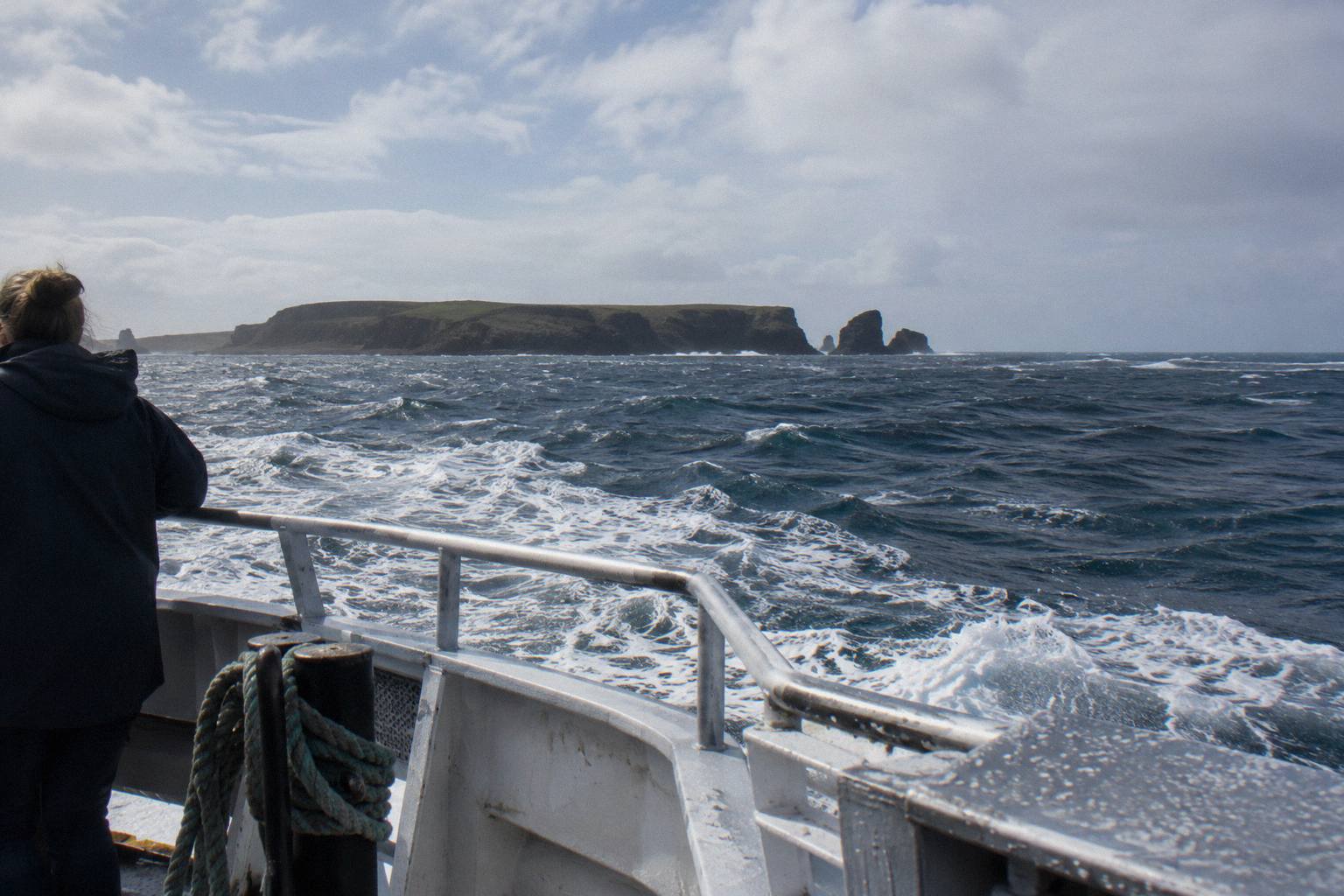
Bay cruises run generally calm, in the operator's wording, but on many cruises "you may experience some swell and rough sea's at times." That wording covers the same vessel, the same route and the same day. Nobody can tell you at booking what the swell will do in a fortnight, and staff advise booked passengers of sea concerns "at least the day prior", which is worth remembering when choosing shoes and jackets. The decision logic is simple: dress for the worst hour of the trip, not the best, because the best hour needs no preparation at all.
Two structural facts shape the wardrobe. First, the bow deck is restricted to people over 1 metre tall, so families share the practical consequences, covered in the children's section below. Second, undercover viewing exists but does not guarantee a seat under it, and seating is not designated anywhere on the boat. A waterproof outer layer that folds into a bag solves the standing-in-the-breeze problem more cheaply than any single thick coat does.
Readers weighing whether the sea state will suit them at all can take the longer look at how rough the water gets on a seal boat tour, which covers the operator's wording on swell in more depth.
What To Wear By Season On The Water
Dress for the water, not the land: year-round on Phillip Island waters you need layers, closed shoes, and a waterproof shell, adjusted around Rhyll's Bureau of Meteorology station averages, where July runs 8.2 °C to 13.4 °C and January 15.7 °C to 24.2 °C. Those land figures are a floor to dress above, never a forecast.
The Seal Rocks cruise departs daily at 2.00pm all year, which means mid-afternoon sun in summer and mid-afternoon cold in the depths of winter. Nature Parks adds peak extra sailings at 11.00am and 4.30pm from 26 Dec to 31 Jan, with availability to check on the booking page, and the 4.30pm sailing in particular pushes into the cooler end of a summer day. Anyone booked on that later departure should pack one warmer layer than the January averages suggest, because the temperature line falls steadily after the late afternoon.
| Season | Station averages to plan around | What the deck asks for | What to leave behind |
|---|---|---|---|
| Summer (Dec to Feb) | Mean max 22.0 to 24.4 °C, mean min 13.8 to 15.9 °C, rain days 4.4 to 6.6 | Light layers, a warm top for the 4.30pm sailing, hat, sunglasses, closed shoes | One heavy layer that cannot be shed |
| Autumn (Mar to May) | Mean max falls from 22.8 to 16.5 °C, rain days rise to 10.8 | A mid layer plus a windproof jacket, long sleeves | Thongs on a moving deck |
| Winter (Jun to Aug) | Mean max 13.4 to 14.4 °C, mean min 8.2 to 9.0 °C, rain days 12.4 to 12.7 | Warm layers, waterproof jacket, beanie, closed shoes | Anything that cannot take spray |
| Spring (Sep to Nov) | Mean max climbs 16.2 to 22.0 °C, rain days 9.7 to 8.4 | Layers, a shell for wind, hat for sun | Umbrella, which has no place on deck |
The seasonal calendar also changes what happens on the rocks themselves: summer is the breeding season with pups born early in the season, and spring brings the bulls ashore to fight for territory, per the operator's own seasonal text. Anyone timing a visit around that cycle rather than the thermometer can compare months in the guide to the best month for a seal cruise. Wardrobe logic stays constant across all of it: the boat does not change with the season, only the clothing does.
If two hours of open water sounds like more than the day needs, the one-hour Cape Woolamai Cruise From San Remo runs from A$49 per person, rated 4.6 from 453 reviews on one booking page and 4.7 from 80+ on a second, keeping things short and calm. Free cancellation up to 24 hours applies on the booking page for that cruise.
Shoes, Deck Grip And The One Metre Rule
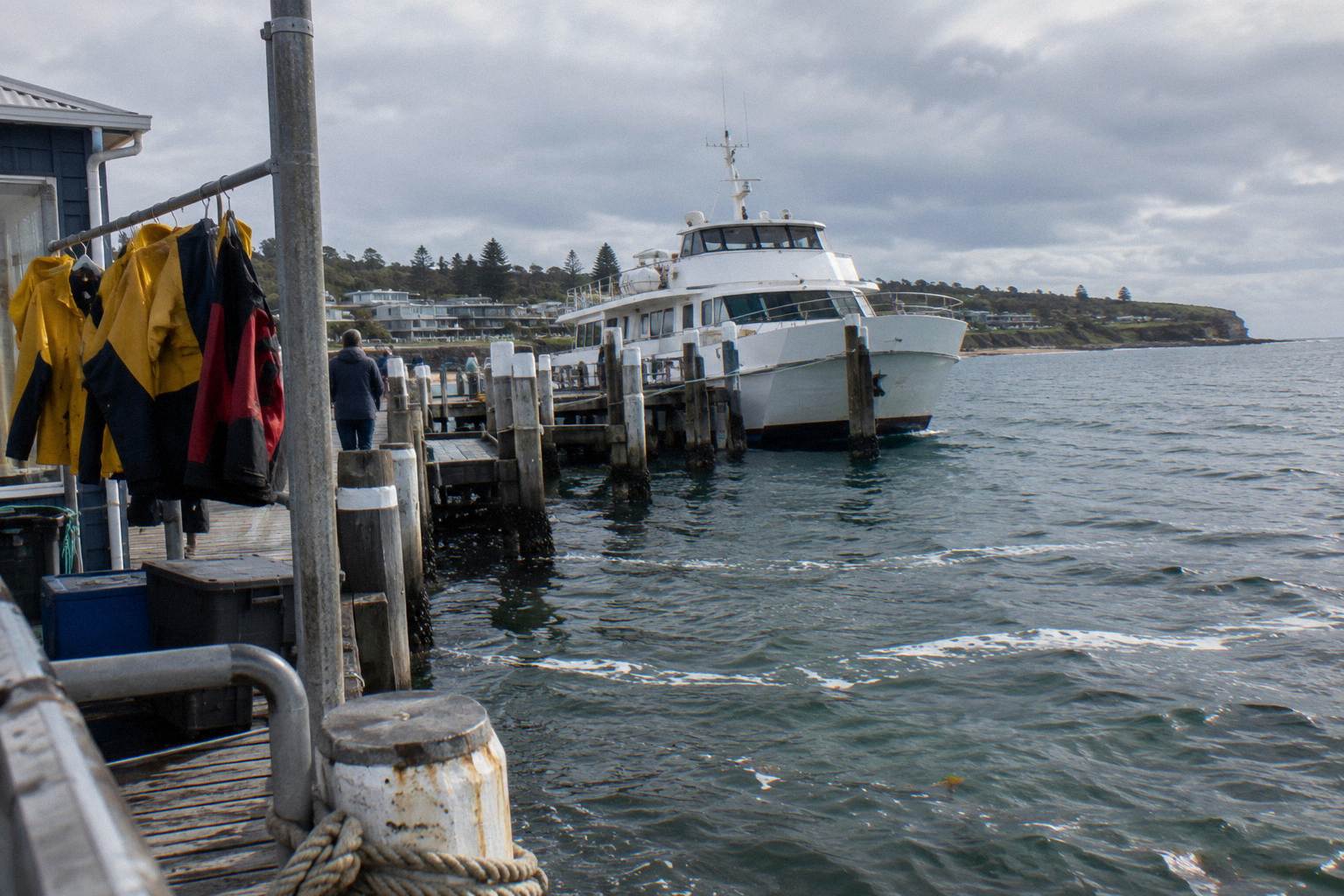
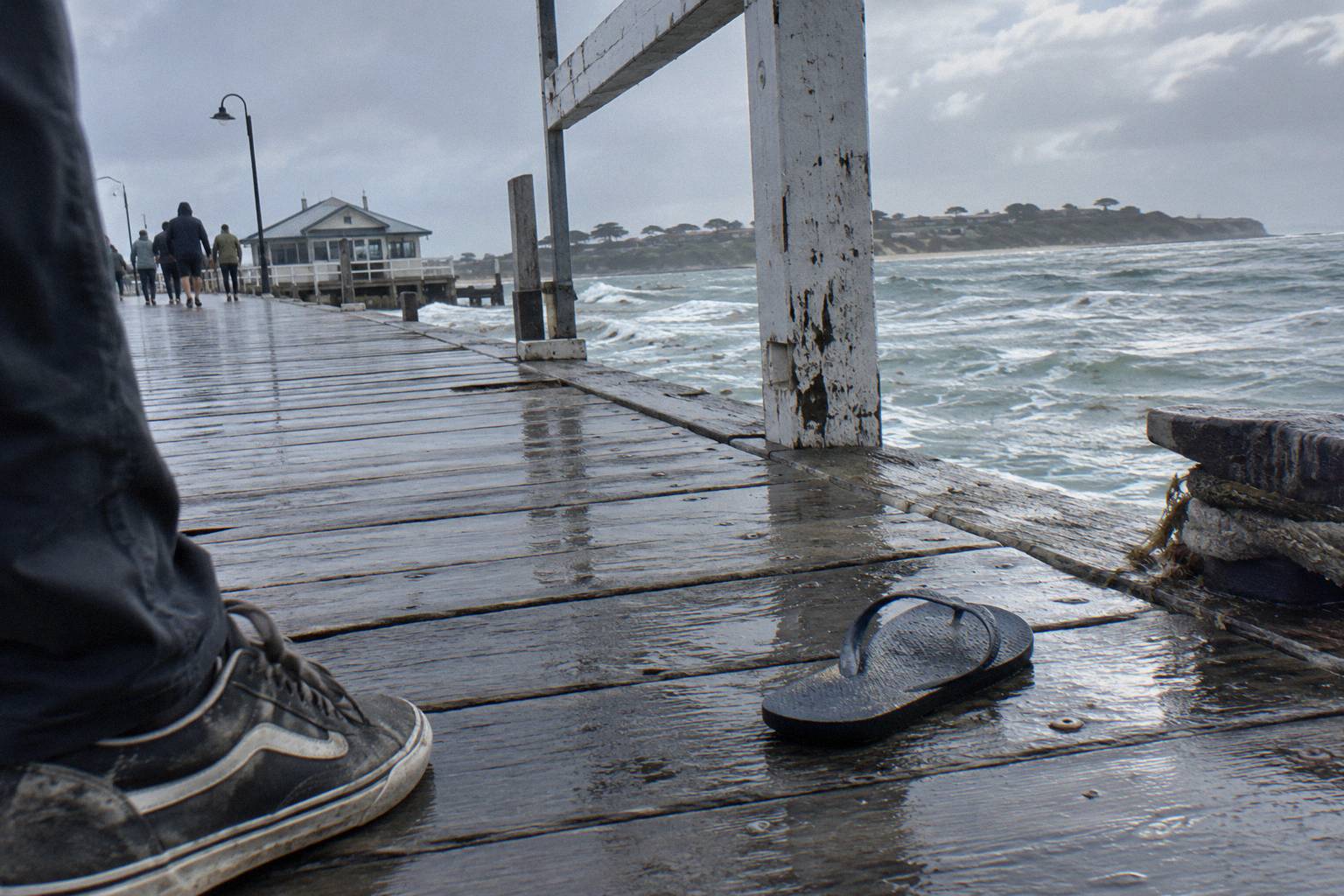
Wear flat, closed shoes with grip. The deck is a moving surface, the route can vary with weather, and boarding happens at the end of the jetty fifteen minutes before departure, which means a walk along a public jetty before any of the boat's motion begins. Thongs, heeled shoes and smooth soles all fail the same test: they ask a foot to hold a surface that tilts.
Arrival discipline frames the whole shoe question. The operator asks passengers to arrive 30 minutes before departure, with boarding 15 minutes before, and states that cruises depart on time. A missed cruise is forfeited, non-transferable and non-refundable under the operator's terms, so the walk from the Cowes car park or the coach stop happens at pace, on jetty planking, in whatever has been chosen for the day. A shoe that works on both jetty and deck removes a whole category of day-of stress.
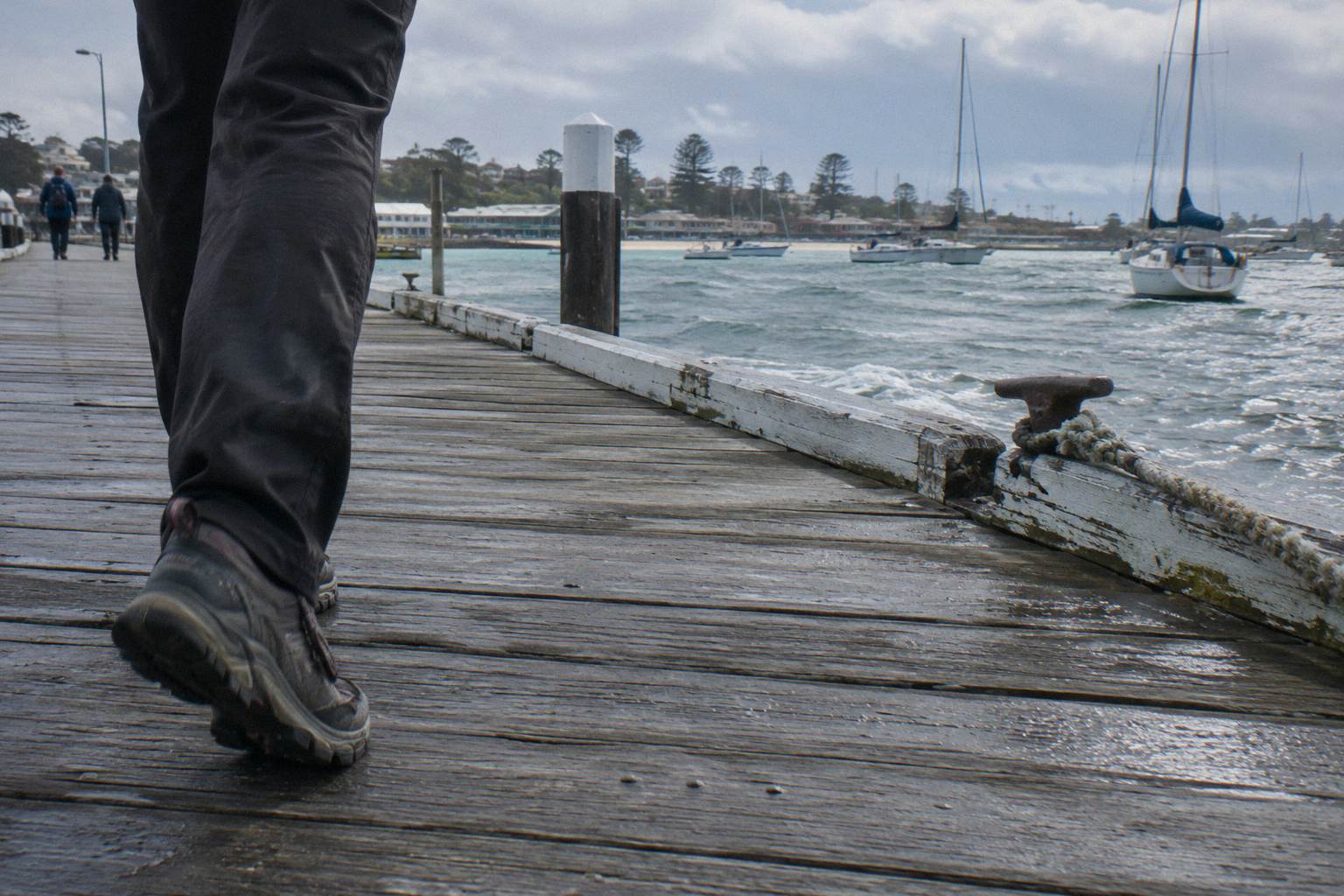
Nobody needs technical footwear. A plain pair of sneakers with an intact sole does everything the day asks: it grips the jetty, grips the deck, keeps spray off the toes and survives a wet afternoon. The failure modes are all avoidable ones. Thongs slip on wet planking. Leather soles skate on a damp deck. Brand-new shoes without a few walks in them trade one discomfort for another on a two-hour standing-heavy outing.
The cruise is not wheelchair accessible per its booking page, a fact that belongs here because it shapes how everyone moves on board rather than only some. Anyone with mobility questions beyond that wording should raise them with the operator directly when booking, since the booking page carries no further detail on movement around the vessel.
What Belongs In The Day Bag
A small bag that zips closed, a waterproof jacket, a warm mid layer, a hat, sunglasses, sunscreen and any personal motion sickness tablets form the working kit. Tea and coffee are complimentary on board and cake is served on the return, so food does not need to travel with you, and there is a licensed bar with Eftpos, so drinks do not either. BYO alcohol is not permitted.
The starting point for a packing list is what the fare already covers. The Seal Rocks Cruise From Cowes includes live commentary, tea, coffee and cake, from A$115 per person, rated 4.9 from 236 reviews on one booking page and 4.8 from 152 on a second, 380+ reviews combined. Food and drinks beyond what is specified are not included, and hotel pickup and drop-off are not either, so the bag is the only luggage that arrives with you.
| Bag item | Why it earns its place | Which sailings need it most |
|---|---|---|
| Waterproof jacket | Spray and winter rain; folds flat when unused | All sailings; winter especially |
| Warm mid layer | 4.30pm peak sailing and any winter departure | Peak summer sailings and all of winter |
| Hat or beanie | Sun glare in summer, warmth in winter | Every sailing |
| Sunglasses | Two hours of afternoon glare off open water | 11.00am and 2.00pm sailings |
| Sunscreen | Mid-afternoon sun on open water, all year | Summer and spring |
| Motion sickness tablets | Operator recommends them for the open-water route | Any passenger prone to motion sickness |
| Spare dry layer | Keeps a cold spray from ending the outing | Winter and rougher sailings |
Photography gear deserves one rule check before it goes in. Drones are not allowed on the cruises, and underwater GoPros on poles are not allowed either, per the operator. The boat is a moving vessel in open water, the bow deck needs over 1 metre of height, and seating is not designated, so a camera that works one-handed while the other hand holds a rail serves the day better than anything that needs setup. Readers planning shots in earnest should read the longer treatment of photographing seals from a moving boat.
A hat that attaches, or a beanie in winter, beats a loose-brimmed hat that becomes a marine statistic on the first gust. Sunglasses matter more than most packing lists admit, because two hours of afternoon glare off open water is a constant in every season, and the 2.00pm departure time puts the sun high for most of the trip outside winter.
Motion Sickness, Tablets And Clothing That Helps
The operator recommends motion sickness tablets outright, and clothing choices genuinely reduce the problem: layers that can come off when the cabin warms, nothing tight at the waist, and a waterproof outer layer that keeps a cold spray from becoming a cold core. Staff advise booked passengers of sea concerns "at least the day prior", so there is usually warning before a rough day. What a passenger wears cannot fix the swell.
The phrase to plan around is the operator's own: bay cruises are "generally calm", while on many cruises "you may experience some swell and rough sea's at times." The Seal Rocks route is the one the operator describes as travelling into open waters, which is why its packing logic runs colder and firmer than the one-hour bay options. Practical clothing logic follows: a body that stays warm and dry tolerates motion better than one that is chilled and damp, and a bag with a spare dry layer is cheap insurance on any winter sailing.
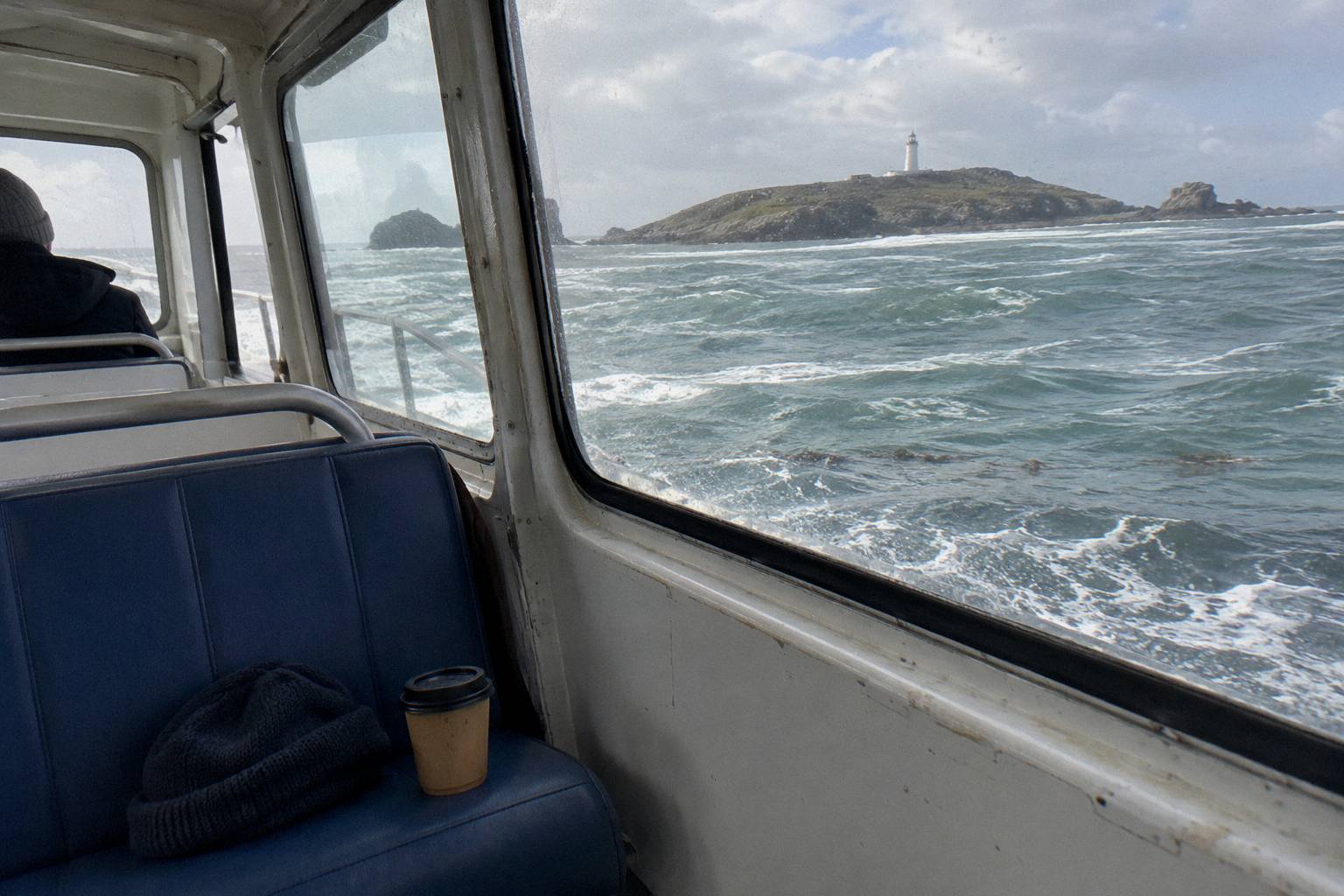
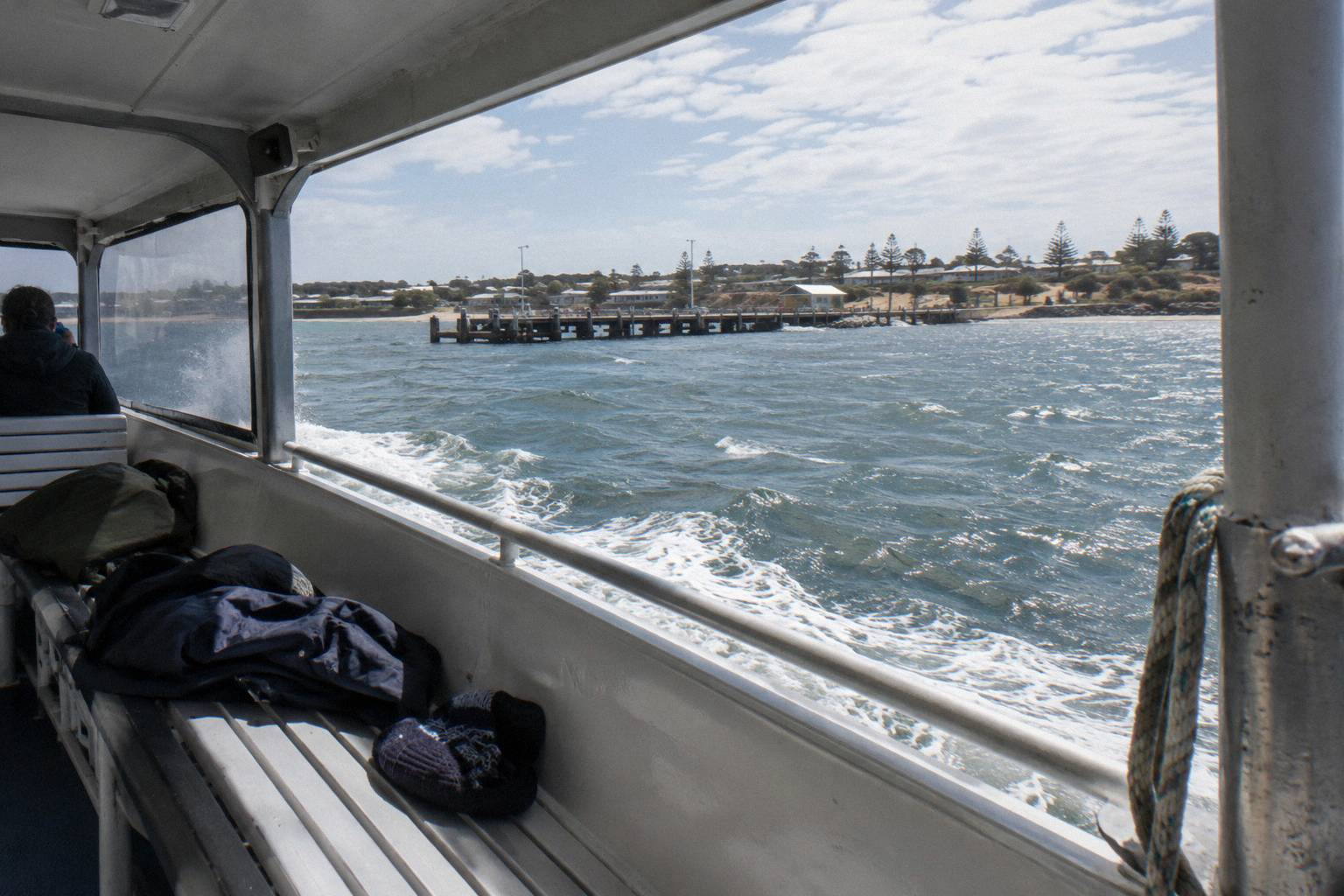
Undercover viewing exists on board and toilets are available, unisex and disabled, so the boat is not an exposed raft. But seating is not designated and inside seating is not guaranteed, which is the limit of the shelter: on a busy sailing, standing outside in the weather for part of two hours is a real possibility. Dressing for that possibility, rather than for the brochure version of it, is the whole trick.
The Winter Whale Watching Cruise From Rhyll runs four hours, daily early June to early August from 8:30am to 12:30pm, from A$179 per person, rated 4.9 from 28 reviews on one booking page and 4.7 from 97 on a second, and it visits Seal Rocks as part of its route, with the operator's whale wording "Expected 80-85% - not guaranteed". Four hours of open water asks more of a wardrobe than two does, and winter departure means dressing to the 13.4 °C July mean maximum and below, with the rain-day averages of 12.4 and 12.7 in July and August saying the waterproof layer is not optional.
What The Operator Does Not Allow On Board
Three bans shape the bag: no BYO alcohol, no drones, and no underwater GoPros on poles. Beyond those, the constraints are about supervision and animals: all children must be supervised by an adult, only accredited assistance dogs may board, and prams are not addressed by the operator, so ask before assuming a pram can travel. None of these are dress rules in the strict sense, but every one of them changes what gets packed.
The licensed bar with Eftpos exists precisely because BYO alcohol does not, so the bag loses any bottles at the jetty. The drone and pole-camera bans matter most to travellers who assumed a wildlife cruise is a photography free-for-all; the rules are the operator's, plainly stated, and they apply across its cruises. A phone or a handheld camera remains fine, held by a person, on a deck.
| Item | Allowed on board | Source of the rule |
|---|---|---|
| BYO alcohol | No | Operator |
| Drone | No | Operator |
| Underwater GoPro on a pole | No | Operator |
| Accredited assistance dog | Yes, accredited only | Operator |
| Other animals | No | Operator |
| Pram | Ask the operator | Operator does not address it |
| Tea, coffee, cake | Included on the cruise | Booking page |
| Bar drinks | Available to purchase | Operator |
The full terms behind the sailing, including the 24-hour cancellation window and the forfeit rule for missed departures, sit on the operator's terms and conditions page, and the clothing-adjacent rules above sit in its frequently asked questions. Reading either takes minutes and settles arguments at the jetty before they start.
A few practical consequences follow from this list. Because the alcohol ban is absolute rather than a corkage arrangement, anyone planning to celebrate on board should budget for bar purchases instead, and note that Eftpos is available so cash is not required for drinks. The included tea, coffee and cake mean a thermos and snacks for that part of the cruise can stay home, freeing space in the bag.
Dressing Children For The Cruise
Children aged 3 to 15 travel on a child ticket and infants 0 to 2 travel free, all children must be supervised by an adult, and the bow deck is restricted to people over 1 metre tall. Winter dressing for a child follows the same station averages as an adult's, one layer further up: July's mean minimum of 8.2 °C on land can feel well below that on open water. No minimum age is stated by the operator.
A toddler in the middle of the child and infant age range needs the same grip rule as everyone else and one more: the 1 metre bow-deck threshold is a height rule, not an age rule, so a tall four-year-old may pass it while a short seven-year-old may not. It is worth measuring before the day rather than negotiating it at the boarding gate. The family fare is defined as 2 adults and 2 children, with the booking page showing amounts for each date.
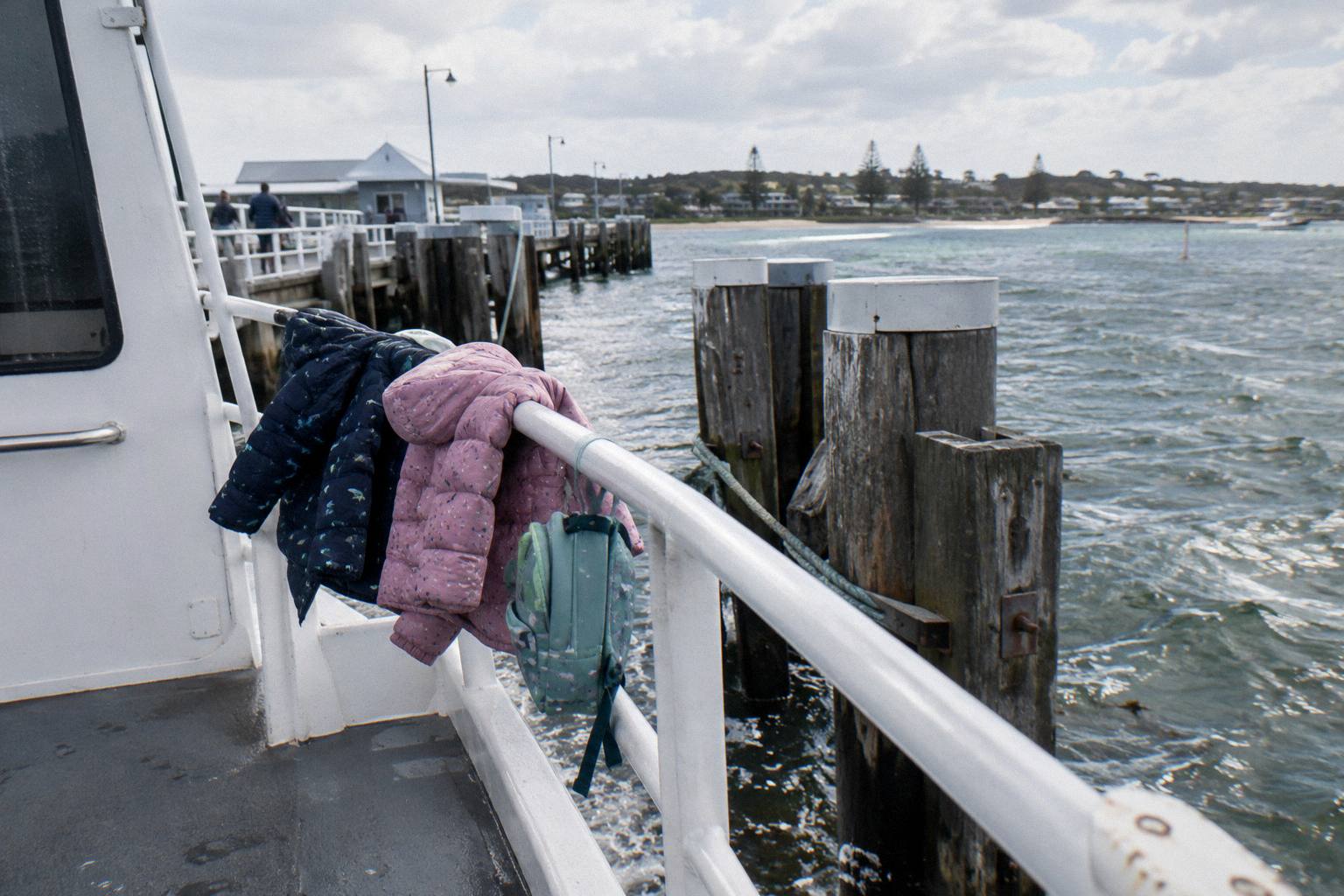
Warm layers for children earn their keep twice over: a child who is warm stays settled through two hours of commentary, and a child with a dry spare layer in the bag survives the spray that finds the deck on the rougher sailings the operator describes. Sun protection matters in the same measure, since summer sailings put small faces in reflected glare for the full two hours. Families planning the wider day can pair the cruise with the guide to taking kids on a seal cruise.
For adults booking the whole outing around children, the shorter option exists on the same jetties network: the Cape Woolamai Cruise From San Remo runs one hour, all year, from A$49 per person, with live commentary plus cake and tea or coffee included. It does not go to Seal Rocks, and seals are not part of it, but one hour is a gentler first test of a child's sea legs than two, and the same bag rules apply on both.
What To Ask The Operator Before You Sail
Four questions cover the wardrobe edge cases: whether a pram can board, where an assistance dog should be declared, what the sea advice says the day before, and whether the sailing you booked holds its scheduled departure. Staff advise booked passengers of sea concerns at least the day prior, and the operator may change or cancel for weather or minimum numbers with a transfer or full refund offered. All are worth asking at booking.
The day-before sea advice is the one with real packing value. When staff contact booked passengers about sea concerns, the message is the cue to add the second warm layer, double the motion sickness tablets or confirm the waterproof is packed. Without such a message, the station averages and the season do the planning. Anyone wanting the fuller picture of how a day can shift can read the guide to Phillip Island weather and sea conditions on cruise day.
For the full set of seal and wildlife cruises from Cowes, San Remo and Rhyll, Phillip Island Seal Cruises lists them with fares and departure points. Once the sailing is chosen, checking the live departure is a one-minute job: Check availability on the booking page shows the dates and the current fares, with free cancellation up to 24 hours before departure.
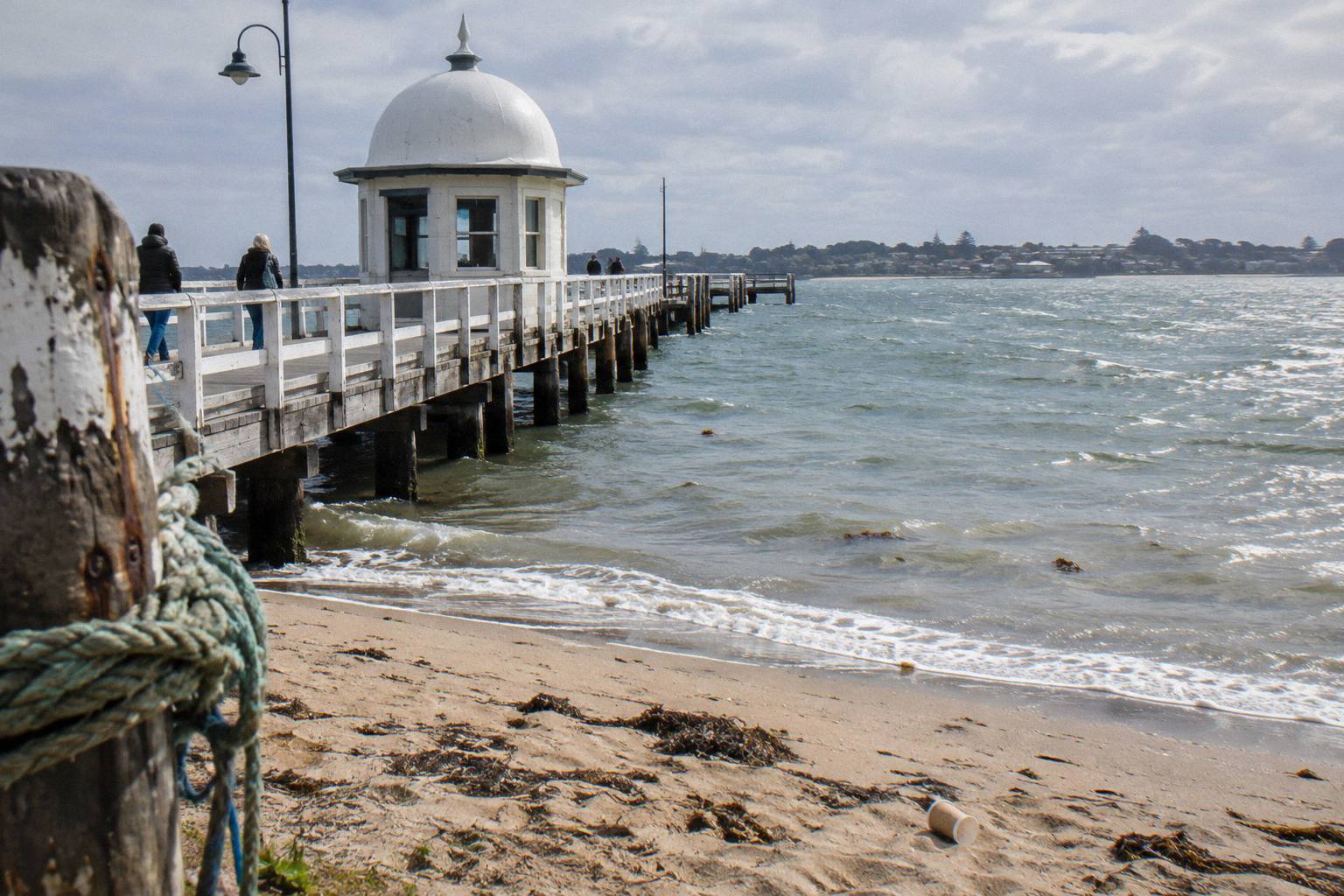
Getting to the jetty is the last leg of the packing plan. Arrive 30 minutes before departure, boarding 15 minutes before, and the cruise departs on time. The drive from Melbourne runs about 90 minutes to two hours, with the operator asking for extra travel time in peak season across late December, January and long weekends, and the ticketing office at Cowes is the white domed roof building with boarding at the end of the jetty, details worth folding into the arrival plan in the guide to getting to Cowes for a seal cruise from Melbourne.
Mistakes That Ruin A Seal Cruise Outfit
The recurring failures are all listed in the operator's own rules: thongs on a wet and moving deck, a single heavy layer that cannot be shed, a bag of bottles the crew cannot allow aboard, a drone packed for a cruise that bans drones, and arriving late for a departure that will not wait. Each one is avoidable with a closed bag, flat closed shoes and a waterproof shell.
- Thongs or heeled shoes on a tilting deck and a public jetty, when flat closed shoes with grip do everything the day asks.
- One thick coat instead of layers, on a boat that moves between sheltered undercover viewing and open deck.
- BYO alcohol in the bag, when the operator does not permit it and runs a licensed bar with Eftpos instead.
- A drone or pole-mounted GoPro, both banned on the cruises.
- Skipping motion sickness tablets when the operator itself recommends them for a route into open waters.
- Arriving inside the 30-minute window, when boarding closes 15 minutes before departure, the cruise leaves on time, and a missed sailing is forfeited.
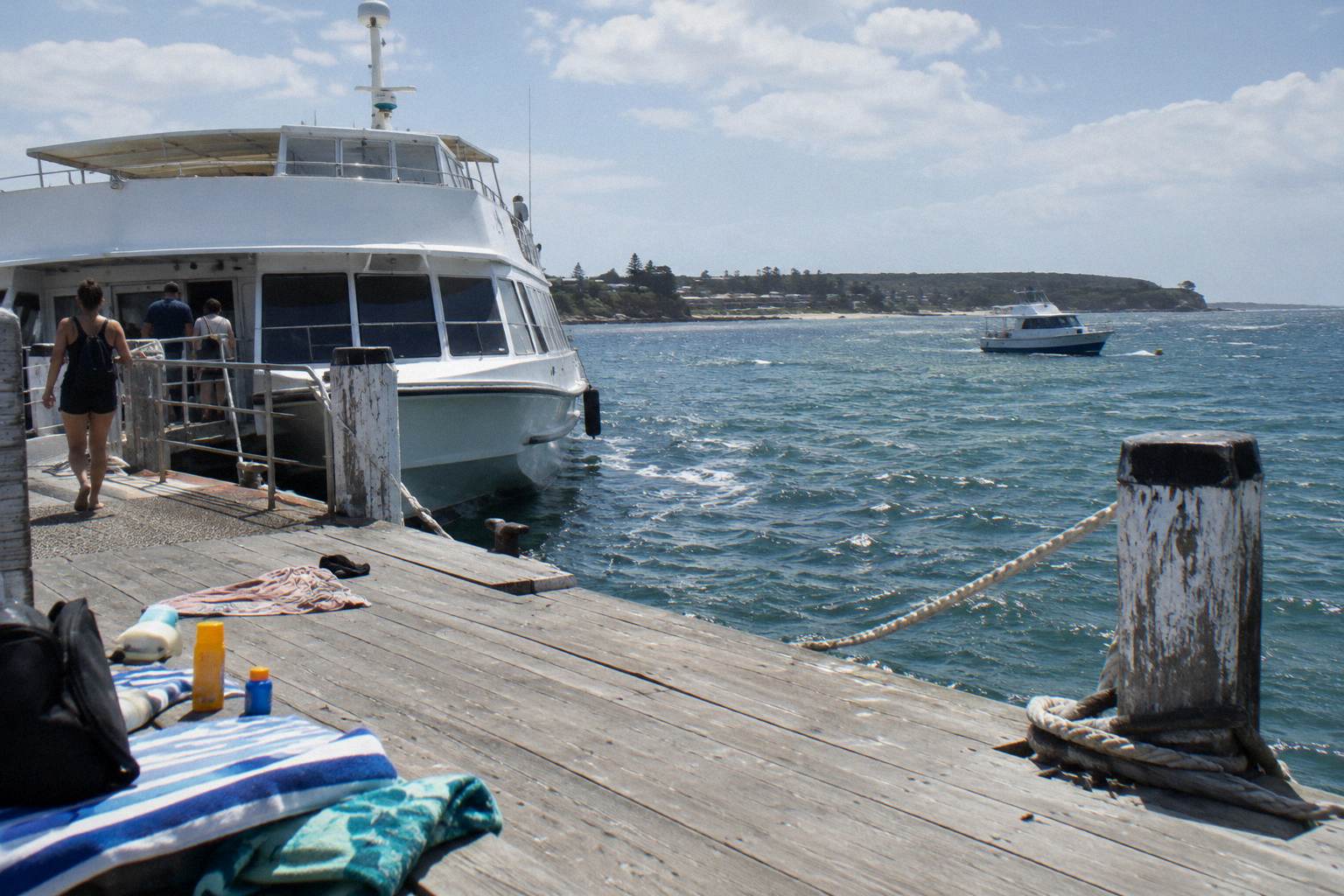
The pattern across all six mistakes is the same: treating a seal cruise like a casual stroll when it is a boat trip with rules written for safety and smooth running. The deck tilts because the boat moves, and it is wet because that is what happens near open water. Shoes that cannot grip, or that expose the foot, turn a normal walk to the rail into a slip risk, and the same shoes have to carry you across the public jetty before you even board.
Layers matter because the day does not stay the same temperature. Undercover viewing areas are sheltered, while the open deck is where you go to actually see the seals, usually with wind on top of whatever the weather is doing. A base layer plus a warm mid layer plus a waterproof shell lets you strip down or bundle up as you move between the two, which a single heavy coat cannot do once you are committed to wearing it.
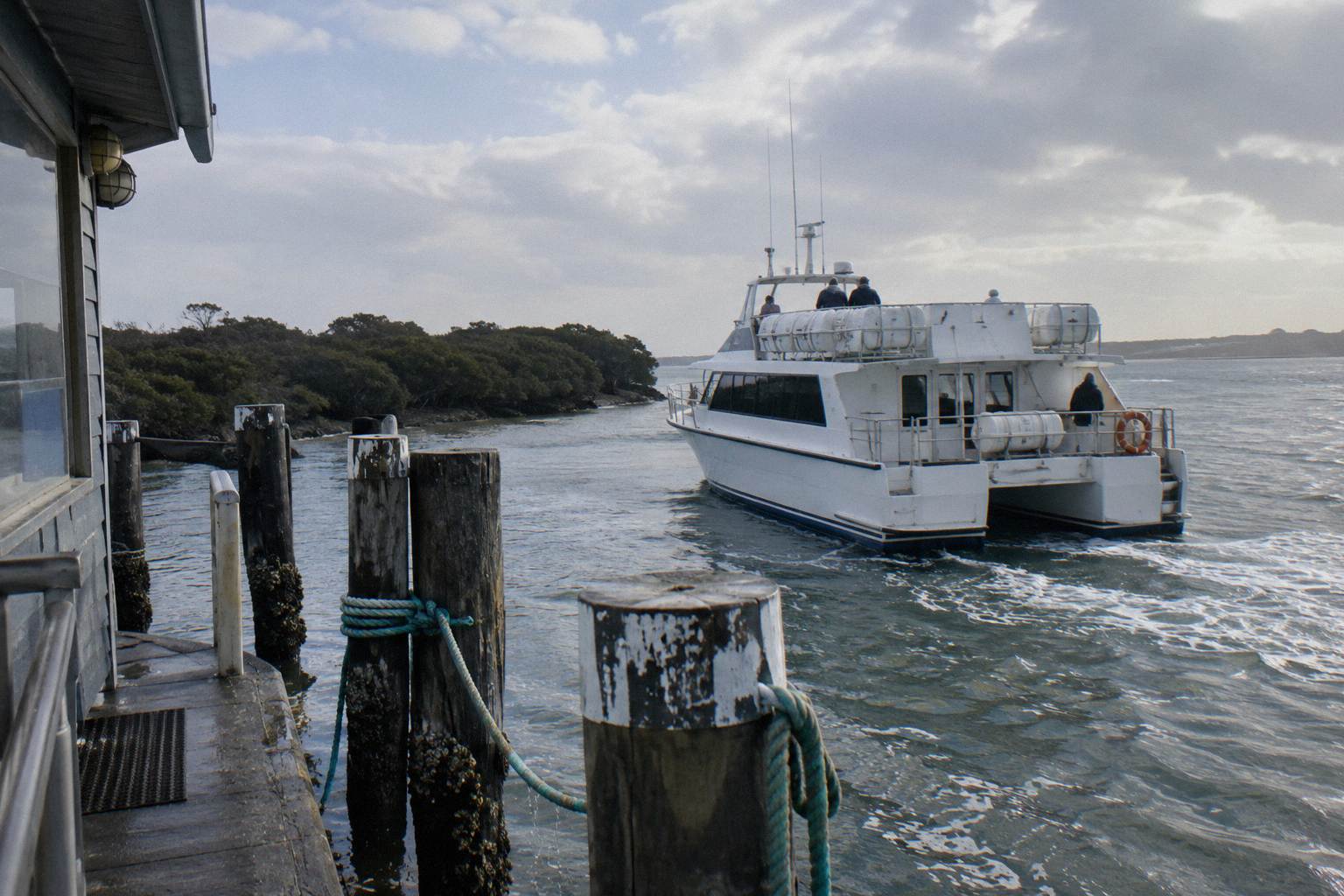
The remaining failures are about respecting the operator's terms. The alcohol rule exists because the boat runs a licensed bar with Eftpos, so bottles brought aboard will simply be turned away at boarding. Drones and pole-mounted GoPros are banned outright, so leave both at home rather than losing boarding time arguing the point. Motion sickness tablets should be taken before you arrive, not once you feel unwell, because the route heads into open waters where the operator itself says they are recommended. Finally, plan to land well outside the 30-minute window: boarding closes 15 minutes before departure, the cruise leaves on time, and a missed sailing is forfeited, with no refund and no second attempt later in the day.
A simple pre-departure check catches most of these before they cost you anything. Lay out your shoes the night before and confirm they are flat, closed and grippy enough for both the jetty and the deck. Pack your layers as three separate items rather than one heavy coat, and put the waterproof shell on top of the bag so it is the first thing you can reach if the weather turns on the way to the jetty. Check the bag itself for anything the operator will refuse at boarding, especially bottles, and move them out before you leave home rather than losing them at the gangway.
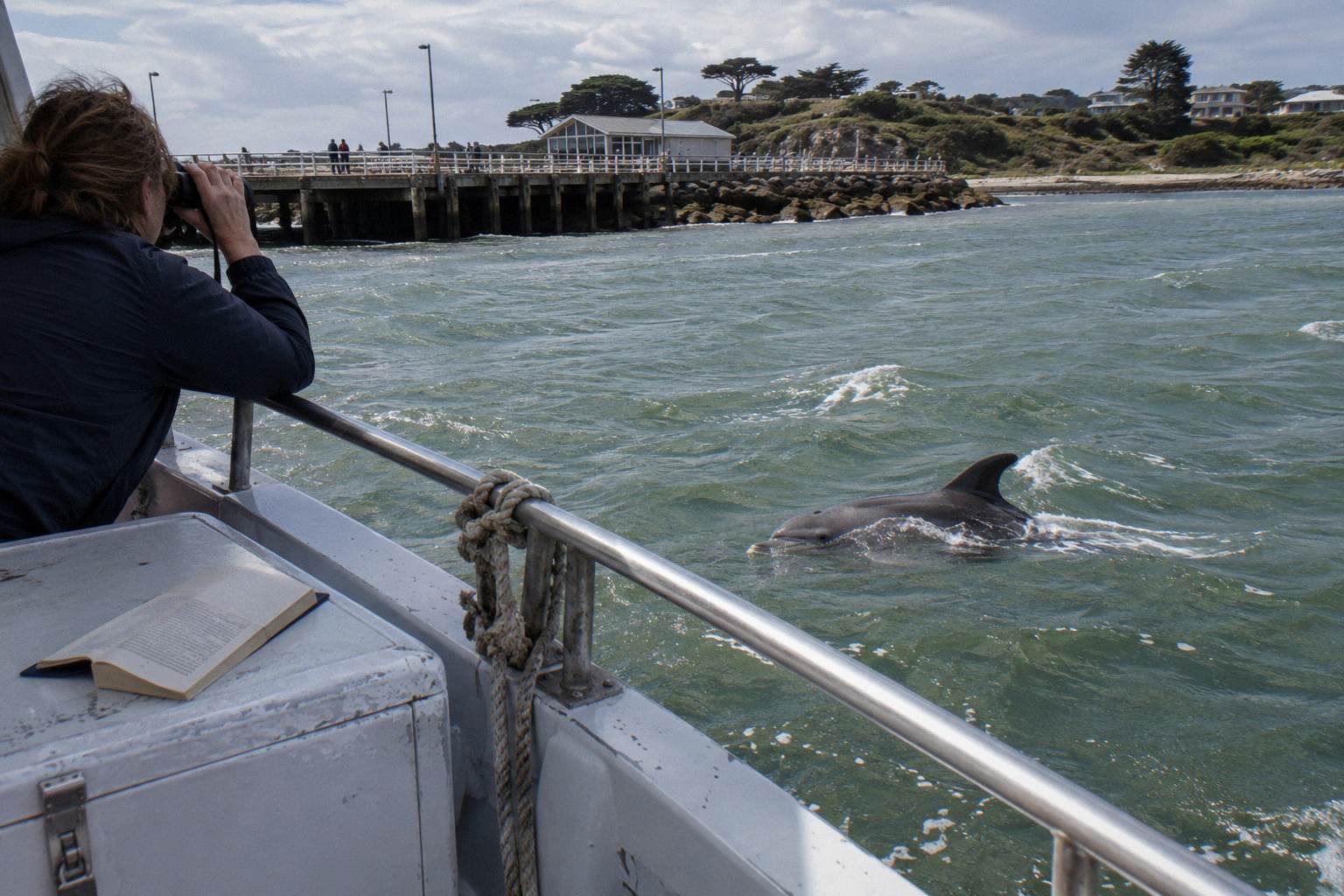
Photography gear deserves the same check. If a drone or pole-mounted GoPro is part of your usual travel kit, take it out of the bag and leave it behind, because both are banned on the cruises and arguing the point at boarding only eats into the time you have before the boat leaves. A camera or phone you can hold and pocket works fine on the open deck.
Timing is the one mistake with no fix once it happens. Work backwards from the printed departure time: boarding closes 15 minutes before it, and the operator asks you to arrive outside the 30-minute window, so set your plan around the earlier of the two. A missed sailing is forfeited with no refund and no second attempt later in the day, which makes arriving early the cheapest insurance on the whole trip.
Common Questions About What To Wear On A Seal Cruise
What Shoes Should You Wear On A Seal Cruise?
Flat, closed shoes with grip. The day involves a walk along jetty planking, boarding 15 minutes before departure, and a deck that the operator says may move in open water. Thongs, heels and smooth leather soles fail all three surfaces.
Is It Cold On A Seal Cruise In Summer?
It can be, especially on the peak 4.30pm sailing between 26 Dec and 31 Jan, which runs into the cooler end of the day. January's mean maximum at the Rhyll station is 24.2 °C, but that is a land figure, and the route travels into open water, so pack one warm layer you can add.
Can You Bring Alcohol On The Seal Cruise?
No. BYO alcohol is not permitted. There is a licensed bar on board with Eftpos, and tea and coffee are complimentary with cake served on the return.
Can Children Go On The Bow Deck?
Only children over 1 metre tall. The bow deck is restricted to persons over 1 metre by height, not age, and all children must be supervised by an adult regardless of where they stand.
Should You Take Motion Sickness Tablets Before A Seal Cruise?
The operator recommends them, wording its own advice as: "This tour travels into open waters and vessel motion may occur at times, taking motion sickness tablets is recommended." Staff also advise booked passengers of sea concerns at least the day prior.
Can You Bring A Drone On A Seal Cruise?
No. Drones are not allowed on the cruises, and underwater GoPros on poles are not allowed either. Handheld phones and cameras are fine on a moving deck.