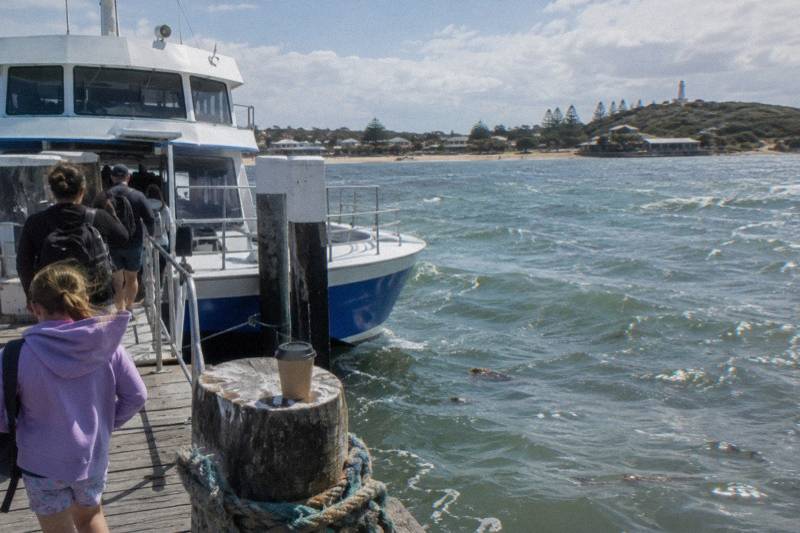
Australian Fur Seals By Season: Pups, Bulls And Moulting On The Rocks
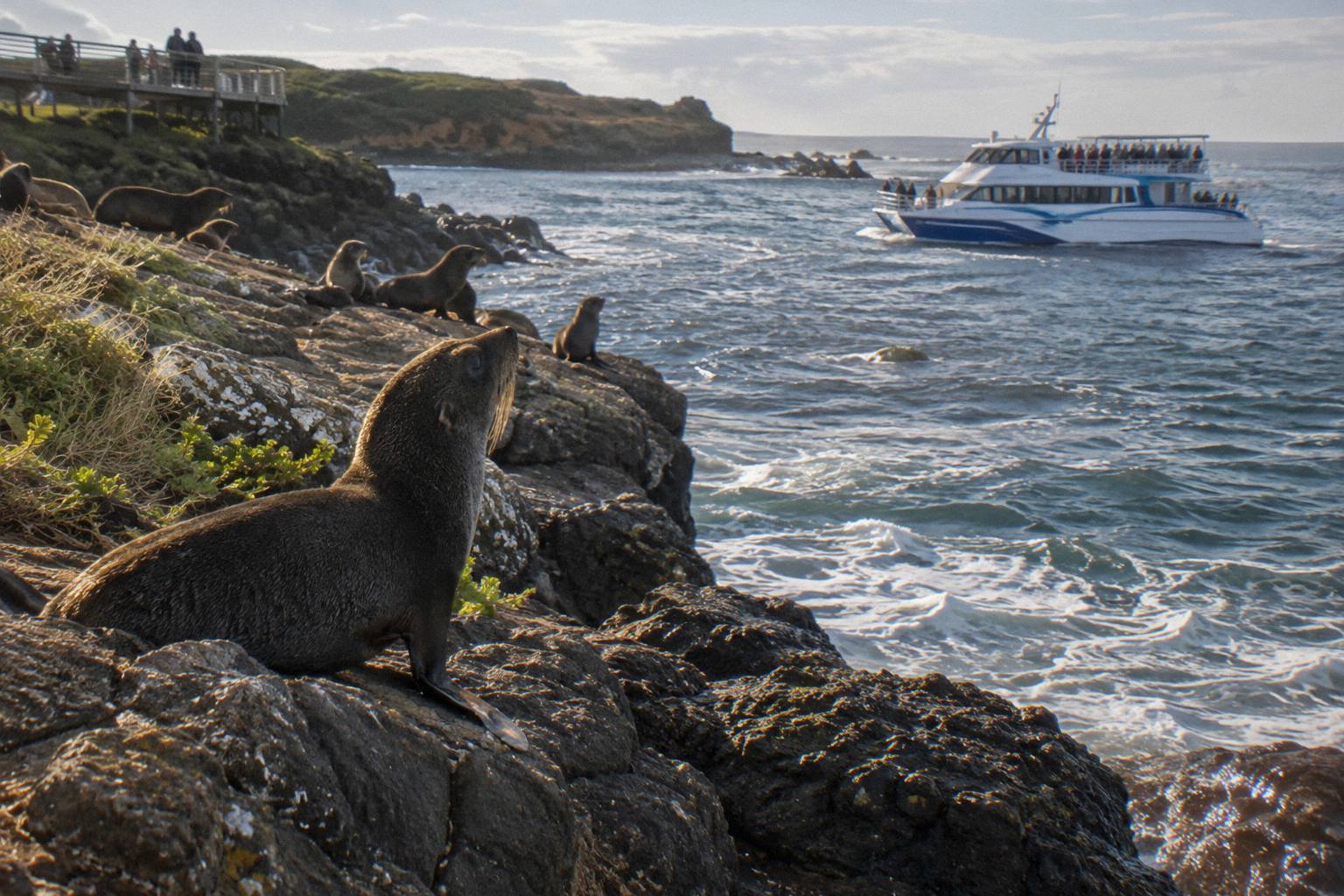
Seal Rocks sits about 2 km off the rugged southwest coast of Phillip Island, the operator's figure, and carries the largest seal-breeding colony in Victoria. What the animals are doing there changes with the calendar, and the calendar is the single most useful thing to check before picking a sailing date.
Short answer
The Seal Rocks Cruise From Cowes runs 2 hours, daily at 2.00pm all year, from A$115 per person. Summer is the breeding season with pups born early in summer, autumn brings play and a first moult, winter is weaning, and spring is when the bulls arrive and fight for territory. No sighting or behaviour is promised on any given day.
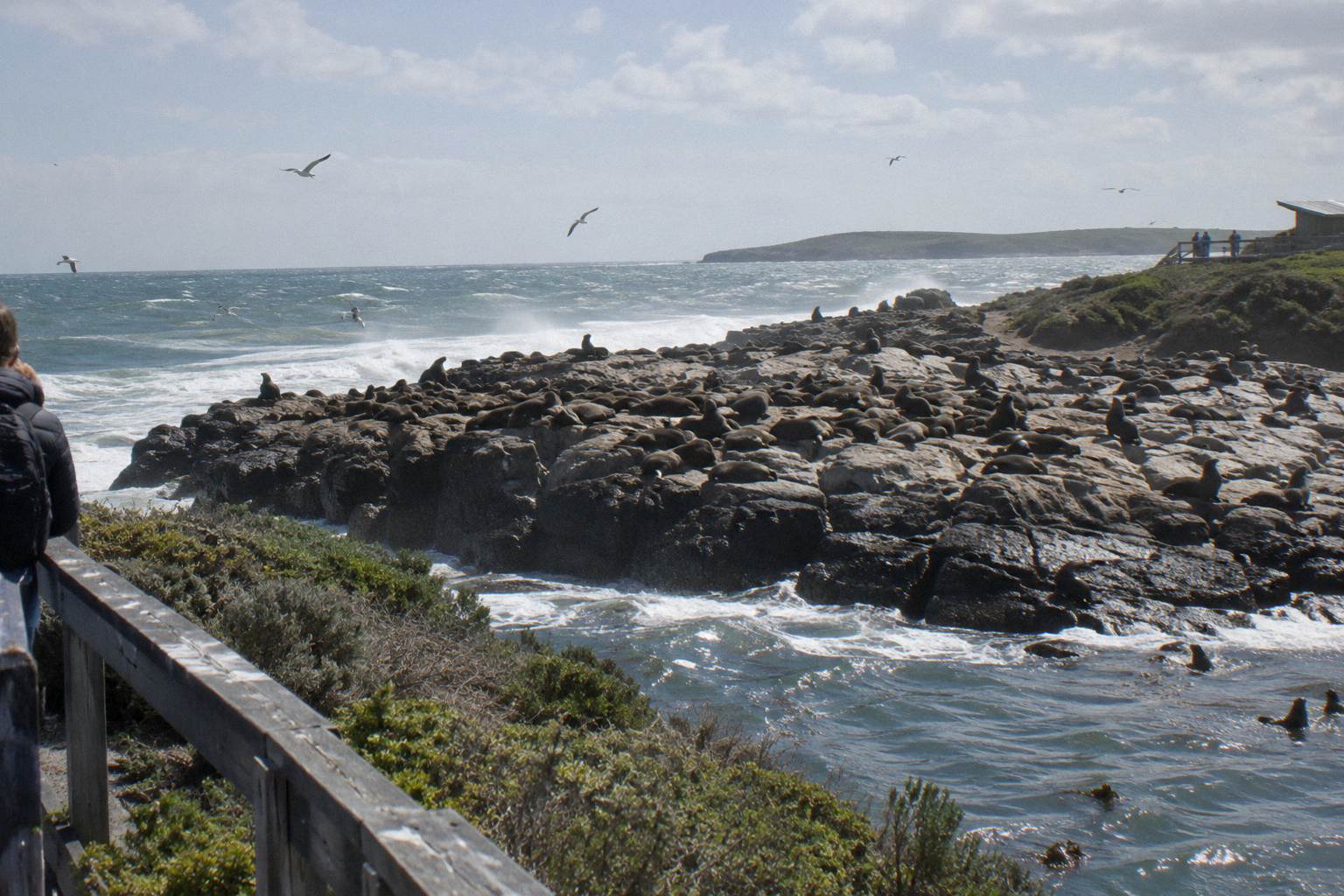
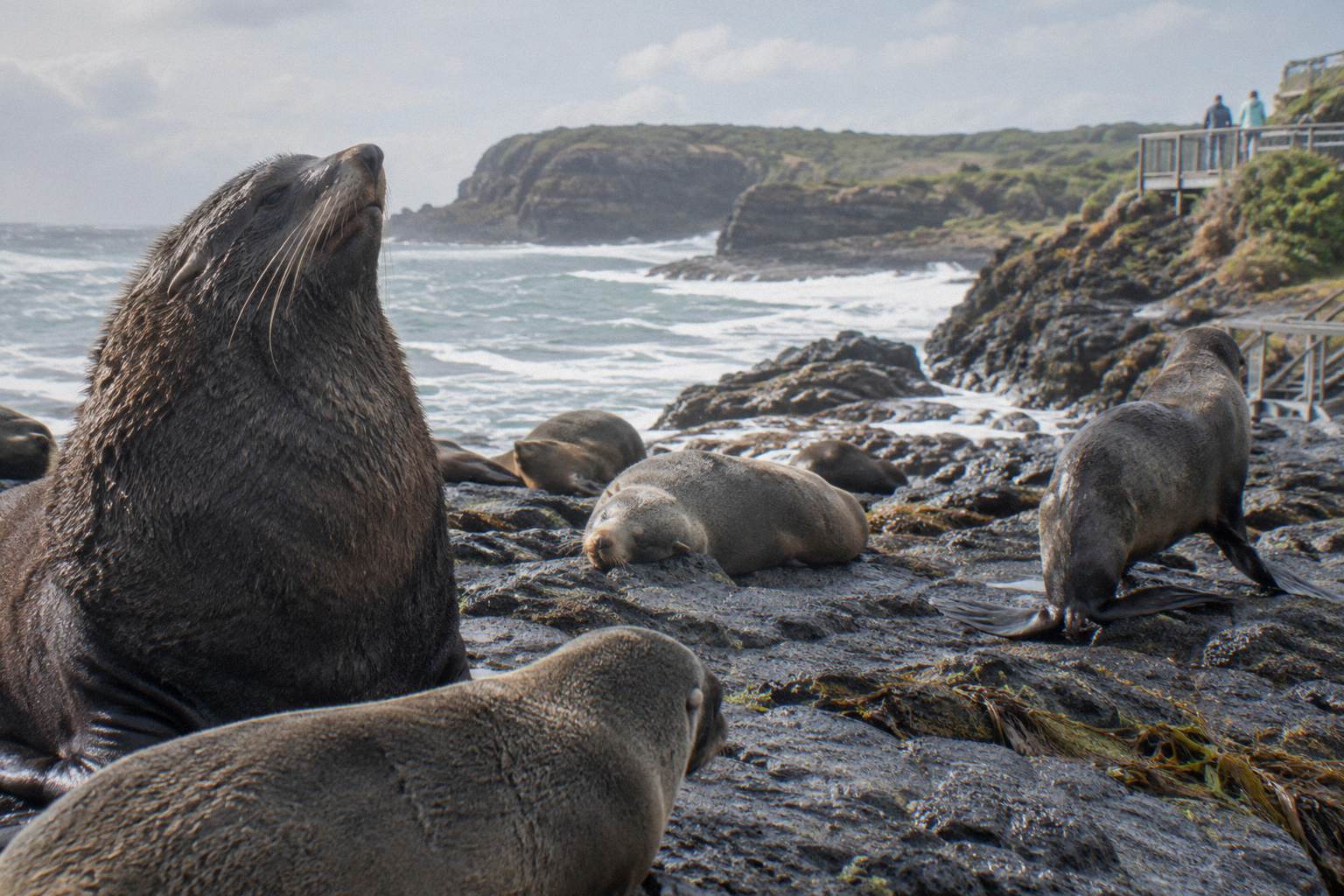
Seal Rocks lies about 2 km off the rugged southwest coast of Phillip Island, the operator's figure, with other sources giving 1.5 to 2 km. It carries the largest seal-breeding colony in Victoria, a colony the Victorian environment department says supports about a quarter of all Victorian seals, and Phillip Island Nature Parks calls one of Australia's largest. Australian fur seals haul out, breed, moult and wean there on a yearly cycle the operator describes season by season, and that cycle is the practical guide to choosing a sailing month.
The colony's scale is worth stating plainly before the seasons. Reported secondary figures put about 20,000 Australian fur seals using the rocks, with 5,000 to 8,000 ashore at one time, and published scientific pup counts stand at 5,660 in 2007, 4,092 in 2013 and 3,865 in 2017, with no later absolute count published. The operator's own figure, an average of 5000+ seals sighted up close, is a marketing average across cruises and never a colony size. On any given sailing, weather and sea state decide the day, and no sighting or behaviour is guaranteed.
For the colony's protected status and what the department says about the rocks, see the Victorian protected areas page for marine mammals. The Seal Rocks Cruise From Cowes, rated 4.9 from 236 reviews on one booking page and 4.8 from 152 on a second, is the year-round way to see all of this from the water; read on for what each season adds.
What The Seals Do On The Rocks Through The Year
The operator splits the year at Seal Rocks into four phases: summer is the breeding season with pups born early in summer, autumn is when the pups play and have a first moult, winter is weaning, and spring is when the bulls arrive and fight for territory. That wording comes from the operator's own seasonal text. What any single sailing shows is never promised.
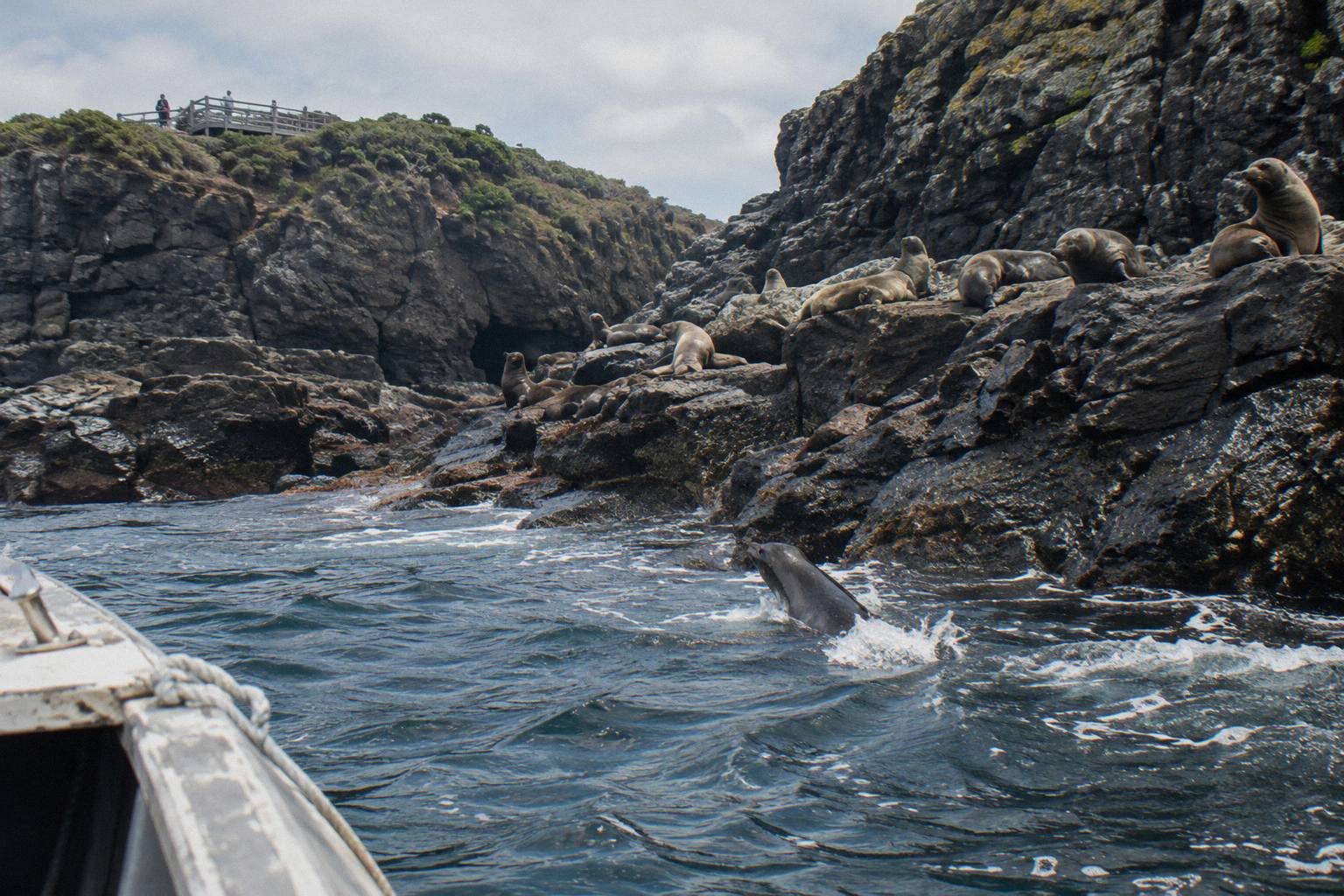
Each phase overlaps the cruise calendar differently. The seal cruise runs daily at 2.00pm all year from Cowes Jetty, with Nature Parks adding peak extra sailings at 11.00am and 4.30pm from 26 Dec to 31 Jan, so the summer breeding window is also the window with the most departures. Winter, by contrast, overlaps with the whale season, when the operator runs two dedicated whale products alongside the seal cruise. The season you choose therefore shapes both what the animals are likely to be doing and which other cruises are even running.
| Season | Operator wording for the rocks | Which seal cruise runs then |
|---|---|---|
| Summer | Breeding season; pups born early summer; first rockpool plunge late summer | Daily 2.00pm, plus 11.00am and 4.30pm extras 26 Dec to 31 Jan |
| Autumn | Pups play and have a first moult | Daily 2.00pm |
| Winter | Weaning | Daily 2.00pm, plus two whale cruises early June to early August |
| Spring | Bulls arrive and fight for territory | Daily 2.00pm |
A reader picking a month for the two-hour seal boat tour from Cowes can map any date onto this table in seconds. December through February is the breeding cluster, March through May is the moult and play stretch, June through August is weaning, and September through November is the bull season. The cruise itself does not change, only the backdrop of animals on the rocks.
Summer: The Breeding Season And New Pups
Summer is the breeding season at Seal Rocks in the operator's wording, with pups born in early summer and the first rockpool plunge coming in late summer. Reported secondary timing has bulls returning in October, births from the end of October to mid December, and a peak in late November to early December, with large bulls leaving in late December. No source promises pups visible from the boat on a given day.
The reported birth timing matters because it slightly precedes the calendar summer. By the time the peak extra sailings begin on 26 December, the reported peak of births, late November to early December, has already passed, and the large bulls are reported to leave in late December. A family sailing in the second half of January is therefore more likely, on the reported timing, to be looking at young pups already ashore than at fresh births, though none of this is a promise for any sailing.
The cruise fits the season in practical ways. It runs 2 hours, departs daily at 2.00pm, and includes tea and coffee with cake served on the return, plus a licensed bar on board; BYO alcohol is not permitted. Summer is also when the boat is busiest, since the extra 11.00am and 4.30pm sailings exist precisely because demand rises across the late December and January school holidays, and the booking page asks travellers to check availability for those extras. Families weighing the school-holiday window will find the planning detail in taking kids on a seal cruise, including the 3 to 15 child ticket band and the bow deck rule for people over 1 metre tall.
Summer weather deserves one straight-talking line: the Rhyll station averages show January mean maxima of 24.2 °C and February 24.4 °C, the warmest of the year, and the lowest rain-day counts at 5.1 and 4.4 days of 1 mm or more. Those are station averages for the north of the island, not a sea-state prediction for open water, and the operator's own advice, that the tour travels into open waters and vessel motion may occur, holds in every month. The month-by-month climate detail sits in Phillip Island weather and sea conditions for cruise day.
Autumn: Pups Play And The First Moult
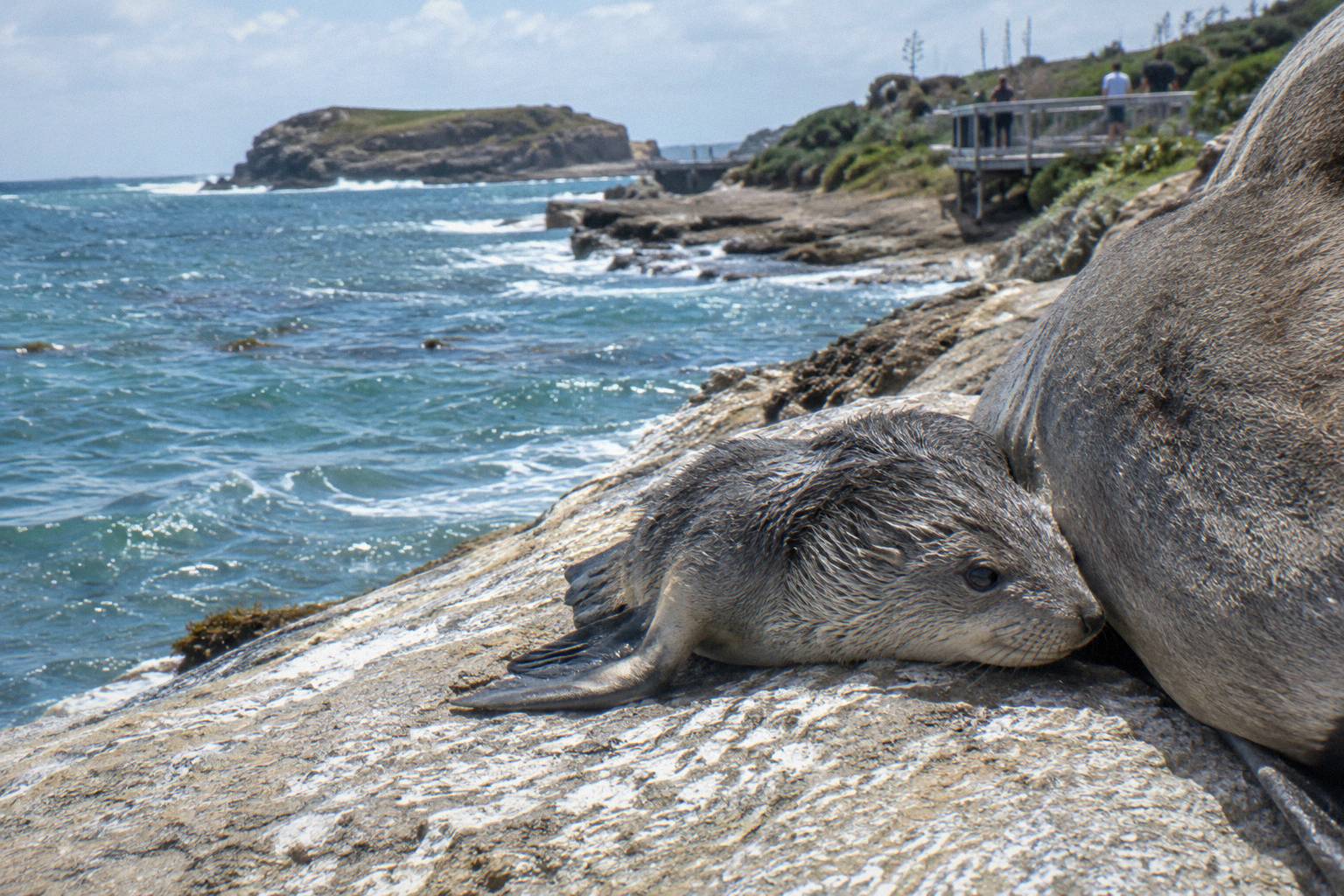
Autumn, in the operator's wording, is when the pups play and have a first moult. The breeding crowds of summer have thinned on the reported timing, and the colony settles into a quieter rhythm that many travellers prefer: the same daily 2.00pm cruise, the same two hours on the water, and typically fewer people competing for the peak extra sailings that end on 31 January. No behaviour is promised on any sailing.
Autumn is the season with the least machinery around it. There are no extra sailings, no whale-season overlap, and no school-holiday surge after Easter, so the choice reduces to the one daily departure. The fare is from A$115 per person, amounts in Australian dollars, with child tickets for ages 3 to 15 and infants 0 to 2 free, and the booking page shows the amounts for each date. A couple planning a quieter month can read the full fare picture in what a seal cruise costs, fares compared.
The moult itself is worth one paragraph of restraint. General seal biology beyond the operator's seasonal text is off the table here: what the operator publishes is that autumn brings play and a first moult, and that is the whole of the published claim. What that looks like from the boat varies with the day, and travellers curious about what the two hours actually involve, including the drift near the rocks and the return-leg cake service, can read what happens on the two-hour seal boat tour from Cowes.
The Rhyll station averages give autumn a middle character: March mean maximum 22.8 °C, April 19.7 °C, May 16.5 °C, with rain days climbing from 6.1 in March to 10.8 in May. Layers are the practical answer, and the packing detail, including the operator's note that seating is not designated and inside seating is not guaranteed, sits in what to wear on a seal cruise.
Winter: Weaning On The Rocks, Whales On The Water
Winter is weaning season at Seal Rocks in the operator's wording, and it is also the only window in which the operator runs whale cruises, daily from early June to early August. The seal cruise keeps its daily 2.00pm departure through winter unchanged. The operator words whale sighting odds as "Expected 80-85% - not guaranteed", and no sighting of anything is promised on any cruise.
Winter travellers get a genuine either-or. The Winter Whale Watching Cruise From Rhyll is a 4-hour product, 8:30am to 12:30pm from Rhyll Jetty, from A$179 per person, rated 4.9 from 28 reviews on one booking page and 4.7 from 97 on a second, and it visits Seal Rocks as part of its route. The seal cruise from Cowes stays 2 hours at 2.00pm, from A$115. A winter visitor can, in principle, do both in one day, since one starts at 8:30am and finishes by 12:30pm while the other departs mid-afternoon, though the drive between Rhyll and Cowes jetties is the traveller's own arrangement.
The whale wording deserves precision. "Expected 80-85% - not guaranteed" is the operator's phrasing for whales on both winter whale products, and "Expected 80%" belongs to dolphins on the Dolphin And Whale Cruise From San Remo only. Neither figure attaches to the seal cruise, which is not a whale cruise; a traveller asking whether whales appear on the standard seal sailing is asking a question the operator does not answer affirmatively anywhere. The seasonal detail sits in whether you can see whales on a seal cruise.
| Reported stage | Reported timing | Source status |
|---|---|---|
| Bulls return to the rocks | October | Reported, secondary |
| Births begin | End of October to mid December | Reported, secondary |
| Birth peak | Late November to early December | Reported, secondary |
| Large bulls leave | Late December | Reported, secondary |
| First moult for pups | Autumn | Operator seasonal text |
| Weaning | Winter | Operator seasonal text |
Winter climate at the Rhyll station is the coldest and, on rain days, the wettest of the year: July mean maximum 13.4 °C and mean minimum 8.2 °C, with 12.4 rain days of 1 mm or more in July and 12.7 in August, the two highest months. Those are land-station averages, never a sailing prediction, and the operator notes that staff advise booked passengers of sea concerns at least the day prior. Anyone sensitive to vessel motion should read seasickness on a seal boat tour before choosing the winter window.
Spring: The Bulls Arrive And Fight For Territory
Spring, in the operator's wording, is when the bulls arrive and fight for territory at Seal Rocks. On the reported timing the cycle begins again, with bulls returning in October and births starting from the end of October, so late spring shades into the breeding cluster of early summer. The cruise runs daily at 2.00pm through spring exactly as in every other season.
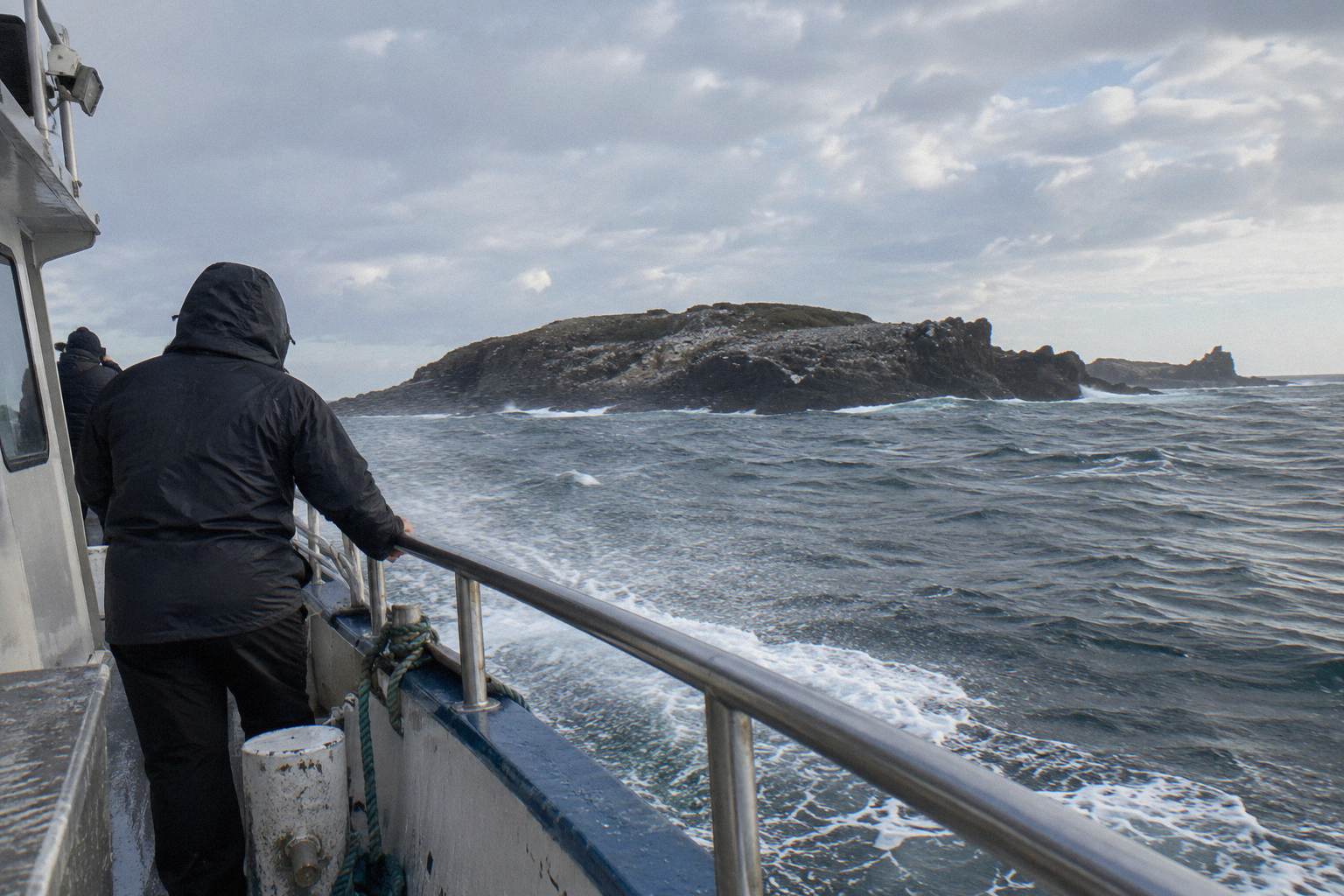
Spring is a sleeper month for the planning-minded. The weather warms through the station averages, September mean maximum 16.2 °C, October 18.2 °C, November 20.2 °C, while rain days ease from the July and August peak down to 11.5, 9.7 and 8.4 respectively, and the 3pm mean wind eases toward its November low of 20.0 km/h after the September high of 19.9. None of that predicts a sailing day, but it frames spring as a moderate month on paper between the wet of winter and the crowds of the holidays.
The bulls themselves get the same restraint as the moult. The operator's text says bulls arrive and fight for territory in spring, and the reported secondary timing agrees that bulls return in October. What a fight looks like, how long it lasts, or which animals win is not published anywhere in the facts, so a traveller should ask the operator what spring typically shows rather than arrive with expectations. The operator's seal watching cruise page carries the current seasonal wording.
Spring also overlaps a decision some travellers forget: the Sunset Cruise From San Remo resumes its Saturday schedule in September, from A$79 per person, 1 hour 45 minutes, with live music and a fruit and nibbles platter. It promises no seals, and it is not a seal cruise, but a spring visitor can pair an afternoon at the rocks with an evening on the water. The pairing logic sits in sunset cruise or afternoon seal cruise.
Which Cruise Runs In The Month You Are Choosing
The seal cruise runs daily at 2.00pm all year from Cowes Jetty, from A$115 per person, with peak extras at 11.00am and 4.30pm from 26 Dec to 31 Jan only. The whale products exist only early June to early August. The Cape Woolamai and Sunset cruises run their own schedules from San Remo and are not seal cruises; the sunset sailing promises no seals at all.
The distinction matters because the operator, Wildlife Coast Cruises, runs five of the seven core tours from different jetties, boats and seasons: the seal cruise from Cowes, the Cape Woolamai and Sunset cruises from San Remo, and the whale and dolphin-and-whale cruises from Rhyll and San Remo. They are one operator's different outings, not five rivals. A traveller who wants the seals should book the Cowes product or the Rhyll whale cruise that visits Seal Rocks; the Cape and Sunset sailings show cliffs, bridge, music and coastline instead.
| Cruise | Runs when | Duration | From price | Seals |
|---|---|---|---|---|
| Seal Rocks Cruise From Cowes | Daily 2.00pm, all year; extras 11.00am and 4.30pm, 26 Dec to 31 Jan | 2 hours | from A$115 per person | The seal cruise |
| Winter Whale Watching Cruise From Rhyll | Daily early June to early August, 8:30am to 12:30pm | 4 hours | from A$179 per person | Visits Seal Rocks; whales "Expected 80-85% - not guaranteed" |
| Sunset Cruise From San Remo | Saturdays September to March, Wednesdays from mid November, 1 hour before sunset | 1 hour 45 minutes | from A$79 per person | Promises no seals |
| Cape Woolamai Cruise From San Remo | All year | 1 hour | from A$49 per person | Not part of it |
Free cancellation up to 24 hours on the booking page applies to each of these as listed, which makes a seasonal choice reversible if the forecast turns. The comparison between the two San Remo outings is laid out in Cape cruise or seal cruise, which wildlife boat, and the jetty choice in San Remo Jetty or Cowes Jetty for your cruise.
Choosing Your Month By Traveller Type
A family with young children leans to the late-summer pup window and the extra peak sailings; a couple often prefers autumn's quieter sailings; winter suits the traveller who wants whales and weaning in one four-hour outing; spring fits the visitor who wants moderate weather and the returning bulls. Each type keeps the same 2.00pm seal cruise, from A$115, so the season is the only real variable.
For a family, the child rules matter as much as the season: ages 3 to 15 take a child ticket, infants 0 to 2 are free, all children need an adult supervising, and the bow deck is restricted to people over 1 metre tall. No minimum age is stated by the operator, so parents of a very young infant should ask when booking. Prams are not addressed by the operator either, so that too is a question for the booking. The practical detail, including the operator's note that there is undercover viewing and toilets on board, sits in taking kids on a seal cruise.
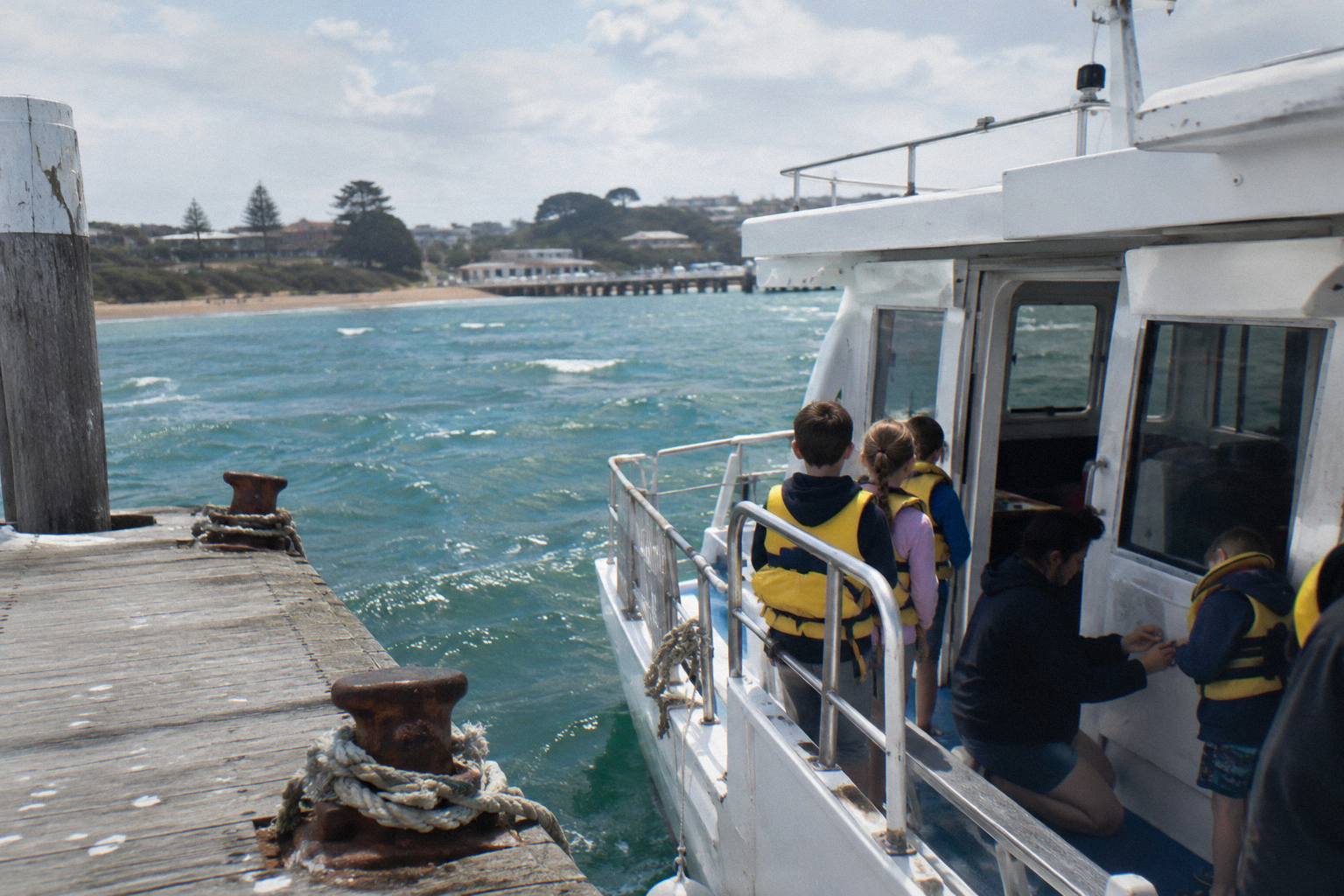
A visitor prone to seasickness should weigh season against the operator's open-water note. The tour travels into open waters, vessel motion may occur, and the operator recommends motion sickness tablets; staff advise booked passengers of sea concerns at least the day prior. There are no published sea-state numbers for Seal Rocks in any month, so the sensible move is to read seasickness on a seal boat tour, pick a month whose climate suits you, and ask the operator about conditions near your date.
A visitor without a car has a fixed shape to the day: the operator offers no Melbourne pickup, the V/Line coach reaches Cowes with no train connection, and the driving time from Melbourne is about 90 minutes to two hours. The travel detail, including the ferry route that carries passengers and bicycles only and is never a seal cruise, sits in getting to Cowes for a seal cruise from Melbourne. Arriving 30 minutes before departure, with boarding 15 minutes before, is the operator's stated timing, and a missed sailing is forfeited.
How Many Seals You Are Actually Talking About
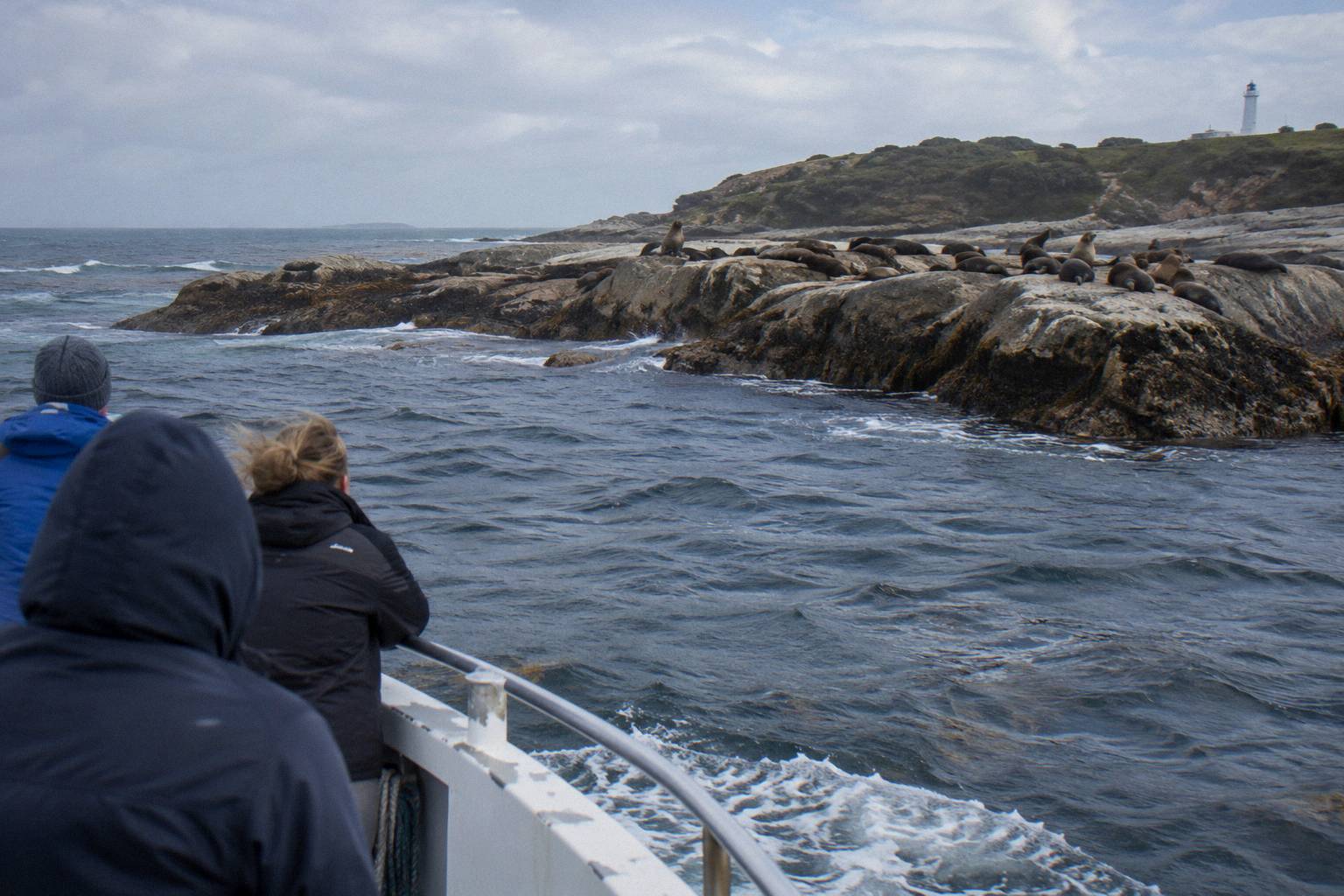
The colony holds about a quarter of all Victorian seals, per the Victorian environment department, and is Victoria's largest seal-breeding colony. Reported secondary figures put about 20,000 Australian fur seals using the rocks, with 5,000 to 8,000 ashore at one time, while the operator's "average of 5000+ seals sighted up close" is a cruise average, not a colony count.
These figures answer a question every seasonal planner eventually asks: does the season change how many animals are even there? The published counts are pup counts, not total-population counts, and they carry no season label, so no truthful month-to-month population curve can be drawn from them. What the operator does publish is the seasonal behaviour text, breeding, moult, weaning and bulls, and the average sighting figure across cruises. A traveller wanting the full breakdown of what that average does and does not mean can read how many seals you actually see on the cruise.
The distance question follows the same discipline. Seal Rocks is about 2 km offshore, the operator's figure, with other sources giving 1.5 to 2 km, and no minutes-to-reach figure exists in the facts. The Nature Parks seal cruise page lists the cruise as a partner product of Wildlife Coast Cruises, not a Nature Parks vessel, which is why the seasonal wording quoted throughout comes from the operator rather than the park body.
What To Ask The Operator Before You Book A Season
Ask four things: whether the extra peak sailings run on your exact date, what the sea forecast advice is for your window given the open-water note, which fare categories apply to your group from the adult, concession, child 3 to 15, infant 0 to 2, family and group categories, and whether anything about the season affects your sailing. The booking page shows the amounts for your date; the operator does not publish every category price, so ask.
| Question to ask | Why it matters for the season |
|---|---|
| Do the 11.00am or 4.30pm extras run on my date? | Peak extras run 26 Dec to 31 Jan only, and the booking page says "please check availability" |
| What is the sea advice for my date? | The operator advises booked passengers of sea concerns at least the day prior |
| What does my fare category cost? | Categories exist; the booking page shows the amount for your date |
| Is a pram or a very young infant workable on board? | The operator does not address prams and states no minimum age, so ask when you book |
| Can my group sit together or inside? | Seating is not designated and inside seating is not guaranteed |
The free cancellation rule makes the asking cheap. Full refund applies up to 24 hours before departure on the booking page, and the operator offers a transfer or full refund if it cancels or changes a sailing for weather or minimum numbers. Within 24 hours, or a no-show, the fare is forfeited. The full mechanics are in what happens if the seal cruise is cancelled.
One seasonal product deserves a direct link at the decision moment. The Winter Whale Watching Cruise From Rhyll is the only four-hour winter option that visits Seal Rocks and chases whales under the operator's "Expected 80-85% - not guaranteed" wording. For the full set of seal and wildlife cruises from Cowes, San Remo and Rhyll, Phillip Island Seal Cruises lists them with fares and departure points.
Mistakes To Avoid When You Time A Seal Cruise Trip
The common timing mistakes are simple: treating the Cape or Sunset cruise as a seal cruise when neither includes seals, expecting whale figures to apply to the seal cruise, counting on peak extra sailings outside 26 Dec to 31 Jan, arriving with minutes to spare when boarding closes 15 minutes before departure, assuming a date can be moved inside 24 hours when it cannot, and forgetting the operator offers no Melbourne pickup. Each is avoidable with one check before booking.
- The Sunset Cruise From San Remo promises no seals, and the Cape Woolamai cruise does not include them either; only the Cowes seal cruise and the Rhyll whale cruise visit Seal Rocks.
- Peak extra sailings at 11.00am and 4.30pm run 26 Dec to 31 Jan; outside that window the single 2.00pm departure is the day's seal sailing.
- Arrive 30 minutes before departure; boarding is 15 minutes before; the cruise departs on time and a missed sailing is forfeited, non-transferable and non-refundable.
- The whale window is early June to early August only; the whale sighting wording belongs to the whale cruises alone.
- Customer cancellation inside 24 hours forfeits the fare, so lock travel plans before the deadline rather than after.
- The operator offers no Melbourne pickup; the drive is about 90 minutes to two hours, and the V/Line coach reaches Cowes with no train connection.
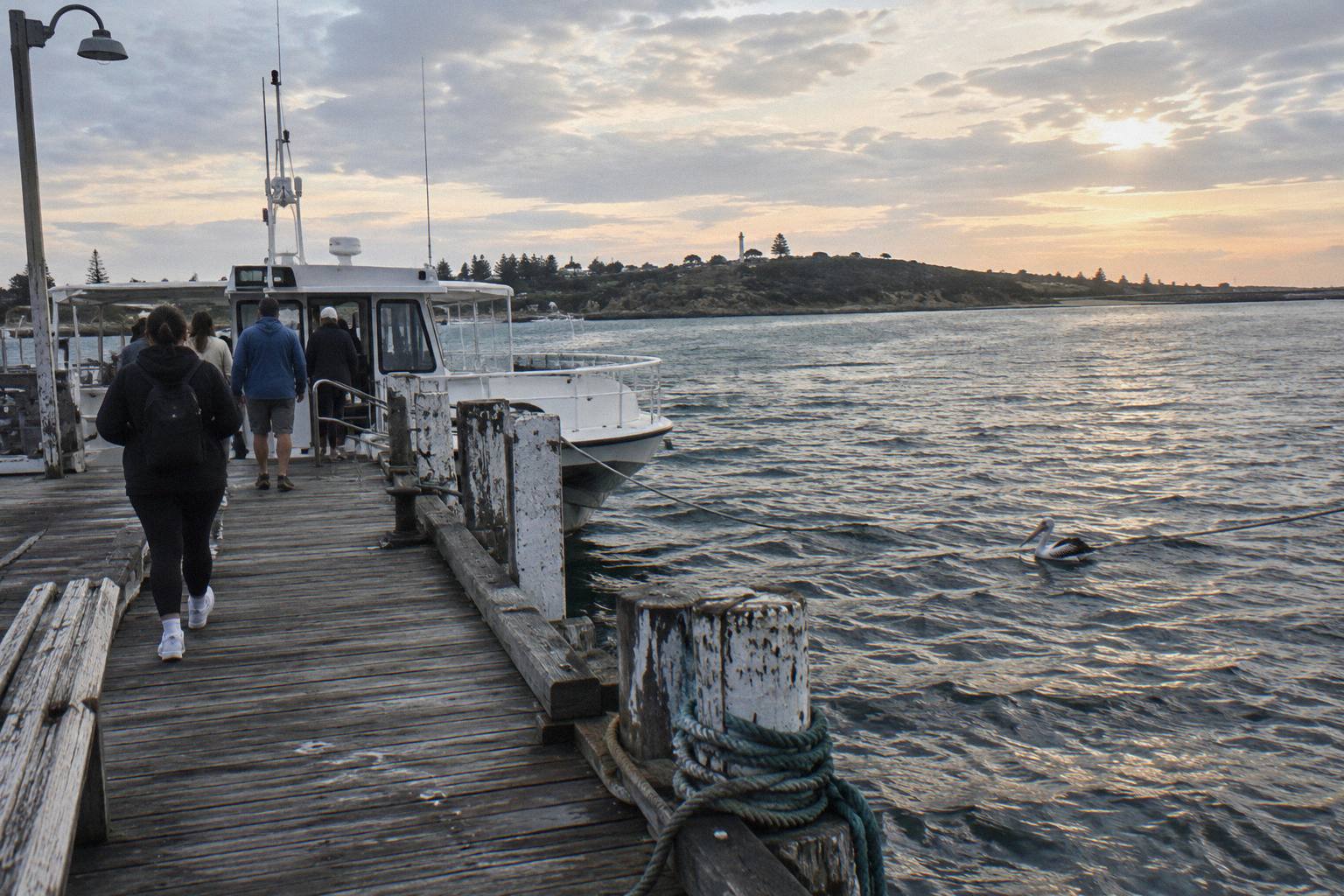
The winter whale cruise is the clearest seasonal alternative for a June to August date, and the operator's terms make trying a date low-risk given the 24-hour cancellation window.
A spring or summer date, by contrast, pairs naturally with the sunset sailing: an afternoon with the seals from Cowes, then the 1 hour 45 minute San Remo evening run with live music and a licensed bar. The seasonal calendar decides which of these fits, and the free-cancellation rule on every one of them leaves the date reversible until a day out.
For a month-by-month weather read alongside the seal calendar, the Bureau's Rhyll climate averages table carries the station figures quoted above, and the deeper month-choosing logic sits in the best month for a seal cruise. Pick the season whose animal phase you want to watch, match it against the climate table, ask the operator the five questions above, and book the date.
Common Questions About Seals By Season
When Are Seal Pups Born At Seal Rocks?
The operator words it as early summer, with the first rockpool plunge in late summer. Reported secondary timing has births from the end of October to mid December, peaking late November to early December.
Which Season Has The Most Seal Cruise Departures?
Summer, when Nature Parks adds 11.00am and 4.30pm extra sailings from 26 Dec to 31 Jan alongside the daily 2.00pm cruise, subject to availability on the booking page.
Do The Seals Moult?
Yes, in the operator's wording autumn is when the pups play and have a first moult.
Can I See Whales On The Seal Cruise In Winter?
The seal cruise is not a whale cruise. Whale products run early June to early August only, with whale sightings worded "Expected 80-85% - not guaranteed".
What Are The Bulls Doing In Spring?
The operator's wording is that the bulls arrive and fight for territory in spring; reported timing has bulls returning in October.
Does The Seal Cruise Run All Year?
Yes, daily at 2.00pm from Cowes Jetty all year, from A$115 per person, with tea, coffee and cake included.