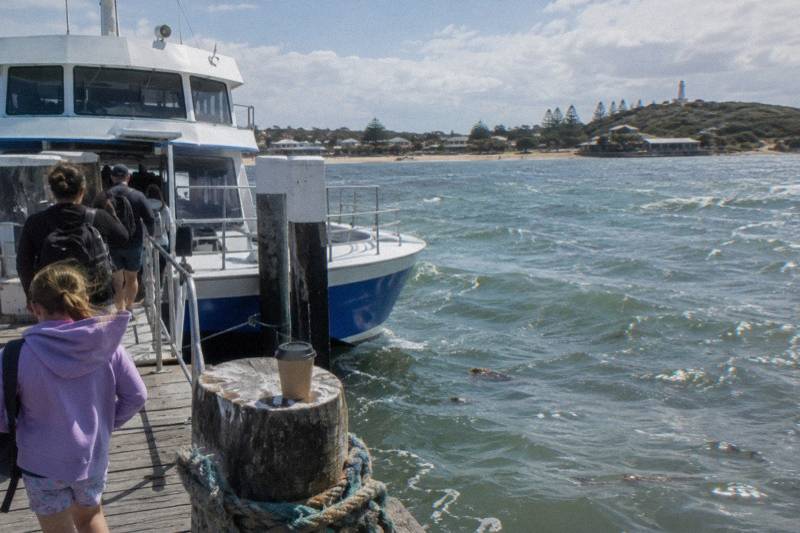
Phillip Island Weather And Sea Conditions For Cruise Day, Month By Month
Weather shapes a seal cruise day more than almost any other decision. Here is what the Rhyll station averages say month by month, how the operator handles rough days, and which cruise fits which conditions.
Short answer
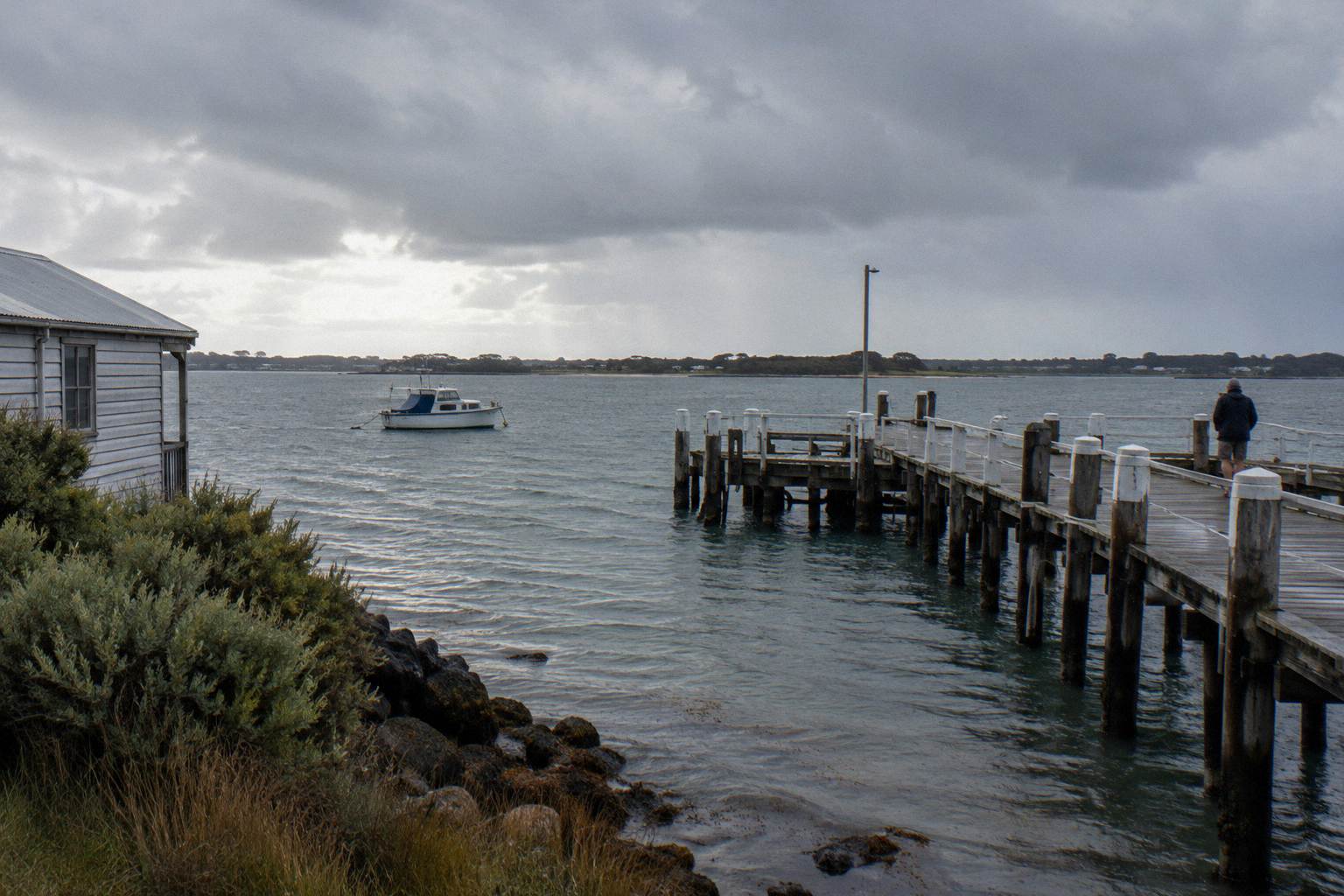
Phillip Island's Rhyll station averages range from a mean maximum of 24.4 °C in February to 13.4 °C in July, with rain days peaking at 12.7 in August. The Seal Rocks cruise from Cowes departs daily at 2pm all year, from A$115 per person, and the operator may change or cancel for weather, then offers a transfer or full refund. All amounts are Australian dollars.
Checking the forecast before a boat trip is sensible, but on Phillip Island it helps to know what the numbers can and cannot tell you. The island has one published set of long term weather averages, the Bureau of Meteorology's station data for Rhyll, and that station sits on the north side of the island on Western Port, in sheltered bay water, not out at Seal Rocks where the cruise actually goes. There is no published sea-state data for Seal Rocks at all, so any page promising wave heights or roughness percentages for that stretch of coast is guessing. What you can plan around is solid: month by month temperature and rainfall averages, the operator's own rules on weather cancellations, and a choice between open-water and bay cruises that matches how your group handles a moving deck. The Seal Rocks Cruise From Cowes runs daily at 2pm all year, from A$115 per person, and check availability for your date if that sailing fits your group. Amounts throughout are Australian dollars.
What The Weather Averages Say Month By Month
The Bureau of Meteorology publishes these figures for station 086373 at Rhyll, and they are the only long term climate numbers on the island with a traceable source. Winter is the coldest part of the year, with July's mean maximum of 13.4 °C and mean minimum of 8.2 °C the low point, and July and August carry the most rain days, 12.4 and 12.7 respectively. Summer runs warm rather than hot by mainland standards, with mean maximums of 24.2 °C in January and 24.4 °C in February. Rainfall in millimetres is spread fairly evenly through the cooler half of the year, from 65.3 to 76.6 millimetres a month between May and October, while February is the driest at 37.0 millimetres. The 3pm wind averages, which is when an afternoon sailing is already out on the water, sit between 16.3 and 21.1 kilometres per hour across the year, with the highest mean at 21.1 in December and the lowest at 16.3 in May. You can read the full station table at the Bureau of Meteorology's Rhyll climate averages.
| Month | Mean max (C) | Mean min (C) | Mean rainfall (mm) | Rain days 1mm+ | Mean 3pm wind (km/h) |
|---|---|---|---|---|---|
| January | 24.2 | 15.7 | 38.4 | 5.1 | 20.8 |
| February | 24.4 | 15.9 | 37.0 | 4.4 | 20.0 |
| March | 22.8 | 14.8 | 38.3 | 6.1 | 18.8 |
| April | 19.7 | 12.7 | 59.2 | 8.4 | 17.4 |
| May | 16.5 | 10.8 | 71.8 | 10.8 | 16.3 |
| June | 14.1 | 9.0 | 66.8 | 10.1 | 18.2 |
| July | 13.4 | 8.2 | 69.7 | 12.4 | 18.5 |
| August | 14.4 | 8.5 | 76.6 | 12.7 | 19.5 |
| September | 16.2 | 9.5 | 65.3 | 11.5 | 19.9 |
| October | 18.2 | 10.7 | 65.3 | 9.7 | 19.4 |
| November | 20.2 | 12.3 | 62.2 | 8.4 | 20.0 |
| December | 22.0 | 13.8 | 45.0 | 6.6 | 21.1 |
Averages answer the packing question more than the sailing question. A February visitor and a July visitor need different jackets, and the difference between four and thirteen average rain days tells you how often an umbrella earns its place in the bag. None of it predicts whether a specific sailing meets swell, because a single day can sit far from its monthly mean in either direction. For a fuller read on what the station data does and does not cover, the month by month detail in choosing the best month for a seal cruise works through the same question from the booking side.
Does Rain Cancel A Seal Cruise
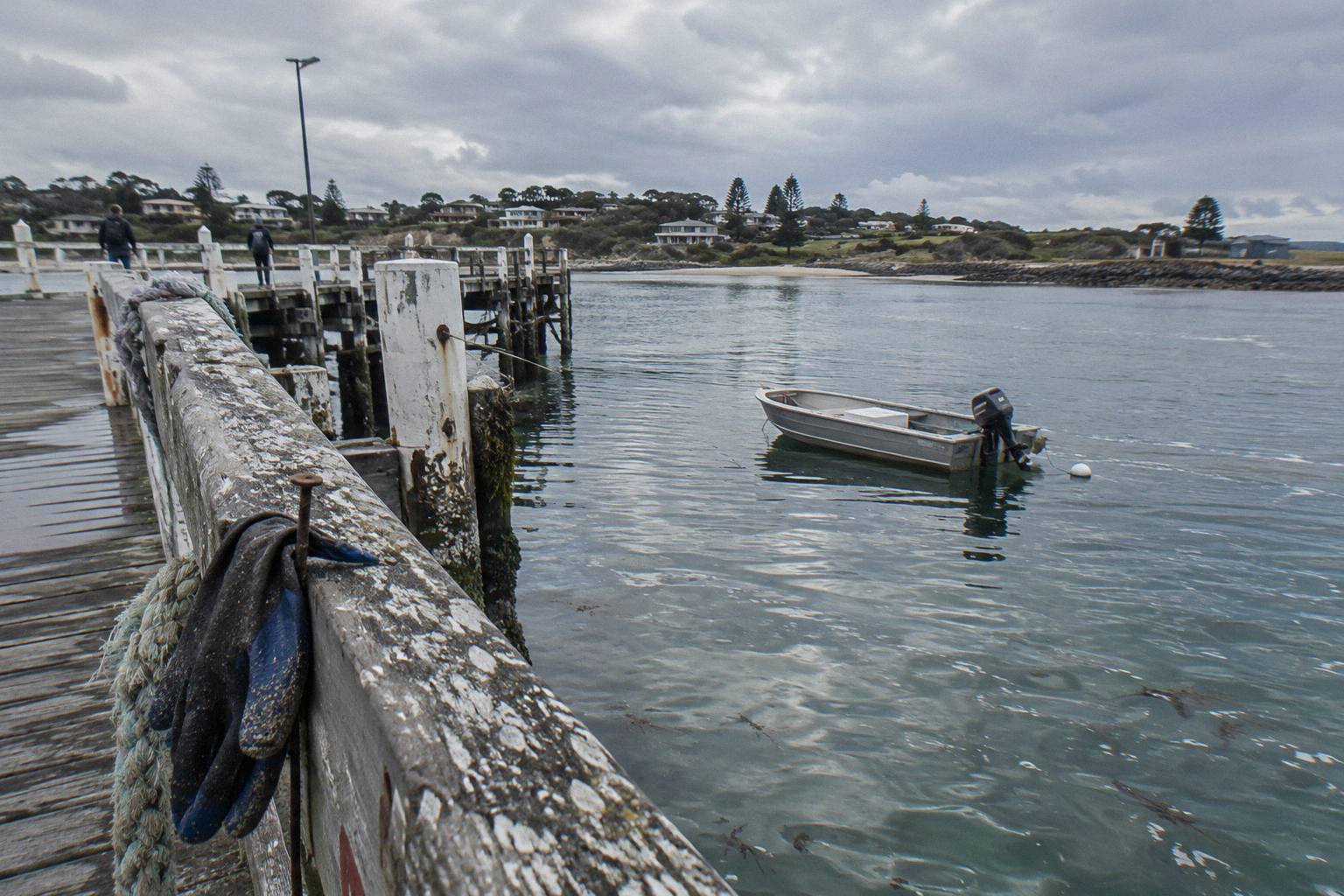
Rain on its own is not what stops a sailing. The operator's terms say cruises are subject to minimum numbers and weather conditions, and the operator may change or cancel when either bites, then offers a transfer or a full refund. A shower over Cowes and a rough sea beyond the point are different problems, and only the second one is the operator's call to cancel. Wet air with a settled sea can still be a good day out.
The practical version of this is simple. You do not decide on the morning whether the cruise runs, the operator does, using conditions on the water rather than the sky above the jetty. Staff advise booked passengers of sea concerns at least the day prior, which means a phone contact held with the booking matters more than an hourly forecast check. If the sailing is changed or cancelled for weather or numbers, a transfer or full refund will be offered, so a cancelled day costs you the trip rather than the money. If you cancel yourself, the rule runs the other way: a full refund up to 24 hours before departure, and within 24 hours or a no-show the fare is forfeited. Those customer-side terms are on the operator's terms page, and every tour covered here shows free cancellation up to 24 hours on its booking page.
Couples booking around a short stay should read the two rules together. If day one blows out and you booked day two as a spare, the operator's transfer covers you; if you booked only day one and cancel inside 24 hours yourself, it does not. Groups of friends splitting costs should note the same asymmetry before anyone commits.
Weather also changes routes rather than just dates. The operator says routes can vary with weather, so the shape of the trip can differ from one sailing to the next on consecutive days with the same skipper. None of that is visible in a forecast app, which is why the decision logic lives around the phone call and the refund rules rather than around a percentage chance of rain.
What The Operator Does When Weather Changes
When conditions turn, the operator's stated sequence is to change the route where possible, or change or cancel the sailing, and then offer every booked passenger a transfer to another date or a full refund. Booked passengers are advised of sea concerns at least the day prior. Minimum numbers sit alongside weather in the same clause, so a lightly booked sailing can be called off on the same terms.
The day prior contact is the piece worth building a plan around. A visitor staying two nights has room to take a transfer; a day tripper who must be back in Melbourne that evening does not, and should know before booking that a transfer lands on a future date rather than a same-day replacement sailing. For someone prone to seasickness, that call is also the moment to weigh up whether the advised conditions suit them at all, alongside the packing and prevention detail in handling seasickness on a seal boat tour.
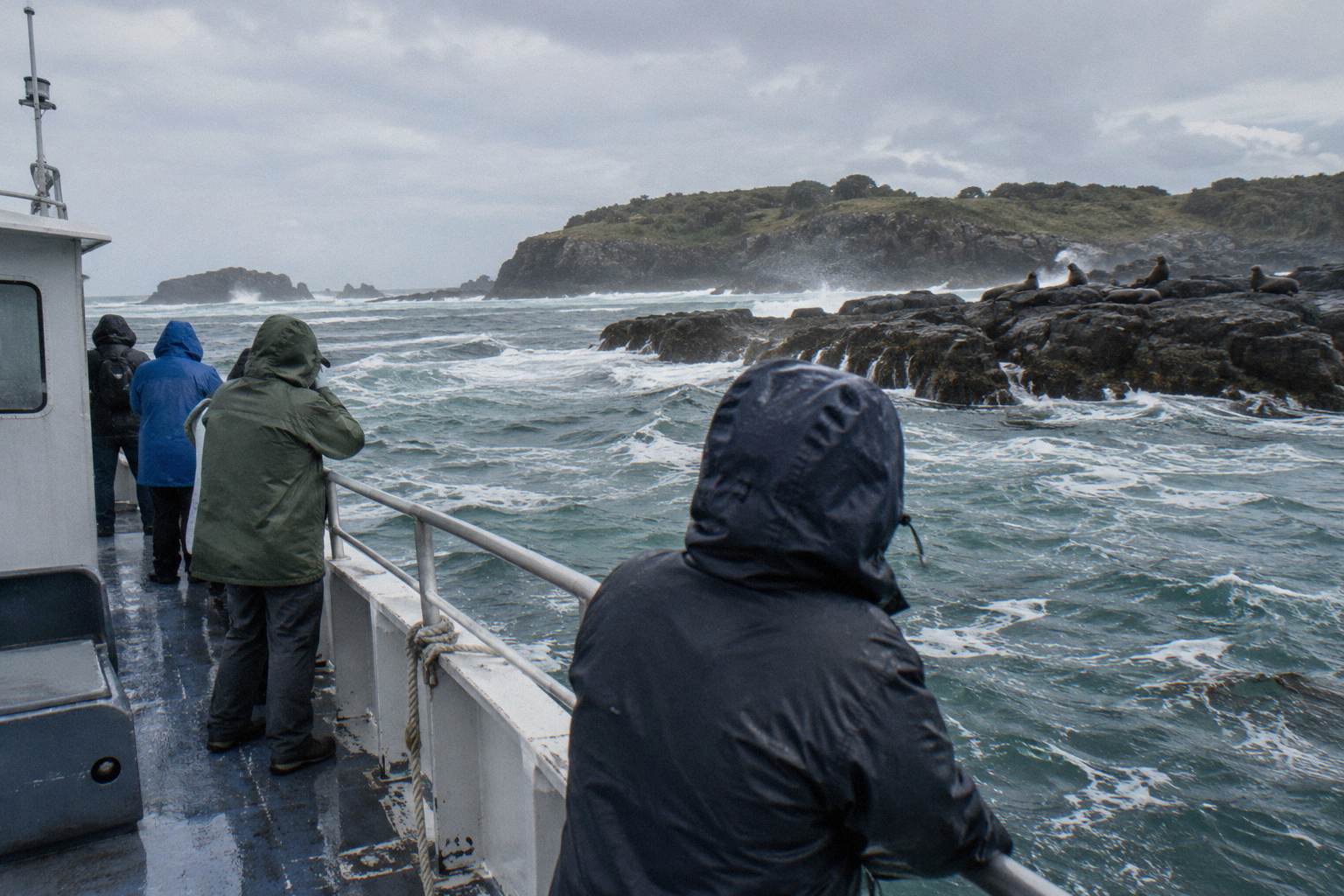
What the operator does not do is promise a condition. The seal cruise travels into open waters, and the operator's own wording is that vessel motion may occur at times and taking motion sickness tablets is recommended. That sentence, published on the operator's frequently asked questions page, applies to the open-water product and not to the bay cruises, which the operator describes as generally calm.
| Situation | What the operator states | What happens to your fare |
|---|---|---|
| Poor weather or minimum numbers not met | The operator may change or cancel the sailing | A transfer or full refund will be offered |
| Sea concerns identified | Booked passengers advised at least the day prior | Sailing stands unless the operator changes it |
| You cancel more than 24 hours before | Full refund per the customer cancellation terms | Full refund |
| You cancel within 24 hours or miss the boat | The cruise departs on time; a missed cruise is forfeited | Non-transferable, non-refundable |
| Route affected by weather | Routes can vary with weather | Sailing runs on a varied route |
Arrival buffers sit inside this too. The operator asks passengers to arrive 30 minutes before departure, with boarding 15 minutes before, and cruises depart on time. On a weather-shifted day the jetty is busier and decisions are being made in real time, so the buffer is when you hear anything that has changed for your sailing.
Wind, Swell And Open Water On The Seal Rocks Cruise
The seal cruise from Cowes leaves the bay and travels into open water toward Seal Rocks, and the operator says vessel motion may occur at times and recommends motion sickness tablets. Bay cruises on the sheltered side are described as generally calm. No published sea-state data exists for Seal Rocks, so wave heights, swell percentages and roughness scores for that stretch of coast appear nowhere here.
That absence of data is worth stating plainly, because weather apps tempt a reader to look for a number that does not exist. The Rhyll station records wind averages, but wind over a sheltered bay town on Western Port is not a measure of swell two kilometres off the island's southwest coast where the seals are. The two are related and not interchangeable, and any attempt to convert one into the other is invention.
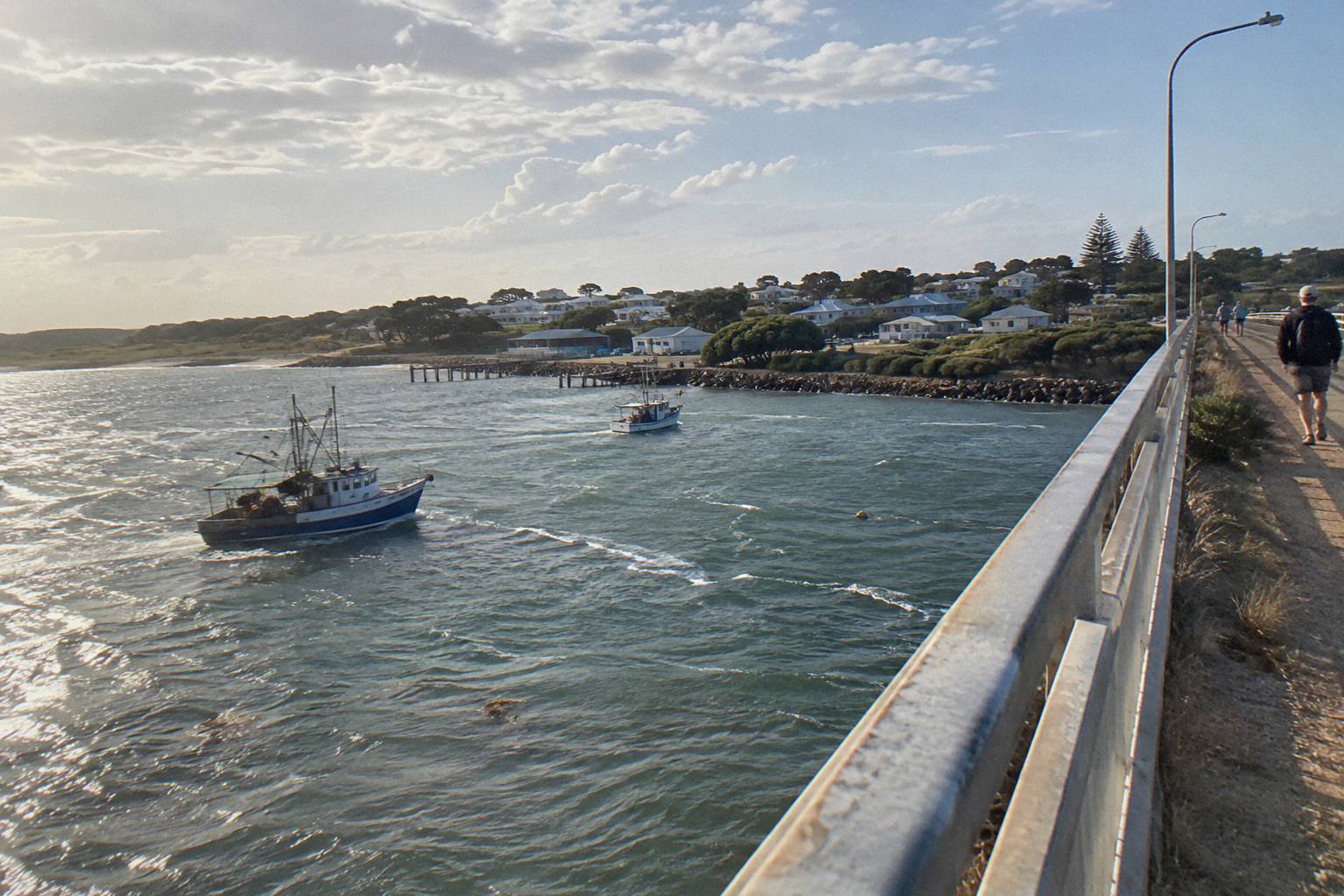
The choice that actually exists is between products. The 2-hour Seal Rocks Cruise From Cowes goes into open water. The 1-hour Cape Woolamai Cruise From San Remo, from A$49 per person, works along the cliffs of Cape Woolamai and under the Phillip Island bridge on the bay side. The 1 hour 45 minute Sunset Cruise From San Remo, from A$79 per person, is also a sheltered-water outing, one hour before sunset, with live music and a licensed bar. A first-time visitor who wants the seals takes the open-water cruise and manages the motion; a group that wants a calm hour on the water with cake and commentary takes the bay option. The head to head in cape cruise or seal cruise comparison works through that decision in more depth.
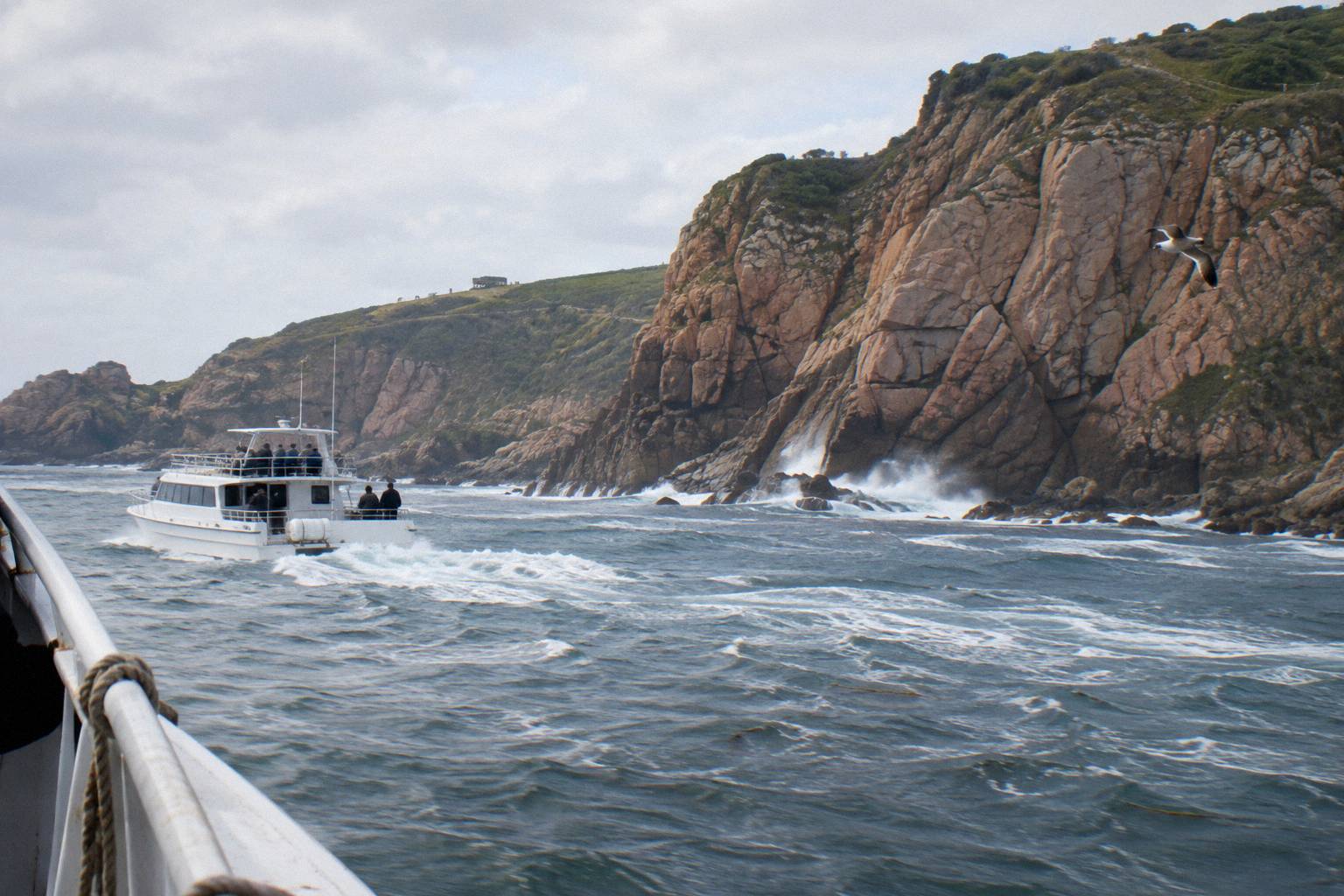
A reader prone to seasickness should treat the operator's own wording as the planning baseline. Vessel motion may occur at times, tablets are recommended, and the undercover cabin gives a sheltered spot, though seating is not designated and inside seating is not guaranteed. Checking with a doctor before a boat trip and telling the operator when booking are the two steps that sit outside weather planning entirely.
Which Cruise Suits Which Conditions And Traveller
For a first-time visitor wanting seals, the open-water Cowes cruise is the product, managed with the operator's own motion advice. For a family with young children, the 1-hour bay cruise keeps the trip short and generally calm. For a couple on a summer evening, the sunset sailing trades seals, which it does not promise, for music, a licensed bar and a fruit and nibbles platter on flat water.
Families should weigh the child rules alongside the water type. Ages 3 to 15 travel on a child ticket and infants 0 to 2 are free, the bow deck is restricted to people over 1 metre tall, and all children need an adult with them. An hour of bay water is a different proposition for a restless five-year-old than two hours of open water, and the operator does not publish a minimum age for the seal cruise, so ask when booking if yours are very young. The family angle is unpacked further in taking kids on a seal cruise.
A visitor without a car has a simpler calculation than it first appears. Cowes Jetty and San Remo Jetty are both reachable on the island, and the drive from Melbourne is about 90 minutes to two hours, with the operator asking for extra time in late December, January and on long weekends. Winter visitors between early June and early August can also weigh the whale products against the seal cruise, remembering the operator's whale wording is "Expected 80-85% - not guaranteed".
Couples deciding between an afternoon on open water and an evening on the bay should note what each one includes. The seal cruise serves complimentary tea and coffee with cake on the return; the sunset cruise serves a fruit and nibbles platter with drinks from the licensed bar to buy. Neither includes hotel pickup, and the operator offers no Melbourne pickup at all, which matters if your whole day is built around public transport.
A group of friends with mixed interests can split the difference without doubling the budget. The Cape Cruise runs from San Remo all year from A$49 per person and takes in the cliffs of Cape Woolamai and a run under the Phillip Island bridge, so it works as a low-commitment sampler for anyone unsure about two hours of open water. If someone in your group fancies speed instead, the 30-minute Thundercat from San Remo Jetty to the sea caves and Bird Rock carries a minimum age of 5, a maximum of 120 kg per person and 300 kg per boat, and does not guarantee seals either.
Winter travellers get a genuine choice of durations. The Winter Whale Cruise from Rhyll Jetty runs 8:30am to 12:30pm from A$179 per person, while the Dolphin and Whale Cruise from San Remo runs 1pm to 4pm from A$135, both daily early June to early August. A visitor with limited time may prefer the shorter afternoon departure.
Concession holders with seniors, student or pension cards pay less, a Companion Card gives 50% off an adult fare, and a family fare covers 2 adults and 2 children. Note that none of the cruises is wheelchair accessible, and seating is not designated.
What To Ask The Operator Before You Book
Five questions cover the weather-dependent ground: what the advised sea conditions are for your date, whether a transfer can land on a date you can actually make, what the minimum numbers position looks like, whether the bow deck rule affects anyone in your party, and what the cancellation terms mean for the specific fare category you are buying. Every one of these has a stated answer or a stated rule behind it.
None of this is idle questioning. The operator's terms put minimum numbers and weather in the same clause, so a quiet weekday sailing in August can be affected by something other than the sky. The day prior advice means a booking needs a working contact number. The 1 metre bow rule is an operator rule on the bay cruises too, not just the open-water one. And the fare categories, adult, concession, child 3 to 15, infant 0 to 2 free, family of 2 adults and 2 children, and group of 5 or more, each carry their own amount on the booking page, which shows the figure for your date.
| Question to ask | Why it matters | Where the rule comes from |
|---|---|---|
| What are the advised sea conditions for my date? | Passengers are advised of sea concerns at least the day prior | Operator FAQ |
| Can a transfer land on a date I can make? | Weather cancellations offer a transfer or full refund, not a same-day swap | Operator terms |
| Is my sailing affected by minimum numbers? | Cruises are subject to minimum numbers and weather conditions together | Operator terms |
| Does the 1 metre bow rule affect anyone in my group? | The bow deck is restricted to people over 1 metre tall | Operator rules |
| What does my fare category cost for my date? | Categories differ and amounts sit on the booking page | Booking page |
Fitting The Rest Of The Island Around The Forecast
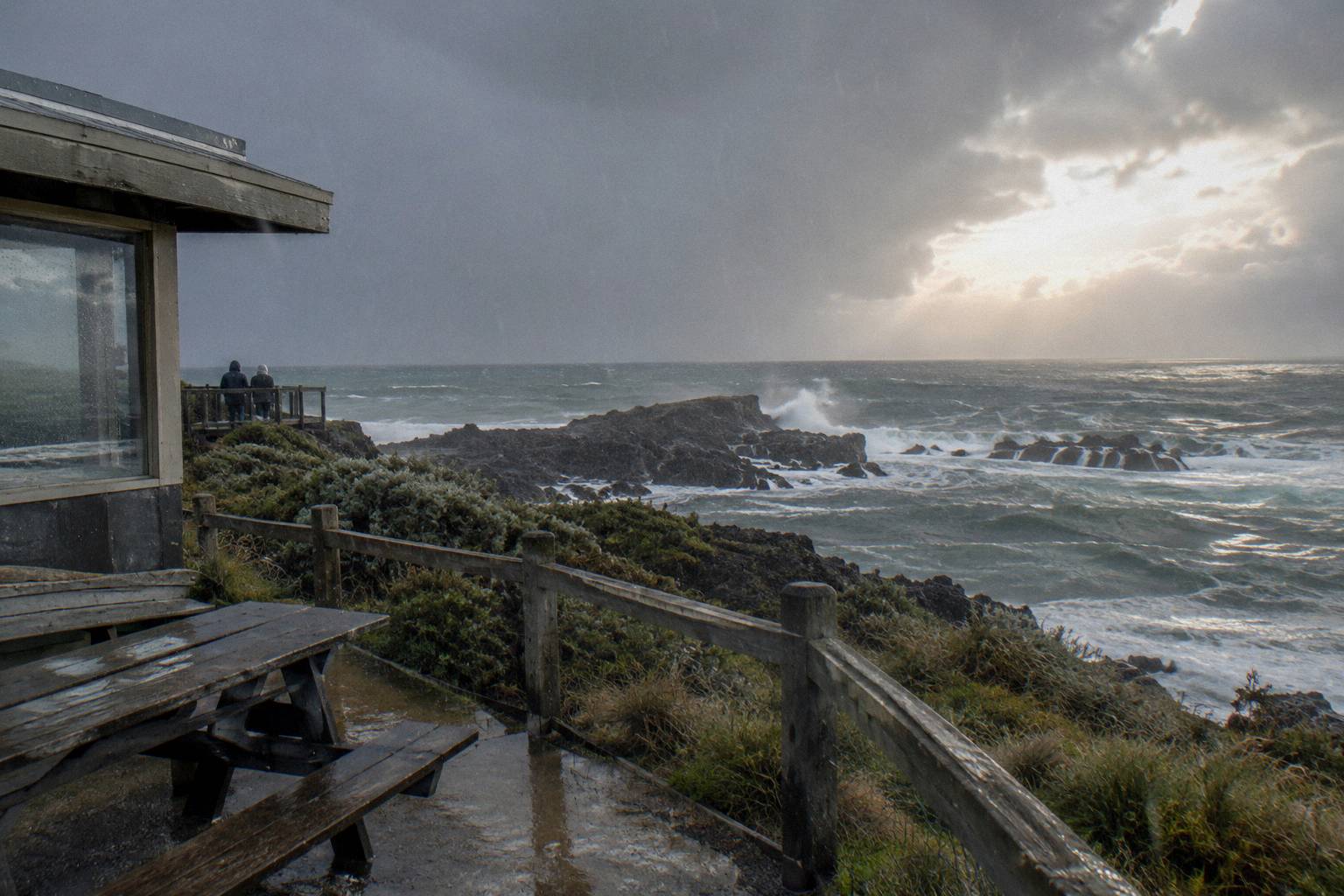
The 2pm seal cruise sits in the middle of the afternoon, which leaves the morning free for the Koala Conservation Reserve, open 10:00 to 17:30 with last entry at 17:00, and the evening for the Penguin Parade, where arrival is sunset-based and everyone including infants needs a ticket. Rain days push weight toward the indoor and undercover options, and the Nobbies boardwalks stay open while the Nobbies Centre, cafe and toilets are closed.
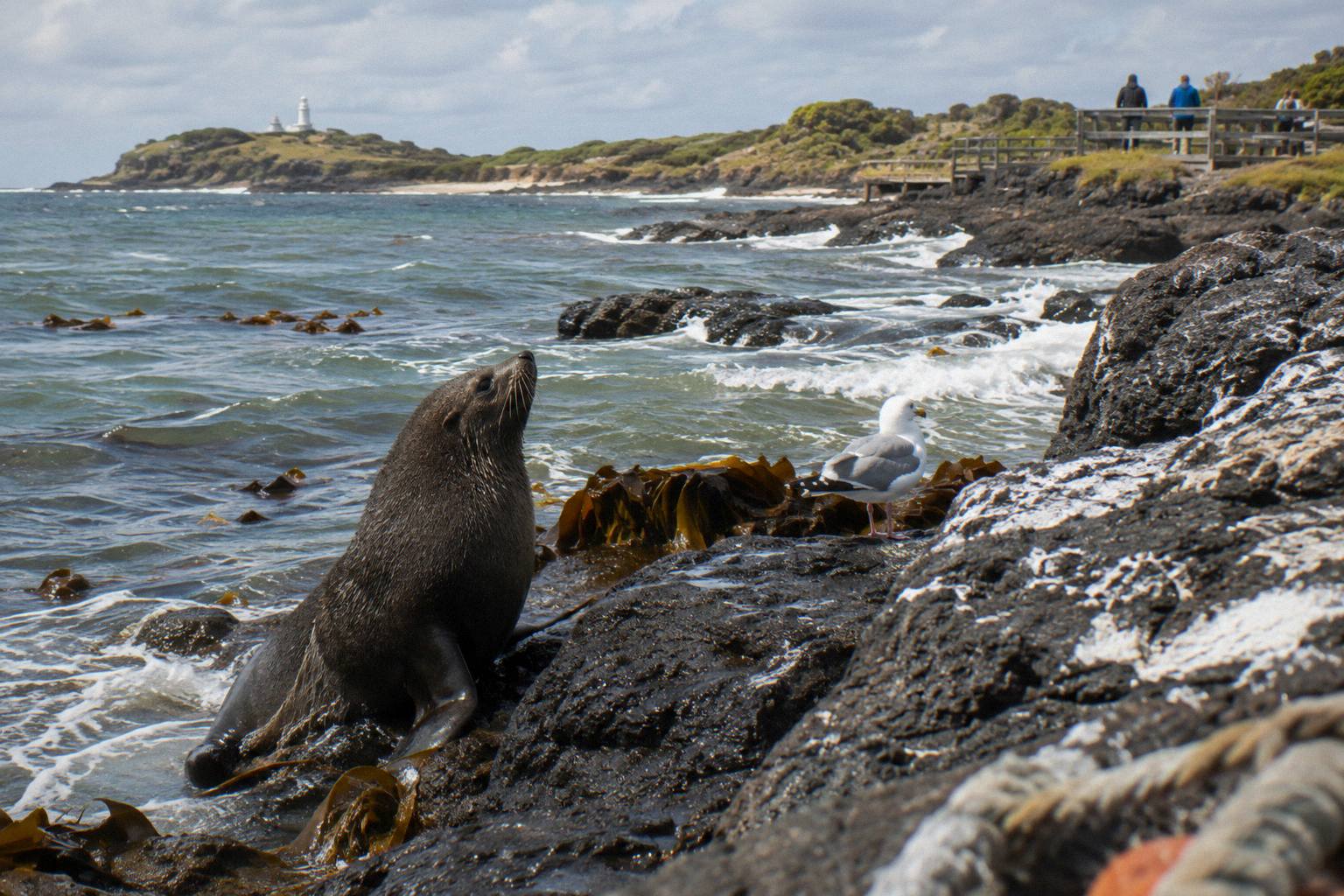
That last point catches people. The boardwalks and car park at the Nobbies are open, but the centre, its cafe and its toilets are closed, so plan food and facilities around the Penguin Parade Visitor Centre, which is open from 12pm daily with its own cafe and toilets. Land-based viewing of the seals on Seal Rocks from the Nobbies area exists, as the Victorian wildlife authority notes for its protected areas around the breeding colony, but the rocks sit about 2 km, the operator's figure, offshore, and no page should promise what a given day shows from the boardwalk.
The wider framing is in two ways to see Seal Rocks from boat and boardwalk, and a full day plan around the sailing is laid out in a day built around a 2pm cruise and the parade. If rain settles in, the free and low-cost options that still work around a cruise day are collected in free things around a seal cruise day.
For the full set of seal and wildlife cruises from Cowes, San Remo and Rhyll, Phillip Island Seal Cruises lists them with fares and departure points, and each one carries the same free cancellation up to 24 hours on its booking page.
Mistakes That Catch People Out On Weather Days
The mistakes that catch people out on weather days are cutting the arrival buffer and forfeiting the fare, assuming rain means cancellation when the operator actually judges the sea, expecting a same-day replacement sailing when a transfer means another date, booking a single night with no room to move, dressing for the monthly average rather than the actual day, and reading bay-station averages as a sea-state forecast for Seal Rocks.
Arrive 30 minutes before departure, boarding 15 minutes before, and the cruise departs on time: a missed sailing is forfeited, non-transferable and non-refundable. Rain does not cancel the trip by itself; the operator may change or cancel for weather or minimum numbers and offers a transfer or full refund, so wait for the operator's advice rather than self-cancelling inside the 24 hour window. A transfer is a future date, so a day tripper with a hard evening commitment has no fallback. A one-night stay leaves no room to absorb a moved sailing. The monthly mean is not the day's forecast. And the Rhyll figures describe air and rain over the north of the island, never the swell off the southwest coast. On the water side, remember the whale cruises run only early June to early August, the sunset cruise promises no seals, and the operator offers no Melbourne pickup: all three catch bookers who skimmed rather than read.
How The Seasons Change The Sailing Itself
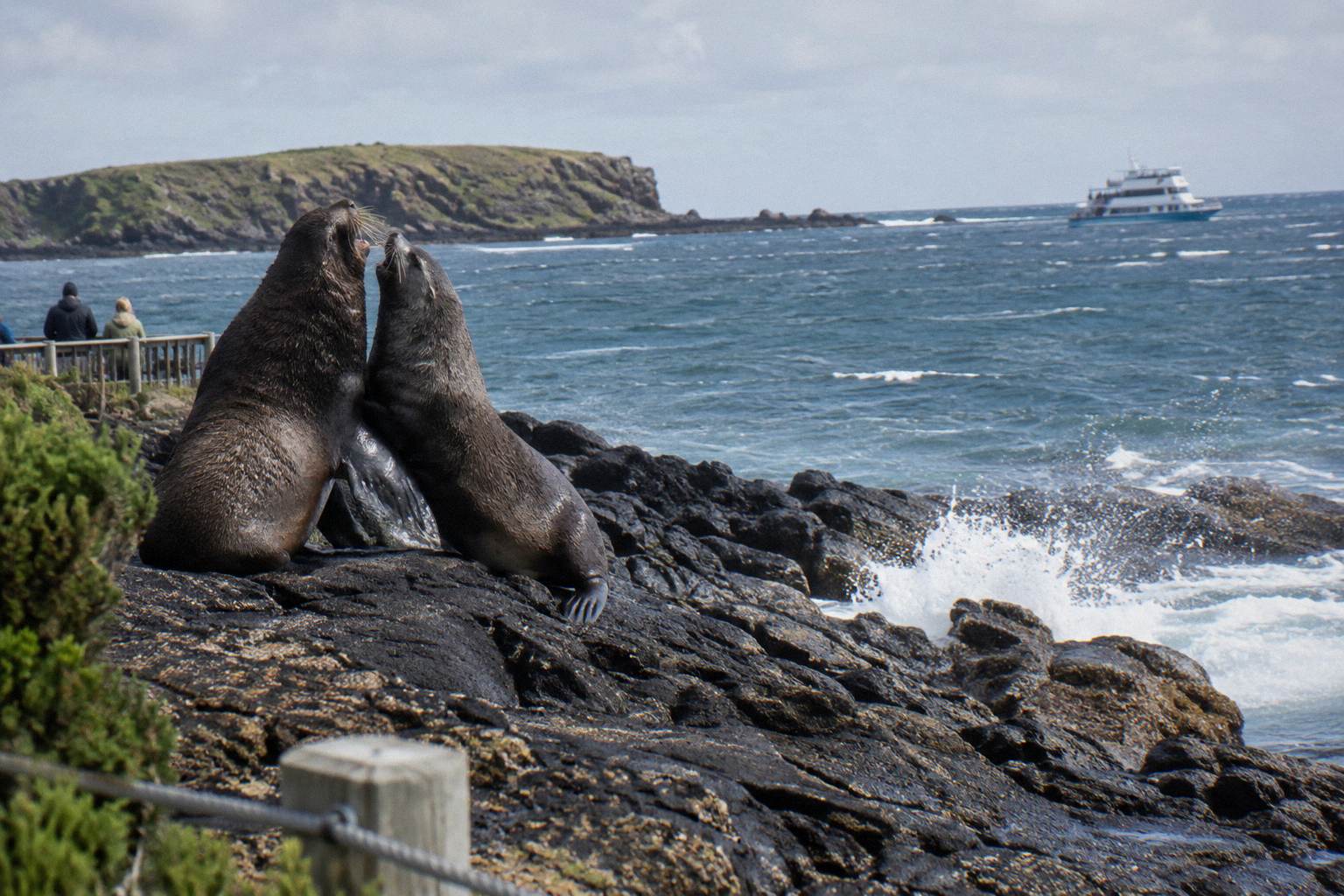
The seal cruise runs daily at 2pm all year, with extra sailings at 11.00am and 4.30pm from 26 Dec to 31 Jan, so the season changes the crowd, the daylight and the seals' behaviour rather than the schedule. The operator's seasonal text has summer as breeding season with pups born early in summer, autumn as the pups' play and first moult, winter as weaning, and spring as the bulls arriving to fight for territory.
None of that promises a sighting on a chosen day. The operator's "An average of 5000+ seals sighted up close" is a marketing average across cruises, not a colony size and not a per-day figure, and no sighting is guaranteed by any product on the island. What the seasonal text does give you is a reason to prefer one part of the year over another: a late-summer sailing falls in the season the operator describes as the pups' first rockpool plunge, a spring sailing falls in the bulls' territorial season. How that maps onto months and fares is worked through in seals by season on the rocks.
Winter deserves one correction of a common assumption. The coldest months are not the dead months: the whale cruises run daily early June to early August, and winter visitors can pair a morning whale sailing from Rhyll with the 2pm seal cruise, subject to the same weather terms. The trade is comfort, with July's mean maximum of 13.4 °C and mean minimum of 8.2 °C, and the highest rain-day counts of the year. Warm layers are a packing decision the station data supports; anything stronger about winter conditions on the water would be invention.
The choice in the end is straightforward. If the seals are the point, book the open-water cruise from Cowes, hold a spare half day if you can, keep the 24 hour cancellation rule on your side, and let the operator's day prior advice settle the sea question. If calm water and a short outing matter more, the bay cruises from San Remo run on the sheltered side from A$49 per person. Weather decides the texture of the day; the rules decide the money.
The schedule itself gives you a planning lever. If your dates fall between 26 Dec and 31 Jan, the 11.00am and 4.30pm extras let you choose a departure around the forecast rather than around the seals, though Nature Parks asks you to check availability for those sailings. Outside that window the single 2pm departure fixes your day, which matters for families with young children who want the morning free regardless of season.
The reported birth timing adds a second layer the seasonal labels alone do not give. Bulls are reported to return in October, with births from the end of October to mid December and a peak late November to early December, and the large bulls are reported to leave in late December. Combine that with the operator's calendar and a pattern emerges: a late November sailing sits in the reported peak of both births and the bulls' territorial fighting, while a February sailing sits in the season the operator describes as the pups' first rockpool plunge. None of this tells you what you will see from the boat on any given day.
For winter visitors deciding between options, the whale cruises give a third layer of choice. The Winter Whale Cruise from Rhyll runs 8:30am to 12:30pm and the Dolphin and Whale Cruise from San Remo runs 1pm to 4pm, both daily early June to early August, both carrying expected sighting rates the operator states as not guaranteed. The 1pm San Remo start and the 2pm Cowes seal cruise overlap, so pairing means the Rhyll morning sailing, and even then the timings are tight.
Common Questions About Phillip Island Weather And Sea Conditions
Does Rain Cancel The Seal Cruise?
Rain alone does not. The operator may change or cancel a sailing for weather or minimum numbers, and then offers a transfer or full refund. Booked passengers are advised of sea concerns at least the day prior, so wait for the operator rather than self-cancelling inside the 24 hour window.
Are The Bay Cruises Calmer Than The Seal Rocks Cruise?
The operator describes its bay cruises as generally calm, while the seal cruise travels into open waters where vessel motion may occur and motion sickness tablets are recommended. The Cape Woolamai cruise and the Sunset cruise both run on the sheltered bay side from San Remo.
What Is The Wettest Month On Phillip Island?
By the Rhyll station averages, August has the most rain days of one millimetre or more at 12.7, and also the highest mean rainfall in millimetres at 76.6. July is close behind at 12.4 rain days. These are station averages, not a forecast.
Is There Sea-State Data For Seal Rocks?
No published sea-state data exists for Seal Rocks. The Rhyll station records air temperature, rainfall and wind on the north side of the island on Western Port, and none of it converts into a swell or roughness figure for the open water off the southwest coast.
What Happens If The Operator Cancels For Weather?
The operator offers a transfer to another date or a full refund. A transfer means a future sailing, so if your stay is short, ask before booking whether a moved date can work for you.
Which Month Has The Best Weather For A Cruise?
February has the fewest average rain days at 4.4 and a mean maximum of 24.4 °C, the warmest of the year. The cruise runs daily at 2pm all year, so the month choice is about comfort and crowd rather than availability.