Photographing Seals From A Moving Boat: Lenses, Settings And Where To Stand
A camera changes the way a seal cruise is planned. The rules on board, the deck restrictions and the boat's motion matter more than any setting, and the operator states its limits plainly.
Short answer
The Seal Rocks Cruise From Cowes runs 2 hours from Cowes Jetty, from A$115 per person, and the operator says the boat drifts within meters of the seals. Drones and underwater GoPros on poles are banned, the bow deck needs people over 1 metre tall, and seating is not designated.
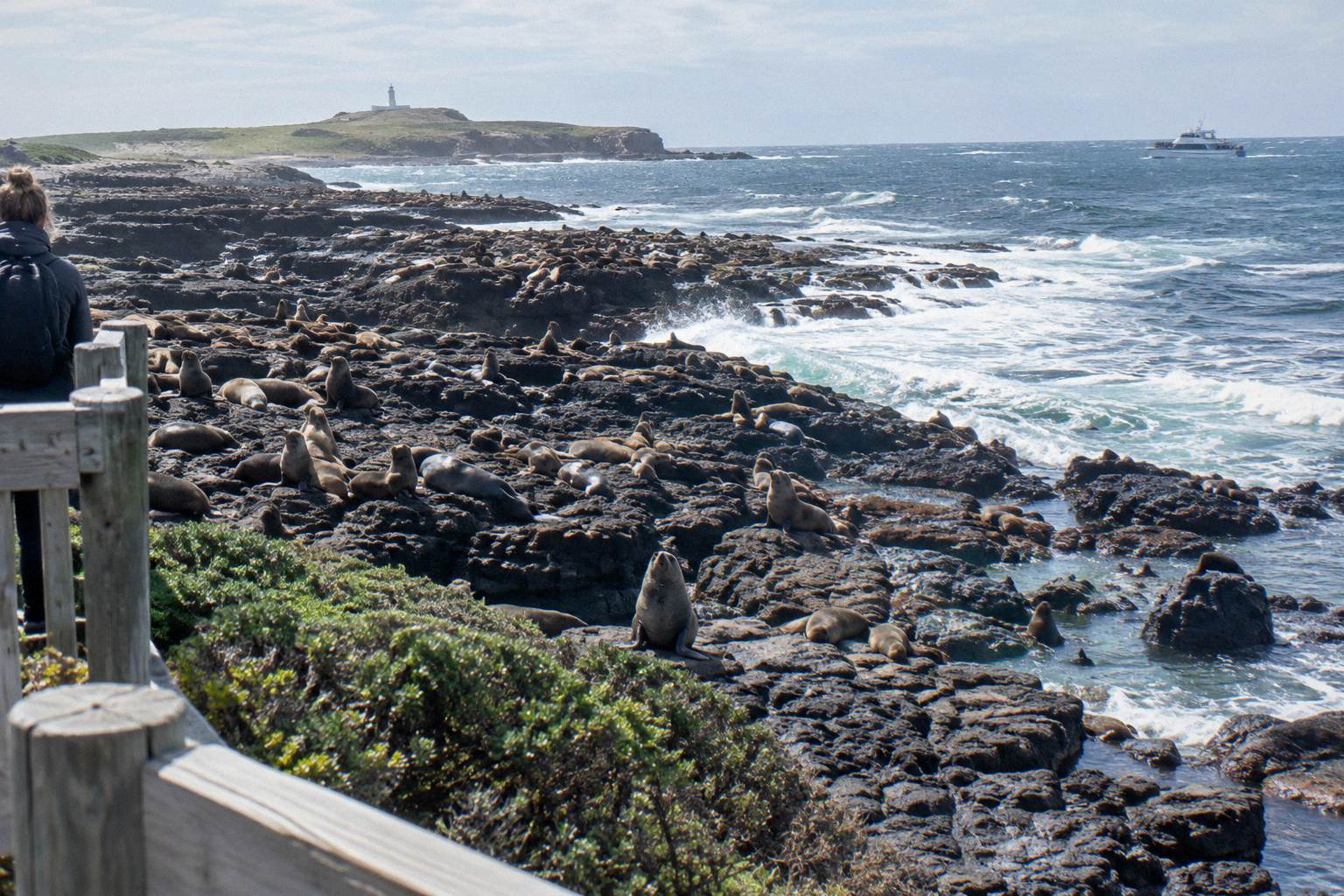
A camera changes how a seal cruise gets planned. The seals are the easy part: Seal Rocks sits about 2 km off the southwest coast, the operator's figure, and the boat spends its two hours in that stretch of open water. The variables a photographer actually controls are smaller and mostly stated in advance: where you may stand, what gear is allowed on board, and how the seating works when nobody has a designated spot. The operator, Wildlife Coast Cruises, publishes its rules on these points, and they decide more of the day's picture haul than any camera setting.
The starting point is the Seal Rocks Cruise From Cowes, from A$115 per person, rated 4.9 from 236 reviews on one booking page and 4.8 from 152 on a second, 380+ reviews combined. All amounts in Australian dollars. The cruise departs Cowes Jetty daily at 2.00pm all year, with extra peak sailings at 11.00am and 4.30pm from 26 December to 31 January. For the shape of the whole outing, the two-hour seal boat tour guide walks through the schedule and the jetty, and the practical side of what to wear on a seal cruise matters when you are holding gear in open wind.
What The Moving Boat Means For Your Camera
The boat moves through open water, so plan every shot around motion: handheld shooting beats a tripod for most of the sailing, bracing against the vessel matters more than a stable plate, and any setup assuming a fixed position needs a fallback. Since motion sickness tablets are recommended, keep gear simple and reachable.
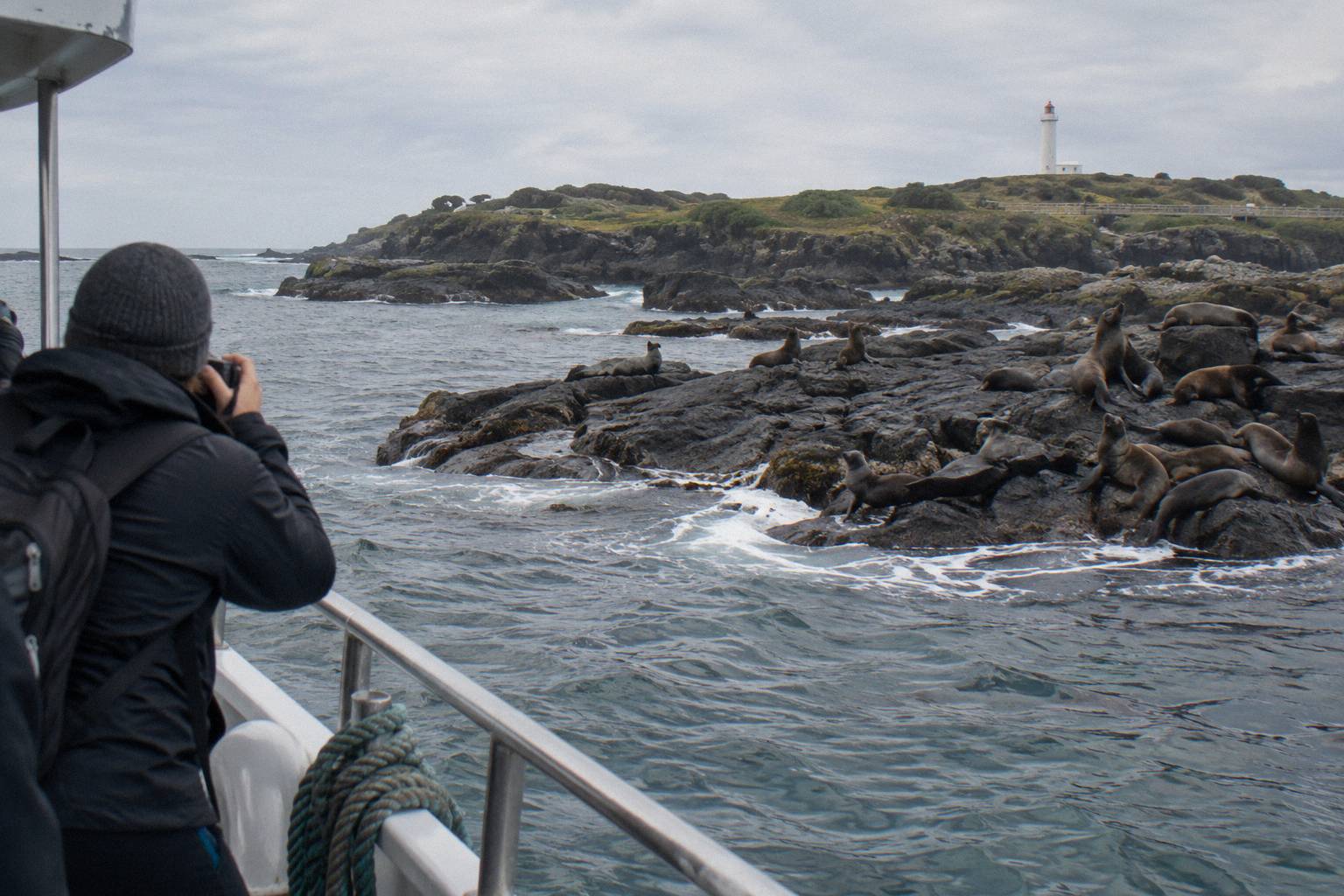
Motion is the constraint here, and the operator words it directly. The cruise crosses into open water, and on many cruises you may experience some swell and rough seas at times. A photographer reading that should plan around three consequences. First, anything loose on deck is a risk, so gear that stays zipped in a bag between shooting bursts travels better than gear left on a seat. Second, the boat's rail and structure become the support: a forearm locked against a rail removes more shake than any setting change. Third, timing changes, because the boat rises and falls on the swell and the horizon tilts through the frame between beats.
The second stated fact is drift. The operator says the boat drifts "within meters of the seals", and describes "an average of 5000+ seals sighted up close" across its cruises. Those are the operator's words and an average, not a promise of what any single sailing delivers. For a photographer the practical reading is that the close phase of the cruise arrives with the engines quiet, which is also when the boat is most stable and the deck is quietest underfoot. The Victorian environment department notes that the colony's seals are accustomed to humans and can be approached reasonably closely by boats, which is the regulatory backdrop to how these cruises operate, and that boats must not approach within 60 metres of the low water mark at Seal Rocks, with licensed tour operators permitted closer under their permit conditions. None of that is a photography tip, but it explains why the boat handles the approach the way it does.
If the open-water crossing is the part that worries you, the reading on seasickness on a seal boat tour covers the operator's own advice, including that staff advise booked passengers of sea concerns at least the day prior. A camera bag that can be worked one-handed is worth more on this cruise than on a calm bay run.
Where You Can Stand On Board To Shoot
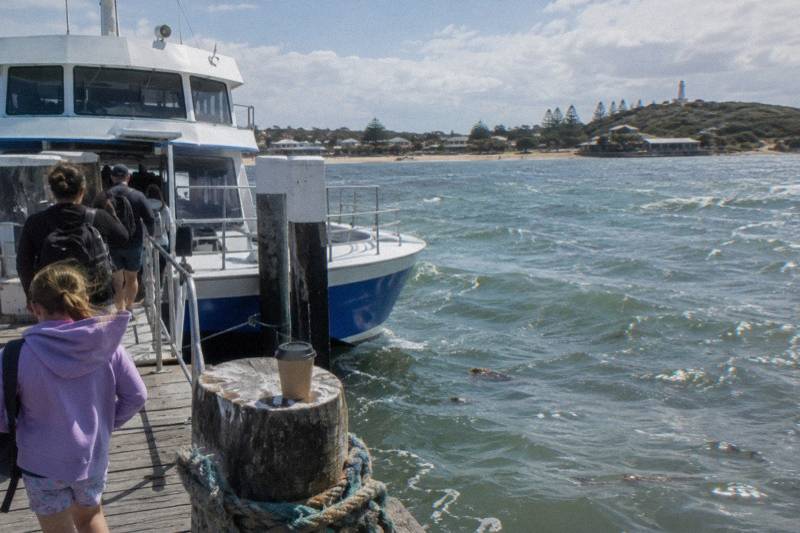
Seating on board is not designated and inside seating cannot be guaranteed, but there is undercover viewing, and the one deck with a stated rule is the bow, which the operator restricts to people over 1 metre tall. Nothing on board is reserved, so a photographer who wants a specific position should arrive early, since the operator says boarding starts 15 minutes before departure.
The deck rules are the ones photographers ask about first, so they deserve their own table. The operator states them plainly and they apply to every passenger, camera or no camera.
| Rule on board | What the operator states | What it means for a photographer |
|---|---|---|
| Bow deck access | Restricted to persons over 1 metre tall | The forward deck is open only to taller passengers; anyone under a metre, which includes most toddlers, stays behind |
| Seating | Not designated | No reserved spot; a position claimed at boarding can be kept, but nothing is held |
| Inside seating | Not guaranteed | An indoor position may not be available, so plan for time on the open deck |
| Undercover viewing | Exists on board | There is a covered position for weather and for gear protection |
| Toilets | On board, unisex and disabled | A dry indoor space, useful for lens changes away from spray |
| BYO alcohol | Not permitted | No drinks on deck that could splash gear or passengers |
Arrival timing is the quiet lever here. The operator asks passengers to arrive 30 minutes before departure, with boarding 15 minutes before, and says cruises depart on time. A missed cruise is forfeited, non-transferable and non-refundable, so the 30-minute buffer protects the whole photographic day, not just the ticket. Boarding early is also the only stated way to improve your odds of a preferred deck position, since nothing is designated and inside seating is not guaranteed.
The height rule deserves a plain word for families. The operator's child scale runs 3 to 15 for child tickets with infants 0 to 2 free, and the bow rule is a separate height test, not an age test, so a tall 4-year-old may pass it while a short adult-sized teenager never fails it. The full picture is in the guide to taking kids on a seal cruise, including that all children must be supervised by an adult. Prams are not addressed by the operator, so ask when you book if a pram changes your deck plan.
For the full set of seal and wildlife cruises from Cowes, San Remo and Rhyll, Phillip Island Seal Cruises lists them with fares and departure points.
What Camera Gear Is Allowed And Not Allowed
Drones are banned outright on the cruises, and underwater GoPros mounted on poles are also not allowed; beyond those two stated rules, no other camera gear is prohibited or specifically regulated. Since the boat has undercover viewing, crosses open water, and offers no designated photo spots, the practical setup is one camera with one lens in reach and a bag that closes. Anything more elaborate is your own working method, not an operator promise.
The bans are worth a table of their own because they are the only hard gear rules the operator publishes, and they trip up photographers who arrive with aerial plans.
| Item | Status on the cruise | Source |
|---|---|---|
| Drone | Not allowed | Operator rules |
| Underwater GoPro on a pole | Not allowed | Operator rules |
| Handheld camera and lenses | No restriction stated, ask the operator about very large rigs | Operator rules as published |
| Tripod or monopod | No restriction stated, but the boat moves and decks are shared | General practice |
| Accredited assistance dogs | Only accredited assistance dogs are allowed | Operator rules |
| BYO alcohol | Not permitted | Operator rules |
The drone ban has a wider legal frame. The Victorian environment department sets drone distance rules around marine mammals at 500 metres, with 300 metres for licensed operators, which exists on top of the operator's own blanket ban on board. So a drone is out twice over for this cruise: the boat says no, and the colony's rules restrict the airspace regardless. A pole-mounted GoPro falls under the same operator ban, which closes the usual trick of dunking an action camera on a stick toward the water. A handheld camera pointed from the rail is fine.
Between the bans, the useful planning questions are the operator's own logistics. Tea and coffee are complimentary on board, with cake served on the return, and there is a licensed bar with Eftpos. None of that is camera advice, but a hot drink and a dry toilet compartment both matter on a two-hour open-water crossing, and the operator's frequently asked questions page is where the published rules sit. The choice of jetty and arrival routine is covered in the guide to Cowes Jetty on cruise day, including where the ticketing office is.
Which Cruise Suits A Photography Day Best
For a photography day focused on seals, the Seal Rocks cruise from Cowes is the best pick: it runs 2 hours from A$115 and is the one that actually goes to the colony. The Cape Woolamai cruise from San Remo, 1 hour from A$49, does not include seals, while the 4-hour winter whale cruise from Rhyll, from A$179, visits Seal Rocks only as a bonus beside its whale headline.
The comparison a photographer actually makes is time on the water versus subject.
| Cruise | Jetty | Duration | From price | Stated photography relevance |
|---|---|---|---|---|
| Seal Rocks Cruise From Cowes | Cowes Jetty | 2 hours | from A$115 per person | Goes to Seal Rocks; operator says the boat drifts within meters of the seals |
| Cape Woolamai Cruise From San Remo | San Remo Jetty | 1 hour | from A$49 per person | Cliffs of Cape Woolamai and under the Phillip Island bridge; seals are not part of it |
| Winter Whale Watching Cruise From Rhyll | Rhyll Jetty | 4 hours | from A$179 per person | Visits Seal Rocks; whale sightings "Expected 80-85% - not guaranteed" |
The Cape Woolamai cruise earns its place in a photographer's week on a different basis: it is a one-hour run, from A$49 per person, rated 4.6 from 453 reviews on one booking page and 4.7 from 80+ on a second, and its subjects are the cliffs of Cape Woolamai and the passage under the Phillip Island bridge. Seals are not part of it, so it is a coastal-shapes outing rather than a wildlife one, and the two are best understood as two outings from the same operator rather than competing seal trips. The trade-off between them is laid out in cape cruise or seal cruise, which wildlife boat.
The whale cruise from Rhyll is the winter option: 4 hours, daily early June to early August, 8:30am to 12:30pm, from A$179 per person, rated 4.9 from 28 reviews on one booking page and 4.7 from 97 on a second. It visits Seal Rocks, and its whale sighting rate is worded by the operator as "Expected 80-85% - not guaranteed". Four hours on winter water is a serious commitment for a camera bag, but it is the sailing that pairs the colony with the whale season. The seasonal reasoning is in best month for a seal cruise, and the whale-side specifics in can you see whales on a seal cruise or do you need a winter cruise.
The Seal Rocks cruise itself runs daily at 2.00pm, which places the colony visit in the afternoon. Peak extra sailings at 11.00am and 4.30pm from 26 December to 31 January exist, with the operator asking you to please check availability, and a photographer weighing light direction against crowd size may find one of those extras suits better than the standard departure. The sunset cruise or afternoon seal cruise comparison covers the evening alternative, though it must be said plainly: the Sunset Cruise From San Remo promises no seals.
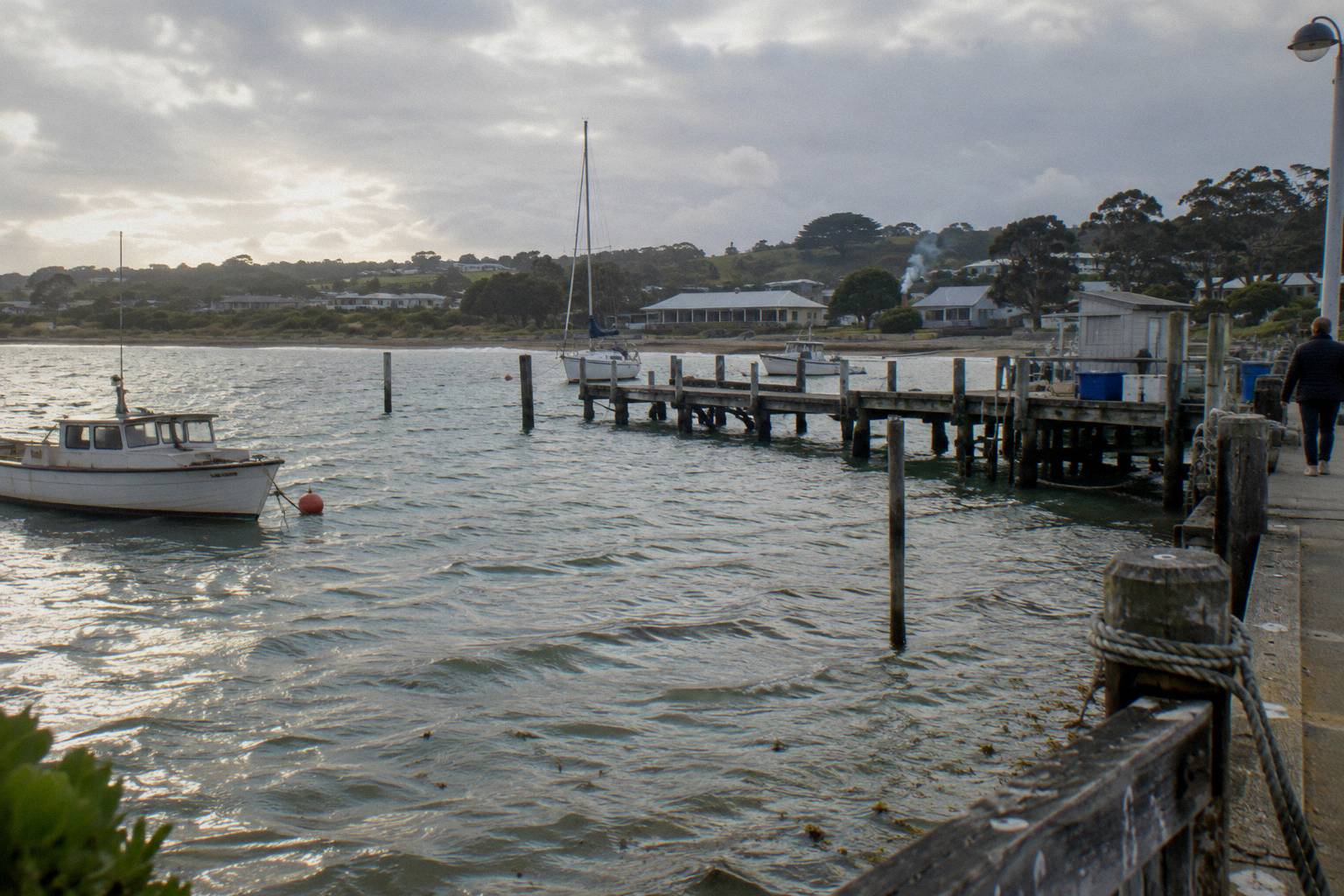
If you are building a whole day around the camera rather than one sailing, the geography matters: the Seal Rocks cruise leaves from Cowes Jetty, where the ticketing office is the white domed roof building and boarding happens at the end of the jetty, while the Cape, Sunset, and Dolphin And Whale cruises all leave from San Remo Jetty at 170 Marine Parade, by the Fishermans Co-op, and the whale cruise leaves from Rhyll Jetty at 16 Beach Road. Two outings from two different jetties in one day is possible, but you need to build in the transfer time yourself, since no operator figure covers travel between towns.
The winter months open a fourth option the seal-versus-Cape comparison never mentions. The Dolphin And Whale Cruise from San Remo runs 3 hours, early June to early August, 1pm to 4pm, from A$135 per person, and carries the same operator wording for whales, plus "Dolphin sightings (Expected 80%)", with nothing promised. It does not appear in the operator material as a Seal Rocks visit, so treat it as a whale-and-dolphin shoot, not a colony one.
For a photographer weighing commitment against insurance, every one of these cruises lists free cancellation up to 24 hours on its booking page. That gives you a way to hold a slot on the 2.00pm seal sailing and still change your mind if the forecast turns, without paying for a day you would rather spend ashore. Pair that with the 12 noon pelican feeding noted on the operator's Cape Cruise page and you can sequence a noon coastal shoot in San Remo before an afternoon run to the seals from Cowes.
How Different Photographers Should Plan The Day
A first-time visitor with one camera should anchor the day around the 2.00pm sailing and treat deck position as the only real decision, while a family photographer works within the 1-metre bow rule and the supervision requirement. A group of friends splits the deck between bow shooters and rail shooters, a visitor without a car checks jetty access first, and anyone prone to seasickness packs for the crossing before packing the camera.
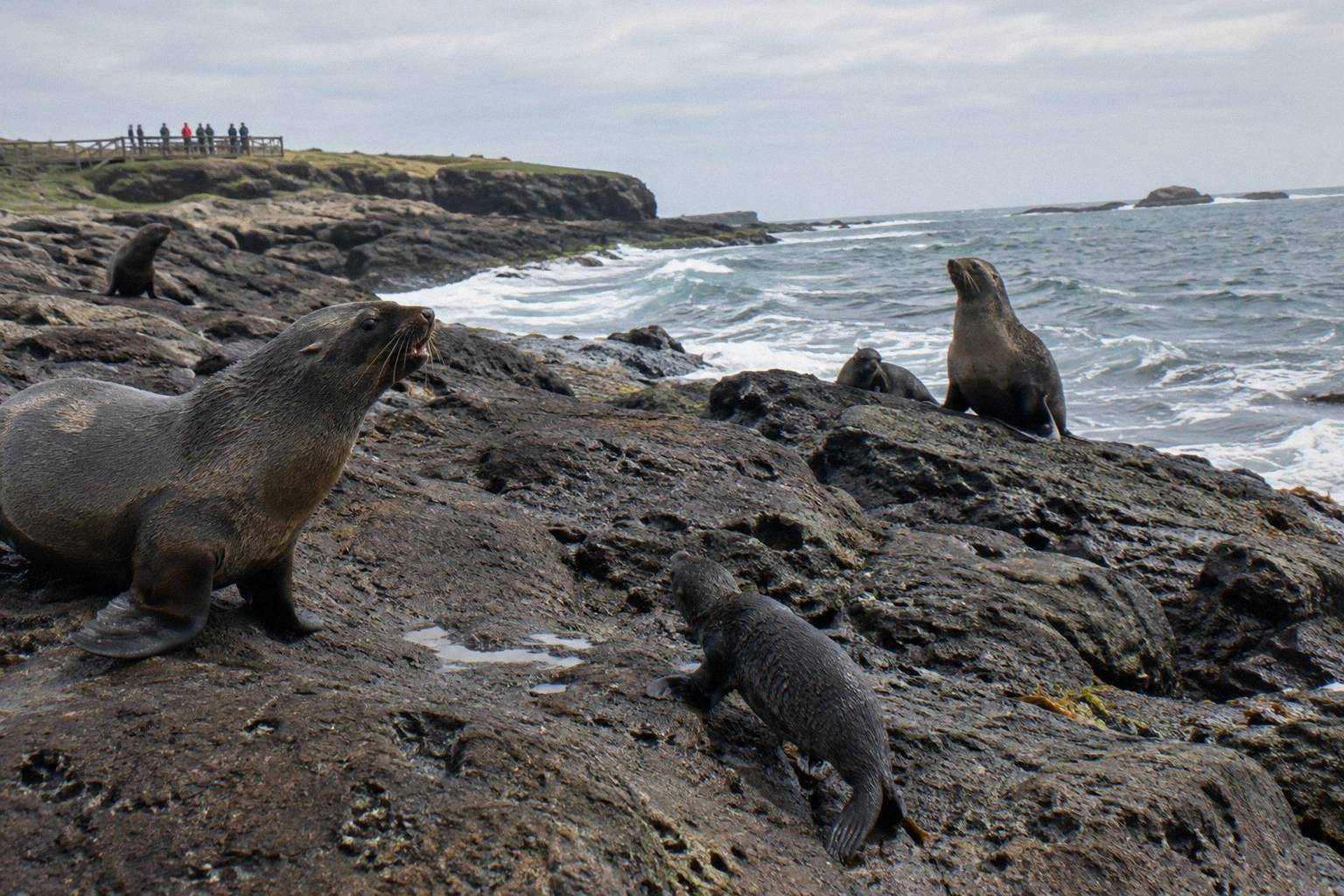
For a first-time visitor, the simple sequence is: arrive 30 minutes early at Cowes Jetty, board in the first 15 minutes, pick a rail position with the colony side in mind, and keep the bag closed until the drift phase. The rating picture, 4.9 from 236 reviews on one booking page and 4.8 from 152 on a second for the Seal Rocks cruise, reflects a large pool of ordinary passengers, and the operator makes no special promises to photographers. Nothing needs to be more complicated than that.
A family photographer should read the bow rule as the day's constraint. The bow deck is restricted to people over 1 metre tall, all children must be supervised by an adult, and seating is not designated, which means an adult holding a camera is also the adult supervising. That combination pushes the family plan toward the undercover viewing area and the inner rail, where a short child can see without the bow. Nature Parks' own child scale, 4 to 15, applies to its venues and not to this cruise, so keep the two scales separate when planning.
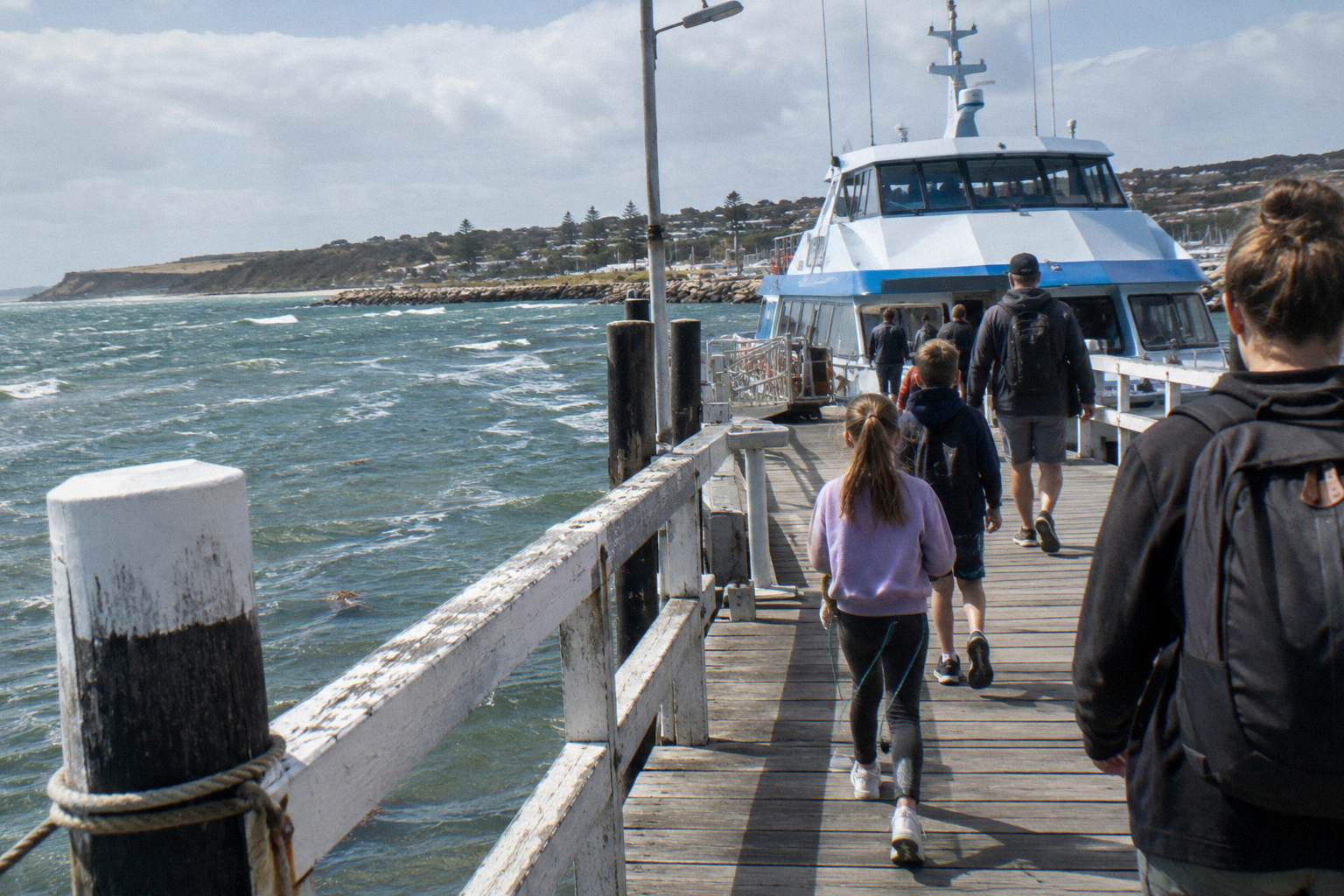
For a group of friends, the lack of designated seating works in your favour: the group can spread along one rail rather than compete for a single bow spot, and the 2-hour duration leaves room to rotate positions as the boat turns. A group of 5 or more is a fare category the operator recognises, with the booking page showing the amount for your date, so a photography club outing is worth a direct conversation when booking.
A visitor without a car has the clearest homework. The operator offers no Melbourne pickup, the V/Line coach reaches Cowes with no train connection, and the choices are set out in getting to Cowes for a seal cruise from Melbourne. The jetty comparison itself, Cowes versus San Remo, is covered in San Remo jetty or Cowes jetty for your cruise. Someone prone to seasickness should treat the operator's motion advice as binding on the camera plan too: if tablets are recommended, the day's best pictures come from the sailor who took them.
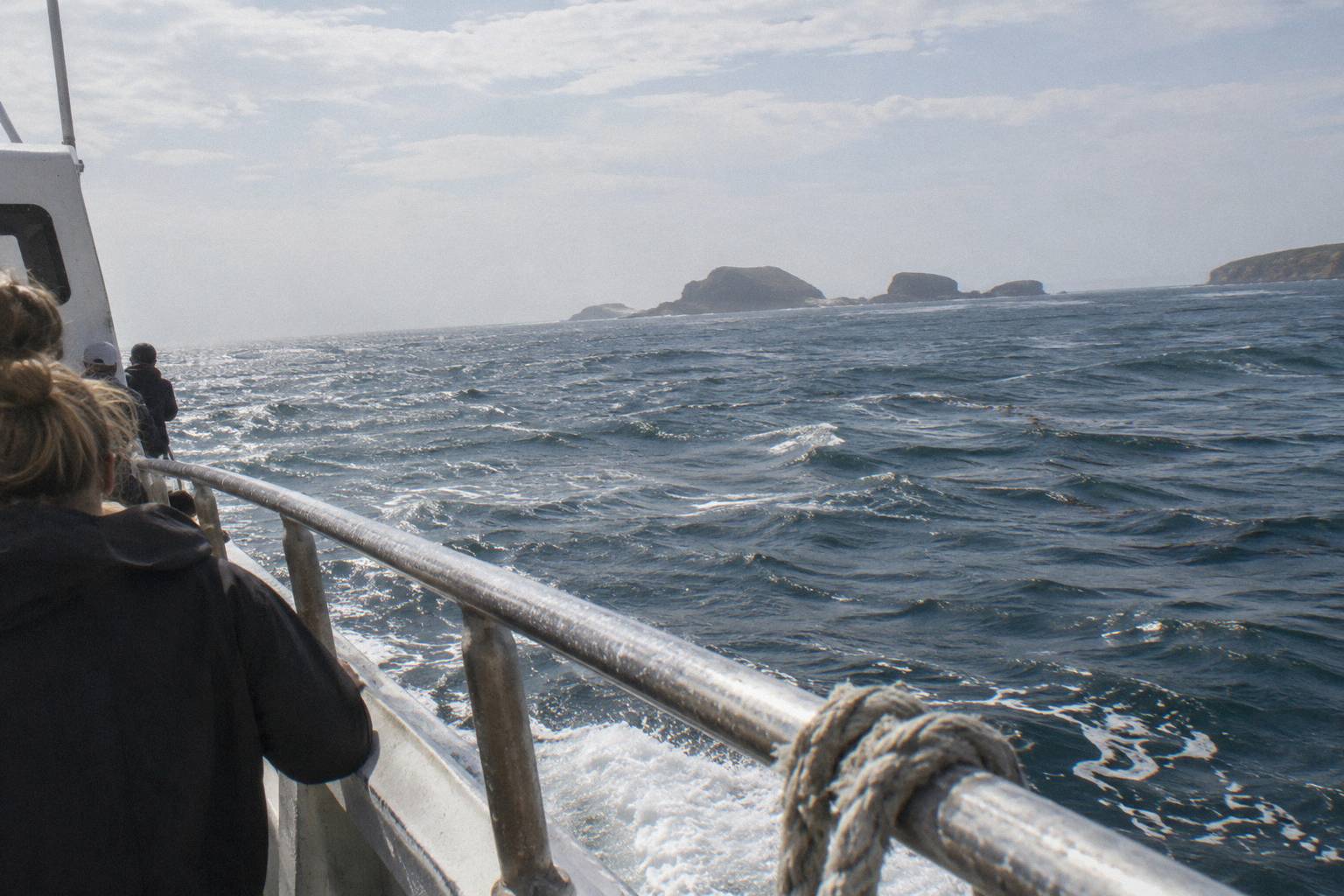
What To Ask The Operator Before You Book
Before booking, ask the operator five things the page may not settle: whether your date has the standard 2.00pm sailing or a peak extra, what the forecast outlook means for the route, how the bow deck rule applies to your group's heights, what shelter exists for gear if weather turns, and whether a large rig changes anything. Operators answer by email or phone, while fares and free cancellation terms are confirmed on the booking page.
Free cancellation up to 24 hours on the booking page applies to the Seal Rocks cruise, and the operator's own terms state that customer cancellations of Phillip Island departures get a full refund up to 24 hours before departure, with anything inside 24 hours or a no-show forfeited. In the other direction, the operator may change or cancel for weather or minimum numbers, and then a transfer or full refund is offered. Those two clauses together are the whole risk picture for a photography day booked around a forecast.
| Question to ask | Why it matters for photos |
|---|---|
| Is my date a 2.00pm sailing or a peak extra? | Peak extras at 11.00am and 4.30pm run only 26 Dec to 31 Jan, subject to availability |
| What does the forecast mean for the route? | Routes can vary with weather, and staff advise booked passengers of sea concerns at least the day prior |
| Does the bow height rule affect anyone in my group? | The bow needs people over 1 metre tall; plan positions accordingly |
| What shelter is available if weather turns? | Undercover viewing exists and inside seating is not guaranteed |
| Is a large camera rig an issue? | No restriction is stated beyond the drone and GoPro-pole bans, so ask if in doubt |
The booking page also carries the practical fare categories: adult, concession, child 3 to 15, infant 0 to 2 free, family of 2 adults and 2 children, and group of 5 or more, with the booking page showing the amount for your date. The operator says it adds no booking fees or surcharges on its own booking page, once and plainly stated. For photographers who prefer to see the colony from land first or add a boardwalk stretch to the day, the Nobbies boardwalk or a seal cruise comparison is the companion read, noting the Nobbies Centre itself is closed while the boardwalks and car park stay open.
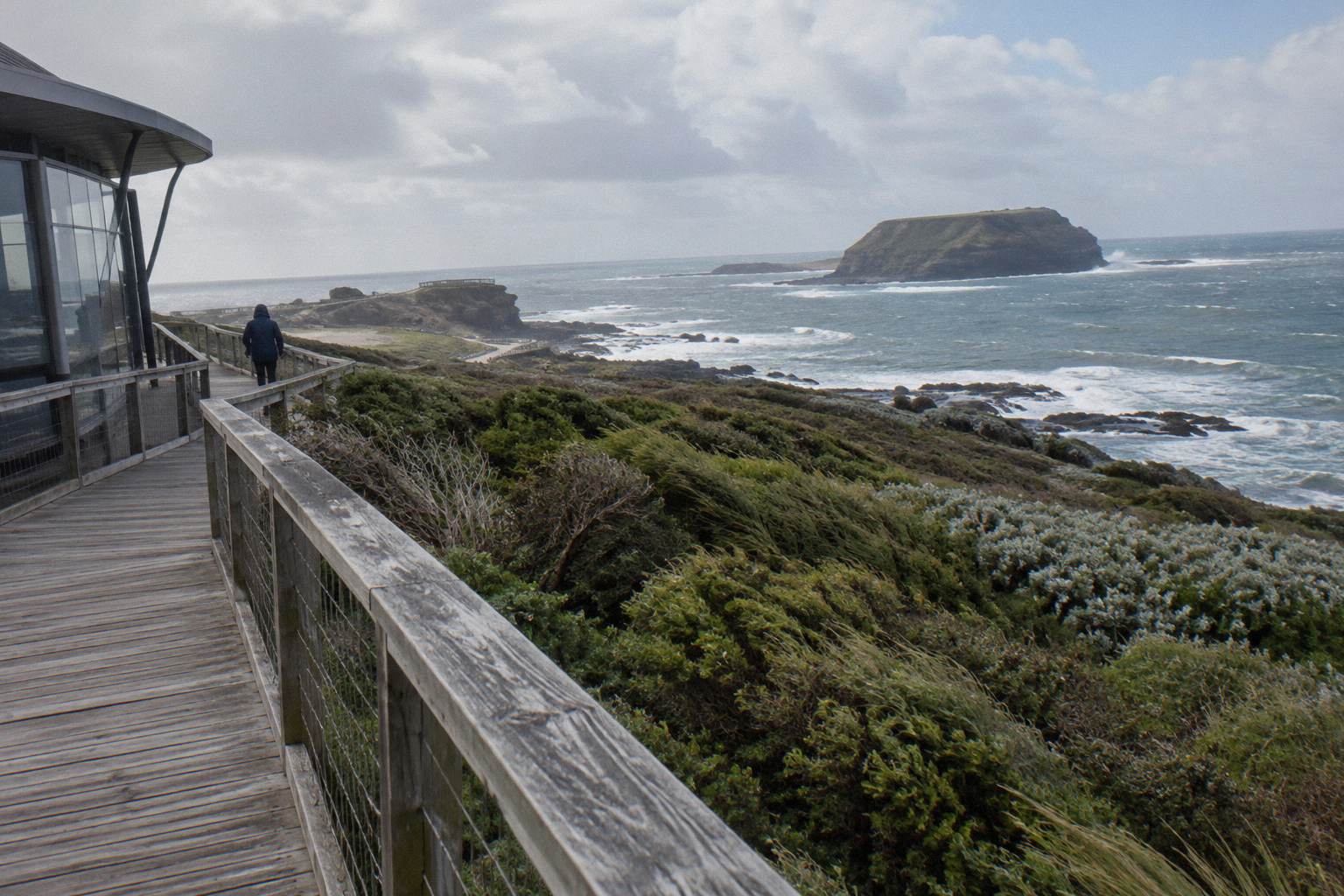
A photographer weighing land viewing against the boat can check availability on the sailing that reaches the colony itself.
Check availability on the Seal Rocks cruise.
Photographing Seals Through The Year
The Seal Rocks cruise runs all year, with summer the breeding season when pups are born in early summer, autumn bringing play and a first moult, winter weaning, and spring the arrival of bulls fighting for territory. No sailing is guaranteed to show any of it, and the only published climate numbers are the Bureau of Meteorology's Rhyll station averages, which describe the island's north side rather than the open water at Seal Rocks.
The seasonal text is the operator's own wording and it is worth repeating as wording, not as prediction. Reported secondary sources add that bulls return in October and births run from the end of October to mid December, peaking late November to early December, with large bulls leaving in late December. Published scientific pup counts at Seal Rocks stand at 5,660 in 2007, 4,092 in 2013 and 3,865 in 2017, with no later absolute count found; those are reported research figures, and no 2024 to 2026 count exists to print. The deeper colony picture, including why Seal Rocks supports about a quarter of all Victorian seals per the Victorian environment department, is in Seal Rocks colony size and distance offshore.
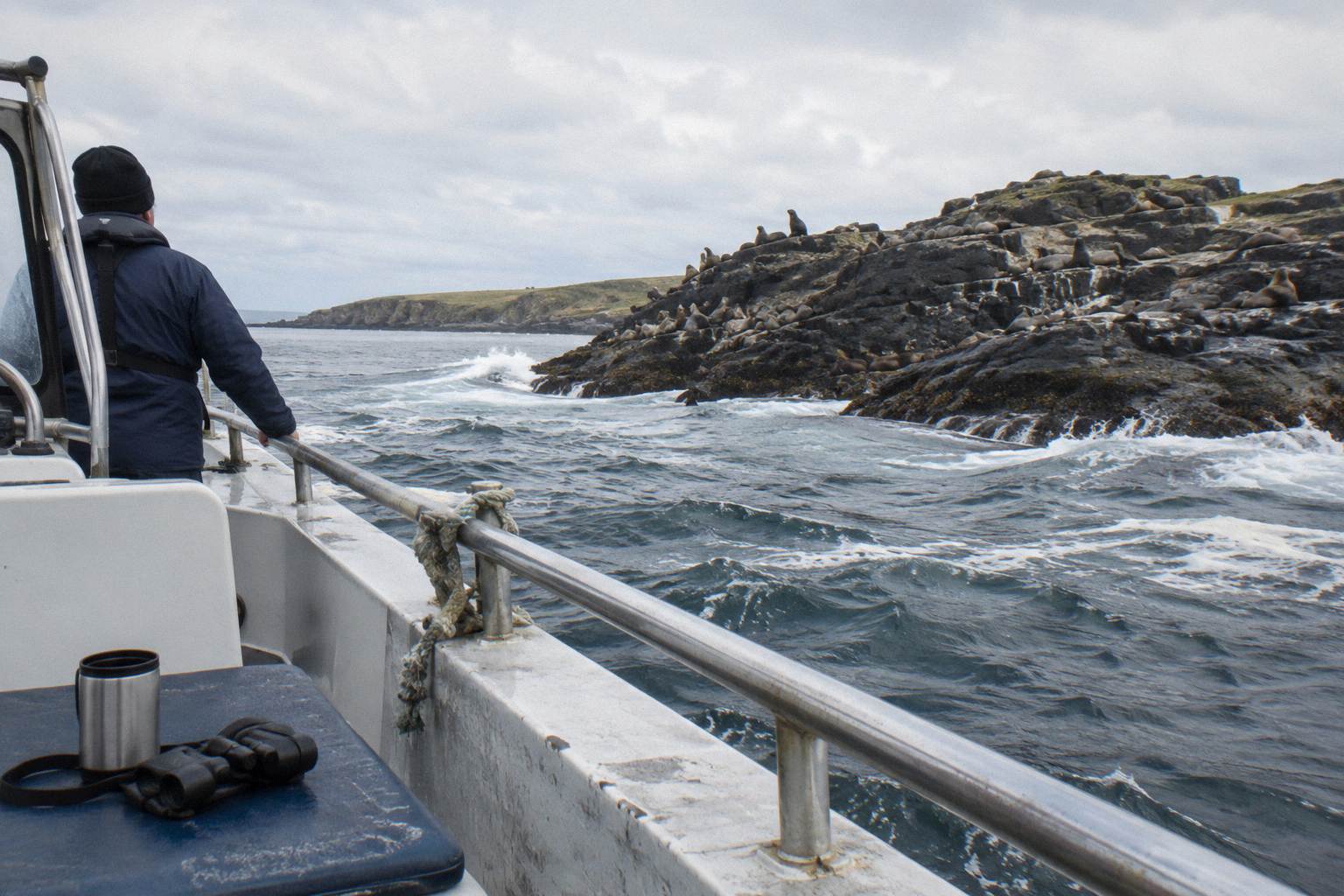
For planning, the Bureau's Rhyll averages give the only hard climate numbers: winter is the coldest stretch with a July mean maximum of 13.4 °C, and July and August carry the most rain days at 12.4 and 12.7. Those are station averages for the island's north side on Western Port, never a sea-state prediction, and the full breakdown sits in Phillip Island weather and sea conditions for cruise day alongside the Bureau of Meteorology climate averages table. A camera plan built on those numbers is a clothing-and-cover plan, not a sightings plan.
For photographers weighing one season against another, the station numbers hint at trade-offs even though they describe Rhyll and not the open water. January and February are the warmest months on paper, with mean maximums of 24.2 °C and 24.4 °C, but January also carries the highest mean 3pm wind of the year at 20.8 km/h, while May has the lightest at 16.3 km/h. Those are station averages, not a promise of calm water, yet a group of friends chasing low light might read them differently from a family with young children who simply want the least rain-gear fuss.
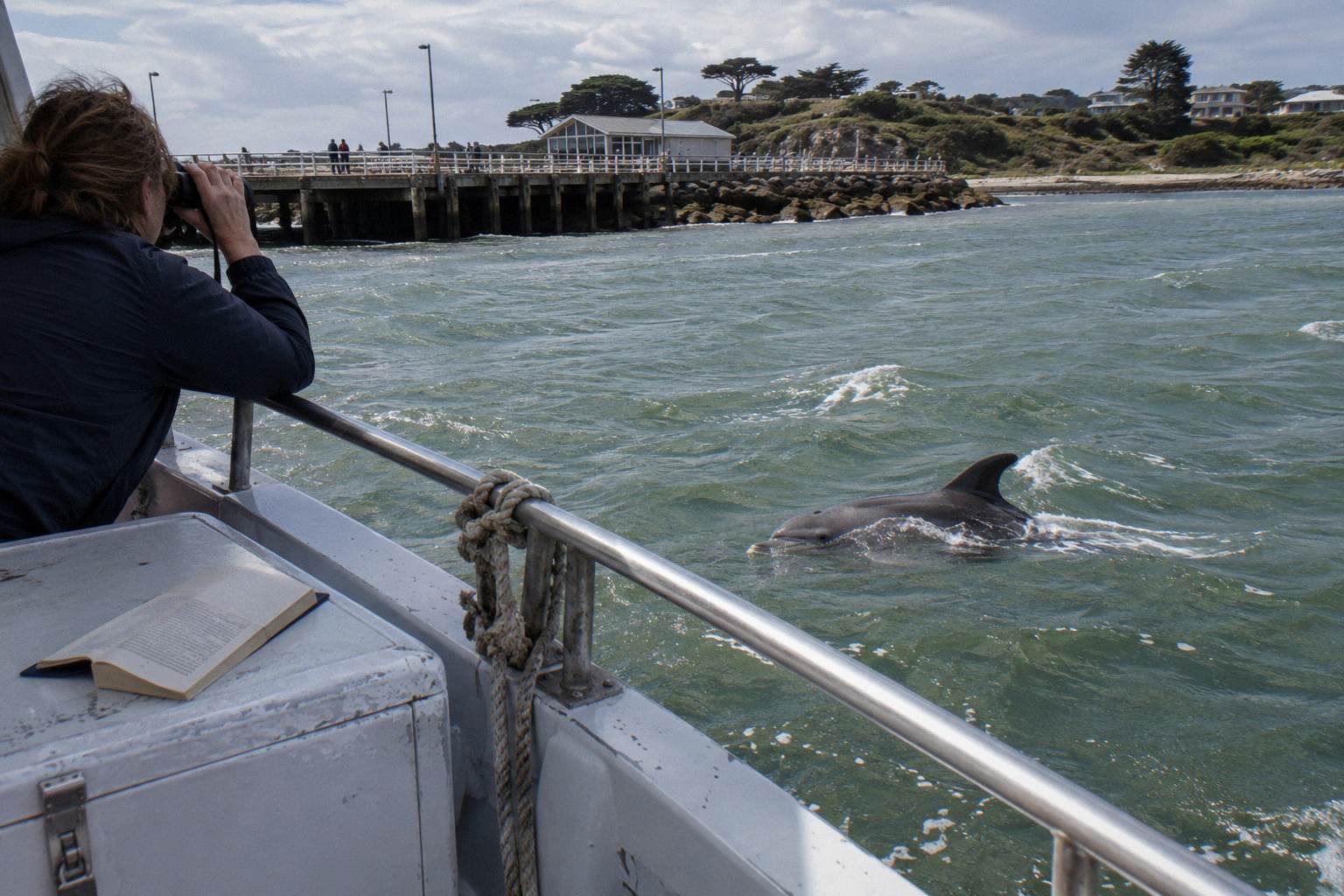
Summer also holds a detail the operator's own wording adds to the calendar: pups take their first rockpool plunge in late summer, after being born in early summer. That is the colony's rhythm as described, never a guarantee of what any single sailing shows, and the same caution applies to the reported pattern of bulls returning in October and large bulls leaving in late December.
A first-time visitor with limited time can still reason from the calendar. If breeding-season behaviour is the draw, the reported peak of births runs late November to early December. If milder numbers matter more, autumn months sit between the summer maximums and the July mean maximum of 13.4 °C, with April showing 19.7 °C. Whichever window you pick, the cruise runs all year, so the choice is about what you want to photograph, not whether a boat goes out.
Mistakes Photographers Make On A Seal Cruise
The biggest mistakes photographers make on a seal cruise are all stated in the operator's own rules: arriving late forfeits the cruise with no transfer, bringing a drone or pole-mounted GoPro wastes the trip's key shots, and assuming a seat or bow spot is reserved when nothing is designated. Expecting calm water ignores the open-water warning, and planning a Melbourne pickup ignores that none is offered. Each mistake is avoidable by reading the booking page.
- Treating the departure time loosely: the cruise departs on time, boarding is 15 minutes before, arrival is 30 minutes before, and a missed cruise is forfeited, non-transferable and non-refundable.
- Packing a drone or an underwater GoPro on a pole: both are banned on board, and marine mammal rules restrict drone distances around the colony regardless.
- Assuming the bow deck is open to everyone: it is restricted to people over 1 metre tall, a height rule rather than an age rule.
- Counting on a reserved seat: seating is not designated and inside seating is not guaranteed.
- Expecting flat water: the tour travels into open waters and vessel motion may occur, with motion sickness tablets recommended by the operator.
- Planning a Melbourne pickup: the operator offers none, and access is by drive, V/Line coach to Cowes, the passenger and bicycle ferry from Stony Point, or a bus tour that includes the cruise.
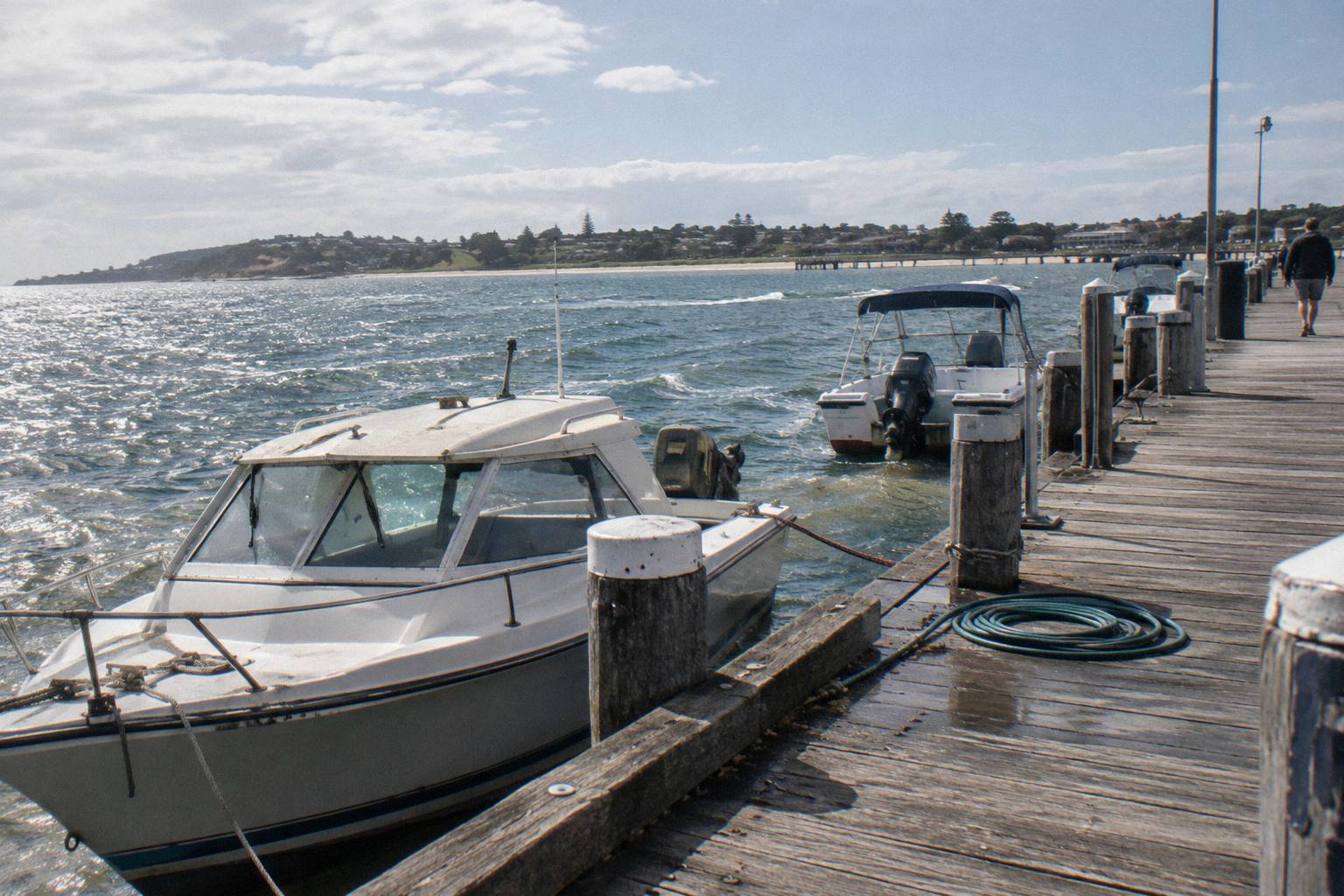
The same logic extends to the day around the sailing. A cruise that ends mid-afternoon leaves room for the boardwalks or the Penguin Parade, and the day built around a 2pm seal cruise and the Penguin Parade covers the sunset-based sequencing, remembering that everyone including infants needs a Parade ticket and bookings are essential.
Common Questions About Photographing Seals From A Moving Boat
Can You Use A Drone Or A GoPro On A Seal Cruise?
Drones are not allowed on the cruises, and underwater GoPros on poles are not allowed. Both bans come from the operator. Handheld cameras and phones have no stated restriction.
Where Is The Best Place To Stand For Seal Photos?
Seating is not designated and inside seating is not guaranteed, so positions are first-come. The bow deck is restricted to people over 1 metre tall. Boarding opens 15 minutes before departure.
How Close Does The Boat Get To The Seals?
The operator says the boat drifts within meters of the seals and describes an average of 5000+ seals sighted up close across its cruises. Those are the operator's words, and no sighting is guaranteed.
Is The Boat Stable Enough For Photos?
The operator says the tour travels into open waters and vessel motion may occur at times, recommending motion sickness tablets. The boat is a moving vessel, and handheld shooting is the realistic method.
Which Cruise Is Best For Photographing Seals?
The Seal Rocks Cruise From Cowes, 2 hours from A$115 per person, is the cruise that goes to the colony. The Cape Woolamai cruise does not include seals, and the Sunset Cruise promises no seals.
Can Children Photograph From The Bow Deck?
Only children over 1 metre tall may use the bow deck. All children must be supervised by an adult, and seating is not designated.