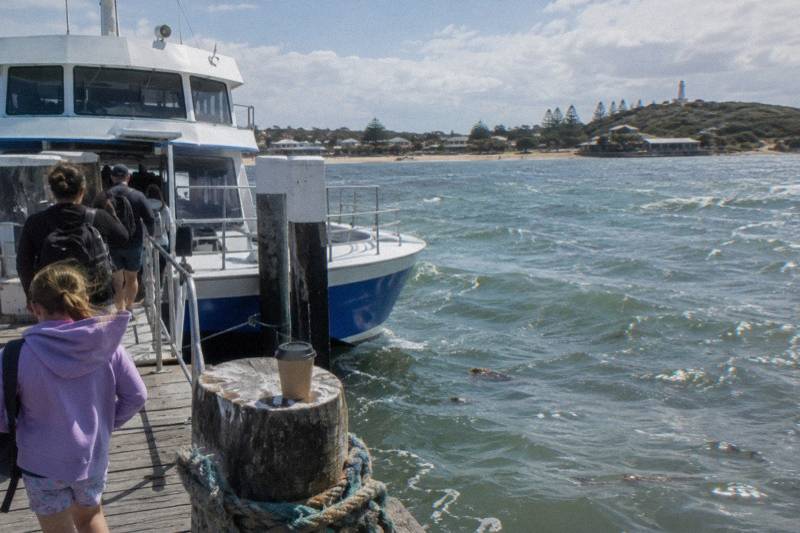
Can You Feed Or Touch The Seals From The Boat?
No, touching or feeding a seal is illegal in Victoria and no Phillip Island cruise offers it; the Seal Rocks cruise from Cowes drifts within meters, from A$115 per person for 2 hours.
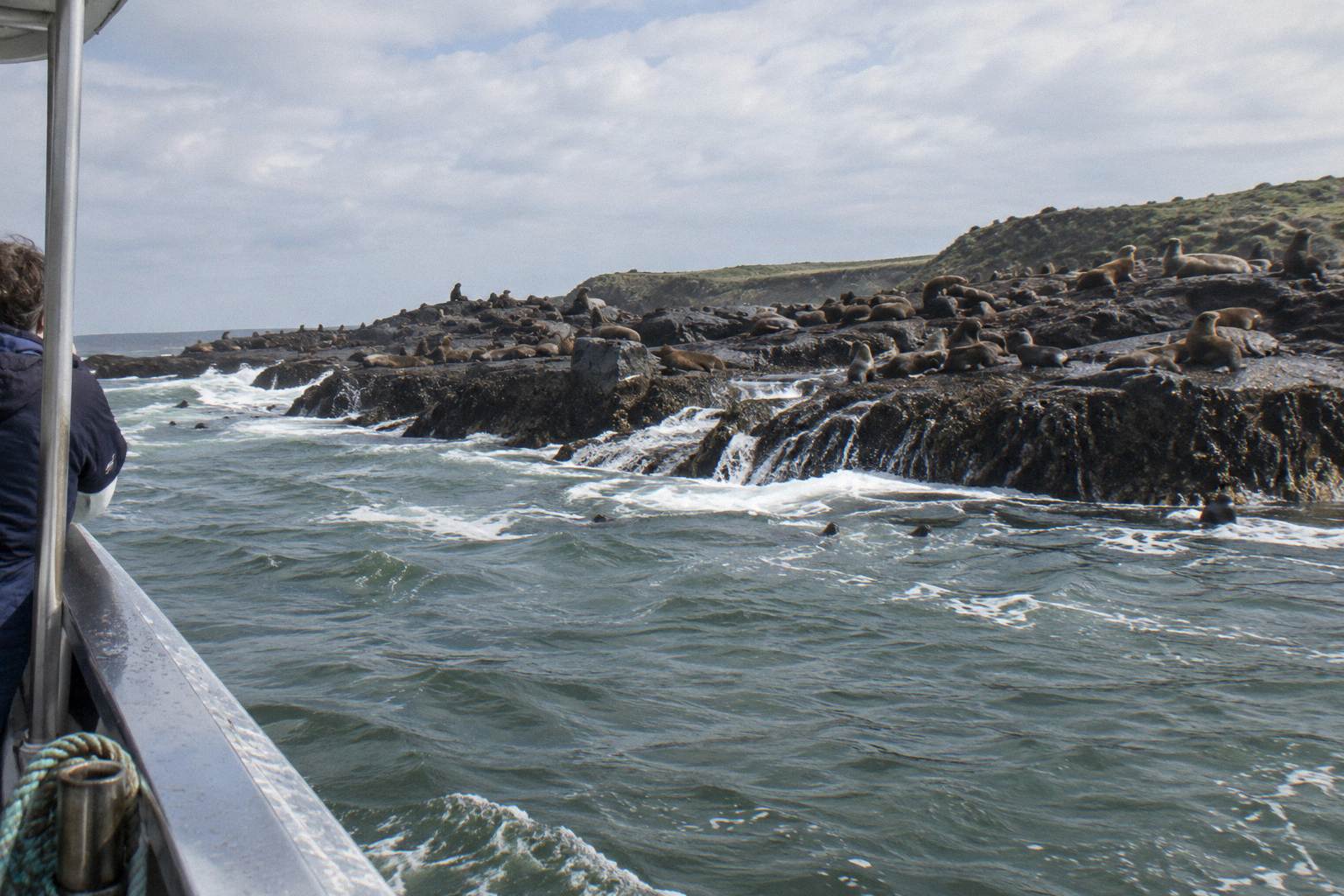
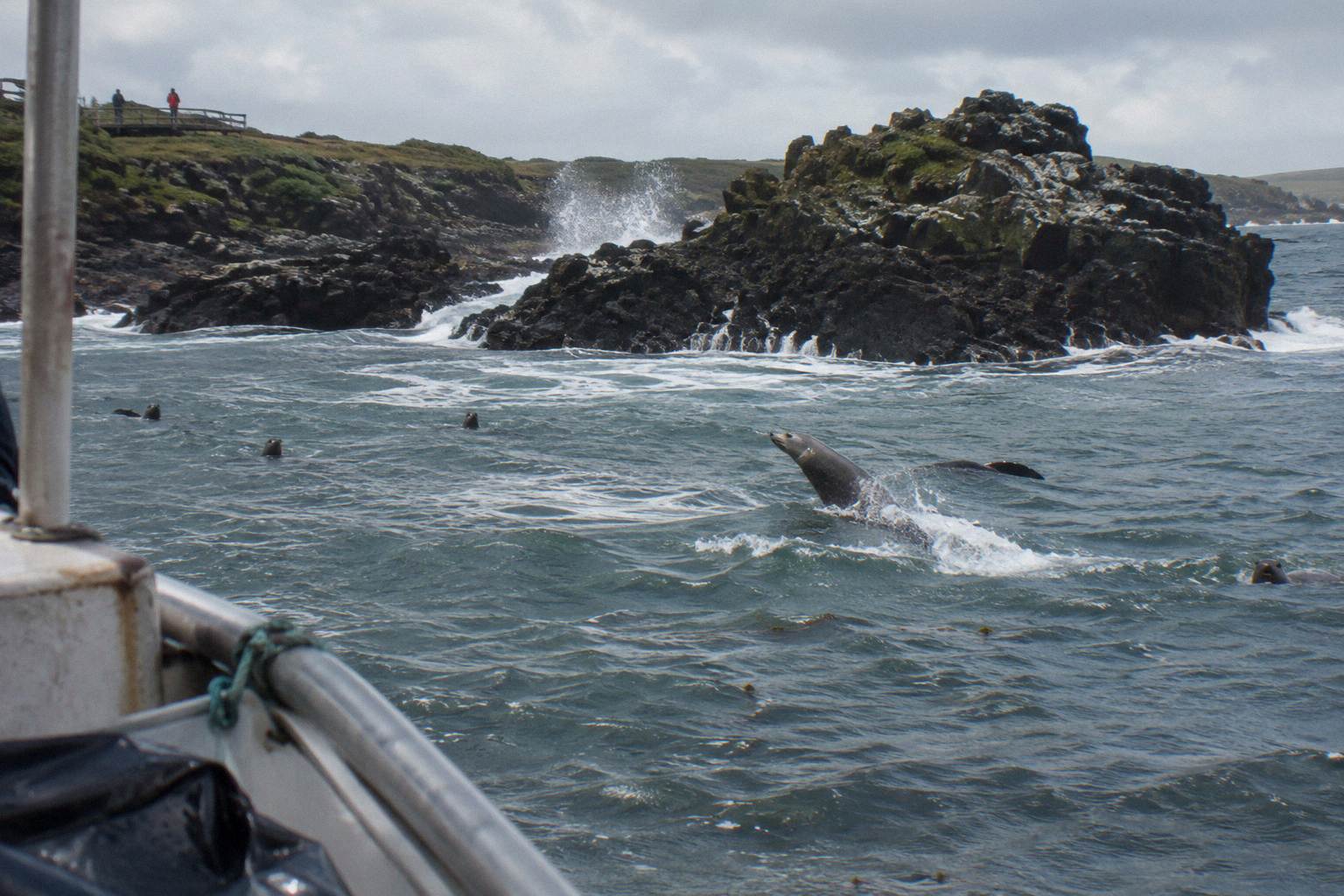
No, feeding or touching a seal is illegal in Victoria, and no Phillip Island cruise offers it. The Victorian government states plainly that it is illegal to touch or feed a seal, and every boat trip to Seal Rocks is a watch-only outing from the deck. The operator says the boat drifts within meters of the animals, so the viewing is close, but contact of any kind is off the table.
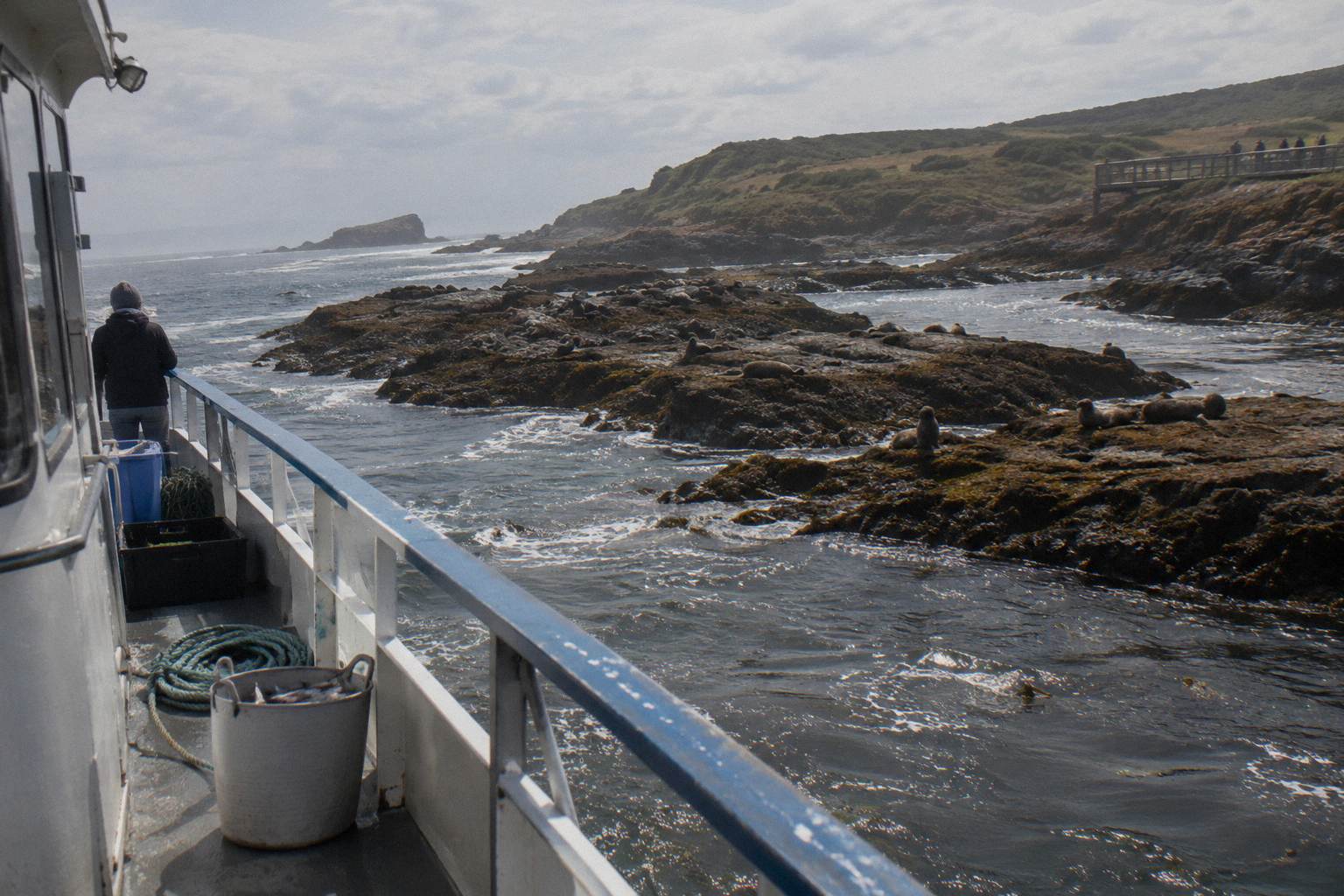
That answer surprises some families planning a Phillip Island trip, especially anyone hoping a child might pat a seal the way they might hand-feed an animal at a farm. The rules are different on the water and for good reason. Seal Rocks is a wild breeding colony, not an encounter exhibit, and the Victorian regulations that protect it apply to everyone on the water, from private kayakers to licensed tour boats. A family wanting close contact with wildlife is better served by understanding what the sailing genuinely offers: a boat-based view of one of Australia's largest fur seal colonies, close enough that the operator describes it as drifting within meters, with commentary, tea and coffee, and the colony carrying on around the vessel.
The distinction matters for booking decisions. If contact with animals is the goal, no product on Phillip Island sells it, and the closest thing in the wider region is a swim-with-seals snorkel tour that departs from Sorrento on the Mornington Peninsula, a separate product on a different coastline. What the Phillip Island cruises offer instead is proximity without interference: the colony at Seal Rocks supports about a quarter of all Victorian seals, according to the Victorian government's wildlife pages, and boats are part of the scenery the animals are used to. The government's own wording says the seals are accustomed to humans and can be approached reasonably closely by boats, which is why the cruise experience works at all.
For a fuller picture of how the two hours on the water actually unfold, the what happens on a two hour seal boat tour guide walks through the departure from Cowes Jetty, and the how many seals you actually see post covers the operator's average sighting wording in detail. Both are worth a read before choosing a date, because they set expectations about what the cruise delivers and what no cruise can promise.
Why The Law Bans Touching And Feeding Seals
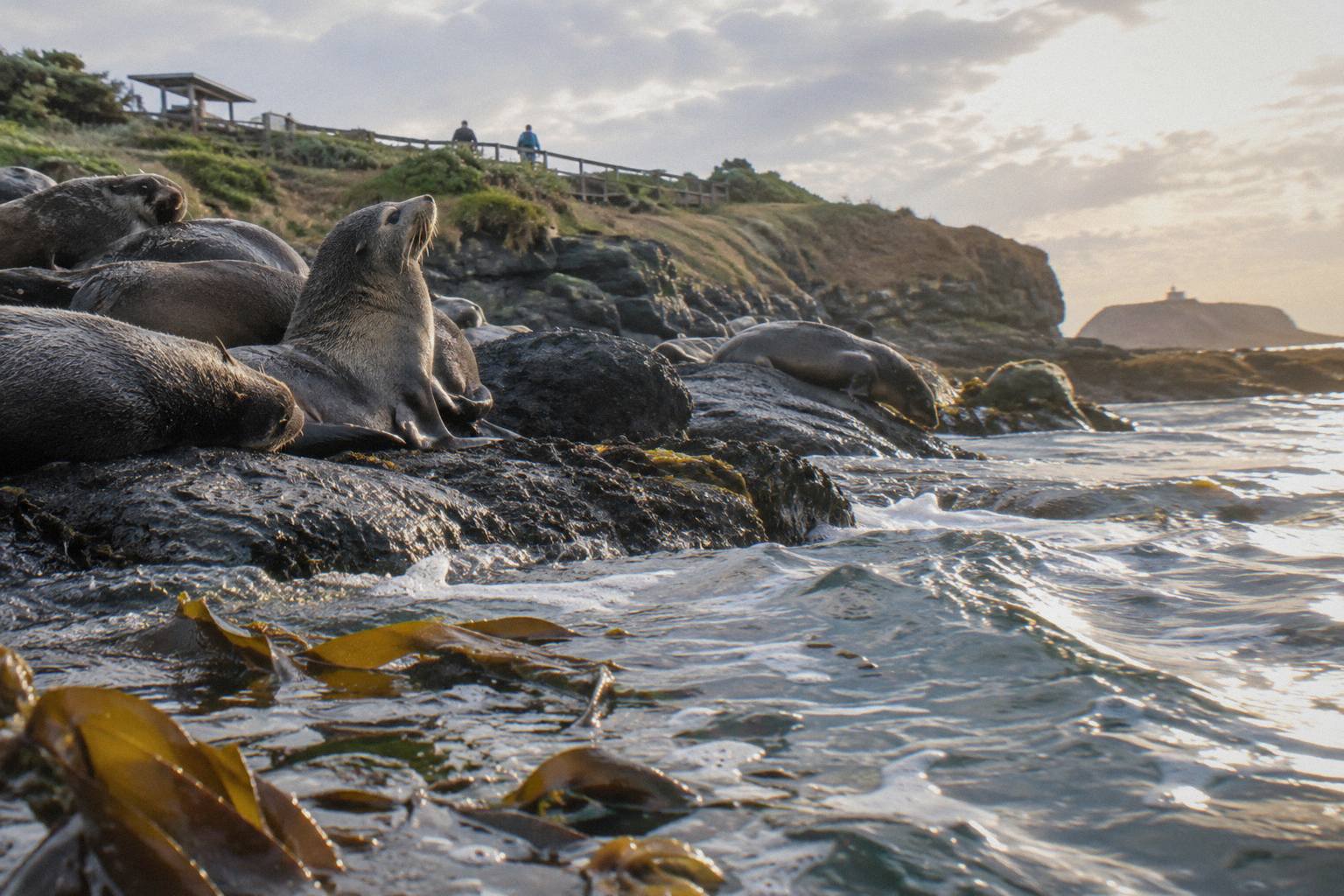
Under Victorian rules, it is illegal to touch or feed a seal anywhere in state waters, and the ban applies to swimmers, boaters, jet skiers and tour passengers alike. Feeding wild seals changes their behaviour around people and vessels, and touching a wild fur seal is a physical risk to the person as much as the animal. The rules sit on government wildlife pages, not in cruise fine print, so they bind every visitor on the water.
The Victorian government's wildlife authority sets out the approach distances and conduct rules for marine mammals, and the feed and touch ban is stated flatly with no exemptions for tourists or children. There is no licensed handler scenario on these cruises, no feeding demonstration, no chance to reach out from the rail. The booking pages for the seal cruise list what is included, live commentary, tea, coffee and cake, and none of it involves the animals directly. That is not an omission, it is the design: the product is observation of a wild colony from a vessel.
The reasoning behind the ban is easy to grasp. Australian fur seals are large, wild carnivores with teeth, and a colony in breeding season has bulls defending territory, mothers with pups, and young animals learning the water. A seal that associates boats or people with food behaves differently around them, which puts both the animal and the next boatload of visitors at risk. The government pages also warn that seals can be aggressive when approached, which is why the rules extend to keeping dogs 50 metres from a seal on land and keeping 5 metres clear at jetties and boat ramps, distances the authority publishes for everyday situations, not just tours.
For a family deciding what the sailing offers, the practical reading is this: the cruise is a genuine wildlife experience precisely because the animals are not managed, fed or handled. Seals swim near the vessel, haul out on the rocks, and interact with each other while the boat drifts. A child leaning over the rail with a camera gets a closer look at wild seal behaviour than any petting arrangement could give, and the photos are of animals behaving as animals do. If a booking page anywhere on Phillip Island promises feeding or handling of seals, that promise contradicts the law and should be questioned before money changes hands.
The authority link for the conduct rules is the Victorian wildlife page on encountering seals, which states the touch and feed ban and the land-based distances.
How Close Does The Boat Actually Get?
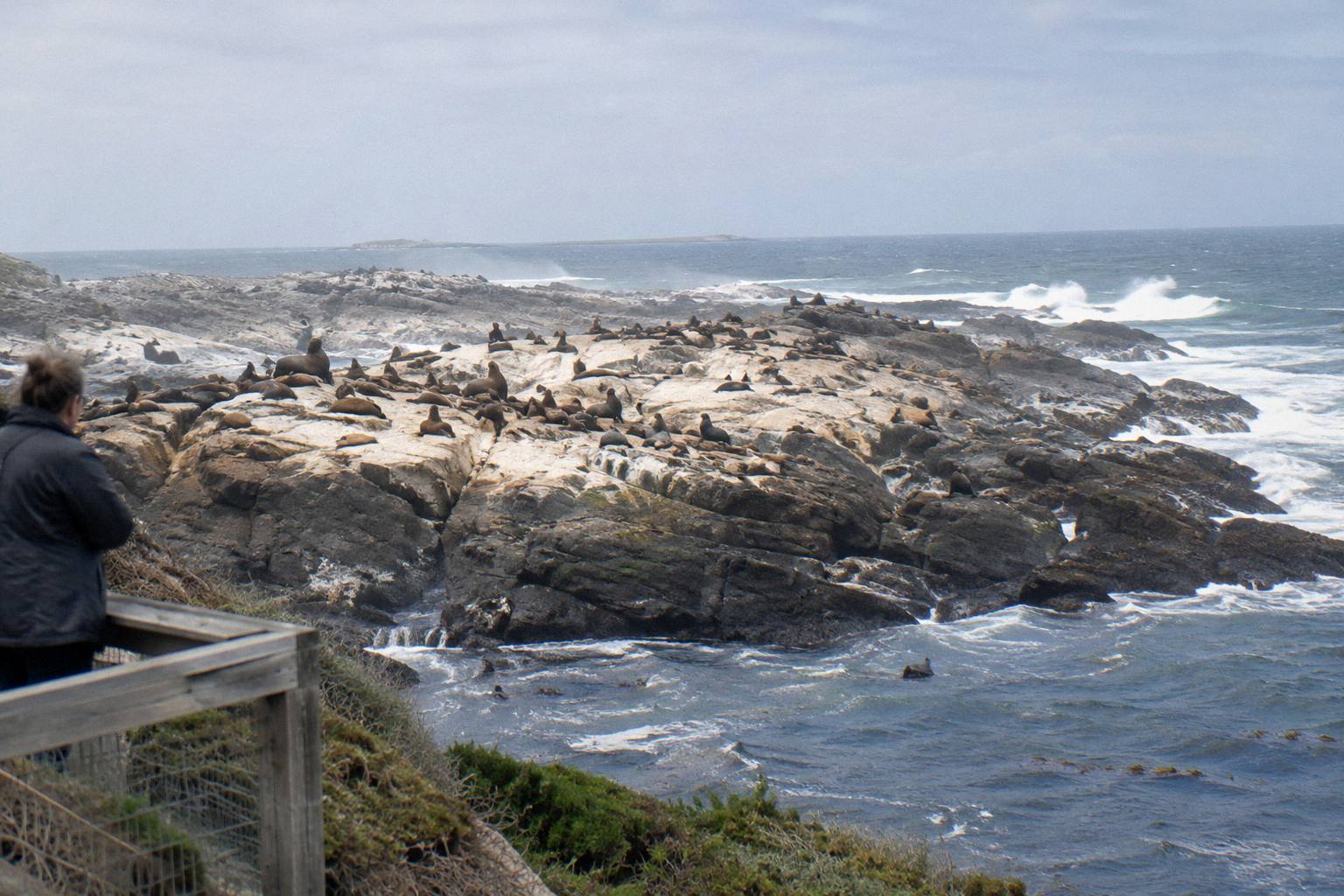
Boats generally must not approach within 60 metres of the low water mark at Seal Rocks, but licensed tour operators are permitted to approach closer, subject to a range of other operating conditions. The operator of the Seal Rocks cruise says the boat drifts within meters of the seals. So the cruise gets close, lawfully, while private vessels stay back, and nobody on any boat touches anything.
This is where the two halves of the rules meet. The 60 metre limit at the low water mark, published by the Victorian wildlife authority, applies to boats at this protected breeding colony. The same authority states that licensed tour operators are permitted to approach closer than the general distances, subject to operating conditions, which is the permit framework under which Wildlife Coast Cruises runs its seal watching trips. The result is a layered system: casual boats keep their distance, the permitted cruise vessel works closer, and the colony is accustomed to humans, in the government's own wording, and can be approached reasonably closely by boats.
The operator's phrasing deserves care because it is easily oversold. The cruise is described as drifting within meters of the seals, and the operator cites an average of 5000+ seals sighted up close across its cruises. That average is a marketing figure, not a colony census and not a promise for any single sailing. Weather and sea conditions decide the day, routes can vary, and no sighting or distance is guaranteed in any direction. What the wording supports is a simple claim: the cruise is built around close, drift-based viewing of the rocks, closer than a private boat may go and far closer than the land-based view from the Nobbies boardwalk, where the rocks sit about 2 km offshore, the operator's figure.
For anyone weighing proximity against the rules, the plain fact is that proximity is the product. The vessel stops being a stranger to the colony and becomes part of the scenery, and the seals keep hauling out, swimming and squabbling around it. The gap between drifting within meters and touching is the whole legal and ecological distance, and it stays closed. A reader who wants the numbers on the colony itself, the reported counts of seals using the rocks and the published pup counts, will find them in the size of the Seal Rocks colony guide.
The authority link for the protected-area distances is the Victorian protected areas page for marine mammals, which sets out the Seal Rocks approach rule.
What The Rules Say For Every Watercraft
The Victorian rules apply to everyone on the water, not only tour boats, and they cover seals, dolphins and whales with specific distances. Boats must stay 100 metres from dolphins and 200 metres from whales, jet skis must keep 200 metres from a breeding colony, and aircraft must not fly below 300 metres within a 300 metre radius of the animals. Drones must keep 500 metres, or 300 for licensed operators.
For a visitor, the useful version of all this is a table. The rules below are stated by the Victorian wildlife authority, and they apply whether the reader is on a cruise, in a hired kayak, or watching from a jetty.
| Rule | Distance | Who It Applies To |
|---|---|---|
| Boats at Seal Rocks breeding colony | Not within 60 m of the low water mark | All boats; licensed tour operators may approach closer under operating conditions |
| Seals on land elsewhere | Not within 30 m | People on foot or shore |
| Dogs near a seal on land | Not within 50 m | Dog walkers |
| Seals at jetties and boat ramps | 5 m clearance | Boats and people |
| Dolphins in the water | Boats not within 100 m | All vessels |
| Whales in the water | Boats not within 200 m | All vessels |
| Caution zones | Max 5 knots | All vessels within the zone |
| Jet skis near a breeding colony | Not within 200 m | Jet ski riders |
| Aircraft near marine mammals | Not below 300 m within a 300 m radius | Pilots |
| Drones near marine mammals | 500 m, licensed operators 300 m | Drone flyers |
Two details in that table matter for cruise passengers. First, the cruise passenger is covered by the operator's permit: the individual on board has no distances to manage, because the skipper holds the licence and the conditions. Second, the drone rule explains a common question from photographers. Drones and underwater GoPros on poles are not allowed on the cruises, per the operator's own FAQ, which aligns with the government's drone distances around marine mammals. Anyone planning aerial footage of the colony should leave the drone at home for the sailing.
There is also a line in the government rules that surprises readers: there are no restrictions on how close a swimmer can get to a seal in the water, apart from protected areas and conduct rules, with swimmers keeping 5 metres from a haul-out site. That is not an invitation. It is the legal residue of rules written for boats, and at a breeding colony like Seal Rocks the protected-area rules and the touch and feed ban still apply in full. No Phillip Island operator sells swimming with seals, and the closest legal swim product departs from Sorrento on the Mornington Peninsula, a different waterway. The safe summary for families is that the water around Seal Rocks is for boats with permits, and the swimming questions belong to a different coastline entirely.
The full watercraft distances are on the water safety around marine mammals page published by the Victorian government.
Which Phillip Island Cruises Get You Near Seals
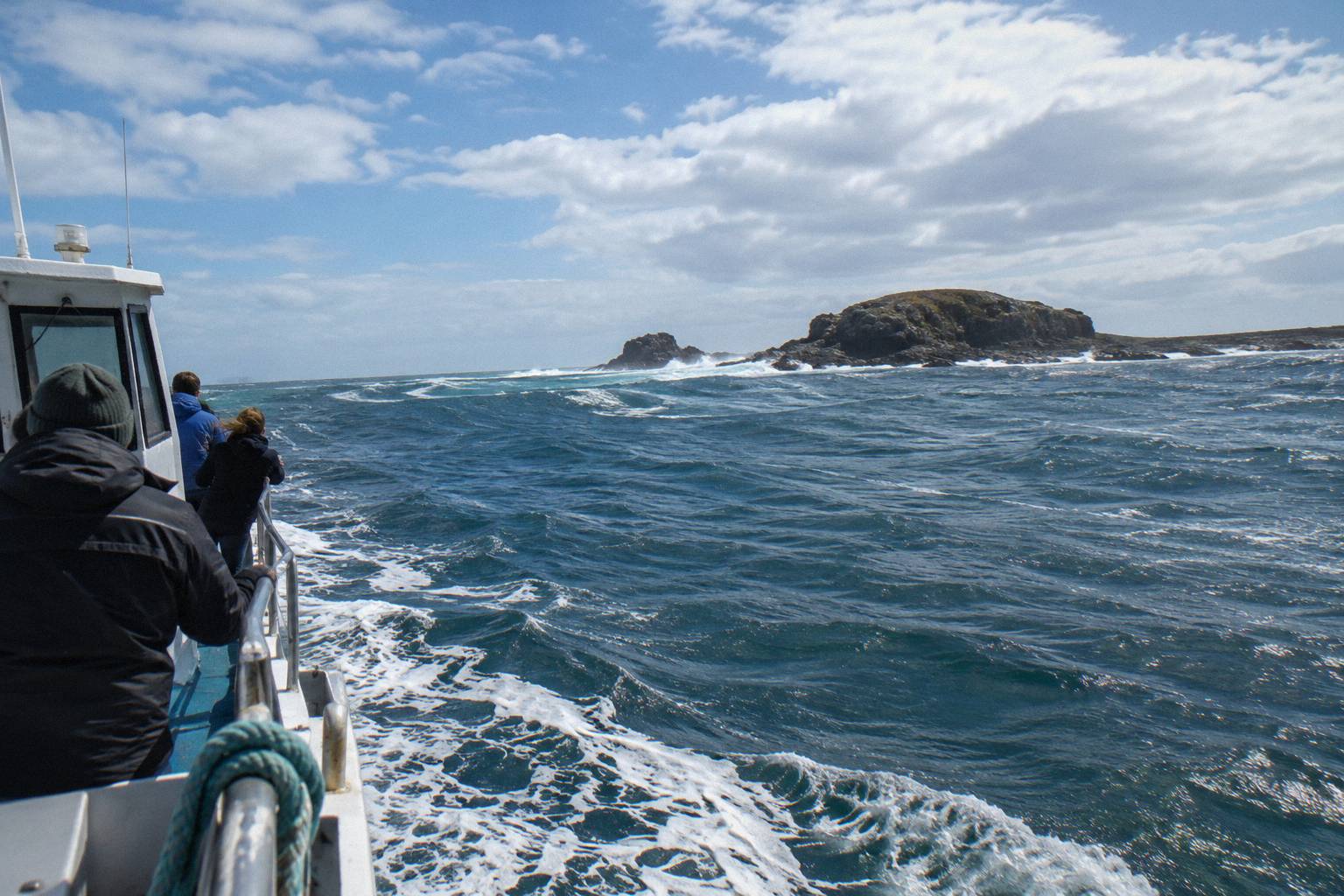
The Seal Rocks Cruise From Cowes is the dedicated seal watching trip: 2 hours, from A$115 per person, rated 4.9 from 236 reviews on one booking page and 4.8 from 152 on a second, so 380+ reviews combined. Wildlife Coast Cruises also runs winter whale and dolphin trips that visit Seal Rocks, and a separate operator runs a 30-minute jetboat ride past sea caves where seals are not guaranteed. All amounts here are Australian dollars.
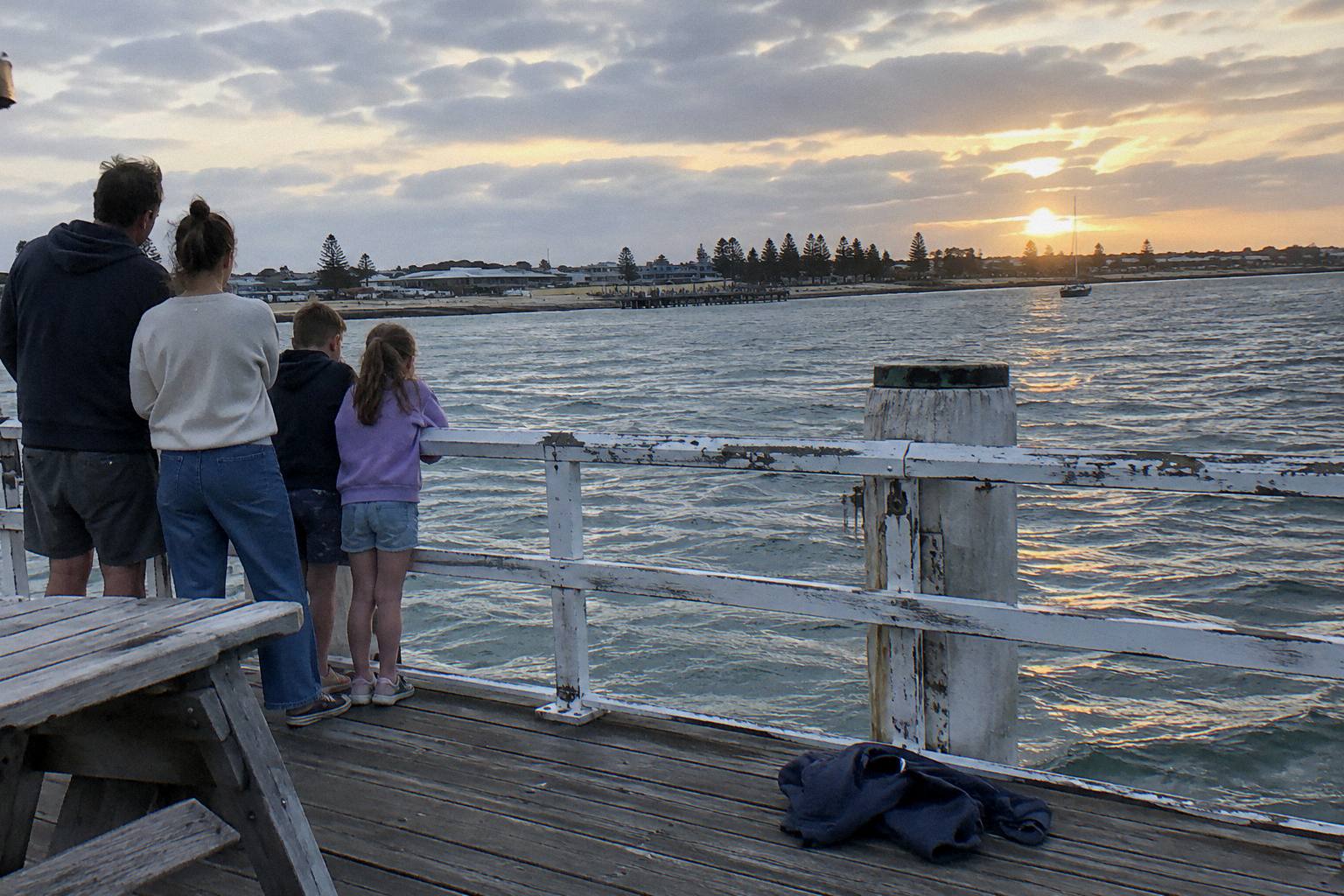
Choosing among them comes down to what kind of closeness the traveller wants. The Cowes departure is the classic: a 2-hour run from Cowes Jetty daily at 2 pm, all year, with peak extra sailings at 11 am and 4.30 pm from 26 December to 31 January, subject to availability on the booking page. Tea, coffee and cake are included, there is a licensed bar, toilets are on board, and the cruise carries live commentary. It is the product most families mean when they ask about seals, and the one where the drifting-within-meters wording belongs. The Seal Rocks Cruise From Cowes page carries the fare categories and the booking details. Free cancellation up to 24 hours applies on the booking page, and the operator says it adds no booking fees or surcharges on its own booking page.
The winter options suit travellers in the colder months who want a longer day. The Winter Whale Watching Cruise From Rhyll is 4 hours, from A$179 per person, rated 4.9 from 28 reviews on one booking page and 4.7 from 97 on a second, running daily from early June to early August, 8.30 am to 12.30 pm, and it visits Seal Rocks as part of its route. Whale sightings carry the operator's own wording, expected 80 to 85 percent, not guaranteed. Morning tea is included. For a visitor without a car staying in Cowes, Rhyll is a short taxi or drive away on the island's north side, and the 8.30 am start leaves the afternoon free.
The jetboat is a different proposition altogether: a 30-minute Thundercat ride from San Remo Jetty to the Cape Woolamai sea caves and Bird Rock, run by Ocean Adventures, with a minimum age of 5 and a limit of 120 kilograms per person. It does not go to Seal Rocks, and wildlife including seals is not guaranteed on it. What it offers is speed and caves rather than drift-and-watch, which suits a group of friends more than a family with toddlers. Price is on the booking page, and no rating is printed for it here.
| Trip | Duration | From Price | Seal Promise |
|---|---|---|---|
| Seal Rocks Cruise From Cowes | 2 hours | A$115 per person | Drifts within meters, operator wording; an average of 5000+ seals sighted up close across cruises |
| Winter Whale Watching Cruise From Rhyll | 4 hours | A$179 per person | Visits Seal Rocks; whales expected 80-85%, not guaranteed, operator wording |
| Jetboat Seal Sighting And Sea Caves | 30 minutes | Price on the booking page | Seals not guaranteed; goes to Cape Woolamai sea caves, not Seal Rocks |
For the full set of seal and wildlife cruises from Cowes, San Remo and Rhyll, Phillip Island Seal Cruises lists them with fares and departure points, all in one place for comparing jetties and durations.
What To Ask The Operator Before Booking
Before paying, ask four things: whether your date's sailing is confirmed or subject to minimum numbers, what the operator advises about sea conditions the day before, what the child fare covers for ages 3 to 15, and whether any mobility or supervision needs can be accommodated on board. Every one of these has a stated answer in the operator's terms or FAQ, so a short question by phone or message settles it before departure day.
The cancellation side is already clear from the operator's terms: cruises are subject to minimum numbers and weather conditions, and if the operator changes or cancels, a transfer or full refund is offered. Customer cancellation gets a full refund up to 24 hours before departure for Phillip Island and San Remo departures, and inside 24 hours or a no-show forfeits the fare. Arriving matters as much as booking: the operator says arrive 30 minutes before, boarding is 15 minutes before, and the cruise departs on time. A missed sailing is forfeited, non-transferable and non-refundable, which is the single most avoidable loss on the day.
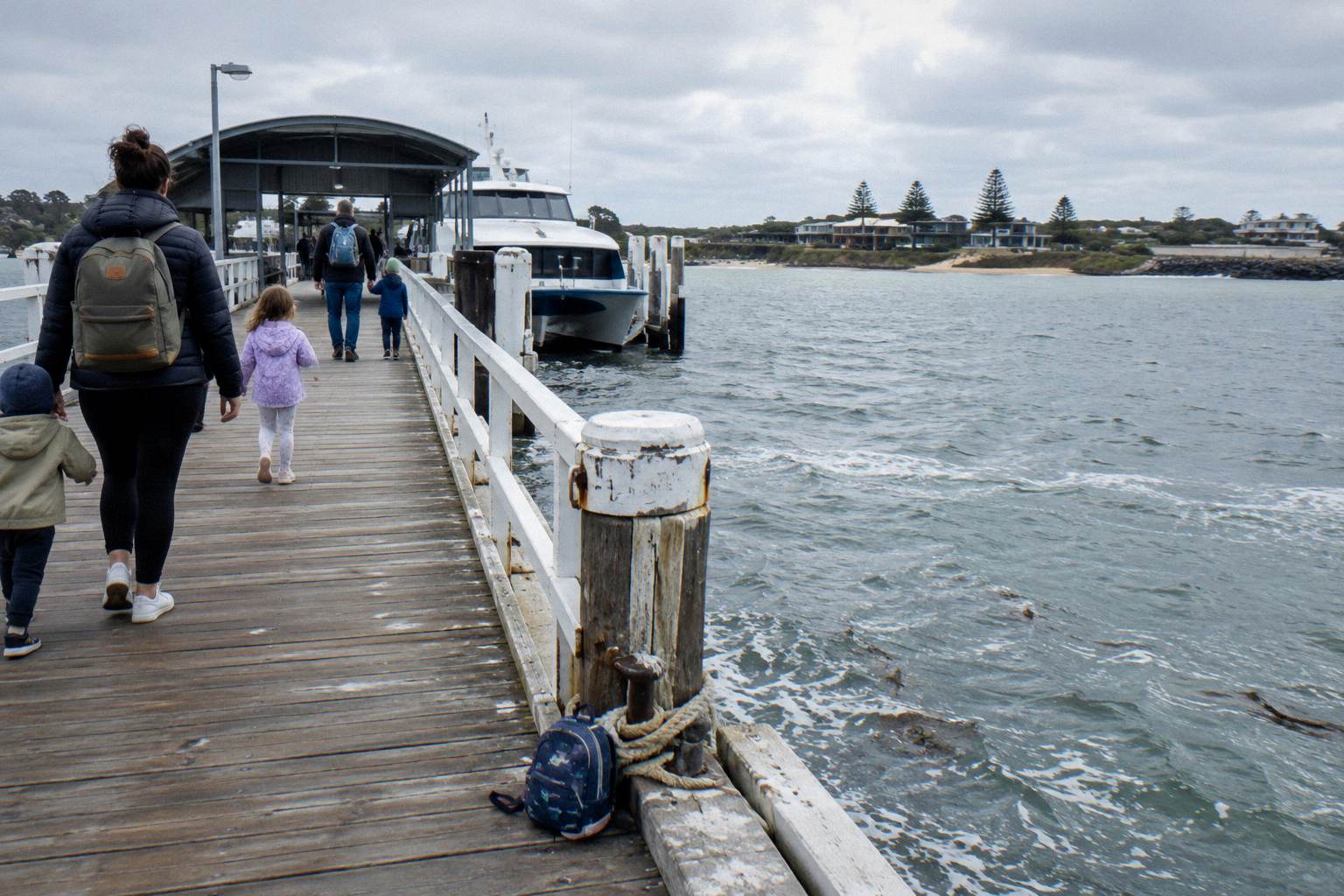
For families, the questions cluster around supervision and space. Children aged 3 to 15 travel on a child ticket, infants 0 to 2 are free, and all children must be supervised by an adult. The bow deck is restricted to people over 1 metre tall, an operator rule that exists for safety on the forward deck. Prams are not addressed by the operator, so ask when booking. Seating is not designated and inside seating is not guaranteed, though there is undercover viewing and toilets on board. Only accredited assistance dogs are allowed. None of these touch on the animals, which is the point: the questions that shape the day are all about the boat.
A family whose real hope was contact with seals can redirect that expectation productively. The cruise offers sustained, close viewing of wild behaviour, and the island's land options add context, though the Nobbies boardwalk versus a seal cruise comparison makes clear the rocks sit about 2 km offshore from the boardwalk, so the boat is the close view. If a swim with seals is the actual goal, the answer is the Sorrento snorkel product on the Mornington Peninsula, a 2-hour tour with wetsuits, gear, lunch and in-water guides, which is a swim product and never a substitute for the Phillip Island cruise.
Common Mistakes Visitors Make About Seal Contact
The most common mistakes are assuming the cruise includes feeding or handling, expecting to reach the seals from the rail, bringing a drone for close footage, and treating the bow deck as open to small children. Others arrive late and forfeit the fare, expect dolphins or whales, or assume the sunset cruise includes seals when the operator promises none, yet every error traces to a stated rule and is avoidable with one question before booking.
- Expecting contact: feeding or touching a seal is illegal in Victoria, and no cruise offers it; the product is watch-only from the deck.
- Bringing a drone or a GoPro on a pole: the operator does not allow either, and government drone distances around marine mammals run to 500 metres for the public.
- Assuming the bow deck is for everyone: it is restricted to people over 1 metre tall, and all children need adult supervision.
- Arriving at the departure minute: the cruise leaves on time, and a missed sailing is forfeited, non-transferable and non-refundable.
- Expecting whales or dolphins on the seal cruise: whale trips run only early June to early August, and the sunset cruise promises no seals at all.
- Assuming Melbourne pickup: the operator offers none; the cruise departs from Cowes Jetty, and day-trip options that bundle the cruise leave from the Arts Centre in Melbourne.
For a genuine decision moment, if the 2 pm sailing from Cowes fits the itinerary, Check availability for the dates in mind, since peak-season extras and the daily departure both sit on the booking page.
Common Questions About Touching And Feeding Seals
Can You Feed Or Touch The Seals From The Boat?
No. It is illegal to touch or feed a seal in Victoria, and no Phillip Island cruise offers contact with the animals. The cruises are watch-only, with the operator saying the boat drifts within meters of the colony at Seal Rocks.
How Close Does The Boat Get To The Seals?
Boats generally must not approach within 60 metres of the low water mark at Seal Rocks, and licensed tour operators are permitted to approach closer under operating conditions. The operator says the cruise drifts within meters of the seals, which is its wording rather than a fixed distance for any sailing.
Can You Swim With The Seals At Phillip Island?
No Phillip Island operator sells swimming with seals. The seal and sea dragon snorkel tour in the region departs from Sorrento on the Mornington Peninsula, a separate product on a different coastline.
Is It Safe To Be That Close To Wild Seals?
The Victorian government says the seals at this colony are accustomed to humans and can be approached reasonably closely by boats, and the cruise watches from the vessel without contact. The government rules also warn against touching or feeding seals anywhere, and touching a wild fur seal carries real risk to the person.
Do The Cruises Feed The Seals To Bring Them Close?
No. The booking pages list what is included, such as commentary and tea, coffee and cake for passengers, and nothing involves feeding the animals. The colony is wild and the boat drifts near it under permit conditions.