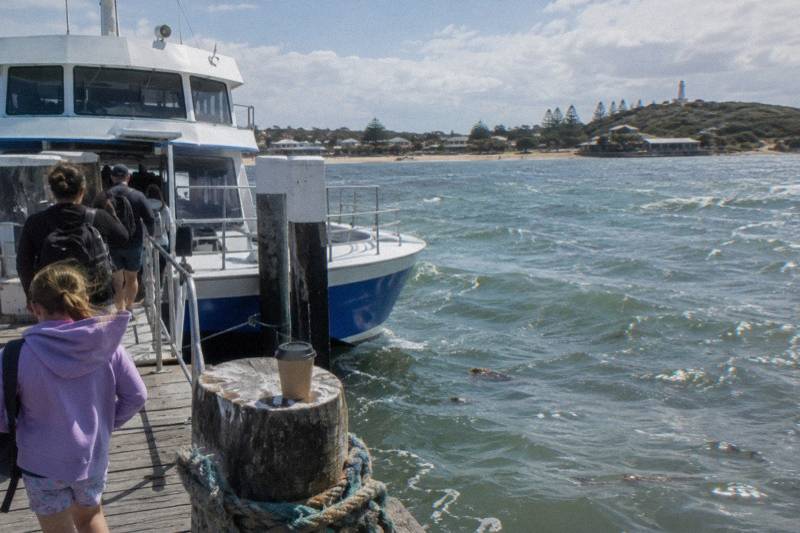
How Many Seals Will You Actually See On The Cruise?
The Seal Rocks cruise from Cowes quotes an average of 5000+ seals sighted up close, the colony is reported at 5,000 to 8,000 ashore at one time, and no sighting is guaranteed. Here is what each number means for a 2-hour sailing from A$115 per person.
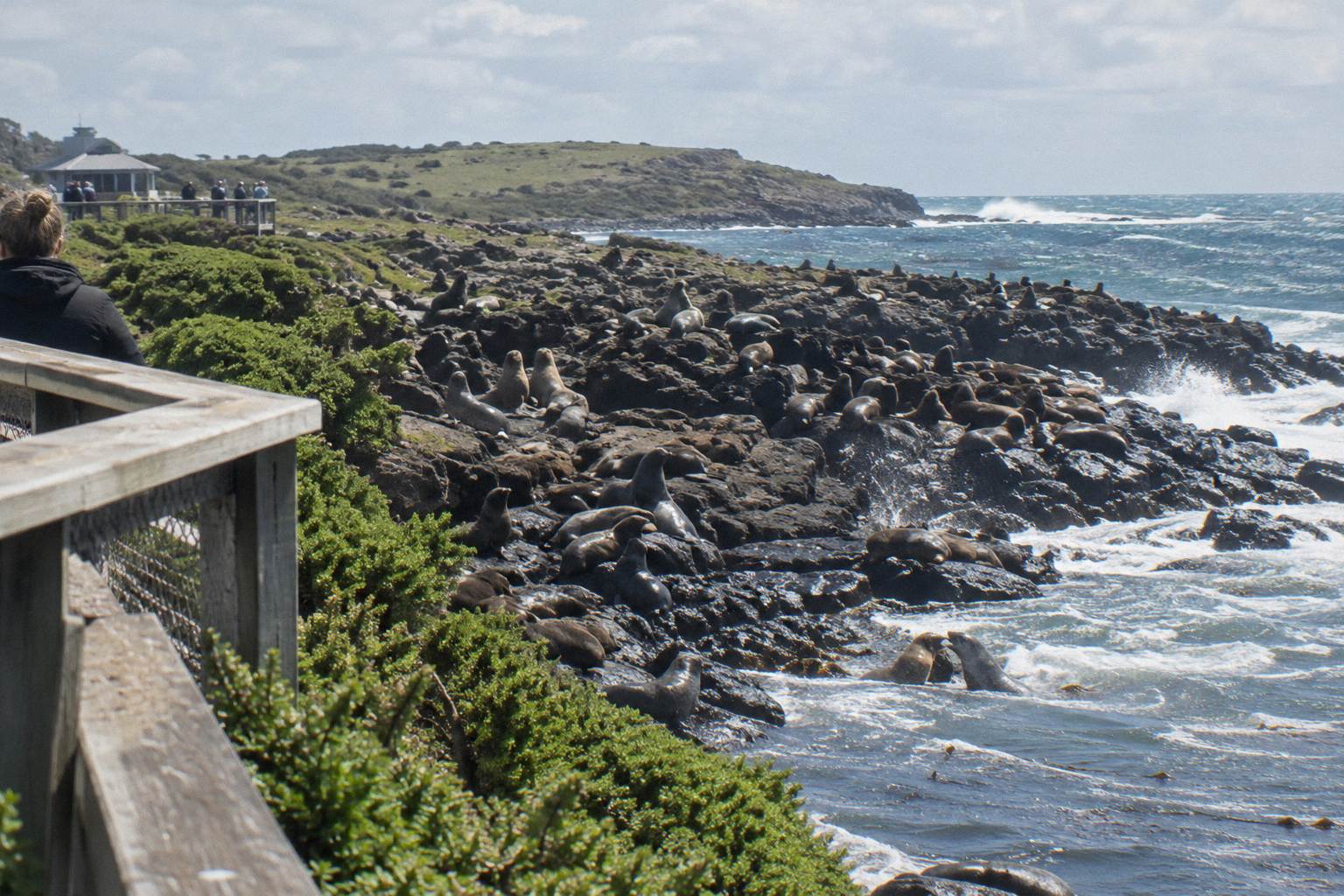
The number that sells the trip is "An average of 5000+ seals sighted up close", and it belongs to the Seal Rocks Cruise From Cowes, a 2-hour sailing from Cowes Jetty rated 4.9 from 236 reviews on one booking page and 4.8 from 152 on a second, 380+ reviews combined. The wording matters more than the digits. An average across cruises is not a headcount handed to each passenger, and no sighting is guaranteed on any wildlife trip. What sits behind the figure is a real breeding colony, described by the Victorian environment department as the largest seal-breeding colony in Victoria and as supporting about a quarter of all Victorian seals. Understanding how the average, the colony and the rules connect is the difference between booking with realistic expectations and boarding expecting a personal census.
Nobody can promise an exact count, but the operator's published figure is an average of 5000+ seals sighted up close across its cruises, not a minimum for any single sailing. The colony is the largest seal-breeding colony in Victoria, holding about a quarter of the state's seals, with reports of 5,000 to 8,000 ashore at once, so your actual sighting count depends on weather, season, and where the animals choose to be.
Three numbers travel together in the marketing, and pulling them apart is the useful work. The first is the operator's average, "5000+ seals sighted up close", which is a marketing average across cruises rather than a colony size or a per-trip promise. The second is the departmental description: the rocks support about a quarter of all Victorian seals, which tells you the colony is genuinely large without attaching a shaky count to it. The third is the reported figure, about 20,000 Australian fur seals using the rocks overall with 5,000 to 8,000 ashore at one time, which comes from secondary sources and should always carry the word "reported" in your head.
Why does the distinction matter on the water? Because a cruise drifts past the rocks rather than stopping at a gate with a turnstile. The seals are wild animals that haul out, swim, feed and rest on their own schedule, and the operator's own seasonal text describes a year of change: breeding in summer, pups taking a first rockpool plunge in late summer, weaning through winter, bulls arriving to fight for territory in spring. Any of those phases changes how many animals are visible on the rocks versus in the water, and none of them is a lever the boat can pull.
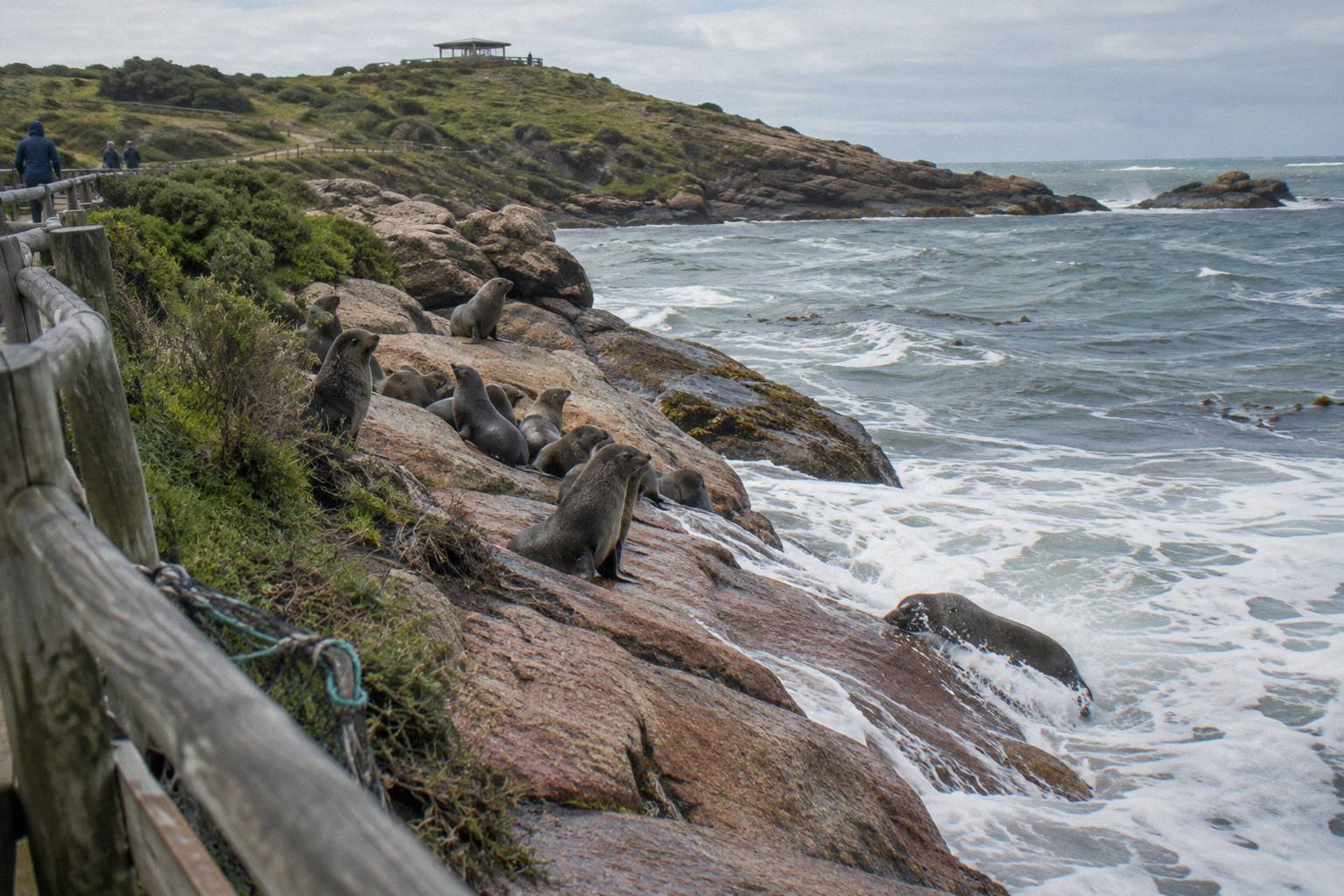
That is also why the booking page words things the way it does. The operator says the boat drifts "within meters of the seals", a statement about how close the vessel gets under its permit, not about how many animals will be looking back at you. Combine a genuinely large colony with a close, permitted approach and a 2-hour window, and the experience usually involves a lot of seals, but "usually" is the strongest word any wildlife operator can defend. Weather and sea conditions can change the route, the drift position and the viewing angle on the day.
For readers weighing the fare, the Seal Rocks Cruise From Cowes costs from A$115 per person (amounts here are Australian dollars) and runs daily at 2.00pm all year, with extra peak sailings at 11.00am and 4.30pm from 26 December to 31 January per Nature Parks, subject to availability on the booking page. It carries free cancellation up to 24 hours, which softens the risk if the forecast turns. Travellers testing the sighting claim before committing can check availability on the live booking page, and the deeper background on the colony itself sits in the Seal Rocks colony size and distance guide.
What The Numbers Mean: Average, Colony And Promise
The 5000+ figure is a marketing average across cruises, while the departmental wording refers to colony significance, roughly a quarter of Victoria's seals, and the reported colony figures of about 20,000 using the rocks and 5,000 to 8,000 ashore at once are secondary and unconfirmed on a primary page, so none of these numbers is a promise about a single sailing.
The cleanest way to hold the numbers is in a table, because each one answers a different question and none substitutes for another.
| Figure | Who says it | What it actually means |
|---|---|---|
| "An average of 5000+ seals sighted up close" | The operator and Nature Parks | A marketing average across cruises, not a colony size and not a per-sailing minimum |
| Supports about a quarter of all Victorian seals | Victorian environment department (DEECA) | A statement of the colony's significance in the state, no headcount attached |
| Largest seal-breeding colony in Victoria | Victorian environment department (DEECA) | A ranking of the breeding colony, repeated for land-based viewing at Seal Rocks |
| One of Australia's largest | Phillip Island Nature Parks | A wider national framing, deliberately unspecific |
| About 20,000 seals using the rocks; 5,000 to 8,000 ashore at one time | Reported secondary sources | Colony-scale context only; carry the word "reported" and never treat as an official count |
The average deserves one more beat of scrutiny because it is the number a buyer actually acts on. An average across many cruises can absorb slow days and busy days alike: a week of rough conditions that keeps half the colony in the water, followed by a calm afternoon where the rocks are packed, still averages out somewhere above five thousand sightings. What the operator cannot do is tell you in advance which side of that average your Tuesday will land on. The department's own note that the "seals are accustomed to humans and can be approached reasonably closely by boats" explains why close viewing is routine here rather than exceptional, but accustomed is not the same as present in fixed numbers.
Pup counts float around online too, usually stripped of their dates. The published scientific counts at Seal Rocks run 5,660 pups in 2007, 4,092 in 2013 and 3,865 in 2017, with no later absolute count found, and even these are reported figures rather than a live census. A pup count is also not a seal count: it counts new arrivals in a breeding season, not the total population hauled out. Anyone quoting a single confident colony number for the rocks today is extrapolating, and extrapolation is exactly what the word "reported" exists to flag.
Does The Season Change How Many Seals You See?
Yes, the season strongly shapes what you see. Summer is breeding season, with pups born early on and taking their first rockpool plunge by late summer; autumn brings play and a first moult, winter is weaning, and spring sees the bulls return to fight for territory. Reported births run from late October to mid December, peaking late November into early December.
Breeding season concentrates animals on the rocks because females give birth there and stay to nurse, and the reported timing puts large bulls on site from October before they leave again in late December. That stretch, late October through December, is when the haul-out is most crowded on paper. But the operator words its seasons as description, not prediction, and never promises pups visible from the boat on any given sailing, because mothers and pups move between rock shelves, ledges and water out of sight of any single drift position.
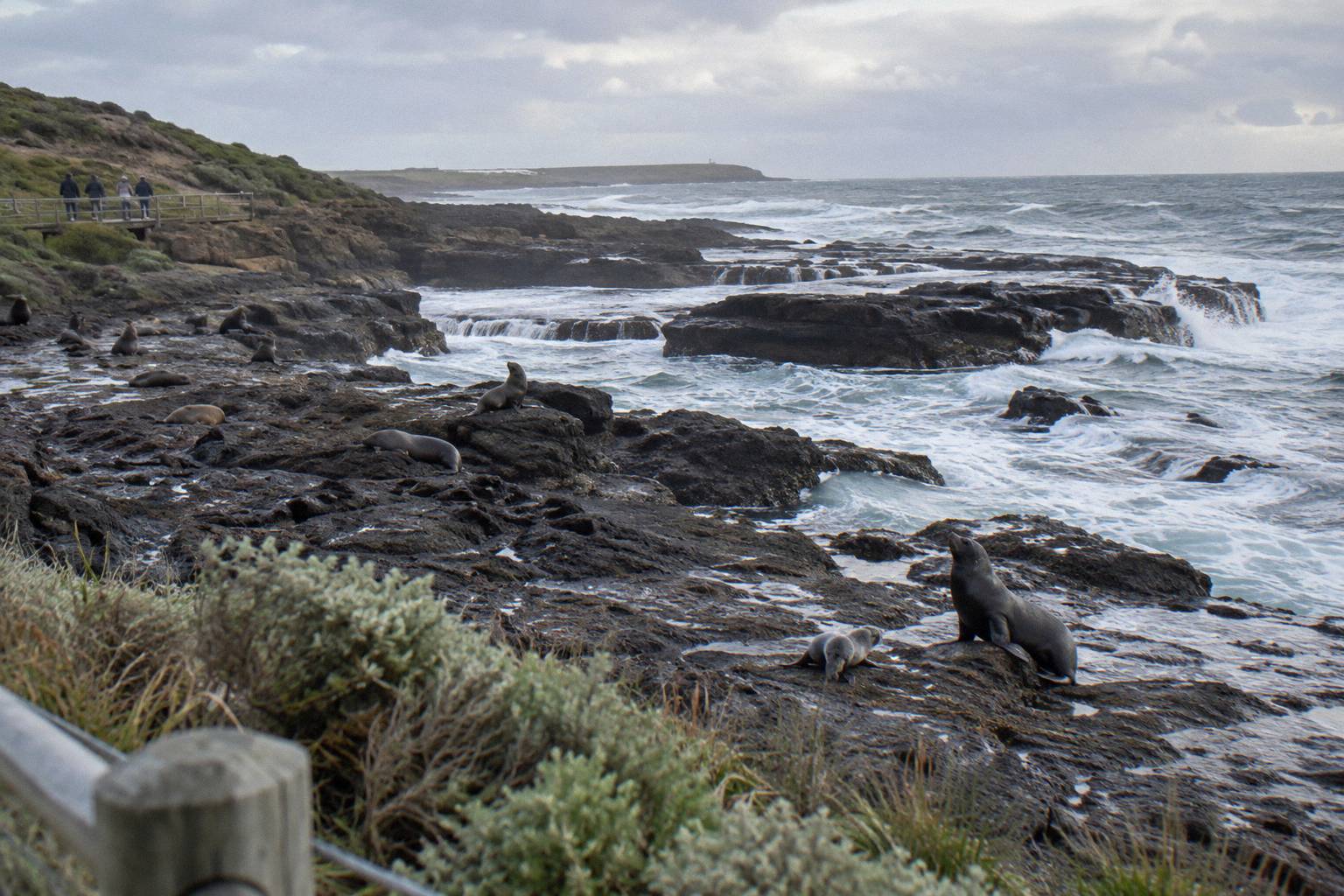
Winter and spring have their own texture. Weaning through winter means young seals spending more time in the water and less packed shoulder to shoulder, which can thin the visual density on the rocks even when the colony's total population is unchanged. Spring's arriving bulls add bulk and noise to the colony, and the operator's text about fighting for territory suggests a more active scene, but again, activity is not a headcount. Readers planning around these rhythms rather than guessing at them get the full breakdown in the best month for a seal cruise guide.
The right framing for any month is tendency plus caveat. If you sail in peak breeding weeks, the odds of seeing the rocks heavily loaded are higher than in midwinter, and if you sail in midwinter the seals that are present may be more active in the water. Neither statement is a promise, and the operator's cancellation terms for weather, minimum numbers and safety outrank every seasonal argument: a sailing that does not go sees no seals at all, and a transfer or full refund is what the terms offer when that happens.
How Close The Boat Gets, And Why The Rules Shape The View
Victorian rules bar boats from approaching within 60 metres of the low water mark at Seal Rocks, though licensed tour operators may come closer, subject to a range of other operating conditions. That licensed allowance is why the operator can describe drifting "within meters of the seals", and the department notes the seals are accustomed to humans and can be approached reasonably closely by boats.
The rule framework is worth knowing because it is the machinery behind the marketing. A general boat cannot push in close to the rocks; a licensed tour operator holding a permit can, under conditions set by the environment department. When the operator says the boat drifts within meters of the seals, that claim is only available because of the permit, and the permit's conditions are the reason the boat drifts rather than holding station or circling tight. The DEECA page on protected areas and Seal Rocks approach rules states the 60 metre limit and the licensed-operator allowance plainly, and it is the primary source for both.
Other distances in the same rule set matter less to a cruise passenger but explain the atmosphere around the colony. Jet skis must keep 200 metres from a seal breeding colony, aircraft must not fly below 300 metres within a 300 metre radius, and it is illegal to touch or feed a seal anywhere. The seal encounter rules page sets those out. A passenger who understands the framework arrives with a better question than "how close do we get?", namely "what does the permit allow today?", because weather can narrow what the skipper does with the allowance even when the rules do not.
The practical takeaway for expectations is that closeness is the variable the operator controls, and presence is the variable the seals control. A permitted close drift in front of a loaded rock shelf produces the experience the 5000+ average is built on. The same drift past a shelf where most animals are feeding at sea still shows you the colony, the rocks, the seabirds the operator lists (crested terns and sooty oystercatchers), and whatever seals have hauled out, but the spectacle scales with the animals' own day. Anyone wanting the long-form version of this comparison can read the two-hour seal boat tour walkthrough.
Which Boat Trip Gives You The Best Chance Of Seals?
The Seal Rocks Cruise From Cowes is your best bet: a dedicated 2-hour seal trip from A$115 per person, departing daily at 2.00pm and drifting at the rocks under permit. The 4-hour Winter Whale Watching Cruise From Rhyll from A$179 also calls at Seal Rocks but prioritises whales, with an 80-85% sighting expectation, while the 30-minute Cape Woolamai jetboat never reaches the rocks.
The three options answer three different questions. The Cowes cruise answers "how do I see the big colony", and it is the one the 5000+ average belongs to. The Rhyll whale cruise answers "can I pair seals with a winter whale attempt", running 4 hours from Rhyll Jetty, daily in the operator's early June to early August window, 8:30am to 12:30pm, rated 4.9 from 28 reviews on one booking page and 4.7 from 97 on a second, and including Seal Rocks on its route. The jetboat answers "do I want speed and sea caves in half an hour", with a 5-year minimum age, a 120 kg per person limit, live captain commentary and a route to the Cape Woolamai caves and Bird Rock rather than to the colony.
| Trip | Duration | From price | Headline species | Seal promise |
|---|---|---|---|---|
| Seal Rocks Cruise From Cowes | 2 hours | from A$115 per person | Australian fur seals at Seal Rocks | Operator average of 5000+ sighted up close across cruises; no per-sailing promise |
| Winter Whale Watching Cruise From Rhyll | 4 hours | from A$179 per person | Whales, with Seal Rocks on the route | Whale sighting rate worded "Expected 80-85% - not guaranteed"; no seal count given |
| Jetboat Seal Sighting And Sea Caves | 30 minutes | price on the booking page | Sea caves and Bird Rock | Does not go to Seal Rocks; wildlife including seals is not guaranteed |
Two clarifications protect buyers. First, Wildlife Coast Cruises operates the Cowes seal cruise and the Rhyll whale cruise: they are different boats, routes and seasons from one operator, not rival companies, so choosing between them is choosing within a family of products. Second, the whale and dolphin wording, "Expected 80-85% - not guaranteed" for whales and "Expected 80%" for dolphins, belongs to the winter cruises only; the seal cruise makes no whale or dolphin claim at all, and dolphins are never part of the Seal Rocks promise. Readers deciding between the two Wildlife Coast Cruises options get a side-by-side in the which Phillip Island tour is best for seeing seals post.
A reader who wants seals and only seals should book the Cowes cruise on the strength of the permit, the close drift and the all-year schedule. A reader who wants a bigger winter day and accepts a "not guaranteed" whale attempt can consider Rhyll and treat the Seal Rocks pass as part of the route. A reader who mainly wants a thrill ride should want the jetboat on its own merits, with the jetboat seal sighting and sea caves tour priced on the booking page, and treat any seal seen on the way as a bonus the operator has explicitly not promised.
What A Realistic Expectation Looks Like By Traveller Type
A realistic expectation depends on who you are: first-timers should focus on the colony facts, families can see the animals in about 2 hours with child fares and a height limit on the bow deck, seasickness-prone travellers should mind the open-water conditions, and photographers should expect a moving vessel and a drone ban.
First-time visitors carry the most risk of disappointment, because they are the most likely to read 5000+ as a personal promise. The defense is sequencing: accept the average as evidence the colony is real and routinely viewable, read the departmental quarter-of-Victoria's-seals line as the independent confirmation, and then set the day's goal as "drift close to a wild breeding colony for two hours" rather than "count five thousand animals". Done in that order, even a moderately loaded rock shelf delivers, and the cruise carries a 4.9 from 236 reviews on one booking page and 4.8 from 152 on a second from passengers who made the same calculation.
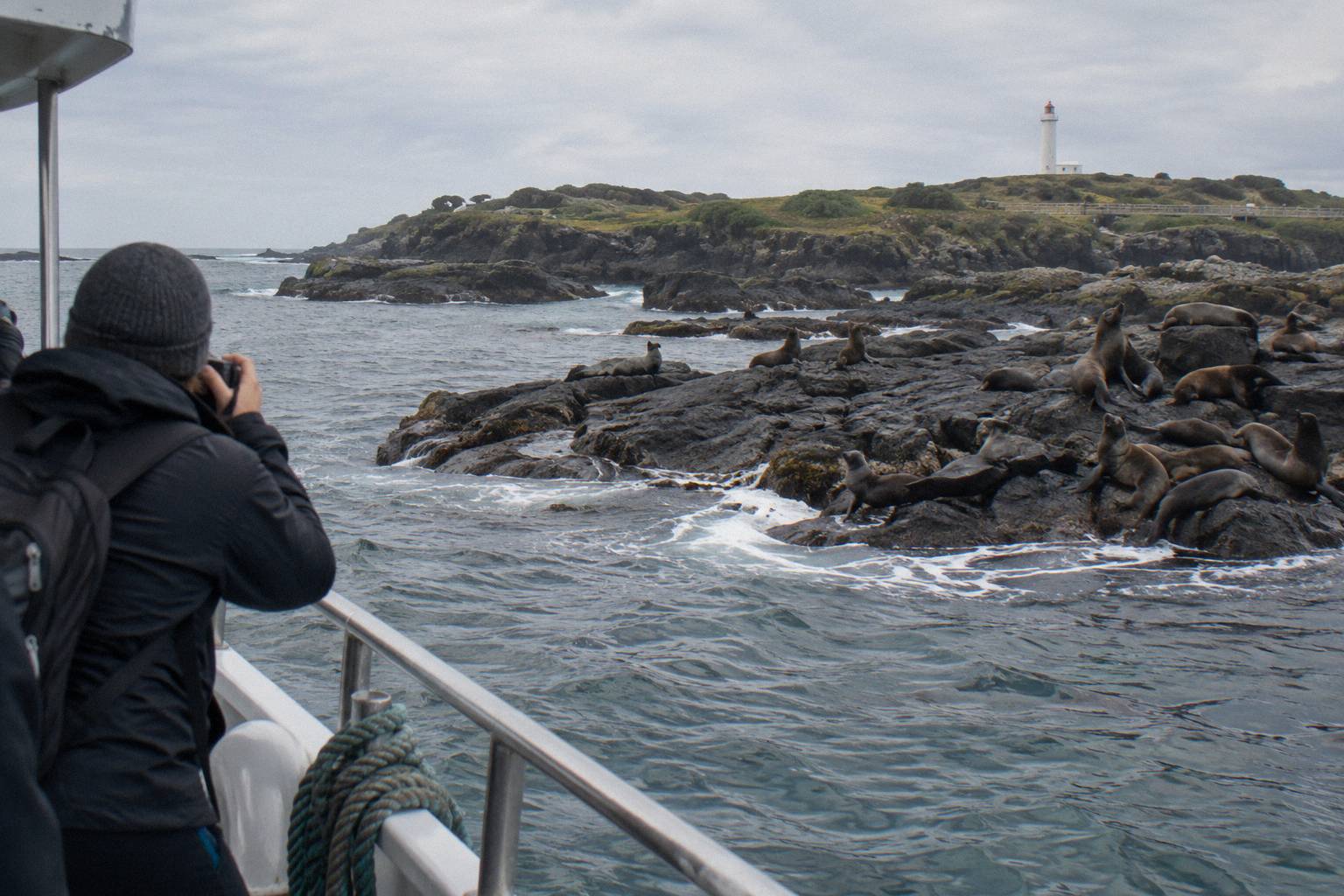
Families should think less about numbers and more about the practical frame: 2 hours is a manageable window, tea and coffee are complimentary with cake on the return, toilets are on board, and children must be supervised by an adult. The bow deck's 1 metre rule decides where the family stands, not whether seals appear, and the taking kids on a seal cruise guide works through the rest of that checklist. For a household deciding whether the fare is defensible for small children, the real test is whether two hours of wild animals at sea holds the child's attention, not whether the child can verify a five-thousand average.
Seasickness-prone readers face a different question entirely, because the operator states plainly that the tour "travels into open waters and vessel motion may occur at times, taking motion sickness tablets is recommended". Staff advise booked passengers of sea concerns at least the day prior, which is the moment to reconsider, and the full decision logic sits in the seasickness on a seal boat tour guide. Photographers get the same colony as everyone else under stricter rules: drones and underwater GoPros on poles are not allowed, the boat moves, seating is not designated, and the photographing seals from a moving boat guide covers what that means for gear choices.
Groups of friends and couples without children can take the longer view: the cruise is 2 hours of a Phillip Island day that can also carry the Nobbies boardwalks or a sunset Penguin Parade arrival, and the expectations conversation is easier when the sailing is one act in a day rather than the whole show. Every one of these traveller types buys the same product and sees the same colony under the same rules; what changes is which fact does the persuasive work, and which practical limit, age, motion, gear or schedule, deserves the attention first.
What To Ask The Operator Before You Book
The operator shows no per-sailing sighting record or sea-state forecast, so the useful pre-booking questions are the ones its own rules and terms answer: whether your date falls inside the peak extra-sailing window, what the weather cancellation process offers, which fare categories apply to your group, and what the bow deck and supervision rules mean for your children. Each answer comes from the operator's stated policy, not from guesses about the animals.
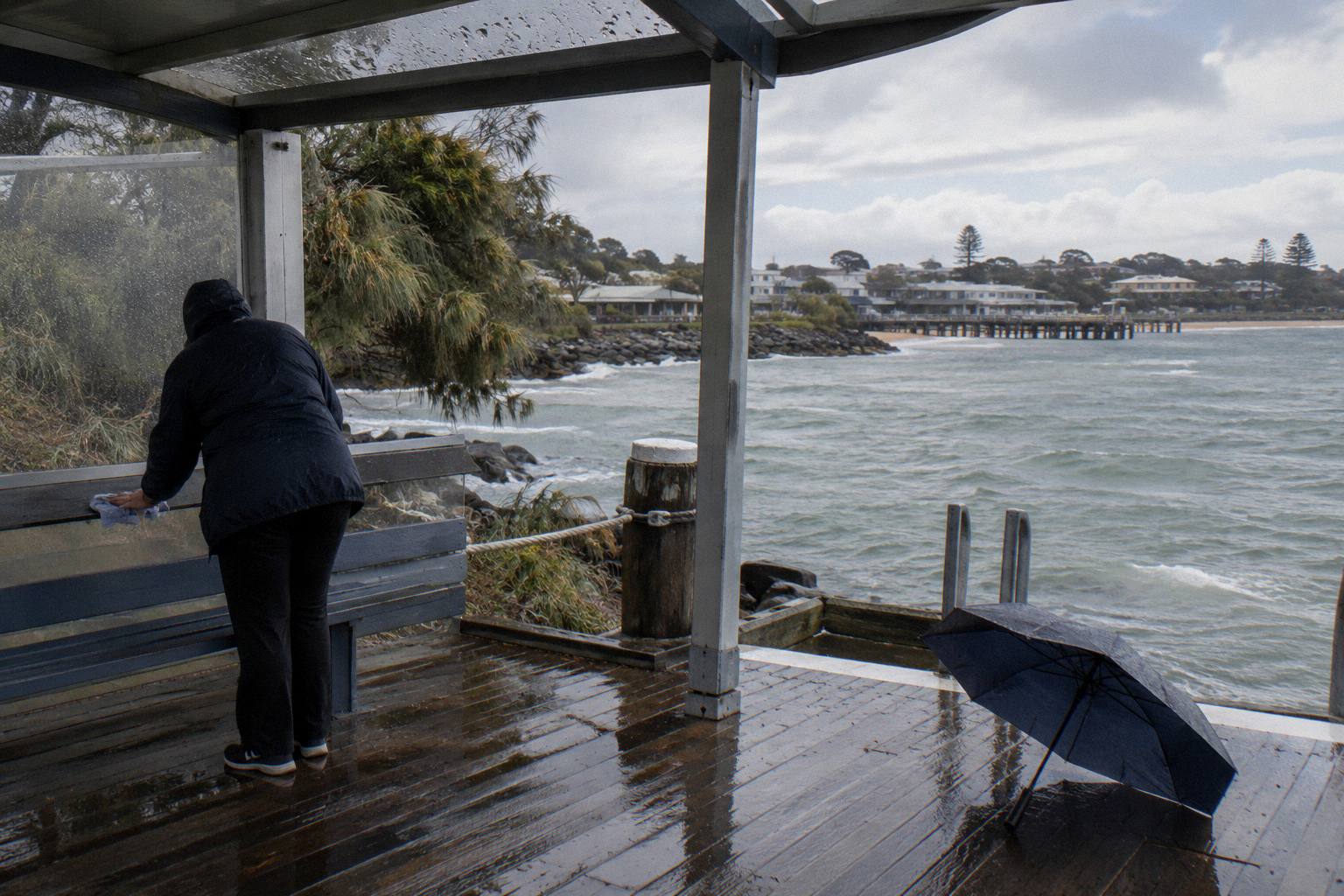
Build the checklist from stated rules only. Ask about your date's sailings: the base schedule is daily at 2.00pm all year, and Nature Parks adds 11.00am and 4.30pm sailings from 26 December to 31 January, with availability on the booking page. Ask about weather: cruises are subject to minimum numbers and weather conditions, the operator may change or cancel and then offers a transfer or full refund, and customer cancellation earns a full refund up to 24 hours before departure while a no-show or missed cruise is forfeited. Ask about fares: adult, concession, child 3 to 15, infant 0 to 2 free, family of 2 adults and 2 children, and group of 5 or more are the categories, with the booking page showing the amount for your date, and Companion Card holders get 50 percent off the adult fare.
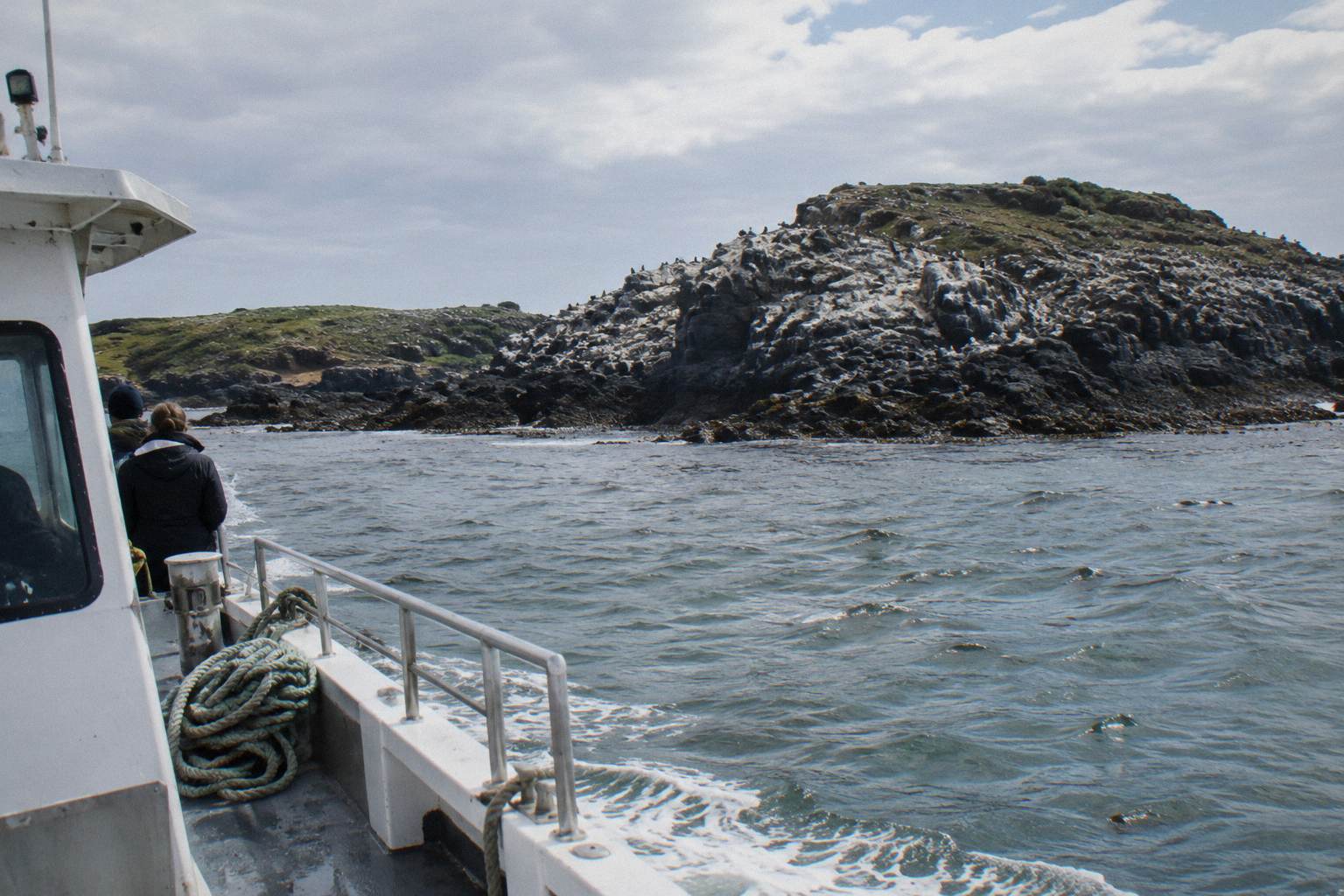
Ask about access and gear: the cruise is not wheelchair accessible per the booking page, prams are not addressed by the operator so ask when booking, drones and pole-mounted underwater cameras are not allowed, BYO alcohol is not permitted, and only accredited assistance dogs may board. Ask about arrival: 30 minutes before departure, boarding 15 minutes before, and the cruise departs on time, with Cowes Jetty's ticketing office in the white domed roof building and boarding at the end of the jetty. None of these questions touches the seal count, and that is the point: every controllable variable sits on the human side of the trip, and the operator's frequently asked questions page covers most of them.
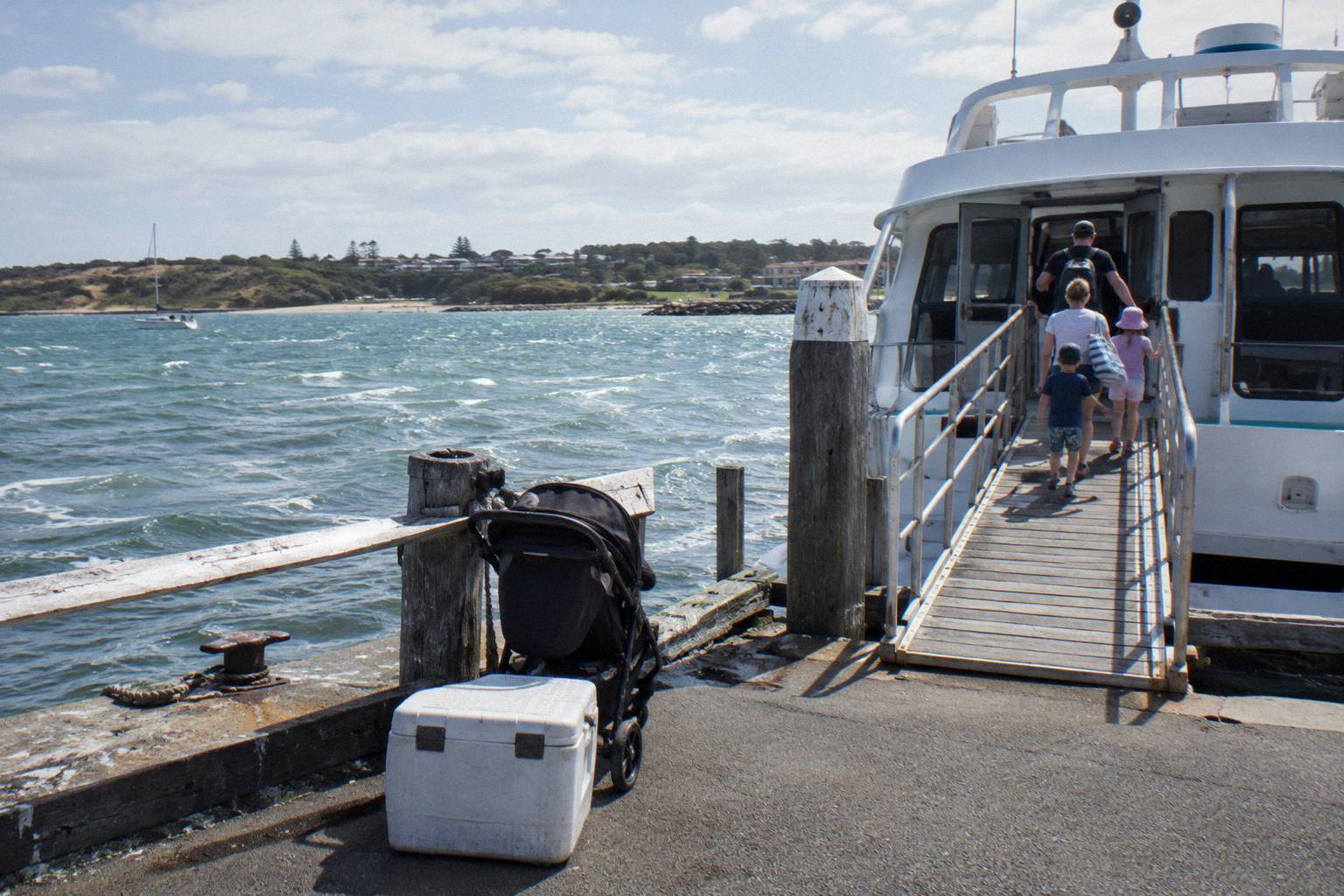
Mistakes That Undermine A Seal Cruise Day
The biggest mistakes are self-inflicted rather than seal-related: arriving late and losing your non-transferable, non-refundable fare, ignoring the open-water motion warning, treating a 5000+ average as a certainty, letting a small child stand at the bow, or expecting Melbourne pickup the operator does not provide. Weather and minimum passenger numbers can also change the day, and the whale product runs only in winter, so plan accordingly.
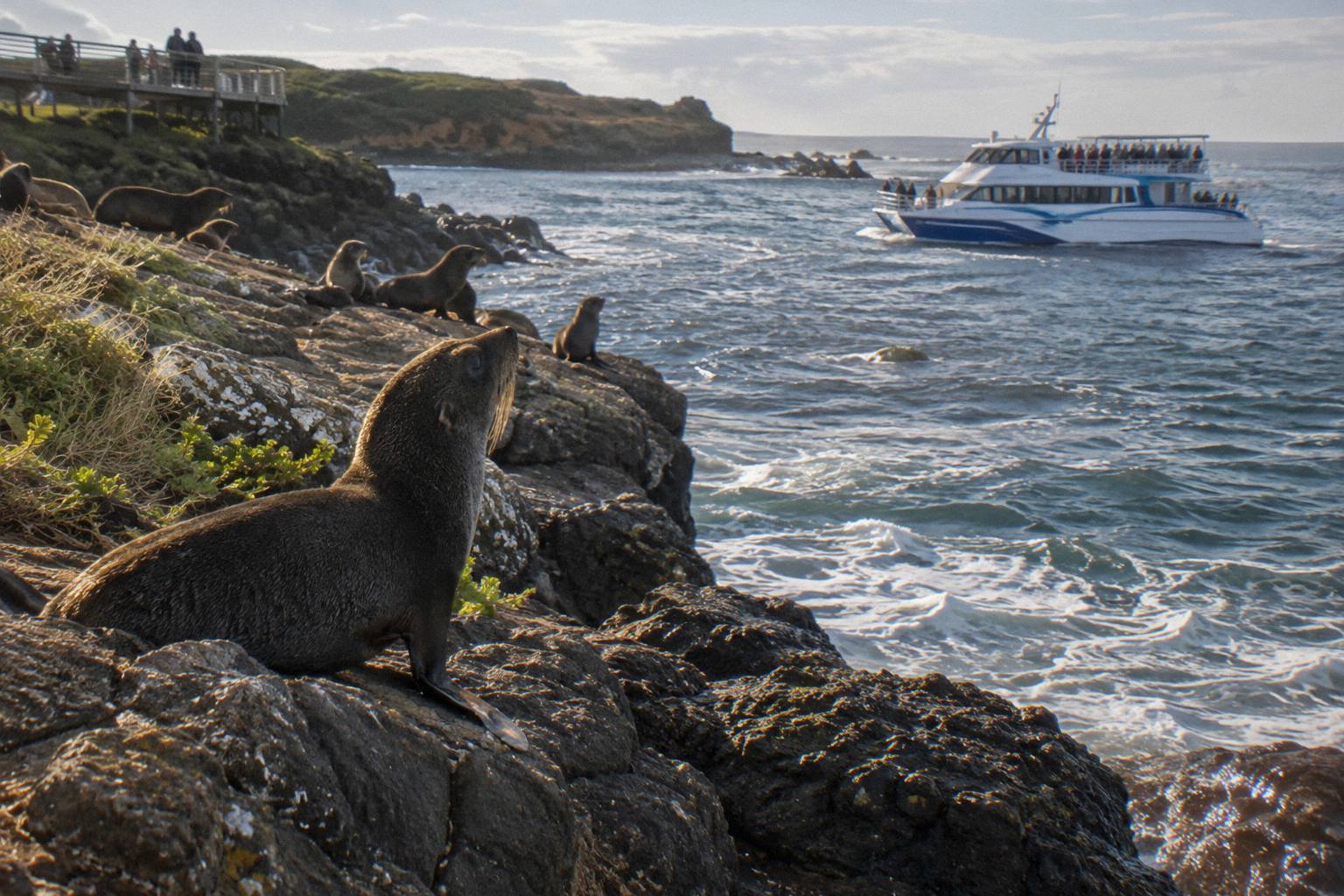
The clock is the first trap. The operator asks for arrival 30 minutes before departure, boarding 15 minutes before, and states that cruises depart on time; a missed cruise is forfeited, non-transferable and non-refundable, which converts a five-minute error into the full fare. The second is motion: the tour travels into open waters, vessel motion may occur, and the operator recommends motion sickness tablets, so a reader who ignores that wording and spends the drift at the rail has not tested the seal count, only their own preparation. The third is expectation: booking on "5000+" as if it were a door prize, when it is an average across cruises that no sailing is obliged to reproduce.
The remaining mistakes are structural. Bringing a child under 1 metre tall and promising them the bow deck, which is restricted to people over 1 metre, sets up a predictable letdown the rules already prevent. Expecting a hotel pickup from Melbourne when the operator offers none, and the trip requires a drive of about 90 minutes to two hours or a connecting V/Line coach to Cowes, wrecks the schedule before the jetty. Booking the Sunset Cruise From San Remo and expecting seals, when the operator promises no seals on it, or expecting whales on the summer seal cruise when whale sailings run only early June to early August, both misread the product line. And planning a post-cruise visit to the Nobbies Centre without checking first, since the boardwalks and car park are open but the centre, cafe and toilets are closed, turns the second half of the day into an unplanned detour. For the full set of cruises from Cowes, San Remo and Rhyll with fares and departure points, Phillip Island Seal Cruises lists them together.
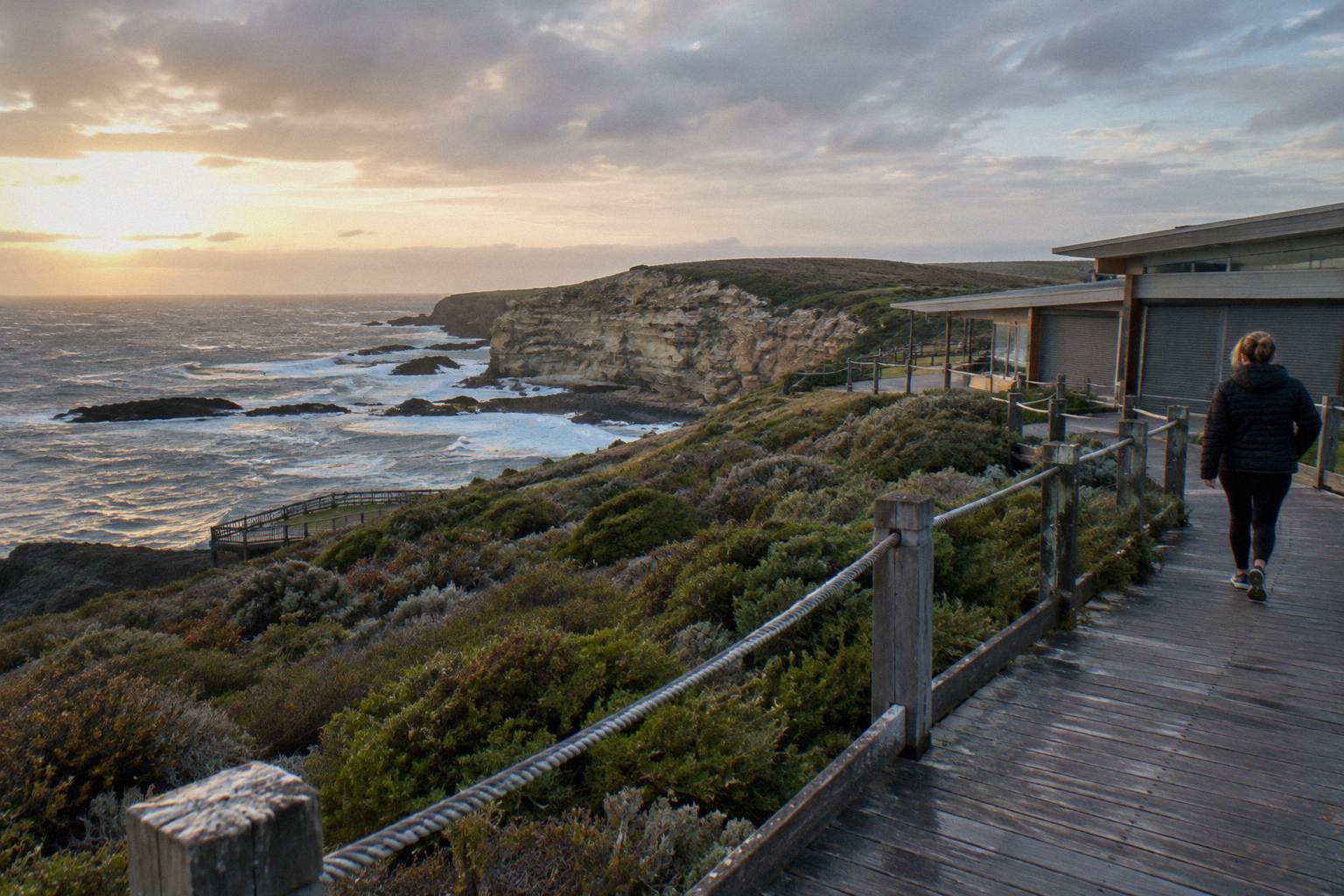
The question underneath the whole purchase is trust, and the trust test has a clean answer. The operator publishes an average, not a promise; the department independently confirms the colony's standing; the permit system explains the close approach; and the free cancellation up to 24 hours on the booking page gives an exit if the forecast sours. A buyer who reads those four facts in order, and asks the operator the checklist questions before paying, is not gambling on a number, and that is the strongest position any wildlife booking can offer.
Common Questions About Seal Numbers On The Cruise
How Many Seals Will You Actually See On The Cruise?
The operator does not promise a count for any sailing. Its published figure is an average of 5000+ seals sighted up close across cruises, and behind it sits a colony the Victorian environment department calls the largest seal-breeding colony in Victoria, reported at 5,000 to 8,000 seals ashore at one time. Your sailing's number depends on season, weather and where the animals are that day.
Is The 5000+ Seals Figure A Guarantee?
No. It is a marketing average across cruises, not a colony size and not a per-sailing promise. No sighting is guaranteed on any wildlife cruise, and the operator's wording presents it as an average only.
How Big Is The Seal Colony At Seal Rocks?
The Victorian environment department says Seal Rocks supports about a quarter of all Victorian seals and is the largest seal-breeding colony in Victoria, while Nature Parks calls it one of Australia's largest. Reported secondary figures put about 20,000 seals using the rocks overall, with 5,000 to 8,000 ashore at one time.
Does The Season Change How Many Seals Are On The Rocks?
It can. The operator's seasonal text puts breeding and births in summer, play and a first moult in autumn, weaning in winter and territorial bulls in spring. These are tendencies in the colony's year, not predictions for any sailing, and the cruise runs daily all year.
Do The Winter Whale Cruises Show More Seals?
The Winter Whale Watching Cruise From Rhyll, 4 hours from A$179 per person in early June to early August, visits Seal Rocks on its route, but its published sighting expectation is about whales, worded "Expected 80-85% - not guaranteed". No per-sailing seal count is published for it.
Can The Boat Count Seals For You On The Day?
Ask the operator when you book about a per-sailing count or sighting record. The commentary covers the colony and its natural history, and any numbers given on board come from the crew on the day rather than a published figure.