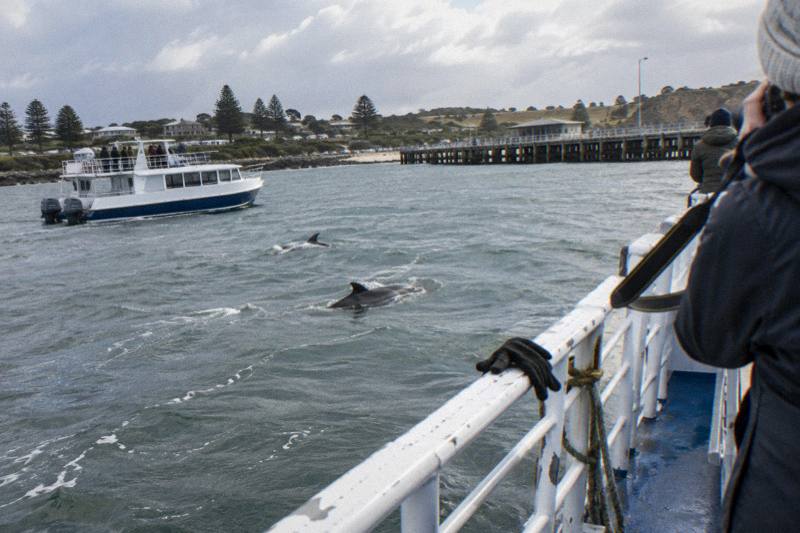
Do You See Dolphins On A Seal Cruise?
No dolphin figure exists for the Seal Rocks cruise: the operator gives an expected 80 percent dolphin sighting wording only on its winter Dolphin And Whale Cruise From San Remo, from A$135 per person.
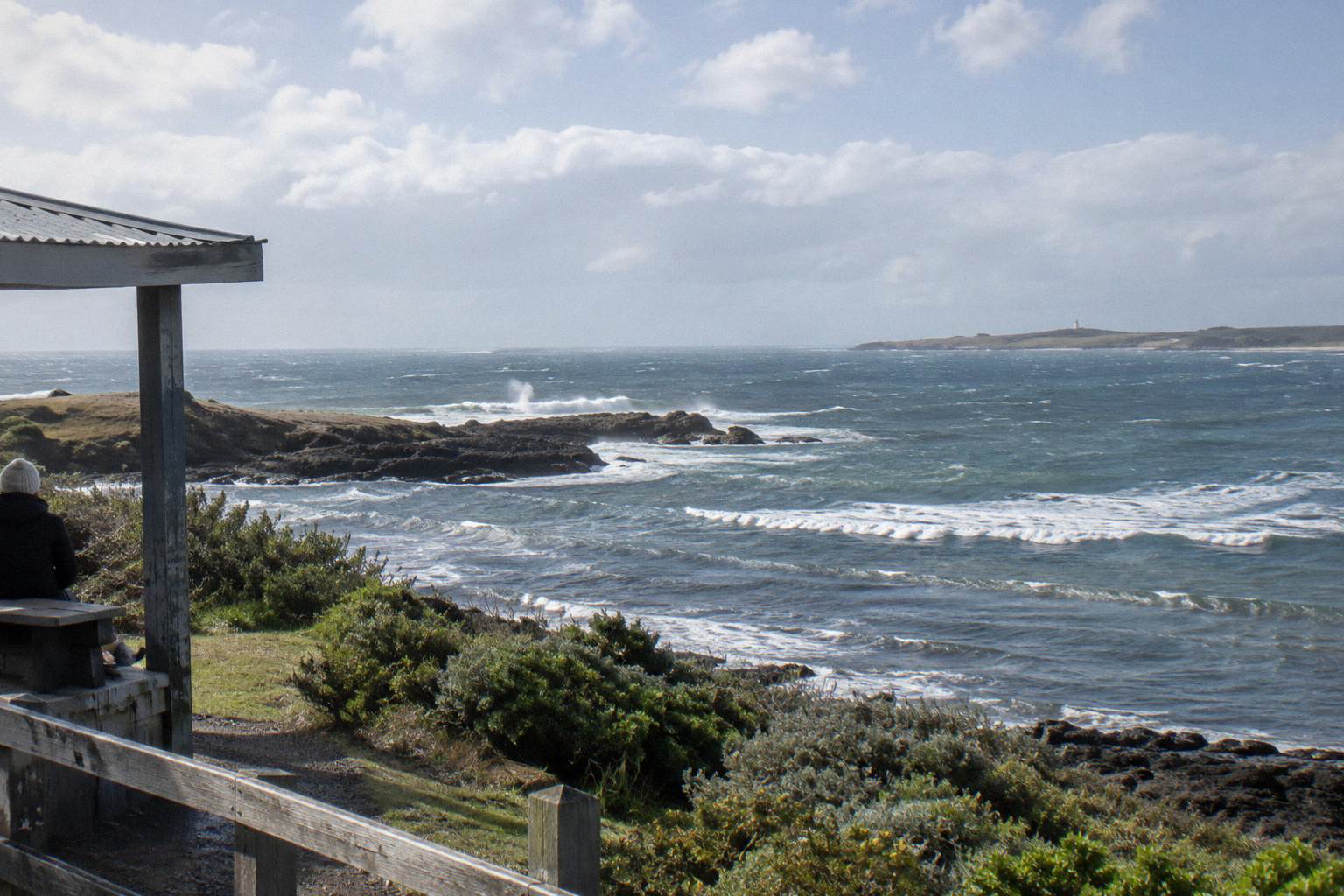
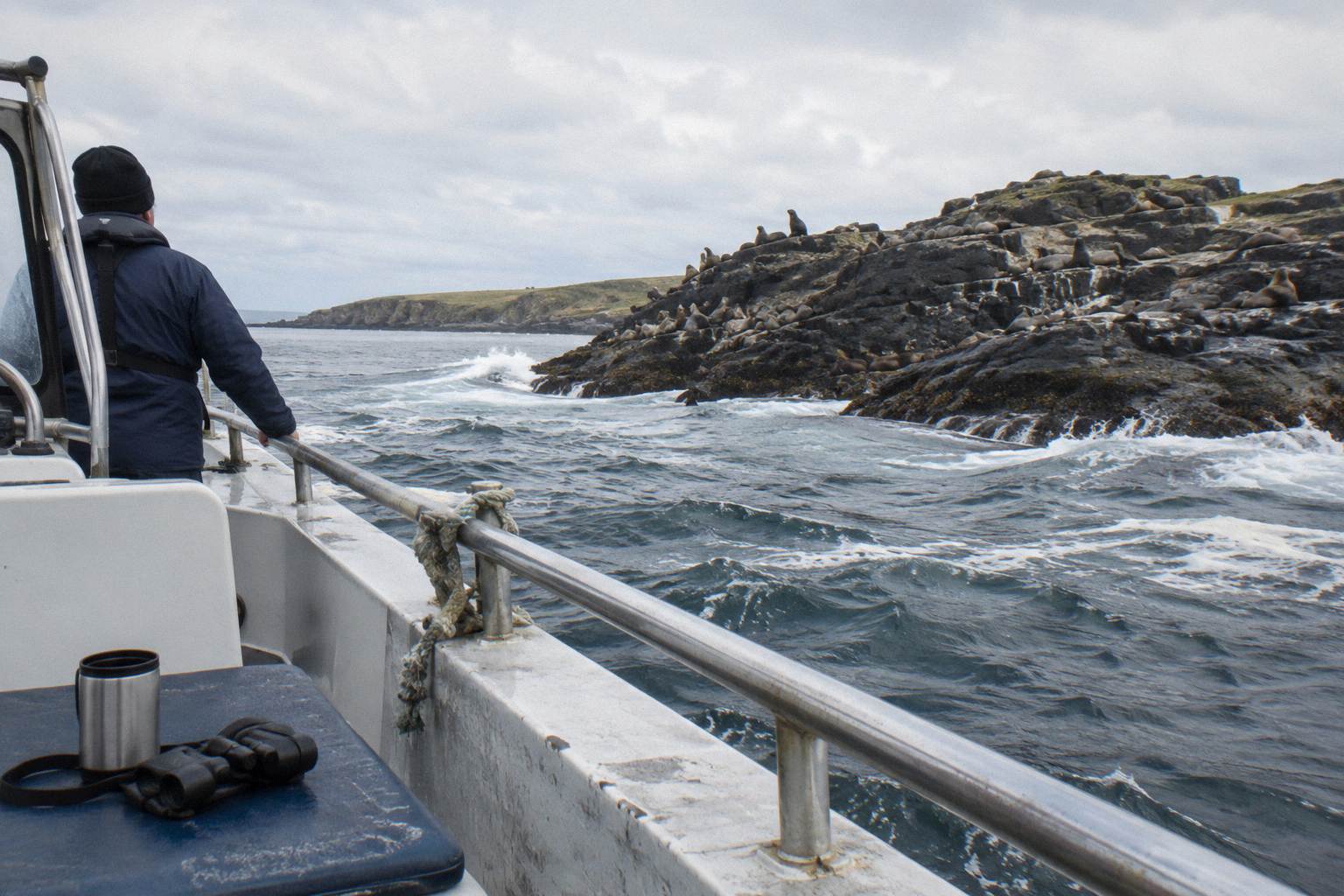
Seals are the product of the two hour cruise from Cowes, and the operator words that product plainly: the boat drifts, in its own words, "within meters of the seals" at Seal Rocks, about 2 km, the operator's figure, off the rugged southwest coast. Dolphins appear nowhere in that cruise's own description. The number people remember, an expected 80 percent, sits on a different cruise from a different jetty in a different season, though the same operator runs both. Amounts in Australian dollars throughout.
Dolphins are not part of the seal cruise's stated promise. The operator attaches its "Dolphin sightings (Expected 80%)" wording only to its winter dolphin and whale cruises from San Remo and Rhyll, never to the year round Seal Rocks cruise from Cowes. A dolphin can appear in Bass Strait waters on any day, and no sighting of any kind is guaranteed, but a reader choosing a boat on the strength of dolphins should buy the ticket that mentions them.
The distinction matters because the two products are sold side by side and sound similar in a search result. The Seal Rocks Cruise From Cowes runs daily at 2.00pm all year, lasts 2 hours, from A$115 per person, and is rated 4.9 from 236 reviews on one booking page and 4.8 from 152 on a second, 380+ reviews combined. Its inclusions are commentary, tea, coffee and cake. Nothing in those inclusions or in the operator's own cruise page mentions dolphins, and nothing should be read into that silence either way: the sea the boat crosses is the sea the dolphins live in, and wild animals do not consult a timetable.
What the seal cruise does promise, in the operator's wording, is the largest fur seal colony experience it sells: an average of 5000+ seals sighted up close across its cruises, phrased by the operator as a marketing average, never a colony size and never a promise for one sailing. Phillip Island Nature Parks, which lists the cruise as a partner product rather than its own vessel, words it as visiting one of Australia's largest fur seal colonies. A traveller whose heart is set on seals is on the right boat. A traveller whose heart is set on dolphins is reading the wrong product page.
Both cruises come from the same operator, Wildlife Coast Cruises, which runs five of the seven core boat tours on Phillip Island from three different jetties. That fact changes how the choice should be made: this is not a matter of picking between rival companies with rival claims, it is one operator offering two outings shaped for two different animals in two different seasons, and it words each promise precisely.
Which Phillip Island Cruise Actually Mentions Dolphins?
Only the Dolphin And Whale Cruise From San Remo carries dolphin wording, and the Winter Whale Watching Cruise From Rhyll shares the whale wording. The San Remo cruise is 3 hours, early June to early August, 1pm to 4pm, from A$135 per person, rated 4.6 from 83 reviews on one booking page and 4.8 from 24 on a second. The Rhyll cruise is 4 hours, daily in the same window, from A$179 per person.
The table below puts the dolphin and whale wording where it belongs, cruise by cruise. Read the wording column exactly as the operator prints it: an expected figure is a rate the operator states from its own records, not a promise, and both whale wordings are printed with the operator's own qualifier, "not guaranteed".
| Cruise | Runs | Dolphin wording | Whale wording |
|---|---|---|---|
| Seal Rocks Cruise From Cowes | Daily 2.00pm, all year | None printed | None printed |
| Dolphin And Whale Cruise From San Remo | Early June to early August, 1pm to 4pm | "Dolphin sightings (Expected 80%)" | "Expected 80-85% - not guaranteed" |
| Winter Whale Watching Cruise From Rhyll | Daily early June to early August, 8:30am to 12:30pm | None printed separately | "Expected 80-85% - not guaranteed" |
| Sunset Cruise From San Remo | Saturdays September to March, 1 hour before sunset | None printed | None printed |
| Cape Woolamai Cruise From San Remo | All year, 1 hour | None printed | None printed |
Two readings of that table are possible and both are true. First, if dolphins are the goal, one row mentions them and the other rows do not, and the choice is made. Second, the dolphin row exists only in winter, from early June to early August, so a summer visitor cannot buy the cruise that carries the dolphin figure at all. A summer traveller who wants dolphins on a boat has no Phillip Island product with dolphin wording to buy, and the sensible move is to enjoy the seals the summer product actually describes, since seal pups are born in early summer per the operator's own seasonal notes.
The whale question runs on the same logic and is worth settling in the same breath. A reader can dig into whether whales need a separate winter cruise, but the short version is identical to the dolphin answer: the seal cruise runs all year and is not a whale cruise, and the whale wording lives on the two winter products. Humpback season is reported as May to October by a tourism body, but the operator runs its whale cruises early June to early August, and the operator's dates are the ones that govern which sailing exists on a given day.
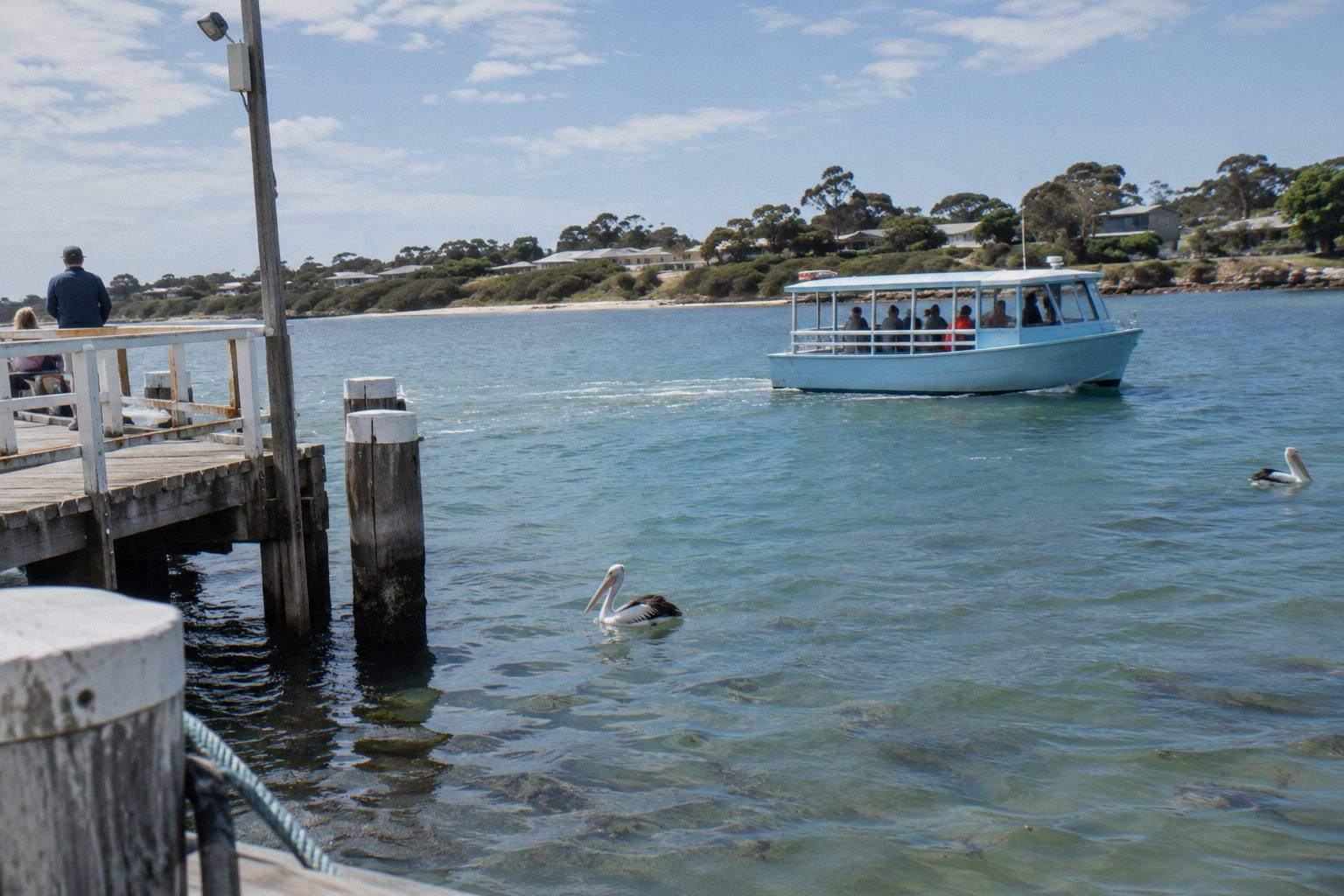
For a dolphin hopeful standing in the booking flow, the Dolphin And Whale Cruise From San Remo is the decision that matches the goal, and the seal cruise is a different, year round decision that matches a different goal. Both carry free cancellation up to 24 hours on the booking page, which softens a wrong guess considerably: pick, and if the season or the plan shifts, the 24 hour rule on the booking page is the safety net.
What Does The 80 Percent Dolphin Figure Actually Mean?
It is the operator's expected sighting rate for dolphins on its San Remo dolphin and whale cruise, printed by the operator as "Dolphin sightings (Expected 80%)". It is not a guarantee, not a refund trigger, and not a figure for any other cruise, jetty or season. The operator's own whale wording carries the explicit qualifier "not guaranteed", and the dolphin figure should be read with the same caution even though the operator prints it without one.
An expected rate is a record of how often the operator's trips have produced the sighting, condensed into one number. Eighty percent means roughly four sailings in five have delivered dolphins by the operator's account, and one in five has not. A buyer who understands that can plan around it: book the cruise for the whole experience, the three hours on the water, the whale spotter on board, the tea, coffee and cake, and treat dolphins as a strong possibility rather than the contract.
The same operator applies this style of wording consistently across its wildlife products, and the consistency is itself information. Where the operator believes a sighting is likely, it prints an expected figure. Where the cruise is about something else, cliffs, sunset, bridge and pelicans, seals at Seal Rocks, it prints no dolphin figure at all. The absence of a figure on the seal cruise is not a warning that dolphins never appear in those waters, it is simply the operator declining to make dolphins part of what that ticket sells.
Victorian rules add a layer worth knowing before anyone imagines a boat chasing dolphins for a photo. The Department of Energy, Environment and Climate Action states that boats must not travel within 100 metres of a dolphin, that caution zones extend 150 metres around dolphins with a maximum speed of 5 knots inside them, and that a vessel must not approach head on, from behind, or between a mother and her young. One further line from the same pages reassures: if a dolphin chooses to ride the boat's bow wave, that is not an offence by the boat. Licensed tour operators work inside these rules. The full distances are stated by DEECA's water safety around marine mammals page.
That regulatory frame explains why a dolphin sighting, when it happens, tends to feel like a gift rather than a performance. The boat holds its distance and the dolphins decide. It also explains why no operator on this coast will sell a dolphin promise: the law keeps the boat 100 metres back, and what happens inside that gap is up to the animals.
Why Do The Dolphin Cruises Only Run In Winter?
The operator schedules its dolphin and whale cruises for early June to early August only, and the Dolphin And Whale Cruise From San Remo runs 1pm to 4pm in that window. The operator does not publish a reason for the seasonal schedule, so the simple fact is that the winter product exists in winter and the year round seal product runs daily at 2.00pm, and a traveller's calendar decides which one is available.
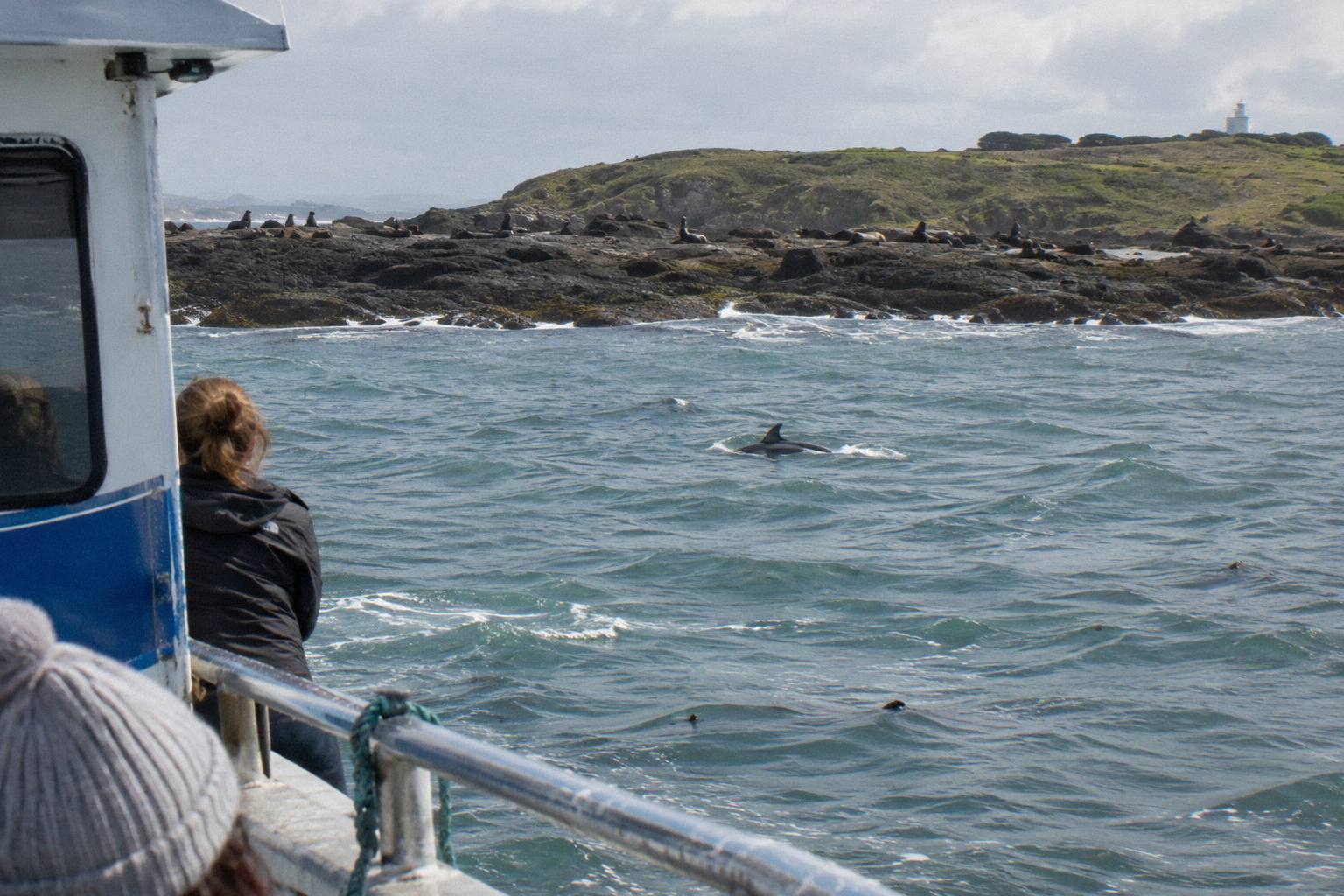
Winter on Phillip Island has its own character, and the Bureau of Meteorology's Rhyll station averages describe it plainly: July is the coldest month with a mean maximum of 13.4 °C and a mean minimum of 8.2 °C, and July and August carry the most rain days of the year at 12.4 and 12.7 days of a millimetre or more. Those are land station averages from the north side of the island on Western Port, not a sea state prediction for open water, and no published sea state numbers exist for Seal Rocks. What they tell a winter cruiser is practical: pack for cold, expect that some days will be wet, and check what to bring with the cold weather clothing approach for a seal boat.
The winter window has a second consequence that dolphin hopefuls should weigh. A 1pm to 4pm sailing from San Remo and an 8:30am to 12:30pm sailing from Rhyll can be combined in one day, in theory, by a determined visitor, but both are the same operator's boats and both are subject to the operator's minimum numbers and weather conditions clause, which allows the operator to change or cancel a sailing and offer a transfer or full refund. Building a whole day around two winter sailings doubles the exposure to that clause. One well chosen cruise, plus the seal cruise on another day if time allows, is the steadier plan.
For a traveller who is island bound anyway in winter, the seasonal overlap is a genuine opportunity rather than a limit. The question of how many days to spend on Phillip Island usually resolves to two in winter: one for the dolphin and whale sailing, one for the year round seal cruise and the Nobbies boardwalk, whose boardwalks and car park are open even though the Nobbies Centre, cafe and toilets are closed. Neither venue visit promises anything about dolphins, but both fill the hours around the sailing that might.
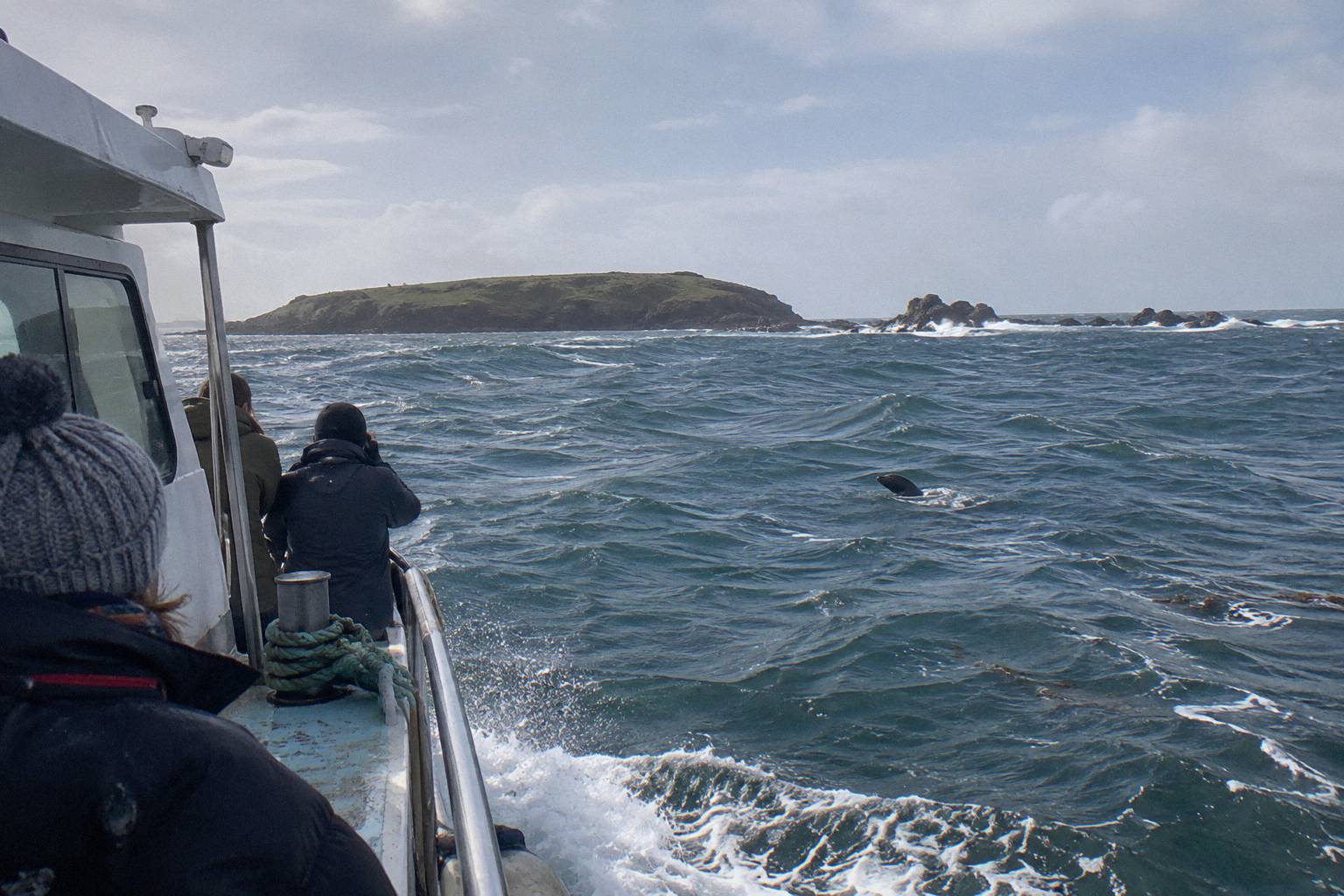
The seal cruise, meanwhile, does not pause for winter. It departs Cowes Jetty daily at 2.00pm all year, with the operator noting extra peak sailings at 11.00am and 4.30pm from 26 Dec to 31 Jan and asking readers to check availability for those. So the real seasonal fork is simple: summer visitors get the seal cruise and its peak extras, winter visitors get the seal cruise plus the only two cruises on the island that mention dolphins or whales in their own wording.
Seal Cruise Or Dolphin Cruise: Which Suits Which Traveller?
A traveller who wants the best chance of the animal in the ticket name buys the Dolphin And Whale Cruise From San Remo in winter. A traveller visiting outside that window buys the Seal Rocks Cruise From Cowes, which runs daily all year and carries the operator's seal wording instead. The comparison is about availability and calendar, not about which boat is better.
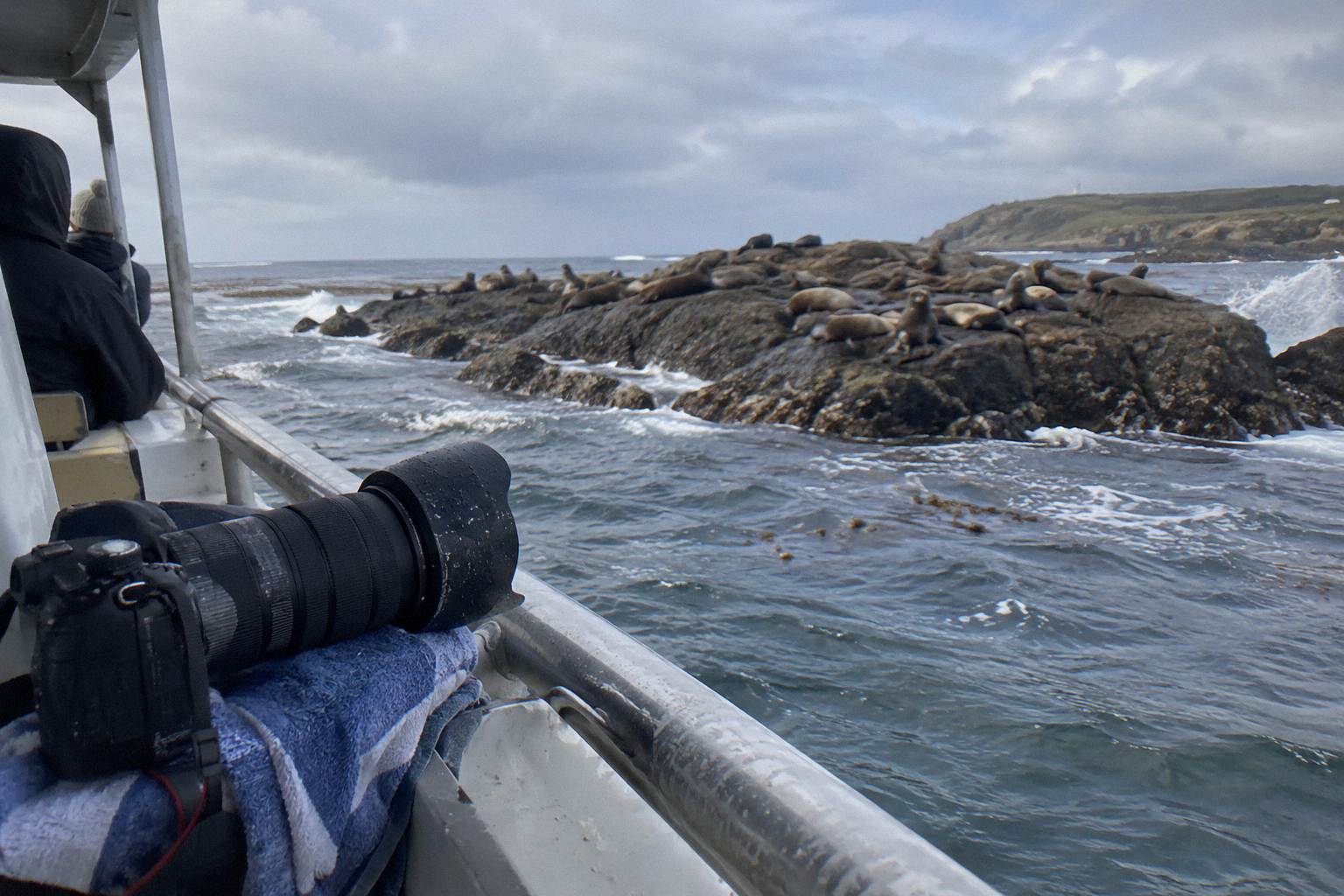
A family with young children often fares better on the two hour seal cruise than on a three hour winter afternoon sailing, for reasons the tours covered here state rather than guess: the child ticket scale runs ages 3 to 15 with infants 0 to 2 free, the front bow deck is restricted to people over 1 metre tall, all children need adult supervision, and the operator recommends motion sickness tablets because the seal tour travels into open waters where vessel motion may occur. Shorter outing, year round departures, toilets on board, and a colony the operator describes with a 5000+ seals sighted average make the seal boat the steadier family choice, and the family guidance for taking kids on a seal cruise covers the rest.
A couple or a group of friends chasing a bigger day in winter can justify the Rhyll whale cruise instead, 4 hours from Rhyll Jetty, from A$179 per person, rated 4.9 from 28 reviews on one booking page and 4.7 from 97 on a second, morning tea included, visiting Seal Rocks as part of its route. It carries the whale wording rather than a separate dolphin figure, but it shares the same waters and the same winter window as the San Remo dolphin cruise, and the choice between the seal and wildlife tours usually comes down to jetty convenience and start time rather than animals.
The table below summarises the decision against the facts that matter most: when each cruise runs, what each one costs from, and what each operator wording covers. Every cell comes from the operator's own pages or the booking pages, and the dolphin column tells the whole story of the article in three rows.
| Decision factor | Dolphin And Whale Cruise From San Remo | Seal Rocks Cruise From Cowes | Winter Whale Watching Cruise From Rhyll |
|---|---|---|---|
| Season | Early June to early August | All year, daily 2.00pm | Daily early June to early August |
| Duration | 3 hours, 1pm to 4pm | 2 hours | 4 hours, 8:30am to 12:30pm |
| From price | From A$135 per person | From A$115 per person | From A$179 per person |
| Animal wording | Dolphins "Expected 80%", whales "Expected 80-85% - not guaranteed" | Seals, "within meters of the seals", "5000+ seals sighted up close" average | Whales "Expected 80-85% - not guaranteed" |
| Departure jetty | San Remo Jetty | Cowes Jetty | Rhyll Jetty |
| Free cancellation | Up to 24 hours on the booking page | Up to 24 hours on the booking page | Up to 24 hours on the booking page |
A first time visitor with only one afternoon should weigh a different pair of factors: the seal cruise is the one that runs tomorrow at 2.00pm regardless of month, and the dolphin cruise is the one that exists only if the calendar lands between early June and early August. Availability beats ambition when the trip has a fixed date. A visitor without a car faces a second filter, since the operator offers no Melbourne pickup: the V/Line coach reaches Cowes, the cruise jetties are walked to from island bases, and the car free route to Cowes for a cruise is worth reading before any ticket is bought.
Someone prone to seasickness should ask the operator directly about conditions before either cruise, because the operator says its staff advise booked passengers of sea concerns at least the day prior, and both open water products carry the vessel motion note. The seasickness guidance for a seal boat tour collects the stated rules, and the practical answer for the dolphin cruise is the same one the operator gives: tablets recommended, open water, motion possible.
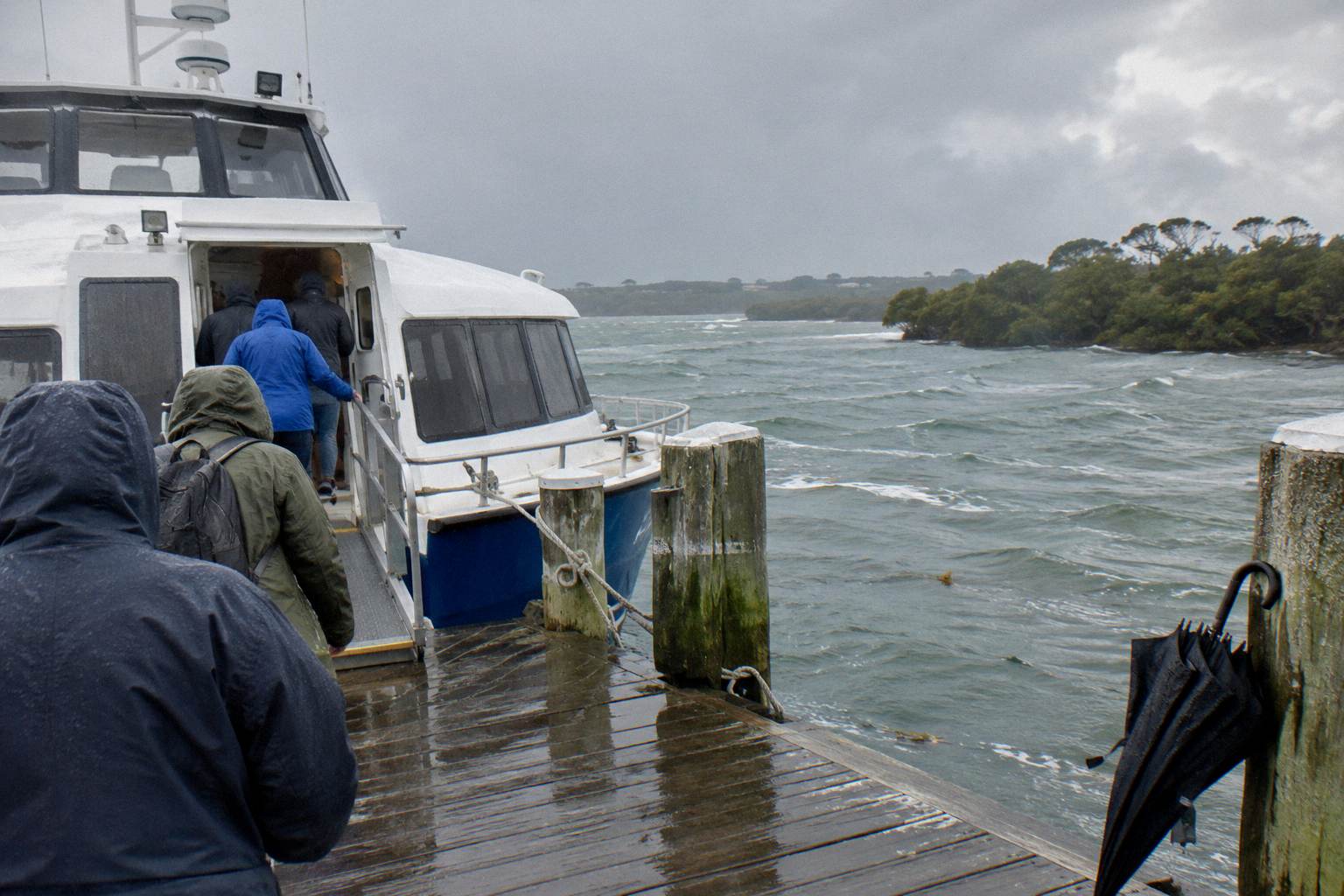
What To Ask The Operator Before Booking Either Cruise
Ask four things in one short message: whether your date falls inside the dolphin cruise's early June to early August window, what the minimum numbers situation looks like for your sailing, what the operator advises about sea conditions for your date, and what the cancellation rule means for your specific ticket. Each answer comes from the operator or its booking page, and none of them is guesswork once asked.
The seasonal question comes first because it is binary. The Dolphin And Whale Cruise From San Remo runs 1pm to 4pm in the operator's winter window only; if the date falls outside it, the dolphin cruise does not exist that day and the conversation moves to the year round seal cruise. The operator's own FAQ page covers its seasonal products, and the booking pages show free cancellation up to 24 hours on every one of the nine tours covered here.
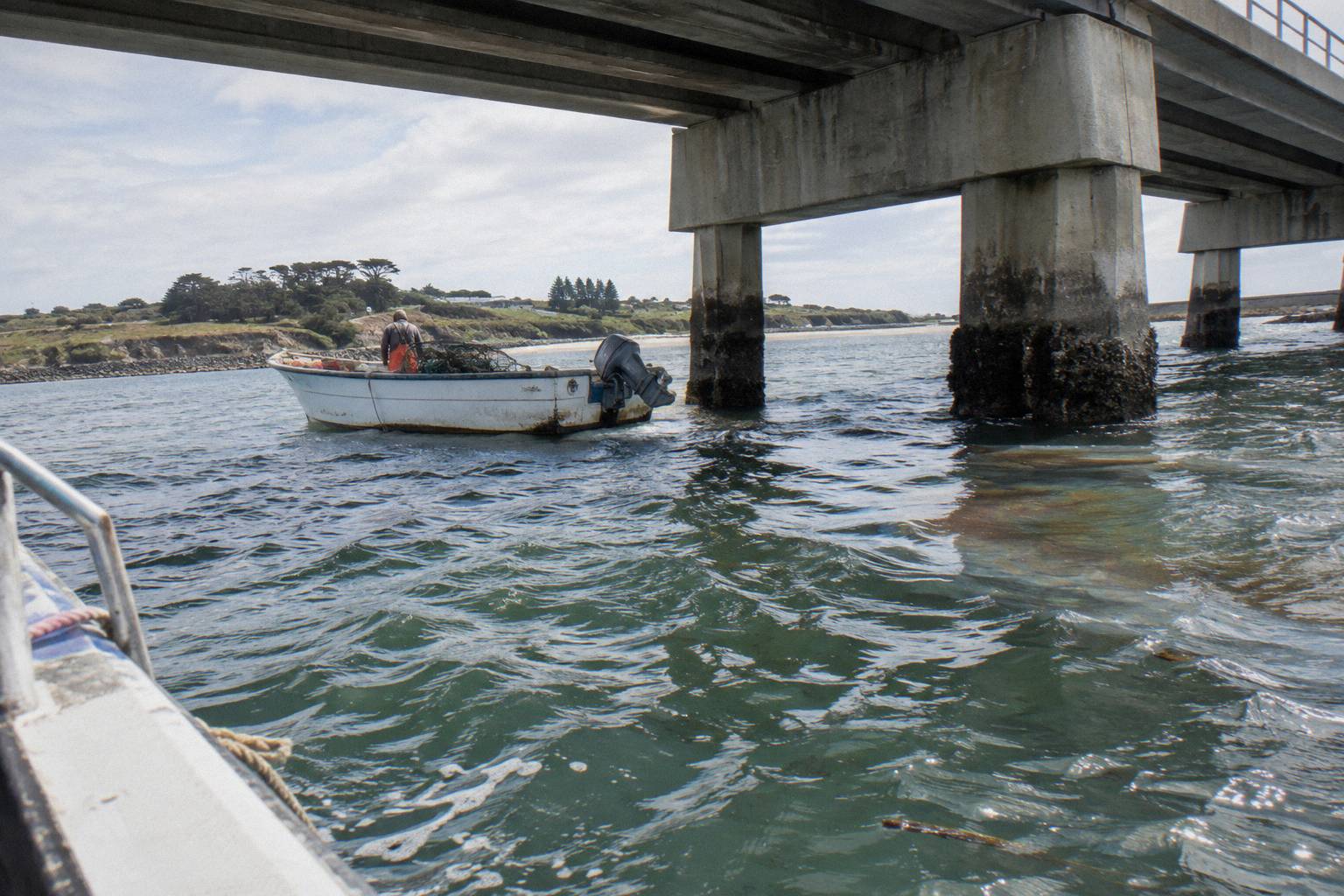
The minimum numbers question matters most for small week day winter sailings. The operator's terms state cruises are subject to minimum numbers and weather conditions, and that a change or cancellation by the operator brings a transfer or full refund. Asking ahead costs nothing and prevents a wasted drive to San Remo. The sea question follows the same pattern: the operator says it advises booked passengers of sea concerns at least the day prior, so a prone to seasickness traveller can ask when booking and again the day before, and the operator's terms and conditions page sets out the full cancellation and refund structure for Phillip Island and San Remo departures.
The fourth question is the fare category one. The operator publishes adult, concession, child 3 to 15, infant 0 to 2, family of 2 adults and 2 children, and group of 5 or more categories, and Companion Card holders get 50 percent off the adult fare; the booking page shows the amount for each category for the chosen date. Printing a from price is as far as any summary goes: from A$135 per person for the San Remo dolphin cruise, from A$115 for the seal cruise, from A$179 for the Rhyll whale cruise, with the operator saying it adds no booking fees or surcharges on its own booking page.
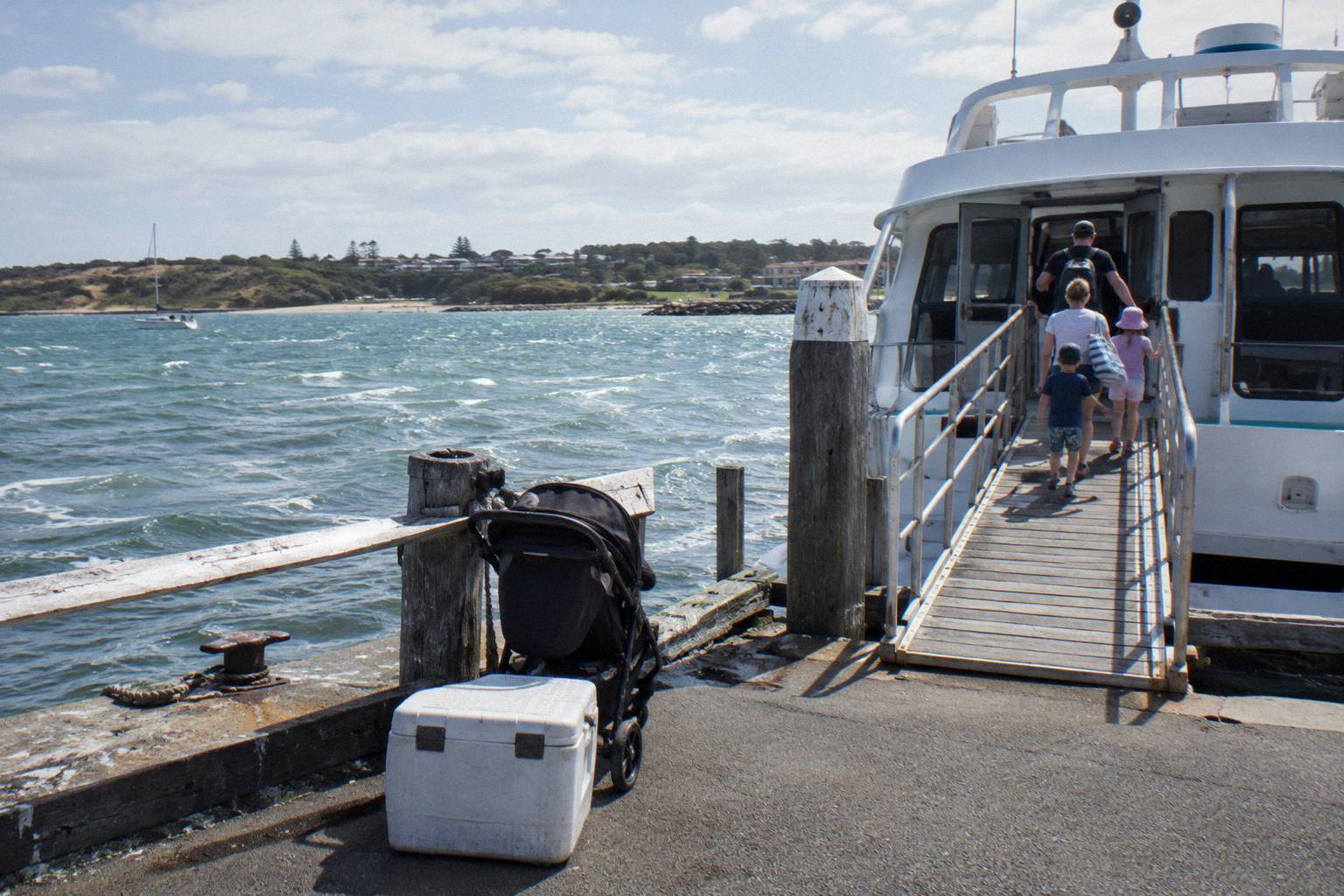
One more check belongs on the list for the dolphin hopeful: whether dolphins may pass the seal cruise anyway. The plain answer is that no dolphin figure is printed for it and none should be invented, but the question "have dolphins been around this week" asked of the operator at booking is a fair, answerable question, and the answer on the day is whatever the operator says it is.
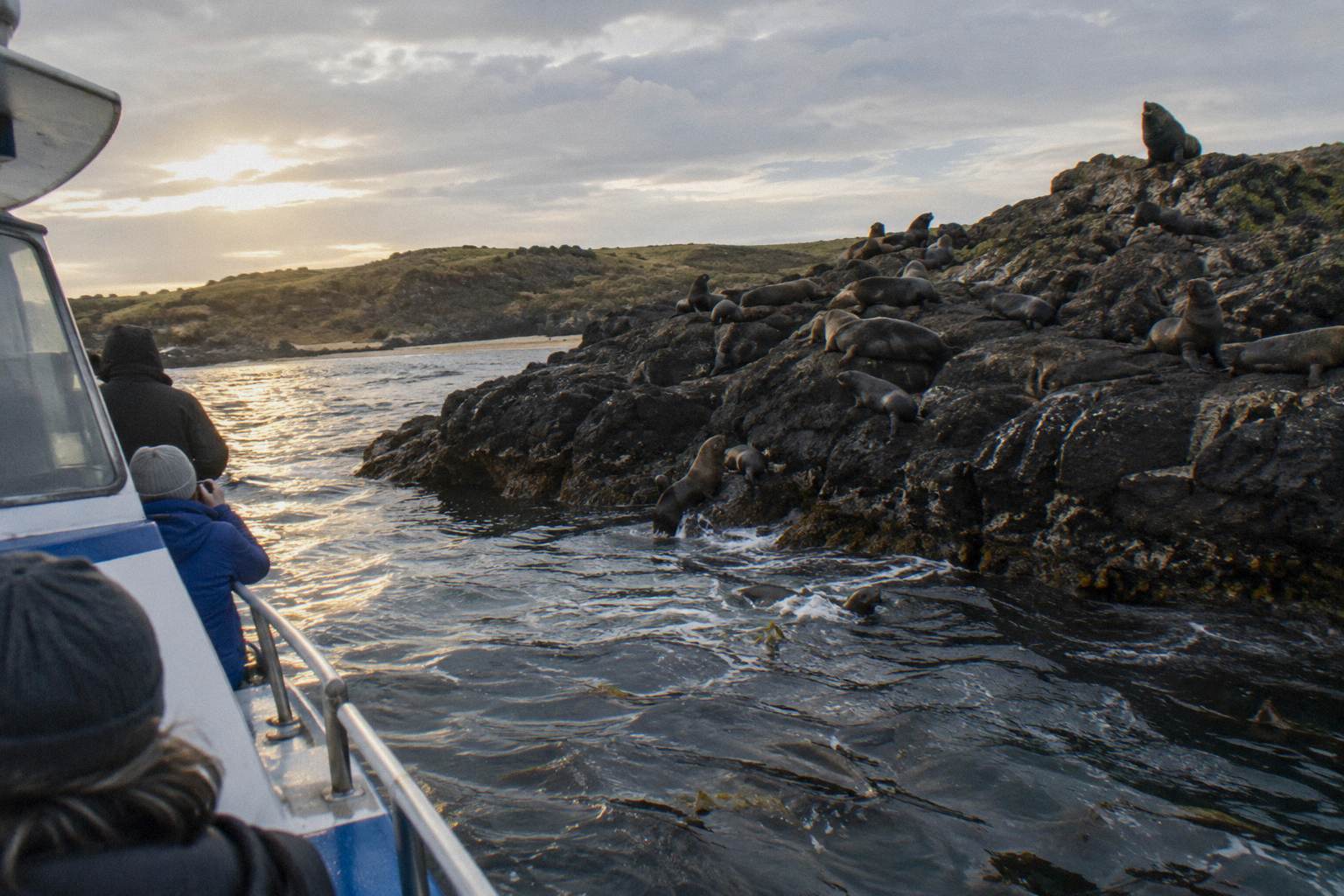
Can You Improve Your Chances Of Seeing Dolphins At All?
Nothing a passenger does changes the dolphins, but three choices raise the odds of being on the water when they appear: book the cruise whose wording includes dolphins, book inside the winter window when that cruise runs, and ask the operator about recent sightings before choosing a date. Beyond that, no tip, tide or time of day is published by any source here, and any claim of a dolphin trick would be invented.
The booking itself is the biggest lever, because it is the only one with a printed figure attached. Eighty percent expected on the San Remo cruise is a better starting point than an unprinted figure on a cruise whose product page never mentions the animal. Season is the second lever, since the dolphin cruise exists only in winter and a summer booking has no dolphin wording to lean on at all. The third lever, asking the operator, is undervalued: operators on the water daily know what has been passing the jetties, and a two line question at booking time gets a current answer no article can carry.
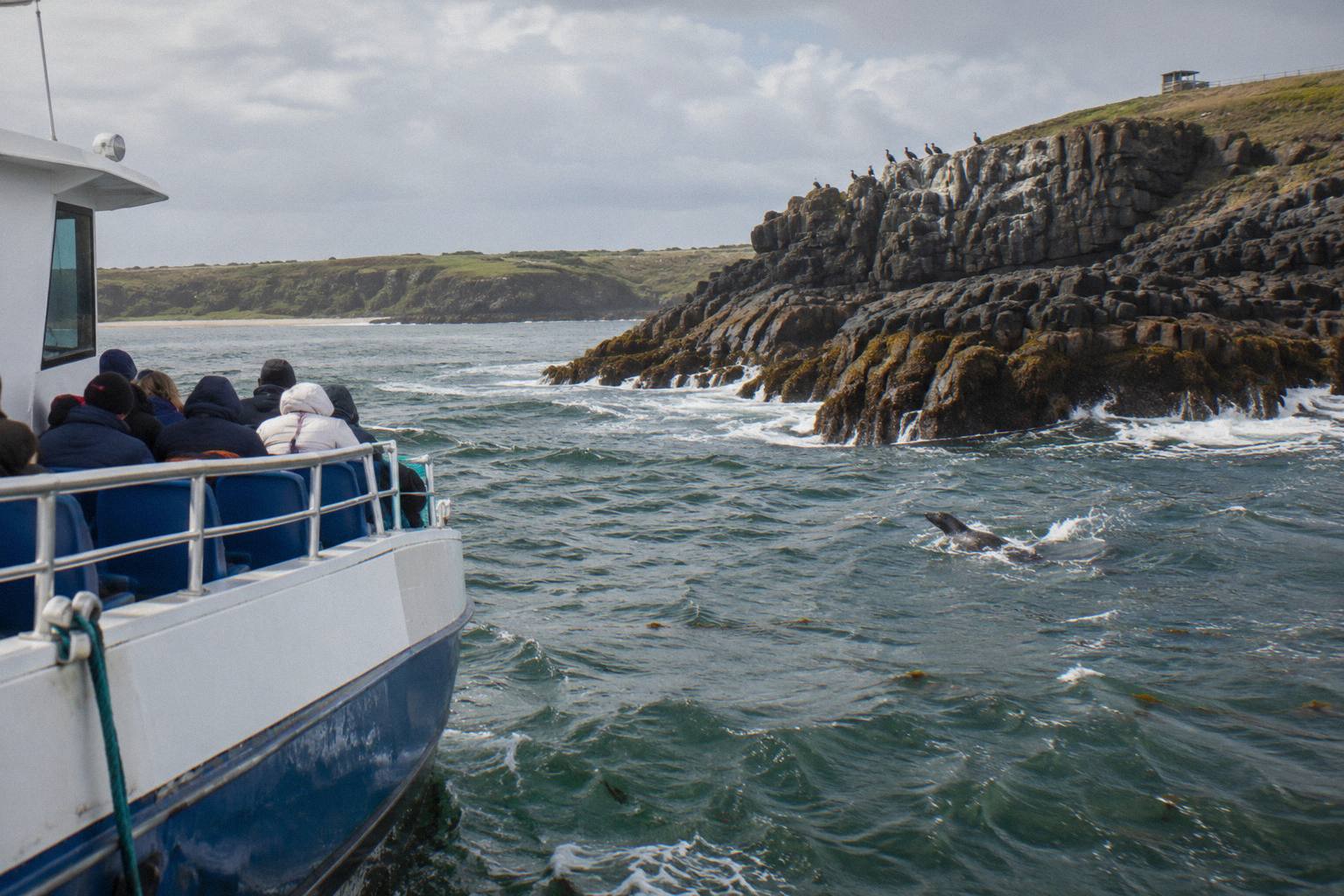
Patience inside the cruise is the fourth factor, and the operator's own product design supports it: the San Remo cruise carries a whale spotter on board among its inclusions, three hours of water time, and tea, coffee and cake. Longer on the water with a dedicated spotter is simply more dolphin minutes than a shorter sailing offers. The seal cruise's two hours at Seal Rocks are spent at the rocks, where the seals are, and the operator's wording reflects exactly that focus.
A word on expectations, stated plainly: no sighting is guaranteed, of any species, on any of these cruises, and the operator prints its whale wording with that exact qualifier. A dolphin cruise delivers dolphins four trips in five by the operator's own expectation, and delivers a morning or afternoon on the water every trip. Travellers who buy the sailing rather than the single animal come back satisfied at both outcomes, and travellers who need one specific animal on one specific day should plan a second sailing as a backstop while the 24 hour cancellation window still protects both bookings.
For the full set of seal and wildlife cruises from Cowes, San Remo and Rhyll, Phillip Island Seal Cruises lists them with fares and departure points.
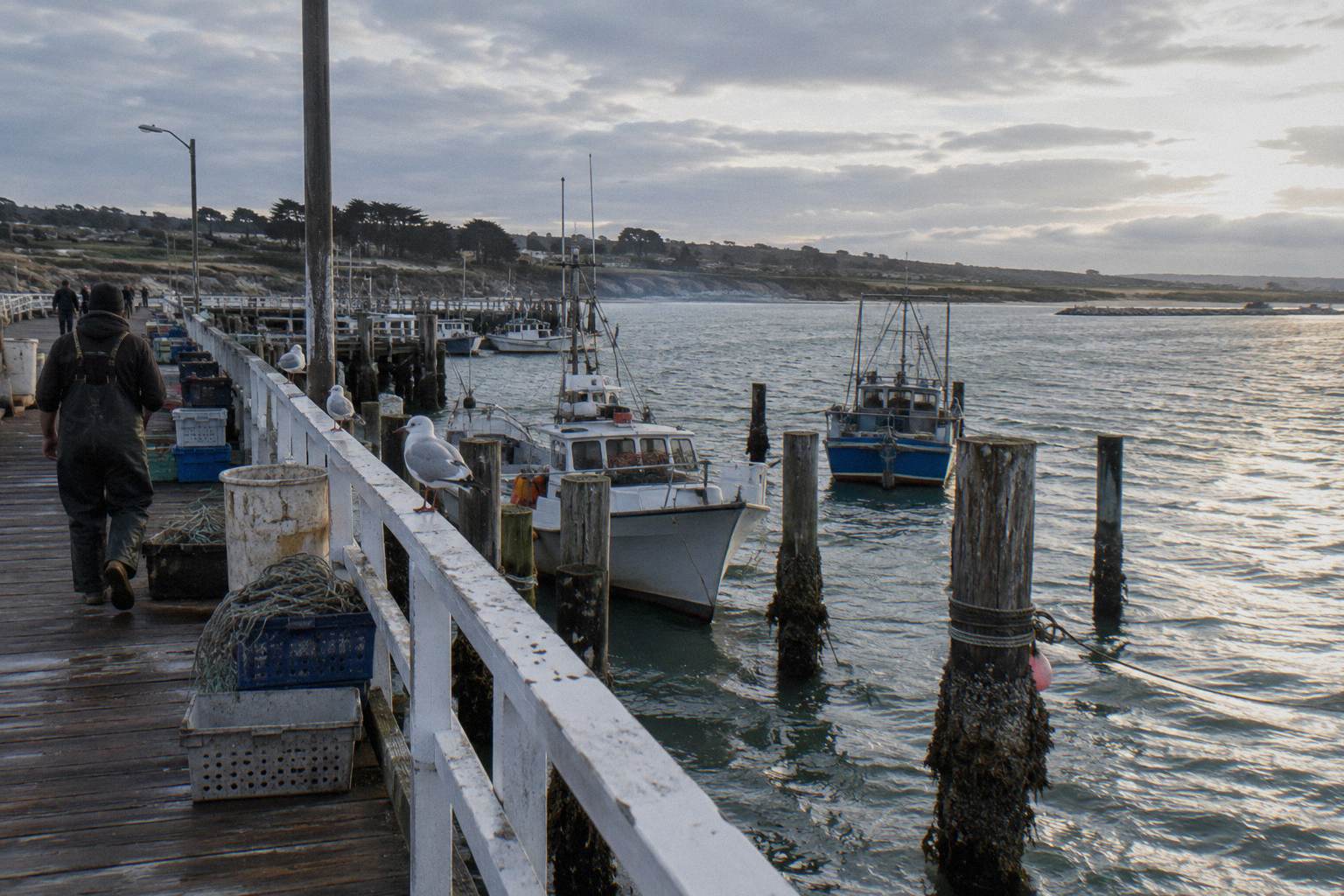
Common Mistakes Dolphin Hopefuls Make When Booking
The recurring mistakes are avoidable with a calendar and a two minute check: expecting dolphins on the year round seal cruise, booking the dolphin cruise outside its early June to early August window, missing the 24 hour cancellation deadline, arriving later than the 30 minutes the operator asks for, assuming the bow deck is open to small children, and forgetting that weather and minimum numbers can change any sailing. Each has a one sentence fix.
- Expecting dolphins on the seal cruise. The operator attaches dolphin wording to the San Remo winter cruise only; the seal cruise from Cowes promises seals and prints no dolphin figure. Fix: match the ticket to the animal in its own wording.
- Booking the wrong season. The dolphin and whale cruises run early June to early August; the seal cruise runs daily at 2.00pm all year. Fix: check the calendar against the operator's window before paying.
- Cancelling inside 24 hours. Free cancellation runs up to 24 hours before departure on the booking pages, and a cancellation within that window, or a no show, forfeits the fare. Fix: decide the day before, not the morning of.
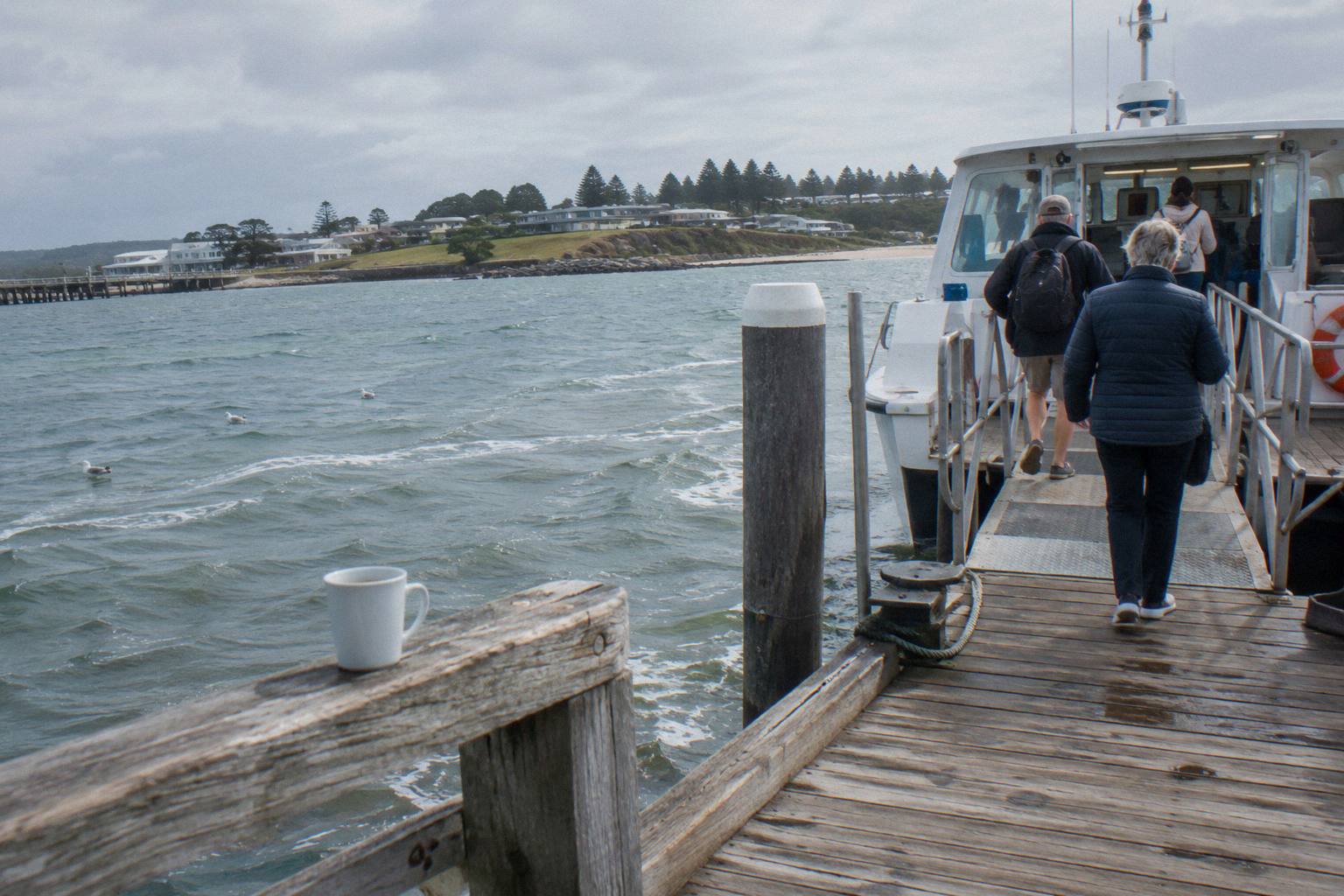
- Arriving late. The operator asks passengers to arrive 30 minutes before, with boarding 15 minutes before, and cruises depart on time; a missed sailing is forfeited, non transferable and non refundable. Fix: treat the jetty time as the real start time.
- Assuming the bow deck suits everyone. The front deck is restricted to people over 1 metre tall, so the smallest children view from elsewhere on the boat with an adult. Fix: plan where small children will stand before boarding.
- Ignoring the weather and minimum numbers clause. The operator may change or cancel any cruise for weather or minimum numbers and then offers a transfer or full refund. Fix: keep contact details current on the booking and watch for the operator's advice, which it says comes at least the day prior for sea concerns.
Common Questions About Dolphins On A Seal Cruise
Do You See Dolphins On A Seal Cruise?
The operator prints no dolphin wording for the Seal Rocks cruise from Cowes. Its "Dolphin sightings (Expected 80%)" figure belongs to the Dolphin And Whale Cruise From San Remo, a winter product from early June to early August. Dolphins live in these waters and no sighting is guaranteed on any cruise, but the ticket that mentions them is the winter San Remo cruise.
Is The 80 Percent Dolphin Figure A Guarantee?
No. It is the operator's expected sighting rate for its San Remo dolphin and whale cruise, printed as "Dolphin sightings (Expected 80%)". The operator's whale wording on the same cruises carries the explicit qualifier "not guaranteed", and no sighting of any species is promised on any sailing.
Can You See Dolphins On The Seal Rocks Cruise From Cowes?
The seal cruise's own wording covers seals: the operator describes drifting "within meters of the seals" and an average of 5000+ seals sighted up close across its cruises. No dolphin figure is printed for it, so no dolphin expectation should be attached to it. Wild dolphins can pass any boat, but the product promises seals.
When Do The Dolphin Cruises Run From Phillip Island?
The Dolphin And Whale Cruise From San Remo runs 1pm to 4pm, early June to early August, per the operator, from A$135 per person. The Winter Whale Watching Cruise From Rhyll runs 8:30am to 12:30pm daily in the same window, from A$179 per person. Outside that window the year round seal cruise from Cowes is the daily option.
How Close Does The Boat Get To Dolphins?
Victorian rules state that boats must not travel within 100 metres of a dolphin, with a caution zone of 150 metres and a maximum speed of 5 knots inside it, and no approach head on, from behind, or between a mother and young. If a dolphin chooses to ride a boat's bow wave, that is not an offence by the boat.
What If No Dolphins Appear On The Cruise?
The fare is not refunded for an absent animal, and no sighting is guaranteed. The San Remo cruise includes three hours on the water, a whale spotter on board, and tea, coffee and cake. Free cancellation up to 24 hours before departure applies on the booking page if the plan changes early enough.