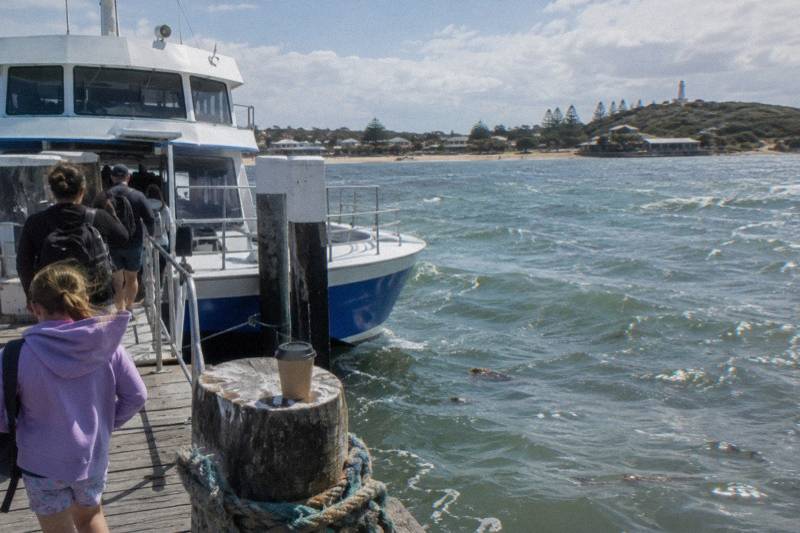
When Are Seal Pups Born At Seal Rocks, And Can You See Them From The Boat?
Seal pups at Seal Rocks are born in early summer, with reported births from the end of October to mid December, and the 2-hour Seal Rocks cruise from Cowes runs daily at 2pm all year, from A$115 per person.
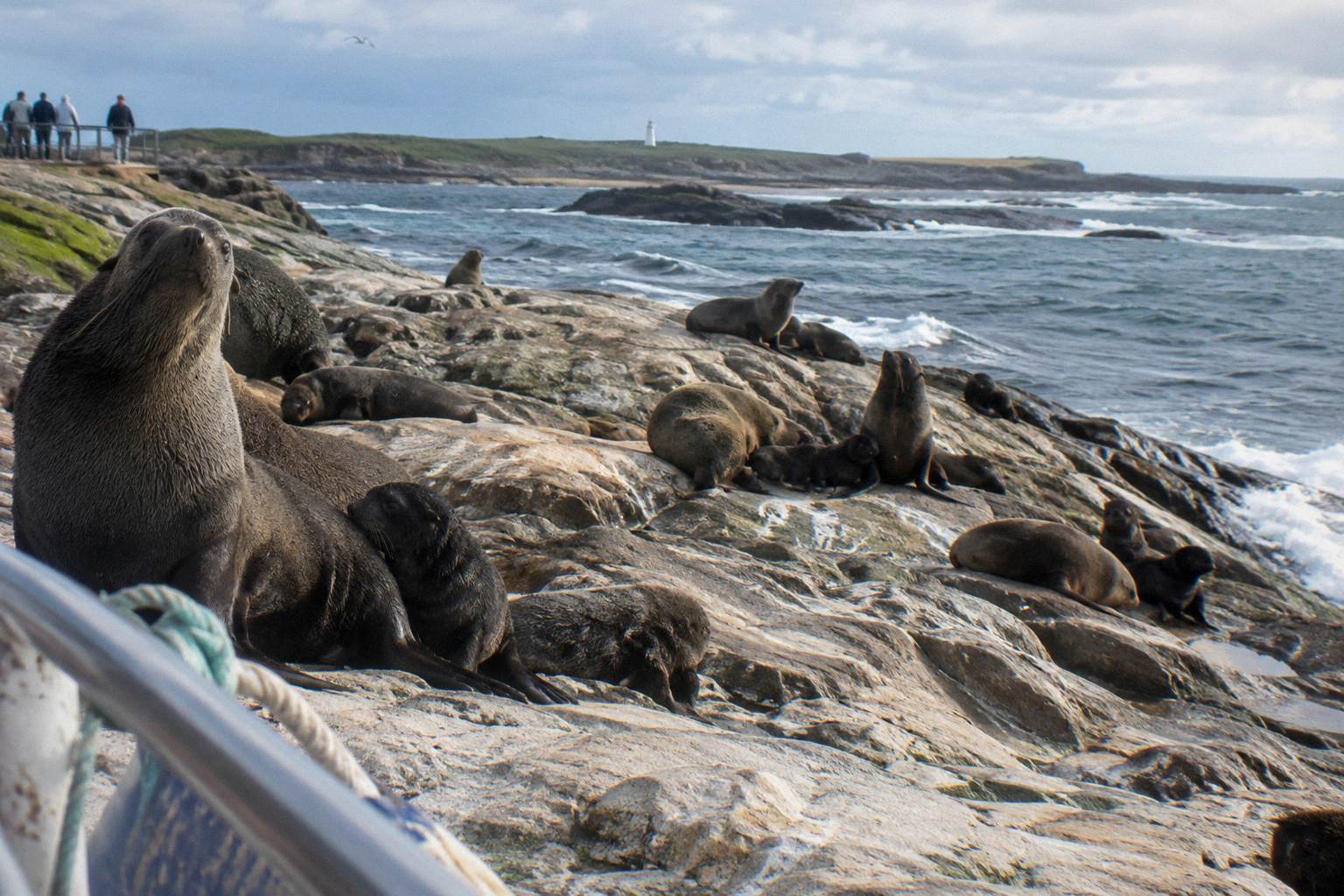
Seal pups at Seal Rocks are born in early summer, the operator's own seasonal wording, with reported birth timing running from the end of October to mid December and a peak in late November to early December. The Seal Rocks Cruise From Cowes runs daily at 2.00pm all year, from A$115 per person, and the operator says the boat drifts "within meters of the seals". No sailing promises a pup sighting: weather, sea state and the seals themselves decide what any cruise passes close to.
That is the short version. The longer version matters if the pup season is the reason a trip is being timed at all, because the difference between a December sailing and a March one is the difference between newborn pups and newly independent ones, and the operator describes each stretch of the year in its own words. All prices below are in Australian dollars.
Seal pups are born in early summer, per the operator's seasonal description of Seal Rocks, and reported secondary timing puts births from the end of October to mid December with a peak in late November to early December. Whether pups are visible from the boat on any particular sailing depends on the day: the cruise runs year round and the operator makes no promise about which seals, or how many, appear near the vessel.
The birth window straddles spring and summer, which is why two different answers circulate. The operator describes summer as the breeding season and says pups are born in early summer. Reported secondary timing is more specific: bulls return in October, births run from the end of October to mid December, the peak falls in late November to early December, and the large bulls leave in late December. Both descriptions describe the same colony doing the same thing; they just draw the line in a different place.
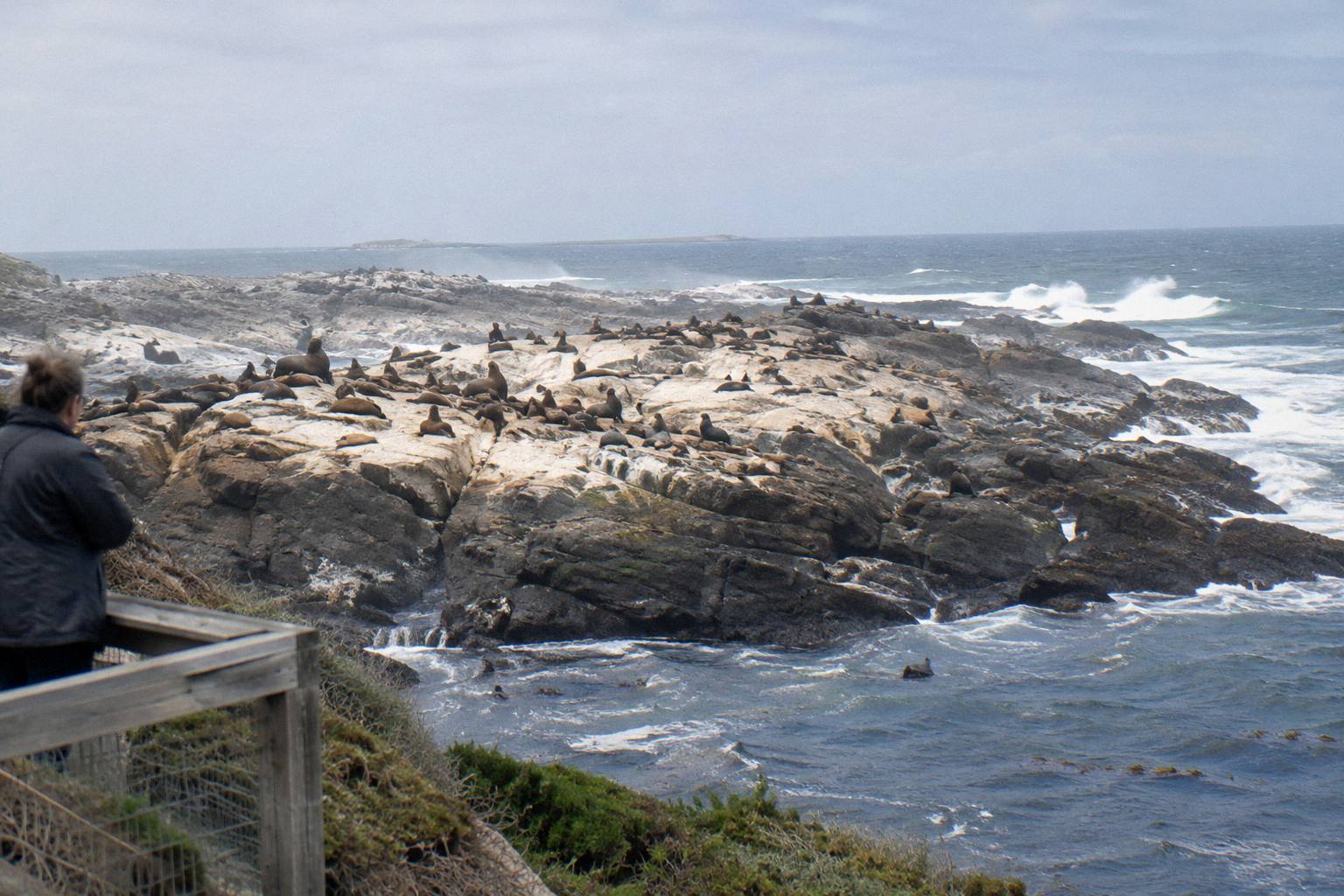
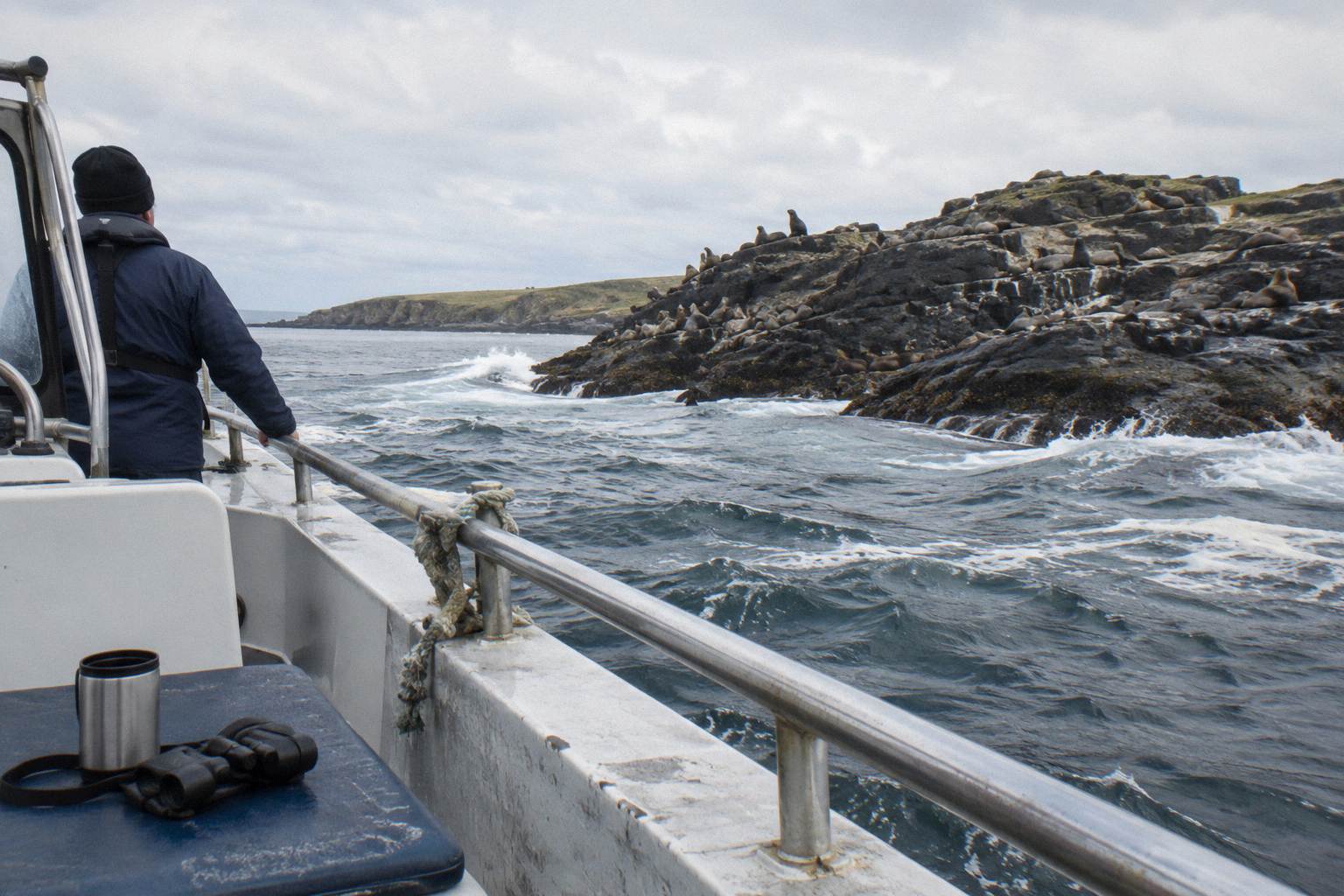
Visibility from the boat is a separate question from timing. Seal Rocks sits about 2 km off the southwest coast, the operator's figure, and the cruise from Cowes travels out to it and drifts while passengers watch. The operator describes an average of 5000+ seals sighted up close across its cruises, a marketing average rather than a colony count or a per-sailing promise. DEECA notes that the colony supports about a quarter of all Victorian seals and is the largest seal-breeding colony in Victoria, and that the seals there are accustomed to humans and can be approached reasonably closely by boats. Pups are part of that colony through the whole cycle, but where they are on the rocks, and whether the drift position on a given day faces them, is not something anyone can book in advance.
What The Operator Says About The Breeding Season
Wildlife Coast Cruises, which operates the Seal Rocks Cruise From Cowes, describes summer as the breeding season at Seal Rocks, with pups born in early summer and their first rockpool plunge in late summer. Autumn is when the pups play and have a first moult, winter is weaning, and spring is when the bulls arrive and fight for territory. The same operator runs 5 of the 7 core cruises covered here, all from Phillip Island jetties.
That seasonal text is the operator's own framing, and it is worth reading as a cycle rather than a calendar of events. A pup born in early summer is a nursing newborn in December, a swimming learner by late summer, a playing and moulting youngster in autumn, and an independent juvenile by winter. The rocks are never empty of pups in the way a migration empties a bay: the animals are present all year, just at different stages.
The operator's wording also explains why the cruise itself never changes season. The Seal Rocks cruise departs Cowes Jetty daily at 2.00pm all year, with peak extra sailings at 11.00am and 4.30pm from 26 December to 31 January, and the booking page says "please check availability" for those. The vessel is the same, the route is the same idea, and the pups on the rocks are simply older or younger depending on the month. Route details can vary with weather, and the operator may change or cancel a sailing for weather or minimum numbers, offering a transfer or full refund when it does.
For a fuller read of the year at the colony, the season by season guide to fur seals on the rocks walks through each stage in more depth, and the best month for a seal cruise guide compares months on fare, crowd and wildlife grounds.
Reported Birth Timing At Seal Rocks, Month By Month
Reported secondary timing puts the bull seals returning in October, births beginning at the end of October and running to mid December, the birth peak in late November to early December, and the large bulls leaving in late December. These figures are reported rather than confirmed on a primary page, so treat them as a planning window, not a schedule.
The table below sets the operator's seasonal wording beside the reported month-level timing. Where the two agree, that is the strongest ground for planning; where only one source speaks, the wording is marked.
| Time of year | Operator's seasonal wording | Reported birth timing |
|---|---|---|
| October | Spring: the bulls arrive and fight for territory | Bulls return in October |
| November | Spring into early summer | Births from the end of October, peak late November to early December |
| December | Early summer: pups are born | Births continue to mid December, large bulls leave in late December |
| January to February | Late summer: pups take a first rockpool plunge | Ask the operator |
| March to May | Autumn: pups play and have a first moult | Ask the operator |
| June to August | Winter: weaning | Ask the operator |
| September | Spring builds toward the breeding season | Ask the operator |
Two cautions on reading that table. First, the pup counts that have been published for Seal Rocks, 5,660 in 2007, 4,092 in 2013 and 3,865 in 2017, are scientific survey counts with no later absolute count available, and they count pups born in a season rather than pups visible on a day. Second, none of these figures convert into a sighting promise. The operator's cruise pages make no pup promise at all, and the only figures the operator attaches to sightings are the average described above. A reader who wants the colony status in official language can read DEECA's protected areas page for Seal Rocks, which carries the quarter-of-Victorian-seals and largest-breeding-colony statements.
How The Colony Changes Through The Year
The colony at Seal Rocks is present year round, but its composition shifts: spring brings the bulls in to contest territory, early summer brings births, late summer brings the pups' first swims, autumn brings play and a first moult, and winter is weaning. Reported secondary figures suggest about 20,000 Australian fur seals use the rocks overall, with 5,000 to 8,000 ashore at one time.
Those ashore numbers matter for cruise planning more than the total, because only the seals on the rocks are part of what a boat passes. A midwinter sailing and a midsummer sailing both drift past the same reef, but the reported ashore range means the crowd on the stone can differ by thousands of animals, and the mix of ages differs too: winter rocks hold weaning pups and adult females, while summer rocks hold newborns, mothers and the departing bulls.
The breeding cycle also concentrates activity in ways that show up in behaviour rather than counts. Spring's territory fights, in the operator's wording, mean bulls active on the margins of the colony. Early summer's births mean mothers with newborns in the colony's core. Late summer's first plunges mean pups in the water near the rocks, which is the stage most visitors picture when they imagine a pup encounter. None of this is choreographed for the boat, and the operator does not narrate a stop sequence or a pup location; the cruise drifts, the commentary is live on board, and the seals do what seals do.
For anyone weighing whether a particular month suits, the practical question is less "are pups there" than "what stage are the pups at, and does that stage matter to me". A December visitor sees the birth season; an April visitor sees playful moulted juveniles; an August visitor sees independent young seals. All three are pup sightings in the loose sense, and the operator's seasonal text supports every one of them.
Which Months Put Pups Closest To A Sailing
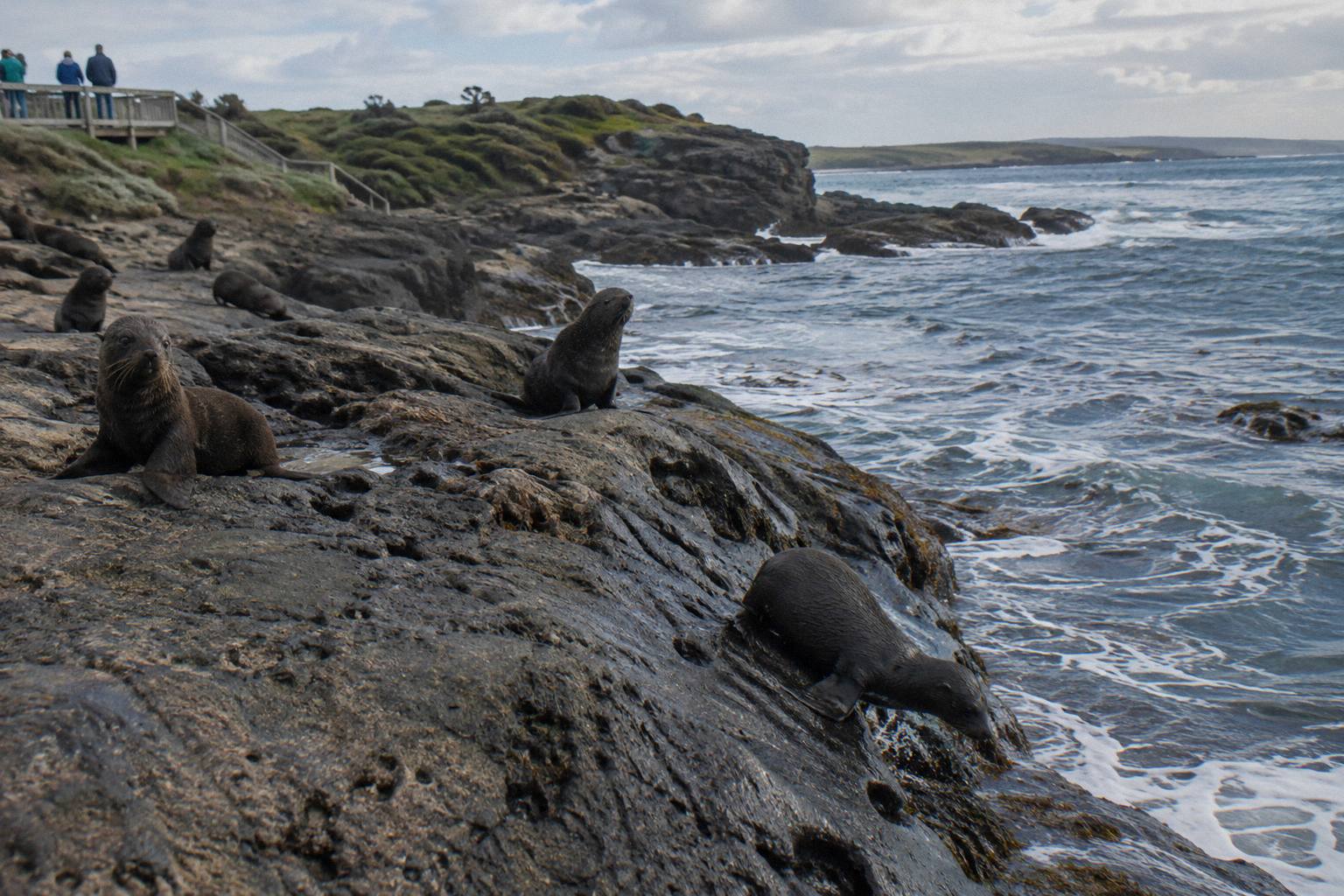
If the goal is newborns, the reported window points to late November to mid December, with the peak in late November to early December; if the goal is pups swimming and playing, the operator's wording points to late summer through autumn. Every one of those months has the same daily 2.00pm sailing from Cowes, so the choice is about stage of pup life, not about whether a cruise exists.
Breaking that down by what each stretch offers:
For newborn watchers, the reported peak is narrow. Late November to early December is the window secondary sources give for the heaviest birth period, and the large bulls are still on the rocks until late December, which makes that stretch the busiest composition of the year. The trade-off is that December sits at the start of the Australian summer holiday build-up, and the operator's own advice about peak season travel times applies to late December and January.
For swim-and-play watchers, late summer and autumn are the operator's description of pups at their most active in and near the water: the first rockpool plunge in late summer, then play and a first moult through autumn. A pup that has been swimming for weeks is more likely to be in the water near the drifting boat than a newborn that has not left the colony core, though the operator promises neither.
For winter visitors, the pup story is weaning, and the winter months carry a second attraction: the whale cruises. The Winter Whale Watching Cruise From Rhyll runs 4 hours, daily early June to early August, 8:30am to 12:30pm, from A$179 per person, and it visits Seal Rocks as part of its route, with the operator wording "Expected 80-85% - not guaranteed" for whales. A winter traveller can see the colony's weaning pups and take a whale cruise in the same stay, which is a different proposition from the 2-hour seal sailing.
Choosing A Cruise When You Are Timing For Pups
The Seal Rocks Cruise From Cowes runs year round: 2 hours, daily at 2.00pm, from A$115, rated 4.9 from 236 reviews on one page and 4.8 from 152 on a second. The Winter Whale Watching Cruise From Rhyll, from A$179, adds a whale attempt in pup weaning months, and the Cape Woolamai Cruise From San Remo, from A$49, is a 1-hour scenic sailing that skips the seals.
That last point catches people out, so it deserves its own sentence: the Cape Woolamai cruise runs past the cliffs of Cape Woolamai and under the Phillip Island bridge, and seals are not part of it. It is a shorter, cheaper bay cruise from the same operator, Wildlife Coast Cruises, which operates the Seal Rocks, Cape Woolamai, whale, dolphin and sunset cruises covered here: different boats, routes, jetties and seasons from one operator, never five rival companies.
| Cruise | Duration | Runs | From price | Fits pup timing when |
|---|---|---|---|---|
| Seal Rocks Cruise From Cowes | 2 hours | Daily at 2.00pm all year, peak extras 26 Dec to 31 Jan | A$115 per person | Any month: the colony and its pups are the destination |
| Winter Whale Watching Cruise From Rhyll | 4 hours | Daily early June to early August, 8:30am to 12:30pm | A$179 per person | Winter, when pups are weaning and whales are the added draw |
| Cape Woolamai Cruise From San Remo | 1 hour | All year from San Remo | A$49 per person | Never for pups: seals are not part of this cruise |
All three carry free cancellation up to 24 hours before departure on the booking page, and within 24 hours a cancellation forfeits. The operator says it adds no booking fees or surcharges on its own booking page. For the full set of seal and wildlife sailings from Cowes, San Remo and Rhyll, Phillip Island Seal Cruises lists them with fares and departure points.
A reader deciding between the birth peak and the play months can also compare the two in fare and crowd terms in the fares compared guide, which holds the pricing detail for each sailing.
The Seal Rocks Cruise From Cowes is the one to check for any month outside winter, since it is the only cruise that runs to the colony all year. Check availability
What A Pup Season Cruise Is Like For Families And Photographers
Family rules on the cruises are the operator's: child tickets cover ages 3 to 15, infants 0 to 2 travel free, all children need an adult with them, and the bow deck is restricted to people over 1 metre tall. Photography rules are just as plain: drones and underwater GoPros on poles are not allowed, and the boat is a moving vessel in open water where seating is not designated and inside seating is not guaranteed.
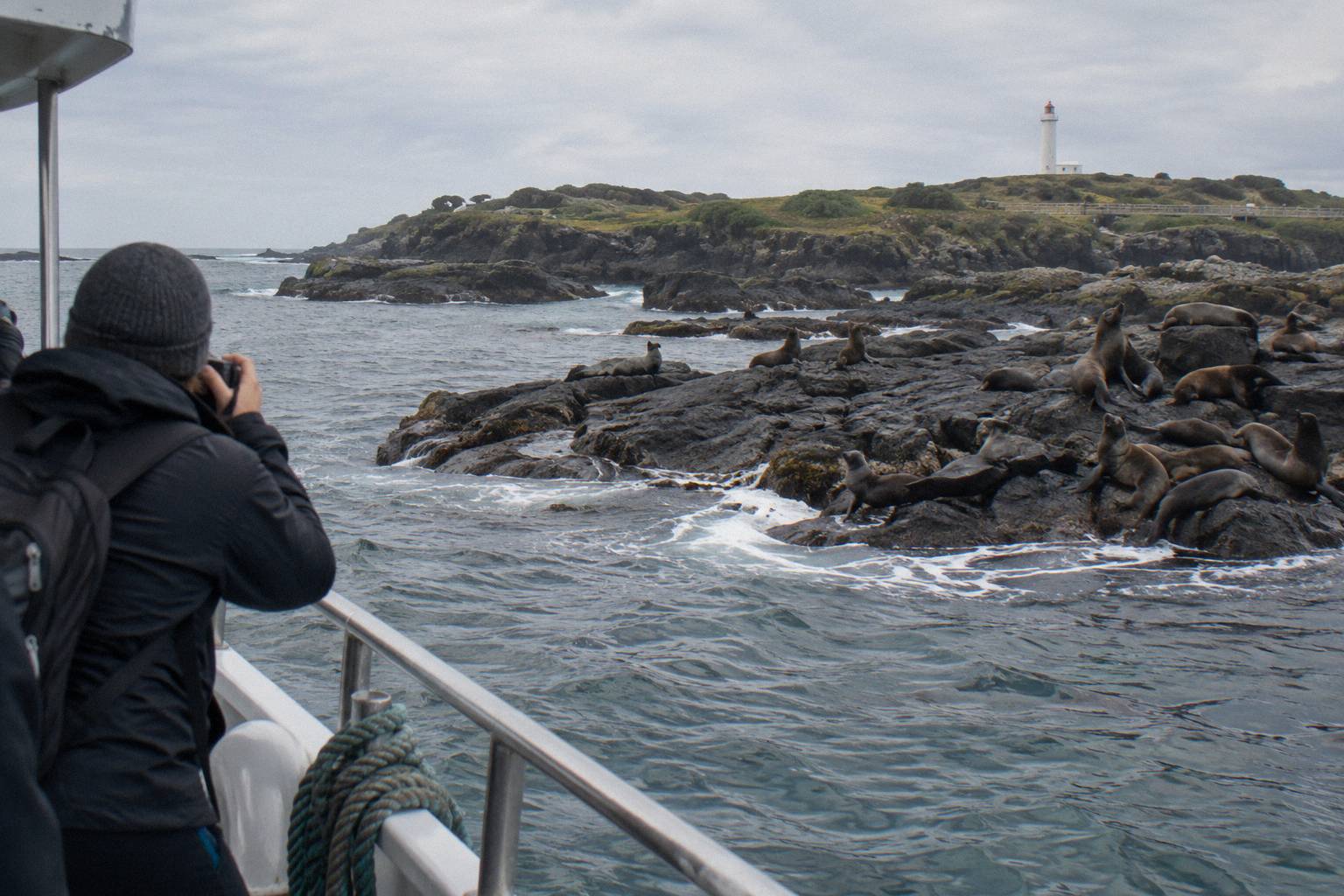
For families timing a trip around pups, the practical fit is good in any month, because the 2-hour duration is short enough for school-age children and the vessel has toilets on board plus complimentary tea, coffee and cake served on the return. The 1 metre bow rule is the one to plan around with small children: a toddler under that height stays in the main areas, and prams are not addressed by the operator, so ask when booking. The taking kids on a seal cruise guide carries the full checklist.
For photographers, pup season raises the stakes and the difficulty at the same time. The birth peak in late November to early December falls inside the Australian summer, with long days and the 2.00pm sailing in bright light, while the late summer and autumn play months put active juveniles in the water near the rocks. The stated constraints are the real limits of the setup: a moving boat, no drone, no pole camera, no reserved seat and no inside seat promise. The photographing seals from a moving boat guide works through what that means for gear and expectations.
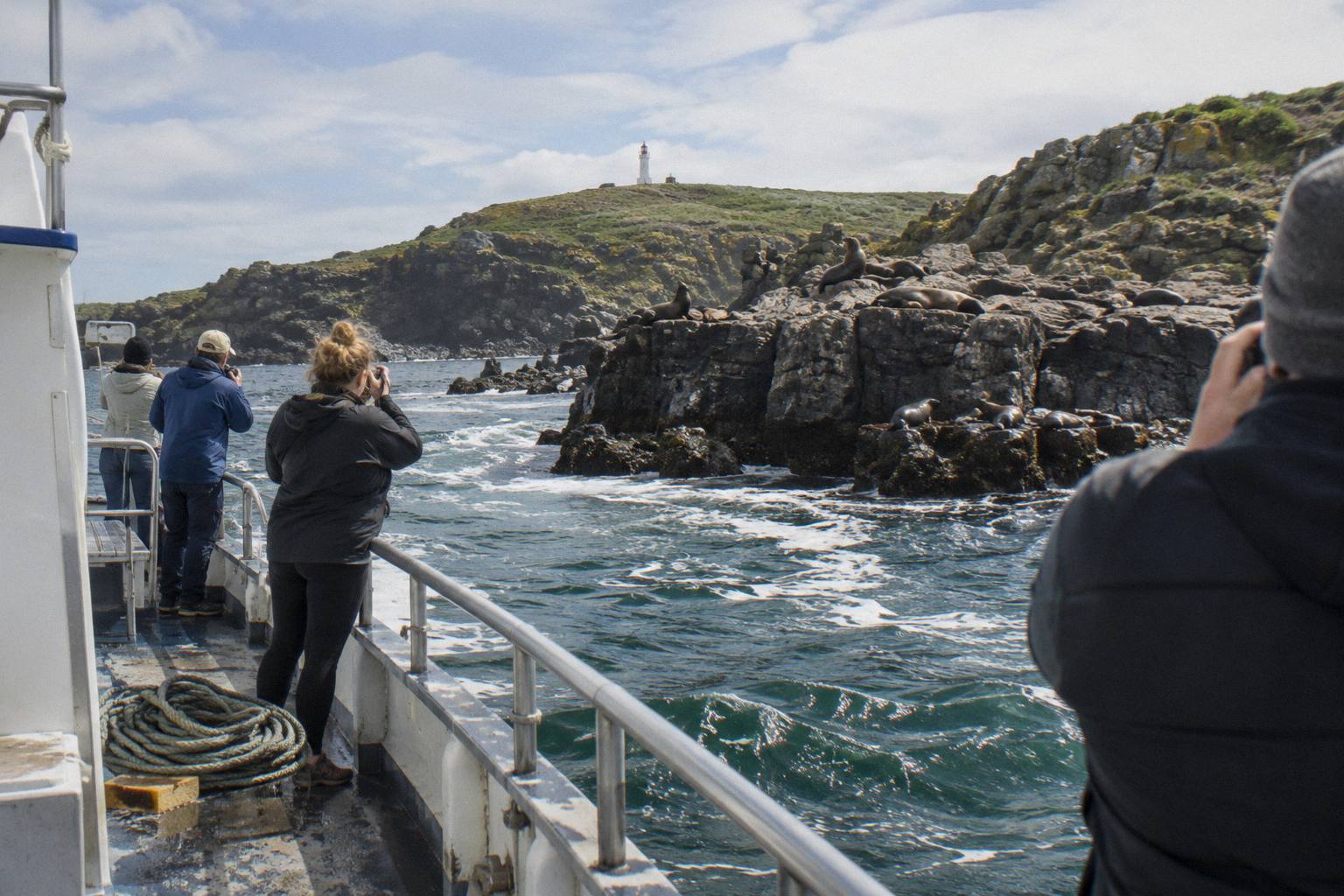
Neither family nor photographer should plan around a specific pup behaviour. The operator's seasonal text describes stages of the year, not a schedule of moments, and no review, no crew member and no booking page can tell a passenger in advance where a newborn will be lying relative to the drift position.
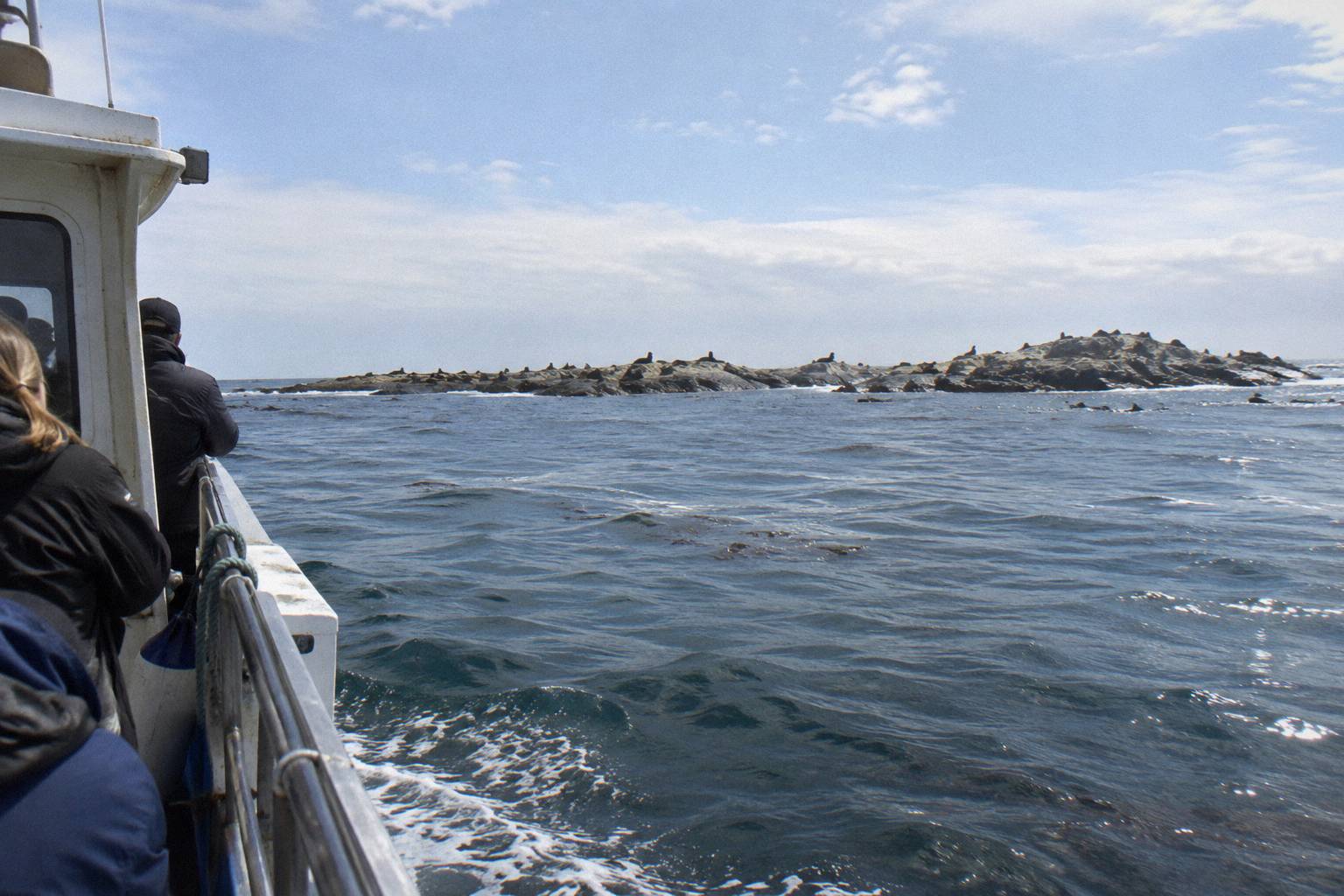
Questions To Ask The Operator Before Booking A Pup Season Date
Ask the operator four things when booking around the pup window: whether the sailing date falls near the reported birth peak, what the sea forecast means for the route, what the fare categories cost for your group, and whether any minimum numbers or weather holds apply to that date. Every one of these has a stated answer in the operator's terms or seasonal text, and none is guessable from a calendar alone.
A short checklist, built only from the operator's stated rules:
- Arrival buffer: arrive 30 minutes before departure, boarding is 15 minutes before, and the cruise departs on time; a missed sailing is forfeited, non-transferable and non-refundable.
- Sea conditions: the tour travels into open waters, vessel motion may occur, and the operator recommends motion sickness tablets; staff advise booked passengers of sea concerns at least the day prior.
- Cancellation: full refund up to 24 hours before departure on Phillip Island and San Remo sailings; inside 24 hours or a no-show forfeits.
- Fare categories: adult, concession, child 3 to 15, infant 0 to 2 free, family of 2 adults and 2 children, group of 5 or more, with Companion Card holders at 50 percent off the adult fare; the booking page shows the amount for your date.
- Access: the cruise is not wheelchair accessible per the booking page, and only accredited assistance dogs are allowed.
Nothing in that list requires the operator to promise pups, and the operator does not. The questions that do have pup-season answers are the seasonal ones, and those sit on the operator's own pages, including its seal watching cruise page with the daily 2.00pm schedule and the seasonal description.
Mistakes To Avoid When Timing A Pup Visit
The common mistakes are predictable: treating the reported birth peak as a promise, booking the Cape Woolamai cruise expecting seals, arriving at the jetty with minutes to spare, ignoring the open water motion warning, assuming the bow deck suits a small child, and forgetting that whale season and pup birth season do not overlap. Each mistake has a stated rule that prevents it, and none requires luck to avoid.
- Booking a sailing and calling it a pup guarantee. No sighting is guaranteed, and the operator's averages describe cruises overall, not any date.
- Choosing the Cape Woolamai cruise or the Sunset Cruise for pups. Seals are not part of either: the Cape cruise shows cliffs and the bridge, and the Sunset Cruise promises no seals.
- Arriving late. The cruise departs on time, and a missed sailing is forfeited with no transfer and no refund.
- Ignoring the sea warning. The tour travels into open waters, motion may occur, and the operator recommends tablets; prone passengers should plan ahead and check with a doctor.
- Missing the 1 metre bow rule for children, or assuming prams are settled policy; prams are not addressed, so ask when booking.
- Expecting whales on a summer pup cruise. Whale cruises run early June to early August only, while the birth peak sits in late November to early December: different seasons entirely.
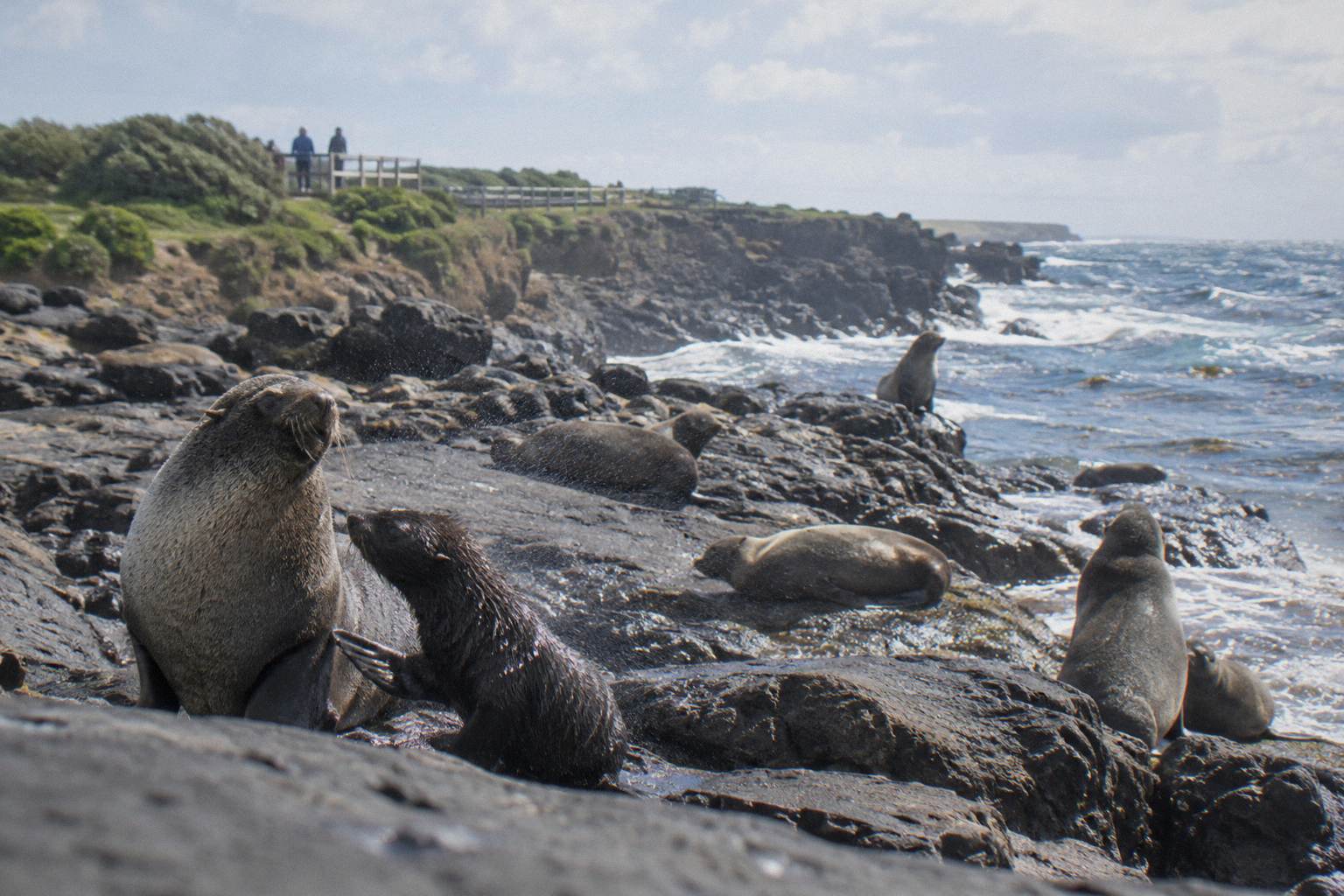
The decision, in the end, is a simple fork. A traveller who wants the birth window aims for late November to mid December and books the Cowes sailing; a traveller who wants playful, swimming pups aims for late summer or autumn on the same daily cruise; a traveller who wants whales alongside weaning pups books a winter date from Rhyll. Any of them can start by checking the sailing dates on the booking page.
Common Questions About Seal Pups At Seal Rocks
When Are Seal Pups Born At Seal Rocks, And Can You See Them From The Boat?
Pups are born in early summer per the operator's seasonal wording, and reported timing puts births from the end of October to mid December with a peak in late November to early December. The cruise runs to the rocks all year and drifts close by, but no sailing promises which seals appear on a given day.
What Month Has The Most Pups At Seal Rocks?
Reported timing puts the birth peak in late November to early December, with births continuing to mid December. The colony holds seals all year; the reported ashore range is 5,000 to 8,000 at one time.
Can You See Baby Seals From The Boat?
Often, since the cruise drifts near the rocks and pups are part of the colony year round, but no sighting is guaranteed. Where pups sit on the rocks relative to the boat depends on the day, the weather and the seals.
Does The Seal Cruise Run In Winter When Pups Are Weaning?
Yes. The Seal Rocks Cruise From Cowes runs daily at 2.00pm all year. Winter also carries the whale cruises from Rhyll and San Remo, early June to early August, one of which visits Seal Rocks on its route.
Is December A Good Month For A Seal Cruise?
December sits inside the reported birth window and carries the peak extra sailings from 26 December to 31 January at 11.00am and 4.30pm. The operator also warns to allow extra travel time to the island in late December and January.
Do Pups Swim Near The Boat?
The operator says pups take a first rockpool plunge in late summer and play through autumn, which is when young seals are most often in the water near the rocks. Whether any seal swims near the vessel on a given sailing is up to the seals.