Where Do Seals Go When It Rains, And Does Rain Cancel The Seal Cruise?
Rain alone does not cancel the Phillip Island seal cruise; sea conditions and minimum numbers decide, and the operator offers a transfer or full refund if a sailing changes. Here is what the terms say.
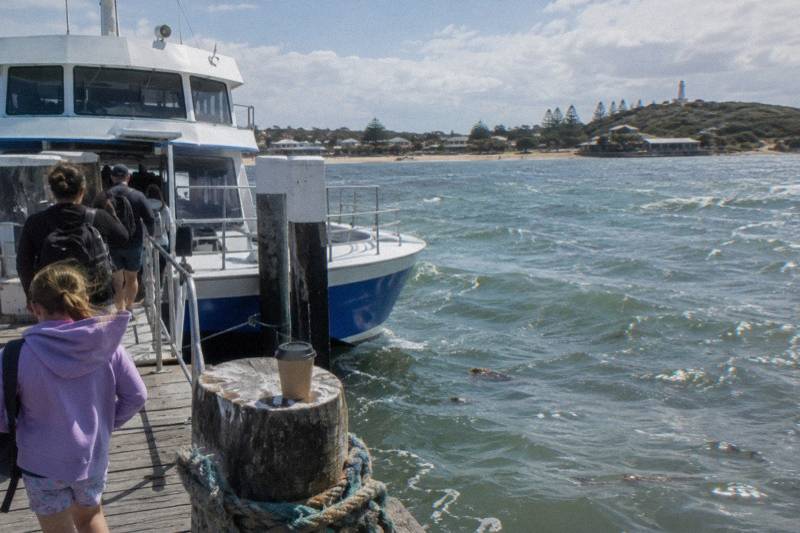
Rain alone almost never cancels the seal cruise from Cowes, since the operator's published terms make sailings "subject to min numbers & weather conditions," which in practice means sea state and swell rather than falling water; if the operator changes or cancels a departure, "a transfer or full refund will be offered." The seals themselves are a separate matter: the operator publishes nothing on how seals behave in rain, and no sighting is guaranteed on any day, wet or dry.
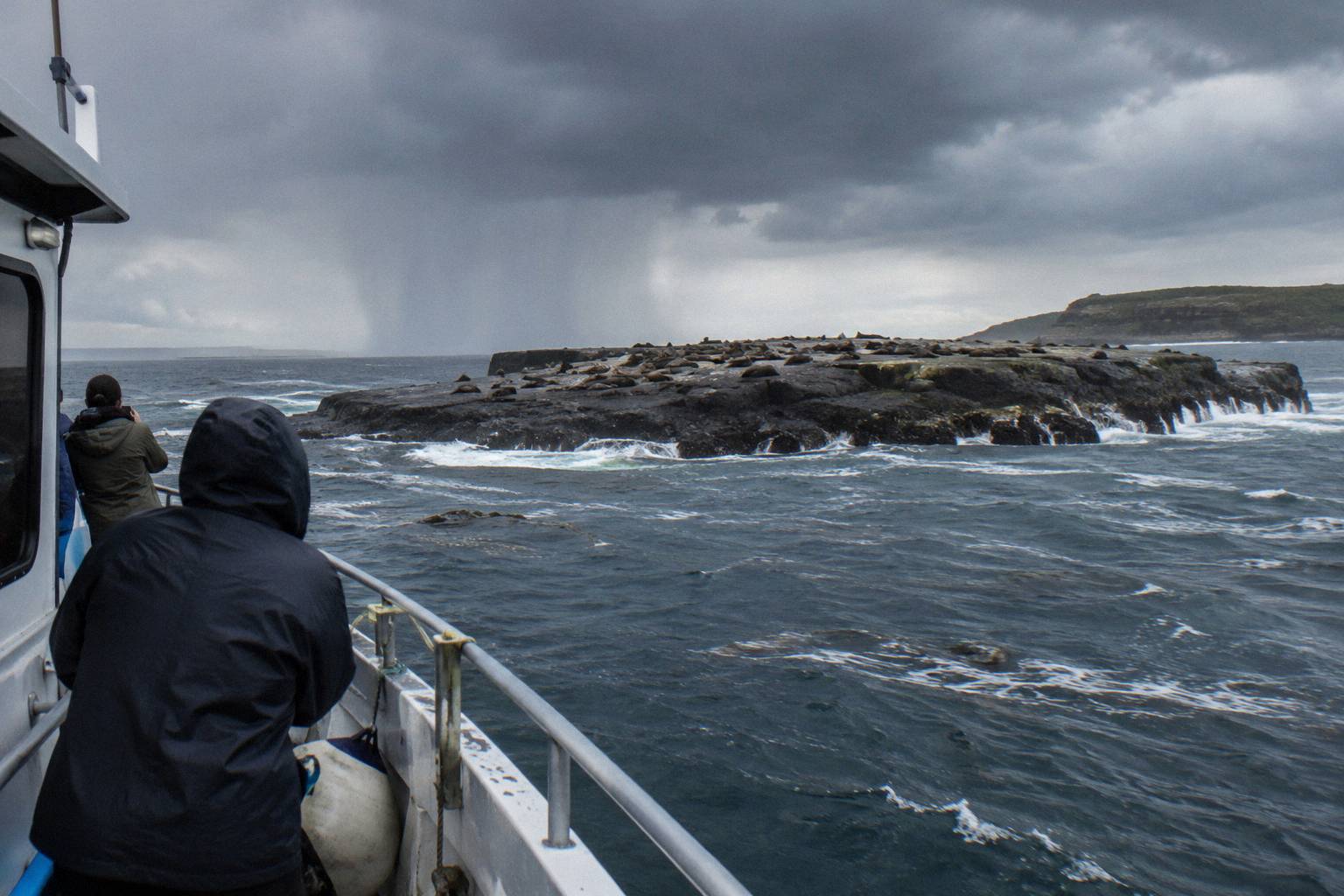
The two halves of the question pull in different directions, so it helps to take them apart. The first half is about animals. Seal Rocks sits about 2 km off the southwest coast of Phillip Island, the operator's figure, and it is the largest seal-breeding colony in Victoria, supporting about a quarter of all Victorian seals according to the state wildlife authority. It is a fixed place, not a weather-dependent gathering: the rocks are the colony's home, and the cruise visits the rocks rather than chasing whatever the seals might be doing on a given afternoon. Beyond that, the operator does not publish anything about seal behaviour in rain, so any confident claim about where the animals "go" would be invention, and nothing on the booking pages supports it.
The second half is about operations, and that is where real, checkable answers exist. The Seal Rocks Cruise From Cowes runs 2 hours, departs daily at 2 pm all year from Cowes Jetty, and costs from A$115 per person, in Australian dollars, with tea, coffee and cake included. Whether a particular sailing happens is decided by conditions at sea and by passenger numbers, not by the presence of rain over the jetty. A drizzly, calm afternoon can absolutely sail; a dry, windy one can be stood down. Wildlife Coast Cruises, the operator, words it plainly: cruises are subject to minimum numbers and weather conditions, routes can vary with weather, and a changed or cancelled departure comes with a transfer or a full refund.
For anyone watching a forecast and weighing a booking, that is the shape of the answer. The animals are at their rocks in rain or shine, the boat goes when the sea allows, and the 24-hour cancellation window on the booking page is what protects a traveller who would rather not gamble on the sky. The sections below take each piece in turn: what the terms actually promise, how the island's rain actually distributes across the year, and which cruise to pick when the forecast looks doubtful.
Does Rain On Its Own Ever Stop The Boat?
No published rule makes rain a cancellation trigger. The operator's terms name two deciding factors, minimum passenger numbers and weather conditions at sea, and offer a transfer or full refund when either forces a change or cancellation. Rain, as such, is not listed. What rain can accompany, though, is wind and swell in open water, and those are the conditions that change a captain's decision, which is why the terms are written around weather rather than precipitation.
The distinction sounds fine-grained until you stand on Cowes Jetty on a showery day with the boat loading normally. The cruise travels into open waters, as the operator's own frequently asked questions put it, and vessel motion may occur at times; the recommendation to consider motion sickness tablets exists because the sea, not the sky, sets the character of the trip. Western Port and the strait beyond it can be lively with no rain falling, and glassy under grey. Nothing in the operator's material converts a millimetre count into a go or no-go call.
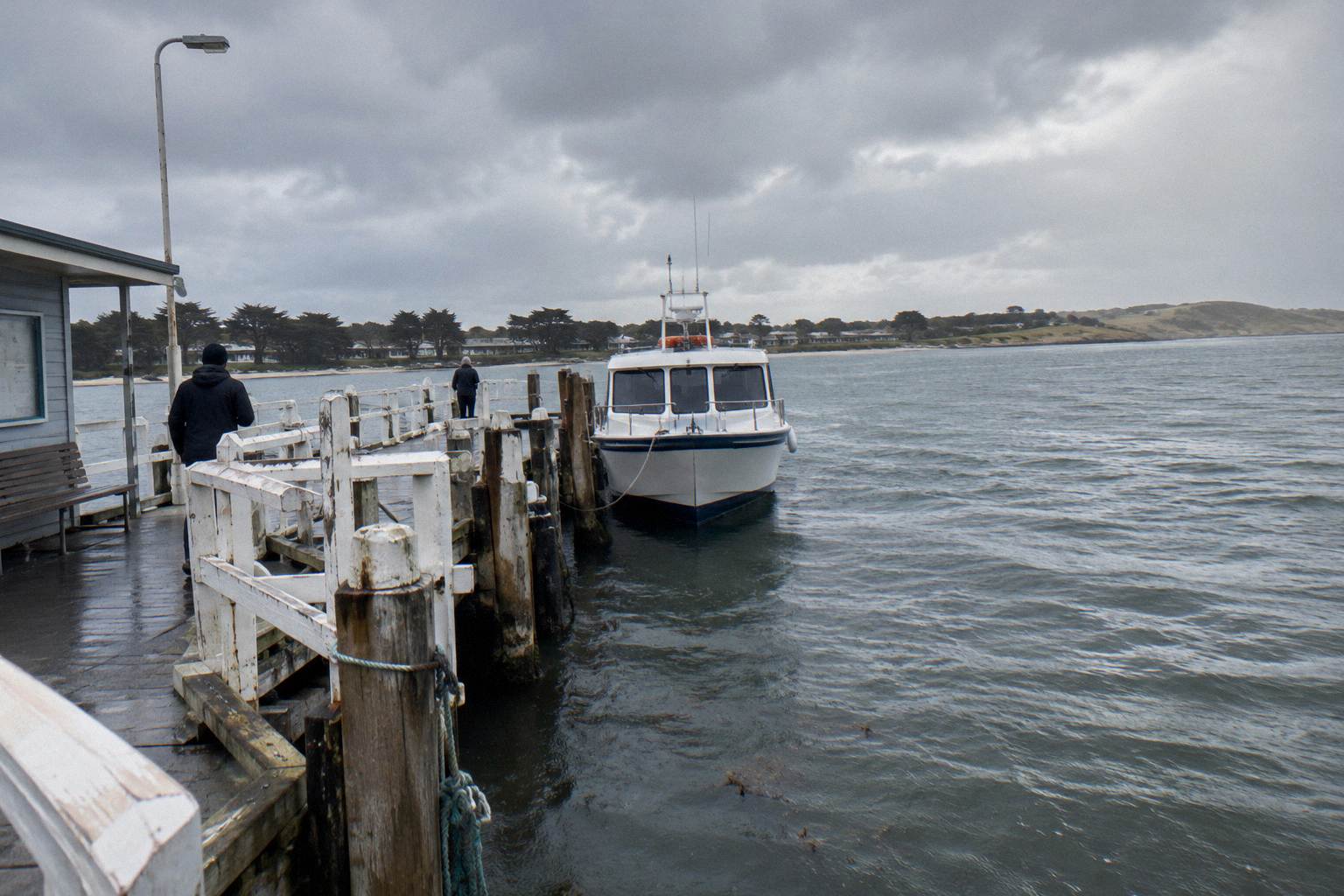
What the operator does publish is a process. Staff advise booked passengers of sea concerns "at least the day prior", which means a weather-driven change usually reaches you before you drive to the jetty, not at the gate. If the sailing is changed or cancelled for weather or numbers, a transfer to another date or a full refund is offered. Your own cancellation runs on a separate clock: a full refund up to 24 hours before departure for Phillip Island and San Remo departures, and a forfeiture inside 24 hours or on a no-show. The booking pages for the covered tours show free cancellation up to 24 hours.
That 24-hour window is where a rain forecast becomes a real decision tool. If the forecast turns ugly more than a day out, you can step back at no cost. Inside the window, the question is no longer "will it rain" but "will the operator sail", and that call belongs to the operator, with a refund behind it if the answer is no. The same logic applies across the operator's other Phillip Island cruises, since the same terms cover them.
What The Operator's Terms Actually Say About Weather Changes
The operator's terms address weather in three distinct ways: they may change or cancel a sailing for weather or minimum numbers and must then offer a transfer or a full refund, they warn that routes can vary with conditions even when a departure goes ahead, and their free cancellation window closes 24 hours before departure, after which your fare is forfeited.
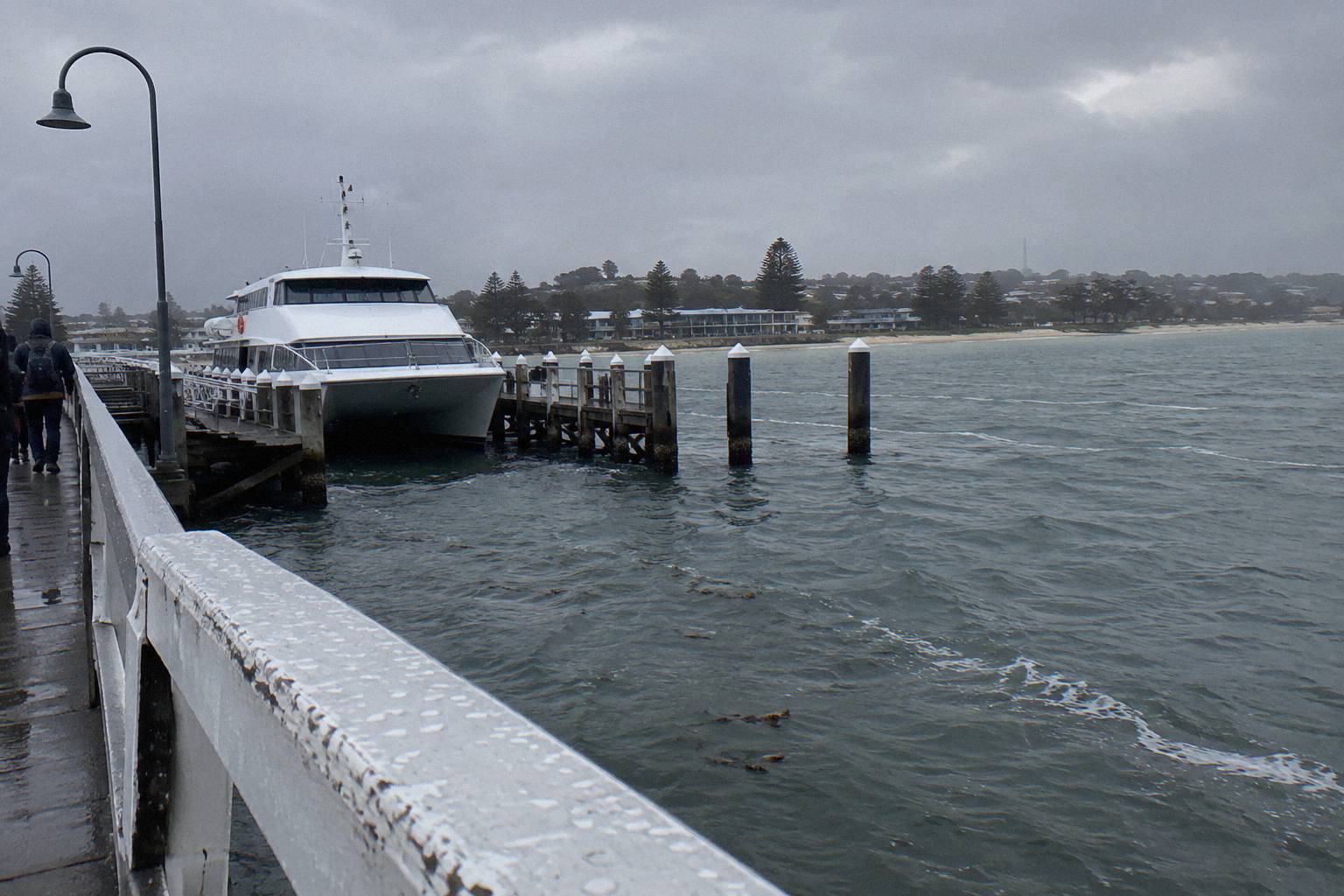
Reading the actual wording is worth the five minutes, because it settles most arguments before they start. The full terms sit on the operator's own site at the operator's terms page, and the sea and motion guidance sits in the operator's frequently asked questions. Neither page treats rain as a named event. Weather is treated as a bundle: sea state, wind, swell and the safety margins around them, assessed by the operator, communicated to booked passengers in advance where possible.
| Situation | What the operator's terms say happens | What it means for you |
|---|---|---|
| Operator cancels or changes for weather | A transfer or full refund will be offered | You are not out of pocket; pick a new date or take the refund |
| Operator cancels for minimum numbers | A transfer or full refund will be offered | Same protection; ask about the next sailing with numbers confirmed |
| You cancel more than 24 hours ahead | Full refund (Phillip Island and San Remo departures) | The forecast window you control |
| You cancel inside 24 hours, or no-show | Forfeit, non-transferable, non-refundable | The booking-page free cancellation window has closed |
| Weather varies the route | Routes can vary with weather | The cruise may sail with a different plan; ask the crew on the day |
Two practical notes round this out. The arrival rules are part of the same document: arrive 30 minutes before departure, boarding opens 15 minutes before, and the cruise departs on time. A missed sailing is treated exactly like a late cancellation, whatever the weather did to your drive. And the seasonal pattern matters for planners: winter rain days on the island are the highest of the year, and the whale-season cruises run in exactly those months, so the transfer-and-refund machinery gets more use from June to August than it does in February. The dedicated piece on what happens when the seal cruise is cancelled walks the refund path in more detail.
If the forecast is the thing holding up your booking, the Seal Rocks Cruise From Cowes carries the 24-hour free cancellation on its booking page, and a changed sailing comes with a transfer or full refund behind it. Check availability
How Wet Is Phillip Island, Month By Month?
Bureau of Meteorology averages from the Rhyll station, on the island's north side on Western Port, put the wettest months in winter, with July averaging 69.7 mm of rain over 12.4 rain days and August 76.6 mm over 12.7. February is the driest, at 37.0 mm over 4.4 rain days. These are long-run station averages, not a forecast, and the station faces Western Port rather than the open water at Seal Rocks.
The numbers are useful for one thing only: setting expectations about how often rain intersects with a Phillip Island visit. Averages smooth over everything, and a month that averages five rain days can still deliver a soaked long weekend. The table below prints the station's mean rainfall and mean rain days of one millimetre or more, exactly as the Bureau publishes them at the Rhyll climate averages table.
| Month | Mean rainfall (mm) | Mean rain days (1 mm or more) | Mean max temp (C) |
|---|---|---|---|
| January | 38.4 | 5.1 | 24.2 |
| February | 37.0 | 4.4 | 24.4 |
| March | 38.3 | 6.1 | 22.8 |
| April | 59.2 | 8.4 | 19.7 |
| May | 71.8 | 10.8 | 16.5 |
| June | 66.8 | 10.1 | 14.1 |
| July | 69.7 | 12.4 | 13.4 |
| August | 76.6 | 12.7 | 14.4 |
| September | 65.3 | 11.5 | 16.2 |
| October | 65.3 | 9.7 | 18.2 |
| November | 62.2 | 8.4 | 20.2 |
| December | 45.0 | 6.6 | 22.0 |
Read it as a planning range, nothing more. February's four rain days and December's six and a half make the peak summer holidays statistically kinder to a boat day than an August visit, which is also when the Seal Rocks cruise adds extra peak sailings at 11.00am and 4.30pm from 26 December to 31 January, subject to availability on the booking page.
The deeper planning context, including what wind does to sailing days, is covered in the island's weather and sea conditions explained. The short version for rain specifically: pack for it, book with the 24-hour window in mind, and let the operator make the sea call.
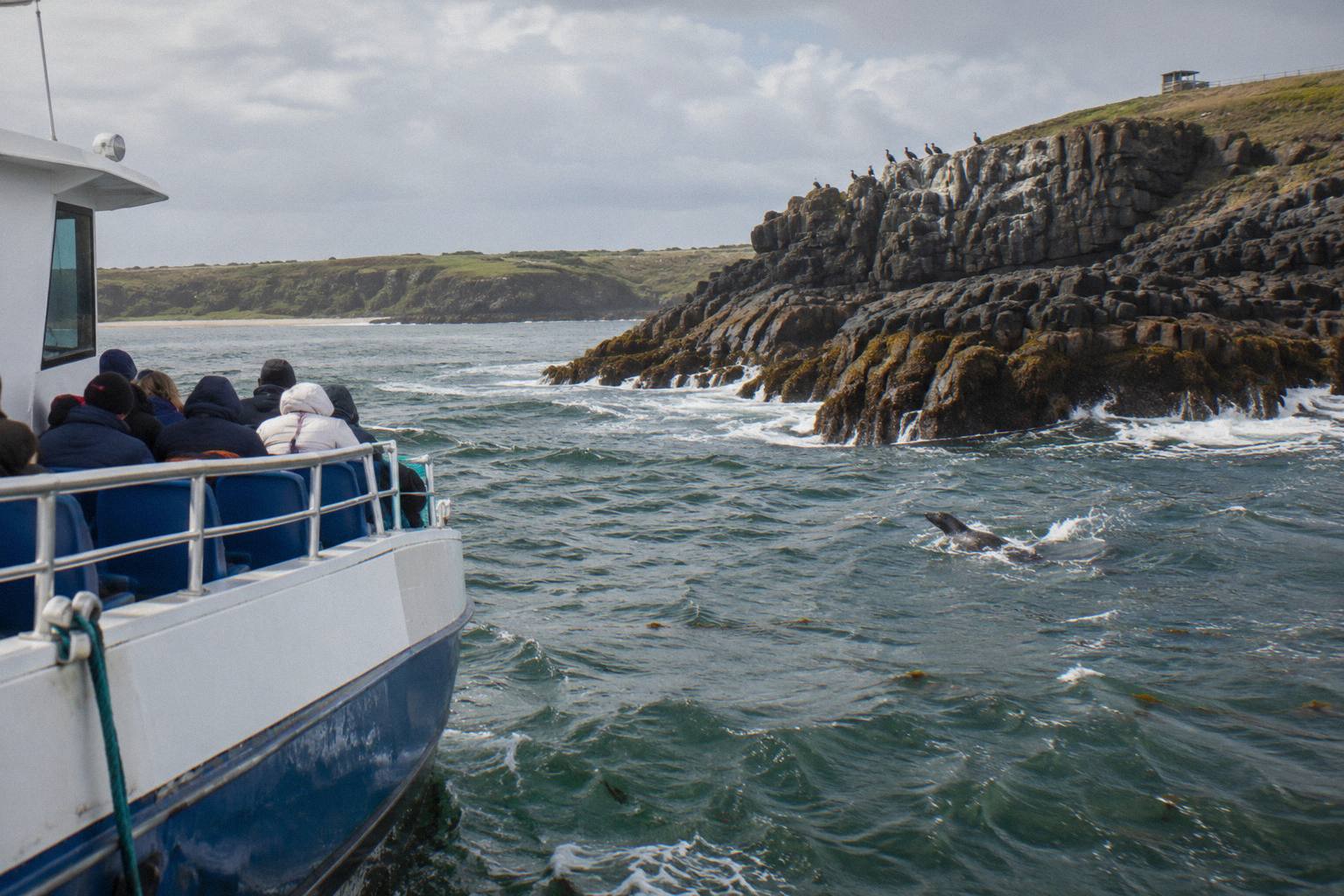
Rain Versus Sea State: Which One Actually Changes The Day
Rain changes what you wear and how your photos look. Sea state changes whether the cruise sails, how the boat moves, and how you feel two hours in. The operator is explicit that the Seal Rocks tour "travels into open waters and vessel motion may occur at times", and recommends motion sickness tablets; bay cruises are described as "generally calm". No published sea-state numbers exist for Seal Rocks, so nobody can quote you a wave height.
Splitting the two is the most useful thing a first-time visitor can do before booking. A rainy day with a flat sea is, for most people, a perfectly good seal cruise: there is undercover viewing on board, toilets, complimentary tea and coffee, and cake on the return leg. The seals at the rocks are the destination either way, and no sighting is guaranteed whatever the barometer says. What gear to bring for wet and windy conditions is laid out in what to wear on a seal cruise, and the movement question, tablets, timing and who should think twice, has its own treatment in seasickness on a seal boat tour.
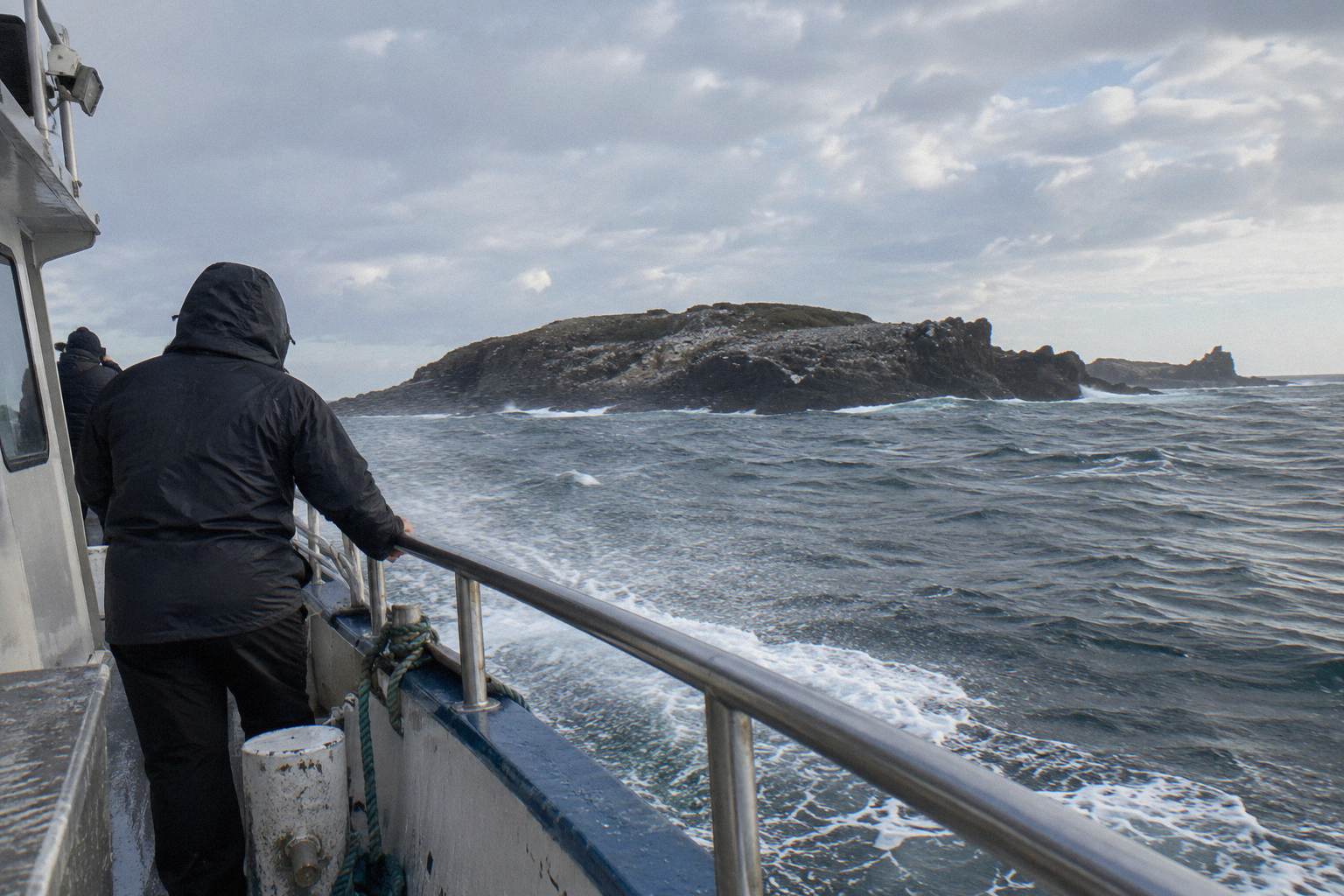
The asymmetry is this: you can control for rain with a jacket and a waterproof layer, and you can control for sea state only by choosing your product. The one-hour Cape Woolamai Cruise From San Remo, from A$49 per person, stays on the bay side of the island and the operator describes bay cruises as generally calm, which is why it earns its place as the weather-averse alternative. The two-hour open-water trip to the rocks is the one with the motion warning attached. If swell is a genuine concern for someone in your group, that product difference is the decision, more than any forecast.
Ask the operator before booking if motion is a worry, and mention it again when you book; the operator's staff advise booked passengers of sea concerns at least the day prior, so a rough-looking forecast usually surfaces before departure day rather than at the jetty. The decision checklist worth running: how far out is the forecast, where inside or outside the 24-hour window does it sit, which jetty and which product, and who in the party has been queasy on boats before. Answer those four and the rain question usually answers itself.
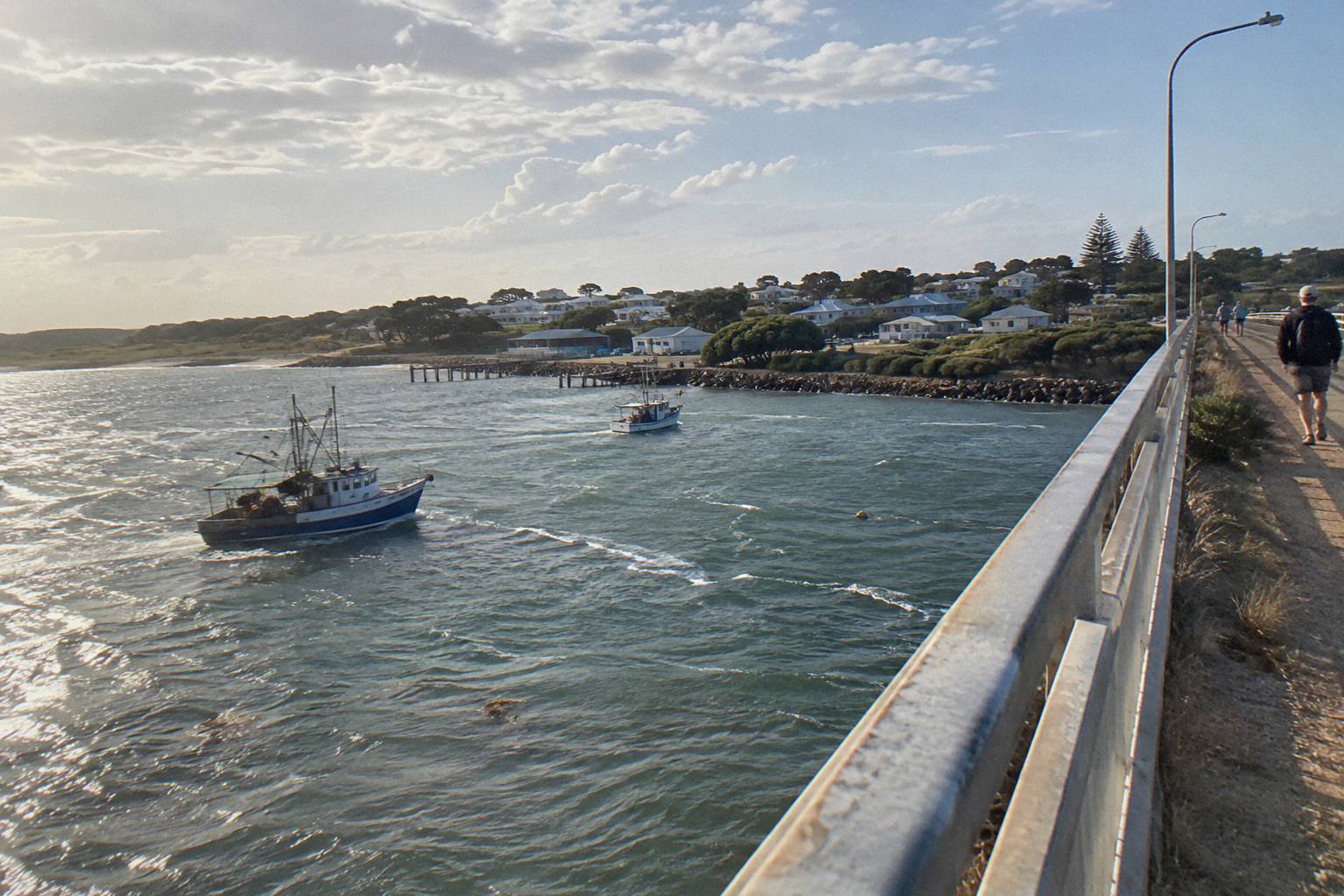
Which Cruise To Pick When The Forecast Looks Doubtful
If rain is the only concern, the two-hour Seal Rocks cruise delivers the full experience and sails in wet weather without issue. But if wind and swell are forecast, pick the one-hour Cape Woolamai Cruise From San Remo, from A$49 per person, which the operator itself describes as generally calm. With 24-hour free cancellation on both, the choice between open water and the bay stays open until the day itself.
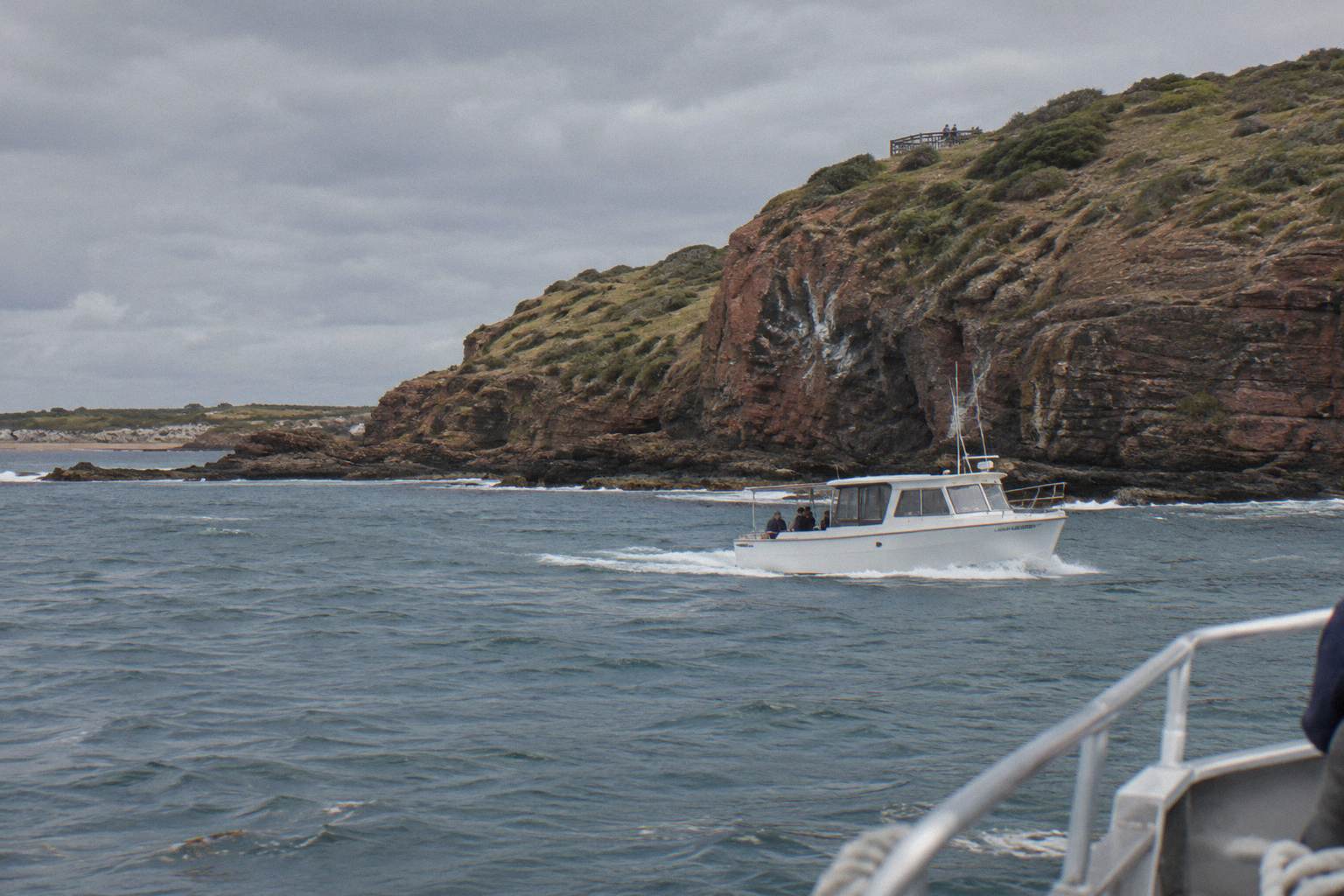
The Seal Rocks cruise is the open-water trip: two hours, daily at 2 pm, from A$115 per person, rated 4.9 from 236 reviews on one booking page and 4.8 from 152 on a second, with the motion warning attached and the transfer-or-refund backstop behind it. The Cape Woolamai cruise is the hour-long bay option from San Remo, from A$49, rated 4.6 from 453 reviews on one booking page and 4.7 from 80-plus on a second, running all year past the cape's cliffs and under the Phillip Island bridge, with seals not part of it. Both are Wildlife Coast Cruises products, so this is a choice between two outings from one operator, not a choice between companies.
The third option plays a different role entirely. The Sunset Cruise From San Remo, from A$79 per person for one hour 45 minutes, runs Saturdays from September to March, with Wednesdays added from mid November, departing an hour before sunset with live music, a licensed bar and a fruit and nibbles platter, and it promises no seals. On a doubtful-weather evening it is the social outing rather than the wildlife one, and it carries the same weather-change terms and the same 24-hour free cancellation.
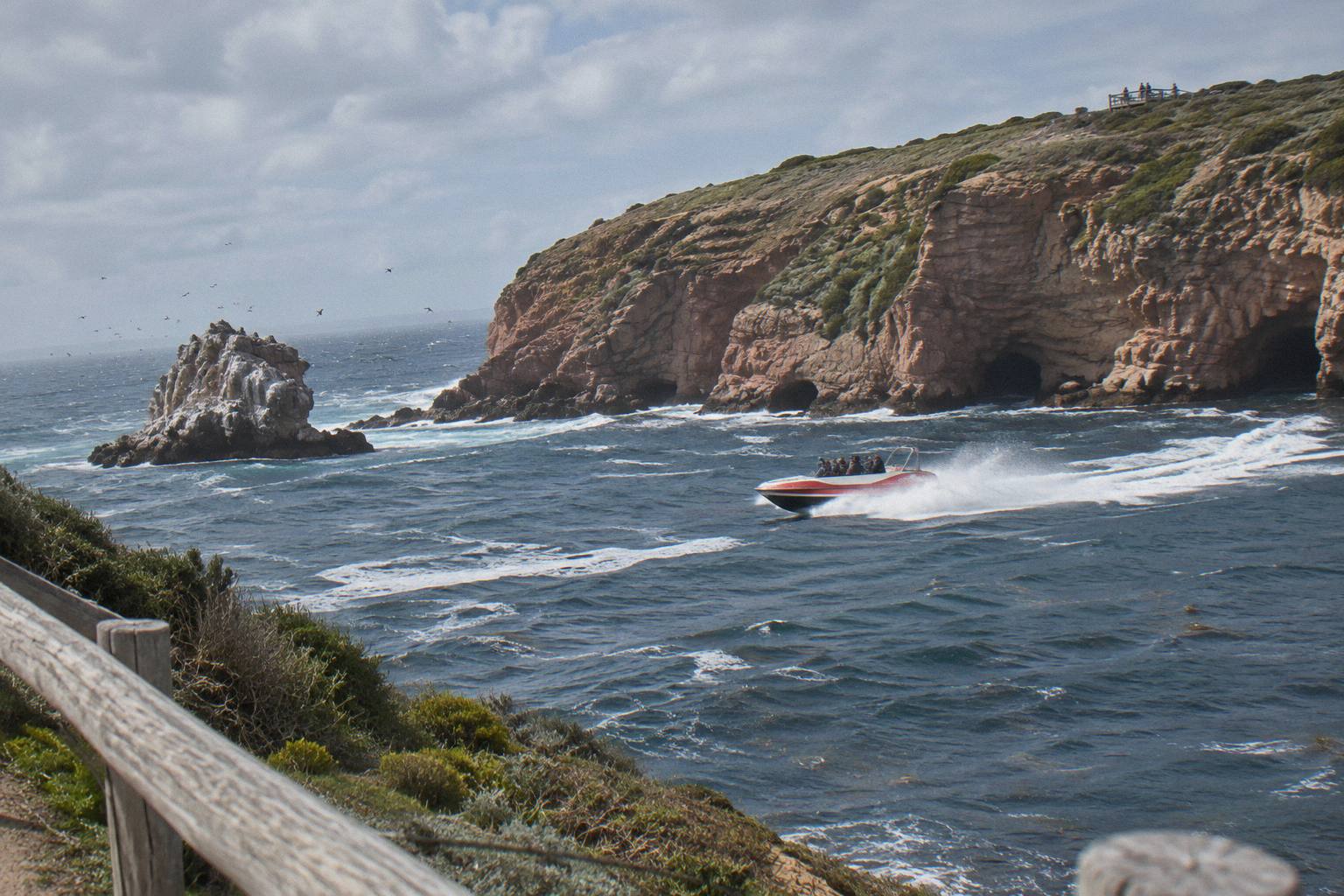
For travellers weighing the choice, the sequence is simple. More than 24 hours out: book the cruise you actually want and let the window protect you. Inside 24 hours with a grim forecast: the operator's day-prior sea advice is the signal to watch, and a transfer or refund follows any weather cancellation. On the jetty in drizzle: board, because rain was never the deciding condition. For the full set of seal and wildlife cruises from Cowes, San Remo and Rhyll, Phillip Island Seal Cruises lists them with fares and departure points.
A group of friends splitting the difference sometimes books the bay cruise as the weather hedge and the open-water trip for the next calm window; the operator runs both all year, so the sequencing is easy. Families with young children often prefer the shorter commitment for the same reason, since a one-hour sailing halves the exposure if the sea turns lively.
Mistakes To Avoid When Rain Is In The Forecast
Four mistakes cost travelers money or the sailing itself: cancelling inside the 24-hour window when rain is forecast but the operator still runs, arriving late because weather slowed the drive, assuming rain means cancellation and not showing up, and booking the open-water cruise without reading the operator's motion warning. In each case the booking is forfeited under the terms, since free cancellation ends 24 hours before departure and cruises depart on time, non-transferable and non-refundable.
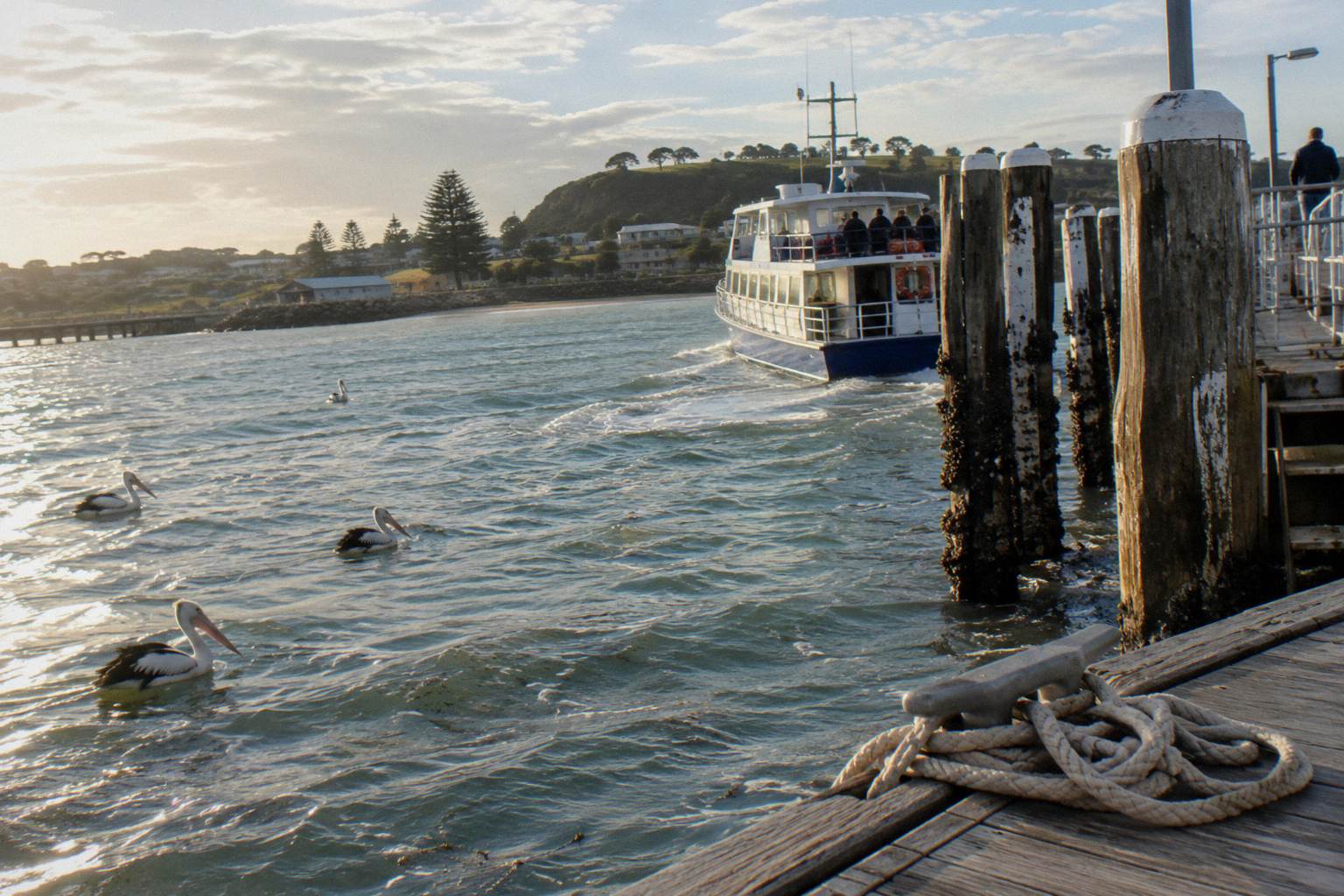
- Treating a rainy forecast as a cancelled cruise. Rain is not a cancellation trigger; sea state and minimum numbers are, and only the operator makes that call.
- Waiting past the 24-hour mark to decide. The free cancellation window closes 24 hours before departure for Phillip Island and San Remo sailings, forecast or no forecast.
- Cutting the arrival buffer in bad weather. The terms ask for arrival 30 minutes before, boarding 15 minutes before, and departure is on time; the drive from Melbourne is about 90 minutes to two hours, longer in peak season.
- Not watching for the operator's day-prior advice. Staff advise booked passengers of sea concerns at least the day prior, which is where a weather change usually first appears.
- Assuming a sailing that goes ahead will follow the usual route. Routes can vary with weather, so ask the crew what the plan is on the day.
- Mixing up products: the sunset cruise promises no seals, and the Cape Woolamai cruise does not include seals either; only the Seal Rocks trip drifts at the rocks, in the operator's wording, "within meters of the seals".
Common Questions About Rain And Seal Cruises
Where Do Seals Go When It Rains, And Does Rain Cancel The Seal Cruise?
The operator publishes nothing about how seals behave in rain, so the first half has no answer beyond the fact that Seal Rocks, about 2 km offshore, is the colony's permanent home. For the second half: rain alone does not cancel the cruise. Sailings are subject to minimum numbers and weather conditions at sea, and a weather-driven change or cancellation comes with a transfer or a full refund.
Will I Get A Refund If The Seal Cruise Is Cancelled For Weather?
Yes. The operator's terms state that when a cruise is changed or cancelled for weather or minimum numbers, a transfer or full refund will be offered. Your own cancellation is separate: free up to 24 hours before departure for Phillip Island and San Remo departures, forfeited inside 24 hours or on a no-show.
Does The Cruise Still Run If It Is Raining On The Day?
Usually yes. Rain is not a named cancellation trigger in the operator's terms; sea conditions and passenger numbers are. If conditions force a change, the operator advises booked passengers of sea concerns at least the day prior where possible and offers a transfer or refund.
Which Month Has The Most Rain Days On Phillip Island?
August, averaging 12.7 rain days of one millimetre or more at the Rhyll station, closely followed by July on 12.4. February is the driest at 4.4 rain days. These are long-run station averages, not a forecast.
Is The Boat Covered If It Rains During The Cruise?
Yes, there is undercover viewing on board, along with toilets, complimentary tea and coffee, and cake served on the return leg. Seating is not designated and inside seating is not guaranteed, so arrive within the 30-minute window to board early.
Which Cruise Is Best If The Sea Looks Rough?
The Cape Woolamai Cruise From San Remo, one hour and from A$49 per person, stays on the bay side of the island and the operator describes bay cruises as generally calm. The two-hour Seal Rocks cruise travels into open waters where vessel motion may occur, and the operator recommends motion sickness tablets.